
Featured Collection
Your cart
Featured Collection

PEAK SURGICAL
SKU:
Couldn't load pickup availability
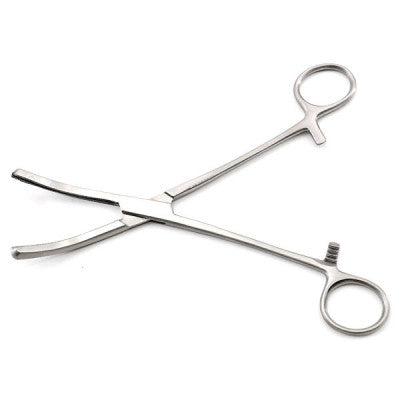
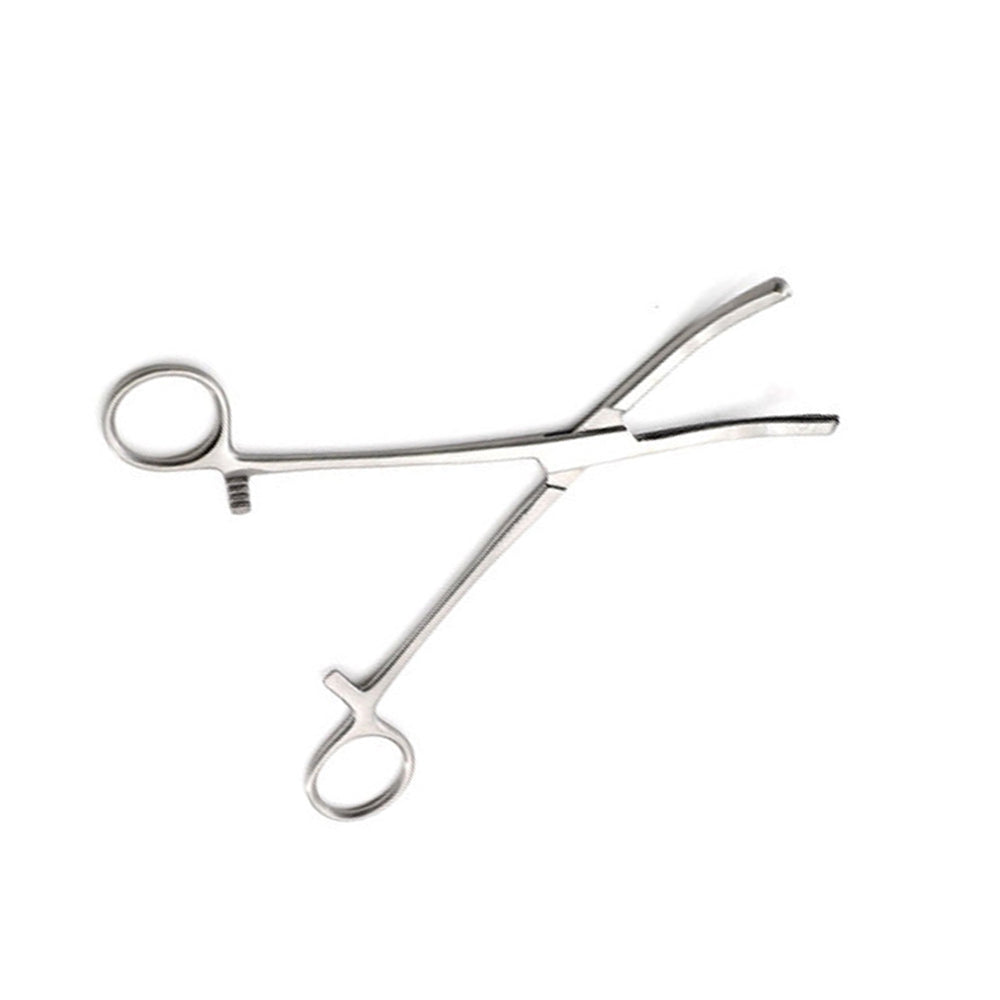
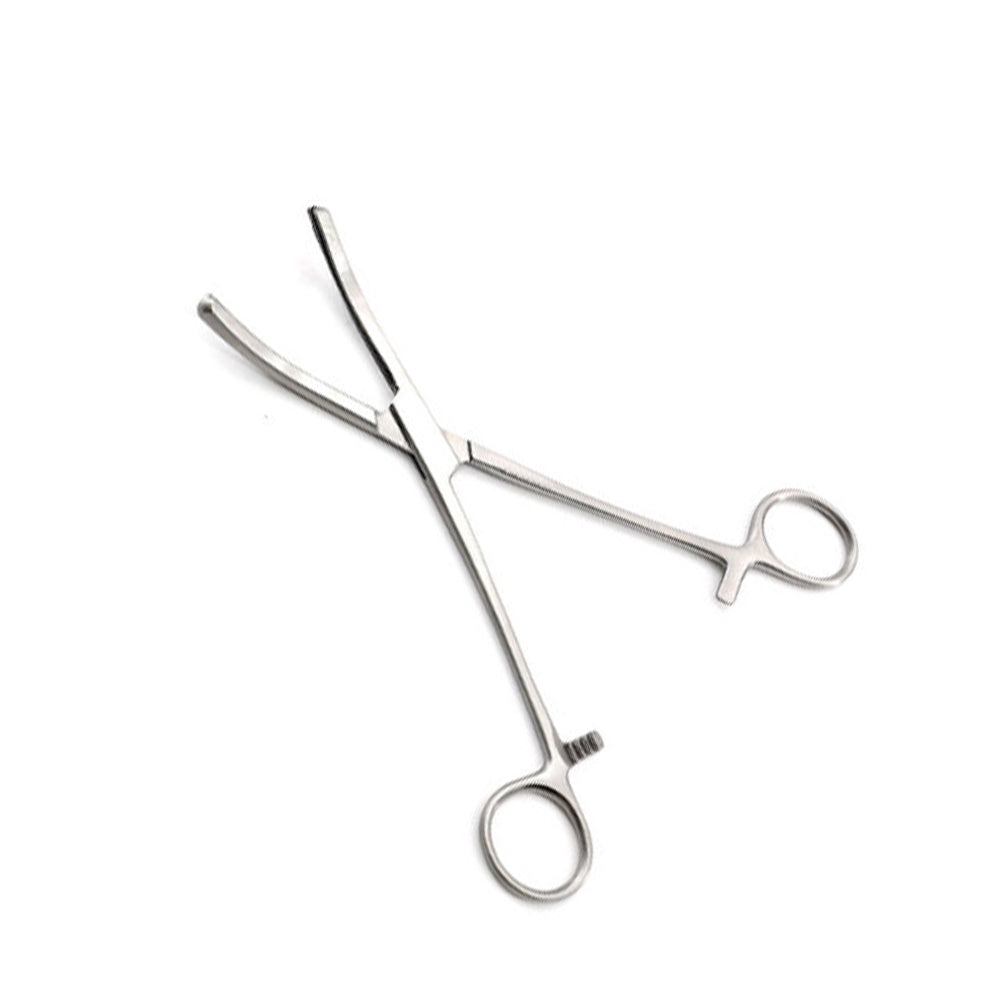
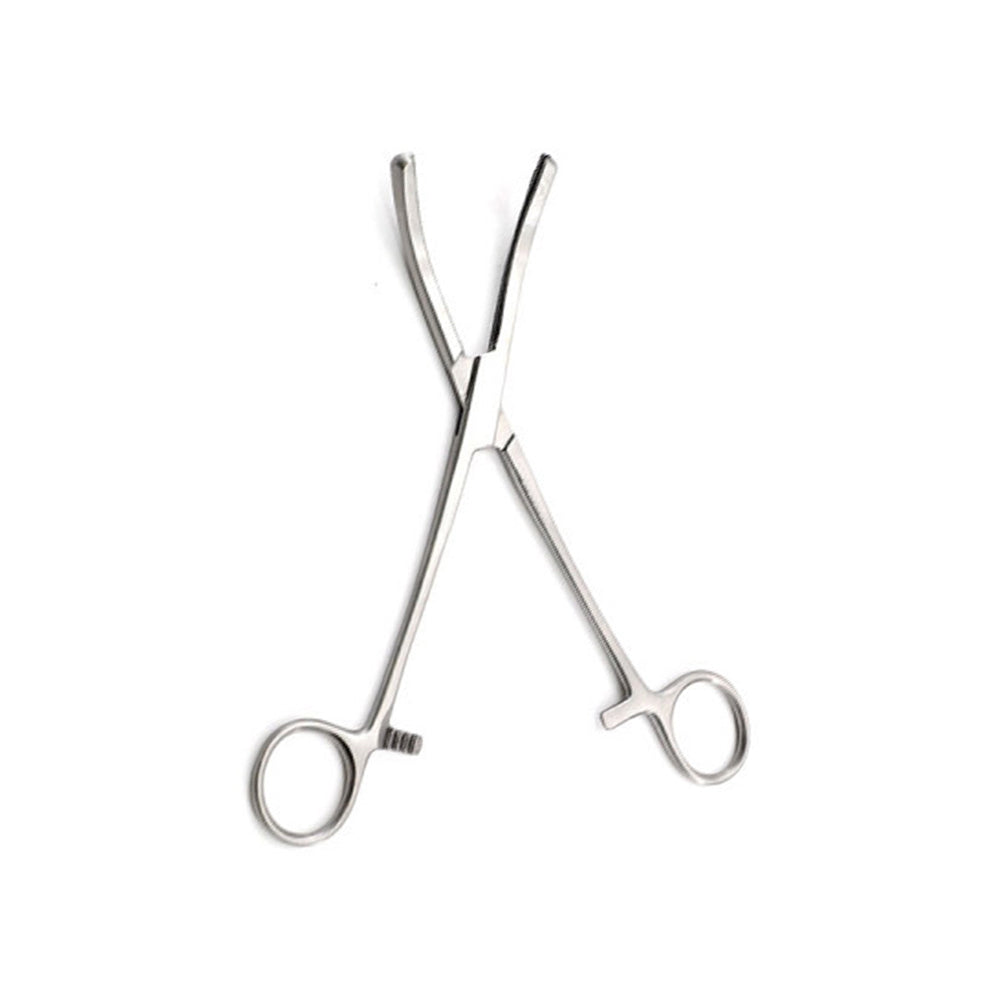
The professional clinical solution for high-pressure vessel sealing and permanent bleeding prevention. The Ferguson Angiotribe Forceps Curved are heavy-duty hemostatic instruments engineered to solve the problem of managing large, high-pressure vascular bundles that require more than a standard clamp. Characterized by their ultra-robust curved jaws and a unique crushing groove mechanism, these forceps act as a mechanical necessity for surgical teams performing procedures where permanent vessel occlusion is required. Its design is specifically optimized to provide a "crushing" force that seals the vessel walls together, ensuring that bleeding is managed with mathematical accuracy during complex gynecological, abdominal, or orthopedic surgeries.
The Ferguson Angiotribe Forceps Curved represent the pinnacle of heavy-duty vascular ergonomics and dependable hemostatic control. In any professional environment—from elective hysterectomies to emergency trauma surgery—the ability to definitively "crush-seal" a large vessel is a critical success factor for preventing post-operative hemorrhage. These forceps act as a high-durability mechanical extension of the surgeon’s strength, offering a level of reliability and "seal-security" that standard hemostats cannot provide.
At its core, the instrument is built for professional-grade longevity. Unlike standard Kelly or Crile clamps, which are intended for temporary occlusion, the Ferguson Angiotribe is a crushing instrument. The deep grooves and robust hinge are designed to withstand the physical stress of obliterating the lumen of large vessels. The curved profile is particularly effective for reaching behind or under organs where the patient’s anatomy would block a straight instrument.
Built to exceed international standards for medical hardware, these curved Angiotribe Forceps are fully reusable and intended for high-frequency professional use. Their robust construction and specialized "Crush-Seal" profile make them an indispensable asset for ensuring safe, organized, and high-precision results in comprehensive patient care.
Ferguson Angiotribe Forceps Curved
Ferguson Angiotribe Forceps are used for hemostasis and prevention of subsequent bleeding.
| Product Name | Ferguson Angiotribe Forceps Curved |
| Properties | Veterinary Surgical Instruments |
| Model Number | PS-VS-0059 |
| Type | Veterinary Surgical Instruments |
| Brand Name | Peak Surgicals |
| Instrument classification | Class I |
| Warranty | 1 YEAR |
| After-sale Service | Return and Replacement |
| Material | Medical Stainless Steel |
| Feature | Reusable |
| Certificate | CE, ISO-13485, FDA |
| Usage | Operating Room, etc |
| OEM | Available |
| Finish | Satin. Dull. MIRROR |
| Quality | Reusable |
| Packing | Carton Box, Others |
| Rust Free | Yes |
| MOQ | 1 Piece |
Feature Details
Length Options Commonly 6.5" (165mm) to 7.5" (190mm)
Jaw Pattern Curved / Heavy Crushing Grooves
Mechanism Multi-Stage Ratchet Lock
Material Core Premium Surgical-Grade Stainless Steel
Finish High-Polish / Satin (Non-Glare)
Maintenance Fully Autoclavable / Reusable
Primary Use Cases:
Q: How does an Angiotribe differ from a Rochester-Carmalt?
A: While both are heavy-duty, the Angiotribe is specifically designed with much deeper, heavier grooves for the primary purpose of crushing the vessel to achieve hemostasis, whereas the Carmalt is generally used for clamping and holding.
Q: Is the crushing action permanent?
A: The crushing action is intended to achieve immediate hemostasis by sealing the vessel walls. However, in most professional surgical procedures, this is followed by suture ligation for secondary, long-term security.
Q: Why choose the curved version over the straight Ferguson Angiotribe?
A: The curved version is superior for procedures in deep cavities (like the pelvis) where you need to reach around anatomical landmarks to secure a vessel at a right angle to the approach.
Q: Can these be used on delicate tissue?
A: No. These are traumatic, "crushing" instruments. They should only be used on vessels or tissue pedicles that are being excised or where permanent occlusion is the goal.
Q: How should I inspect the instrument for wear?
A: Regularly check the box joint for any play and ensure that the grooves in the jaws align perfectly. Any misalignment can result in an incomplete seal of the vessel.
