Featured Collection
Your cart
Featured Collection

PEAK SURGICAL
SKU:PS-1-120
Couldn't load pickup availability
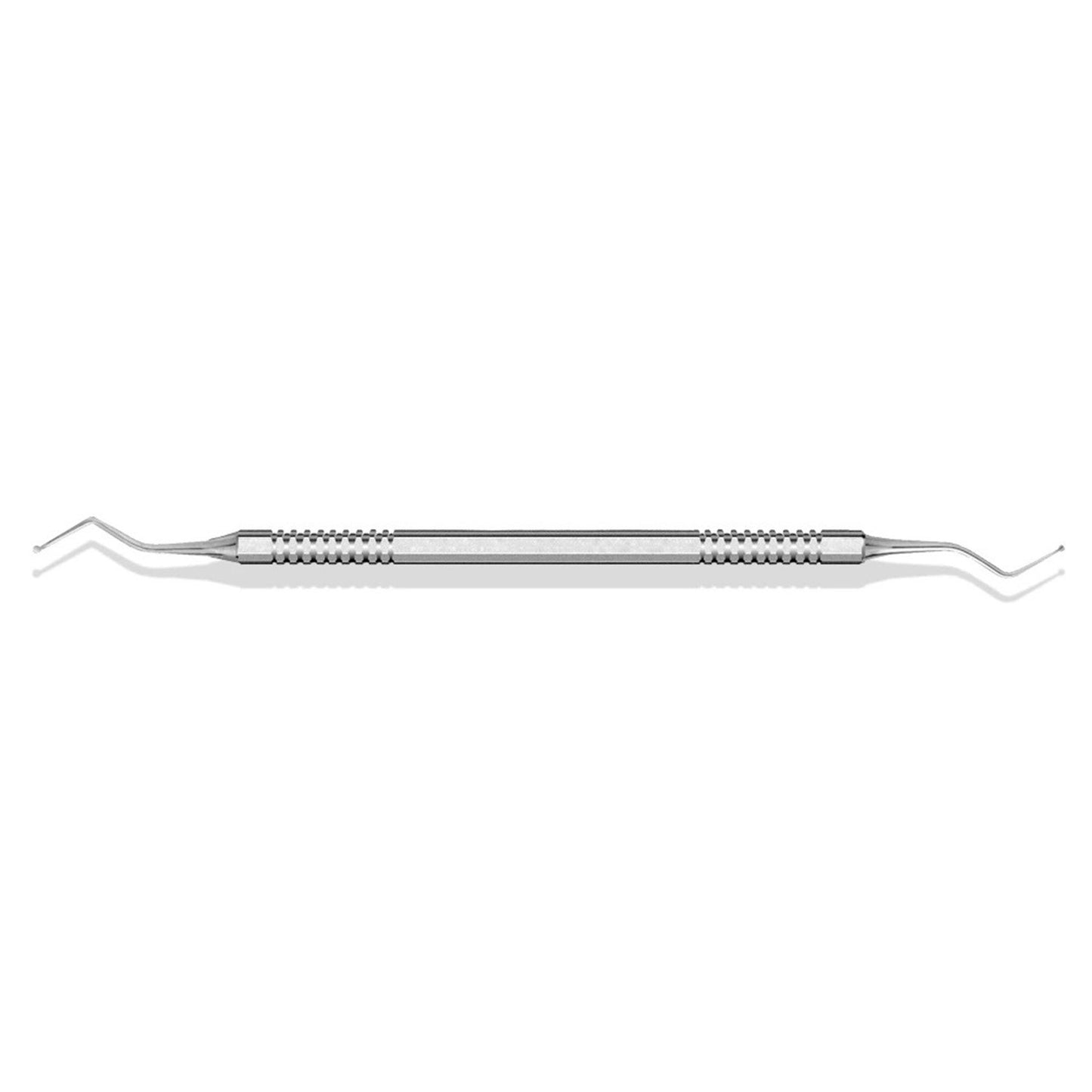
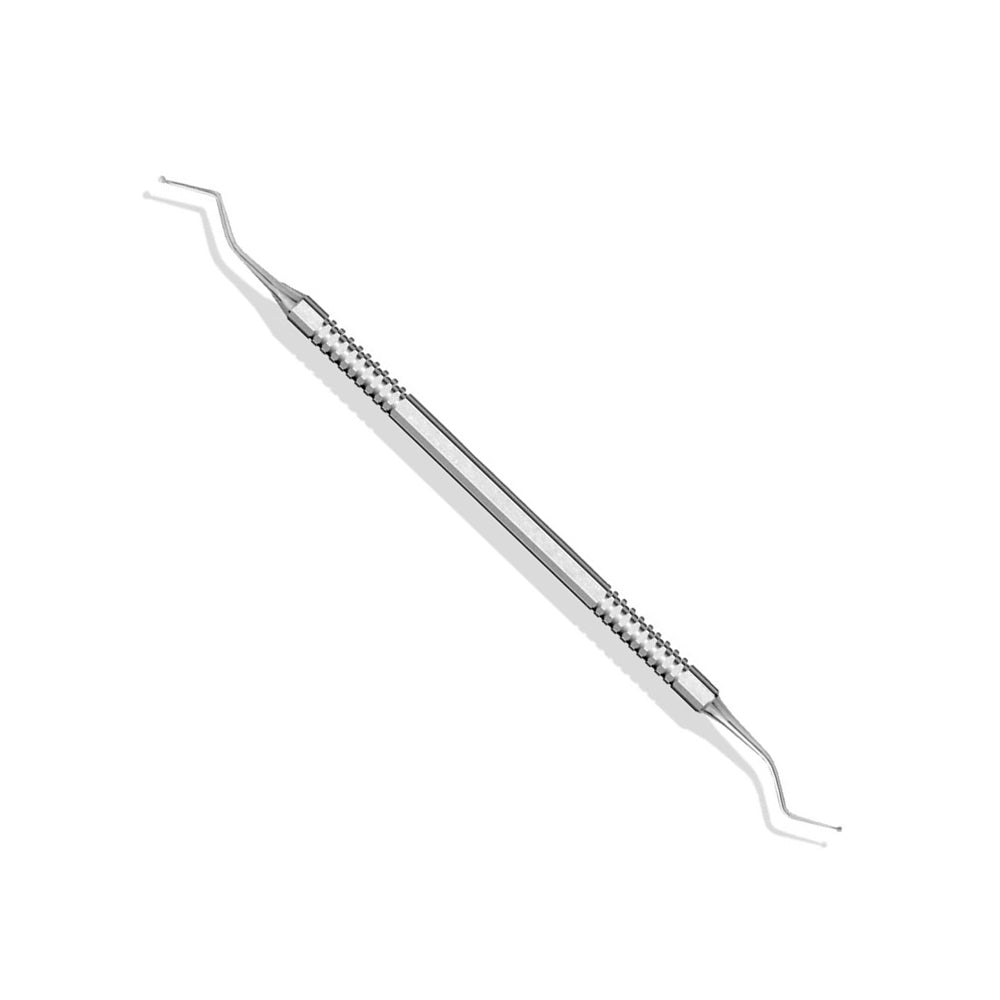
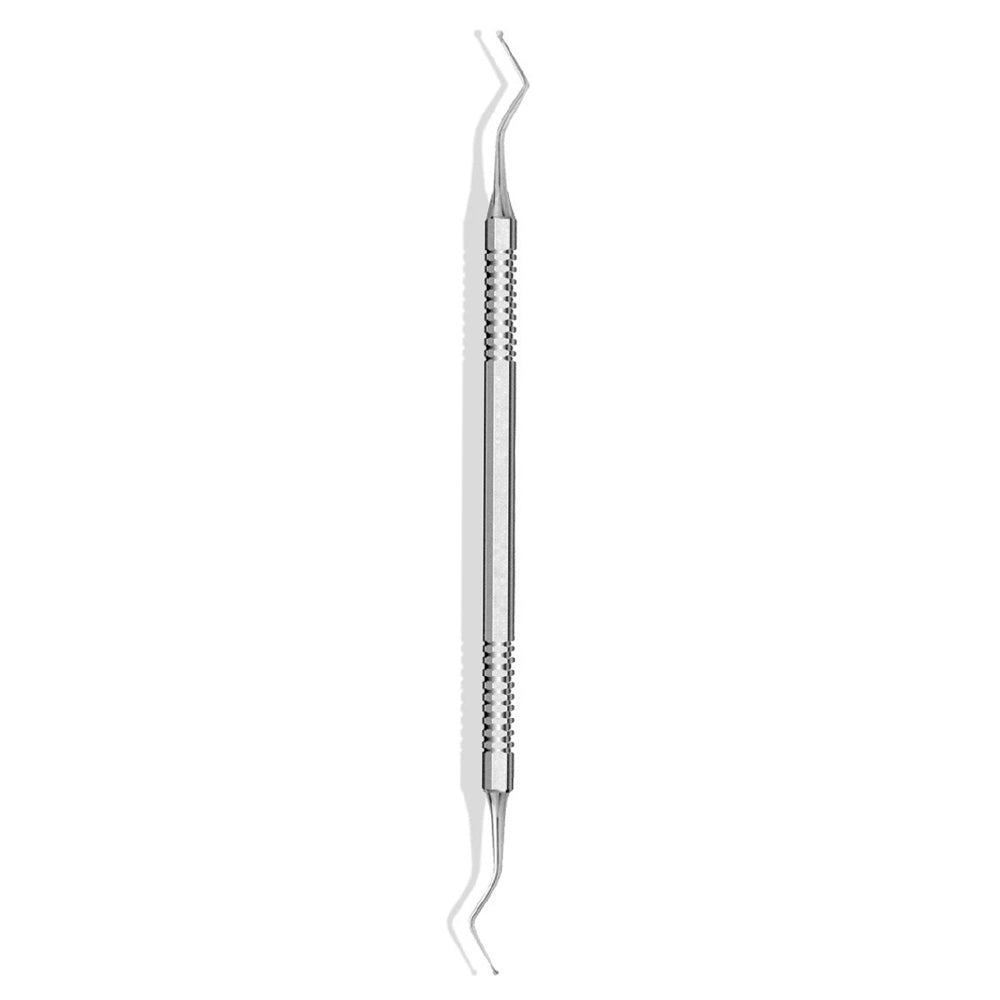
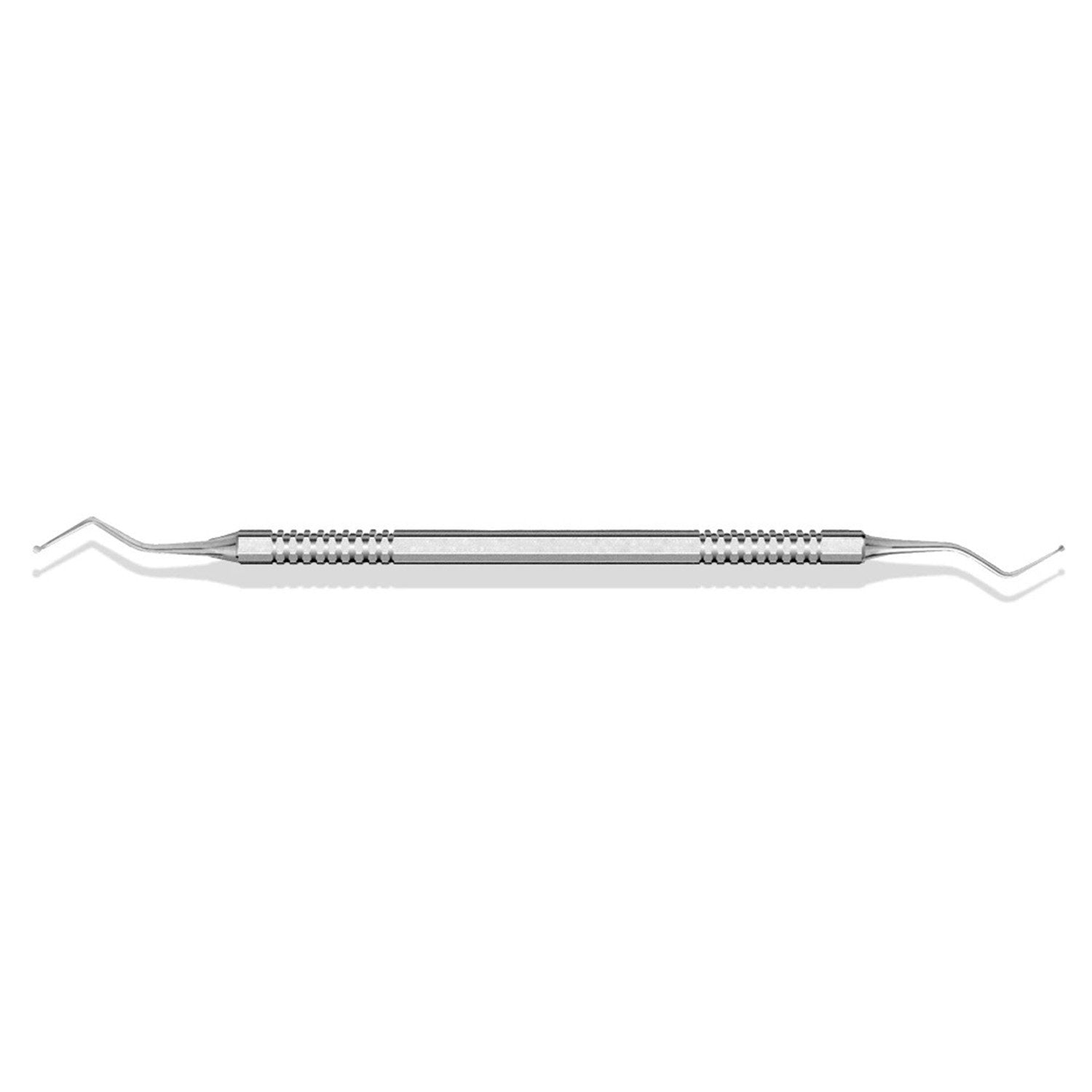
Excavator Double Side, SKU PS-1-120, is a reusable dental excavator made from German stainless steel for caries excavation, softened dentin removal, cavity floor refinement, temporary restorative material removal, endodontic access cleanout, and operative restorative preparation. The listed working size is 2.4mm, giving clinicians a broad spoon-tip profile for occlusal cavities, proximal boxes, cervical lesions, class I preparations, class II preparations, class V defects, access cavities, crown-margin areas, and veterinary dental restorations. The double-sided angled design positions the spoon ends into restricted operative fields while the textured cylindrical handle supports tactile finger control during manual cavity instrumentation. The spoon-shaped working tips are used after visual inspection, caries detection, isolation, and rotary access when softened dentin, debris, temporary cement, or unsupported restorative material must be removed manually. General dentists, restorative clinicians, endodontists, pediatric dentists, dental schools, hospital dental units, veterinary dental teams, distributors, and procurement offices use this Class I reusable hand instrument in operative, endodontic, teaching, and restorative tray setups.
The Excavator Double Side uses opposing angled spoon-shaped working ends joined by a slim reusable handle for controlled hand excavation. Each spoon has a concave cutting edge that engages softened dentin, residual temporary material, debris, or cement through scraping and scooping strokes. The 2.4mm profile provides a broader working surface than narrow excavator patterns, making it suitable for larger carious areas, occlusal cavity cleanout, class II box floor refinement, and crown-margin debris removal. The contra-angled shanks keep the clinician’s fingers outside the mirror line while the terminal spoon reaches posterior, proximal, cervical, or access-cavity fields. The textured handle supports wet-glove rotation and pressure modulation at the cutting edge, allowing the operator to orient the spoon toward the pulpal floor, axial wall, dentinoenamel junction, or restorative margin. There is no ratchet, spring, lock, pivot, or box joint because function depends on manual cutting pressure, spoon-edge contact, shank angulation, and tactile feedback from the prepared cavity surface.
During operative dentistry, the Excavator Double Side is introduced after diagnosis, isolation, caries detection, visual inspection, and initial access preparation. The selected spoon end removes softened dentin from occlusal fissures, proximal boxes, cervical lesions, undermined restorative margins, and cavity floors while maintaining controlled contact with axial walls and line angles. In class I and class II preparations, the instrument supports hand cleanout near the dentinoenamel junction, pulpal floor, gingival seat, and proximal box margins where tactile discrimination guides material removal. During endodontic access, the excavator removes temporary filling material, chamber debris, soft dentin remnants, and residual restorative fragments before irrigation, canal location, or provisional closure. Pediatric dentists use the 2.4mm profile when the cavity dimension permits broader spoon contact. Restorative clinicians use it for crown-margin cleanout, cement retrieval, base-placement review, and final preparation inspection before bonding. Veterinary dental teams use the same hand excavation sequence in canine and feline restorations where direct visibility and rotary access are restricted.
The 2.4mm size is selected when the preparation requires a broad spoon tip for expanded caries removal, larger occlusal cavities, class II box floors, crown-margin debris retrieval, and temporary material removal after access preparation. Its working width allows efficient manual cleanout when softened dentin occupies a wider surface area and a narrow spoon would require repeated strokes. In posterior restorations, the angled shank helps the spoon reach molar occlusal surfaces, proximal floors, and cervical extensions while preserving mirror visibility. In endodontic procedures, the same profile supports chamber cleanout after temporary restoration removal and before canal location. In pediatric and veterinary dentistry, selection depends on crown size, access width, and the amount of material requiring hand removal. The double-sided design allows the clinician to reverse the instrument for right-side and left-side access without changing tools. Selection is based on tooth group, cavity width, access route, dentin consistency, and procedure stage. This pattern supports restorative, endodontic, teaching, and multi-chair clinic trays where hand excavation must remain controlled and repeatable.
German stainless steel construction gives the Excavator Double Side the rigidity required for controlled hand excavation while maintaining spoon-edge geometry through repeated clinical use. The listed finish options include satin, dull, and mirror surfaces, supporting operatory visibility, cleaning inspection, and department preference. The one-piece reusable metal body fits standard dental instrument reprocessing workflows in clinics, hospitals, schools, and distributor supply programs. After treatment, staff remove visible debris from both spoon ends, clean the concave working surfaces and shanks, rinse, dry, inspect edge integrity and handle texture, package, and steam autoclave according to facility protocol. CE marking supports international purchasing records, ISO 13485 certification reflects regulated medical device manufacturing controls, and FDA-compliant procurement support helps United States buyers maintain reusable hand instrument files. The product supports single-piece ordering, OEM supply, custom restorative set assembly, return and replacement service, one-year warranty management, and routine replenishment for dental clinics, hospital departments, teaching programs, veterinary units, and institutional procurement teams.
| SKU | PS-1-120 |
|---|---|
| Product Name | Excavator Double Side |
| Price | $2.20 USD |
| Size/Gauge Variants | 2.4mm spoon-tip working end |
| Instrument Category | Dental excavator and operative restorative hand instrument |
| Procedure | Caries excavation, softened dentin removal, cavity preparation refinement, temporary restorative material removal, endodontic access cleanout, crown-margin review, pediatric operative dentistry, and veterinary dental restoration |
| Material | German stainless steel |
| Finish | Satin, dull, and mirror finish options |
| Sterilization | Reusable; clean both spoon ends and shanks, rinse, dry, inspect working edges and handle, package, and steam autoclave through facility protocol |
| Instrument Classification | Class I non-powered reusable dental hand instrument |
| Reusable | Yes |
| Certifications | CE marked, ISO 13485 certified, FDA-compliant procurement support |
| Warranty | 1 year |
| MOQ | 1 piece |
| OEM / Custom Orders | Available for clinics, hospitals, dental schools, distributors, veterinary dental units, and institutional purchasing programs |
| After-Sale Service | Return and replacement support |
How does Excavator Double Side differ from a dental explorer?
Excavator Double Side is designed for hand excavation, while a dental explorer is designed for tactile diagnosis. A dental explorer uses a fine pointed tip to detect fissures, calculus, margins, and surface irregularities. This excavator uses spoon-shaped working ends with cutting edges for removing softened dentin, debris, cement, and temporary material. The excavator contacts the cavity floor and walls during operative dentistry, while the explorer is used before or after preparation for inspection. The 2.4mm spoon profile gives material-removal capability that an explorer does not provide. Excavator Double Side is selected when the clinician needs controlled manual excavation rather than surface probing.
How should the 2.4mm size be selected clinically?
Excavator Double Side in 2.4mm is selected for wider occlusal cavities, class II box floors, crown-margin cleanout, temporary material removal, and broader softened dentin removal. The spoon profile covers more cavity surface during each controlled stroke than a narrow excavator. It is useful when the preparation has already been opened with rotary instrumentation and hand cleanout is required before restoration placement. In posterior molars and premolars, the angled shank supports access to pulpal floors, axial walls, and proximal extensions. In pediatric or veterinary cases, the 2.4mm size is selected when crown dimensions allow broad spoon contact. Selection depends on tooth group, cavity width, access route, dentin consistency, and procedure stage.
How do CE, ISO 13485, and FDA procurement requirements apply?
Excavator Double Side is supplied for professional purchasing workflows that require reusable dental hand instrument documentation. CE marking supports international procurement records for clinics, hospitals, dental schools, distributors, and institutional buyers. ISO 13485 certification reflects manufacturing controls used in regulated medical device supply. FDA-compliant procurement support helps United States buyers maintain vendor files and reusable instrument records. These references support supplier onboarding, tender preparation, clinic audits, product file review, and multi-location purchasing approval. The instrument remains a Class I non-powered reusable dental excavator for professional operative, restorative, endodontic, pediatric, teaching, and veterinary dental workflows.
How are the spoon ends, angled shanks, and handle controlled during use?
The control features on Excavator Double Side are the paired spoon geometry, angled shanks, and textured handle. The clinician holds the handle with light finger pressure and rotates the selected end toward the cavity wall, floor, or restorative margin. The concave edge engages softened dentin or debris with a scraping and scooping stroke. The angled shank keeps the hand outside the mirror line while the terminal edge reaches posterior, proximal, cervical, or chamber areas. There is no ratchet, spring, lock, pivot, or box joint because the instrument depends on manual pressure and tactile feedback. This handling pattern supports conservative excavation, temporary material removal, and final cavity cleanout before restoration placement.
How should clinics and distributors manage sterilization and supply?
Excavator Double Side is a reusable German stainless steel dental instrument suitable for standard restorative tray reprocessing. After use, staff remove visible debris from both spoon ends, clean the concave working surfaces carefully, rinse, dry, inspect the edges and handle, package the instrument, and steam autoclave it according to facility protocol. The one-piece metal construction supports repeated turnover in operative, restorative, endodontic, pediatric, teaching, and veterinary dental trays. Clinics can stock the 2.4mm size for broader hand excavation, crown-margin cleanout, and temporary material removal. Distributors can supply single pieces or include the item in custom restorative instrument kits for professional buyers. The $2.20 USD price supports replacement ordering, department replenishment, and multi-chair clinic inventory planning.