
Featured Collection
Your cart
Featured Collection

PEAK SURGICAL
SKU:PS-D-156
Couldn't load pickup availability
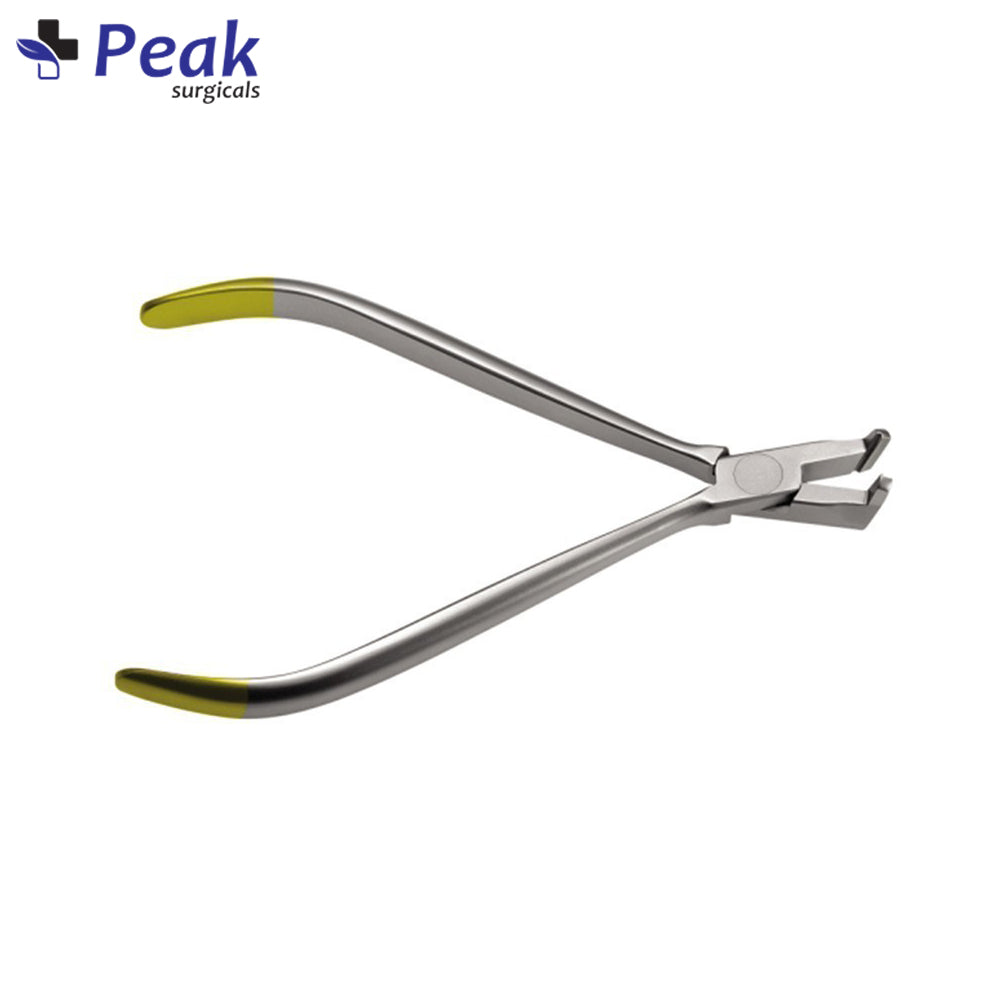
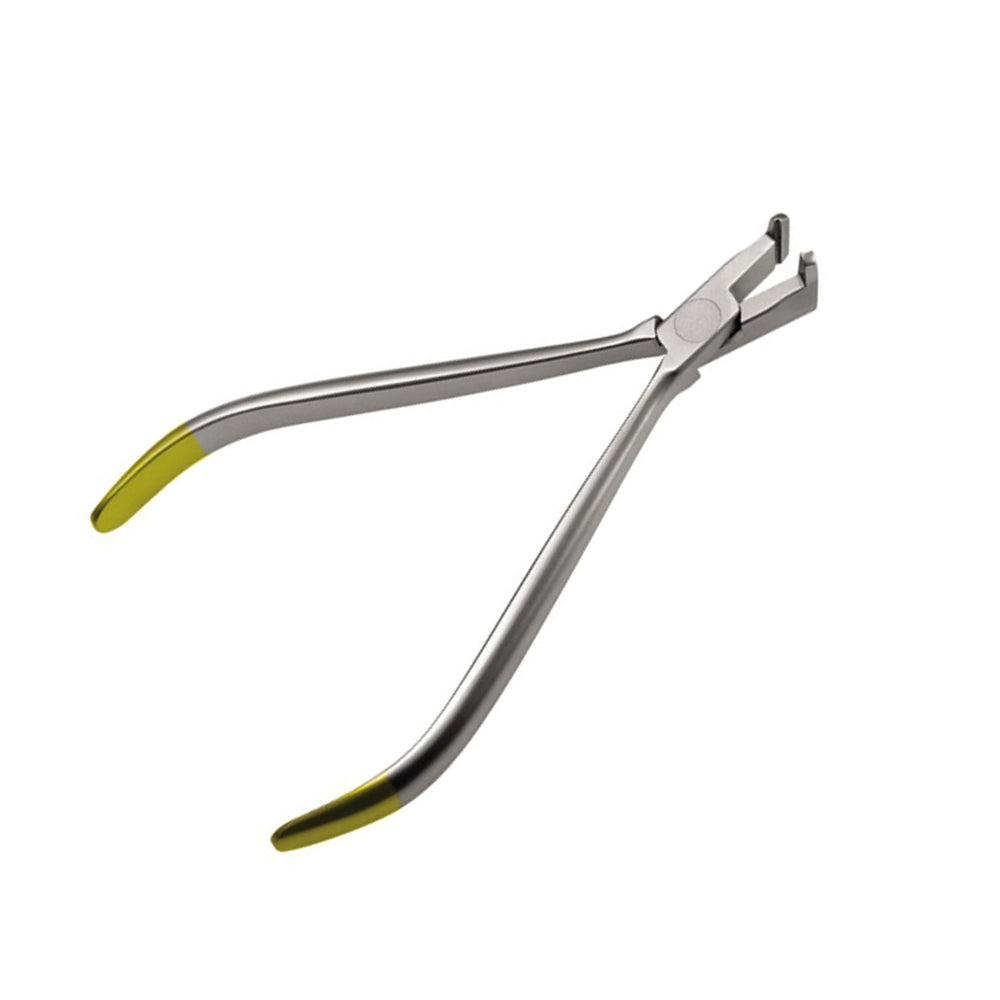
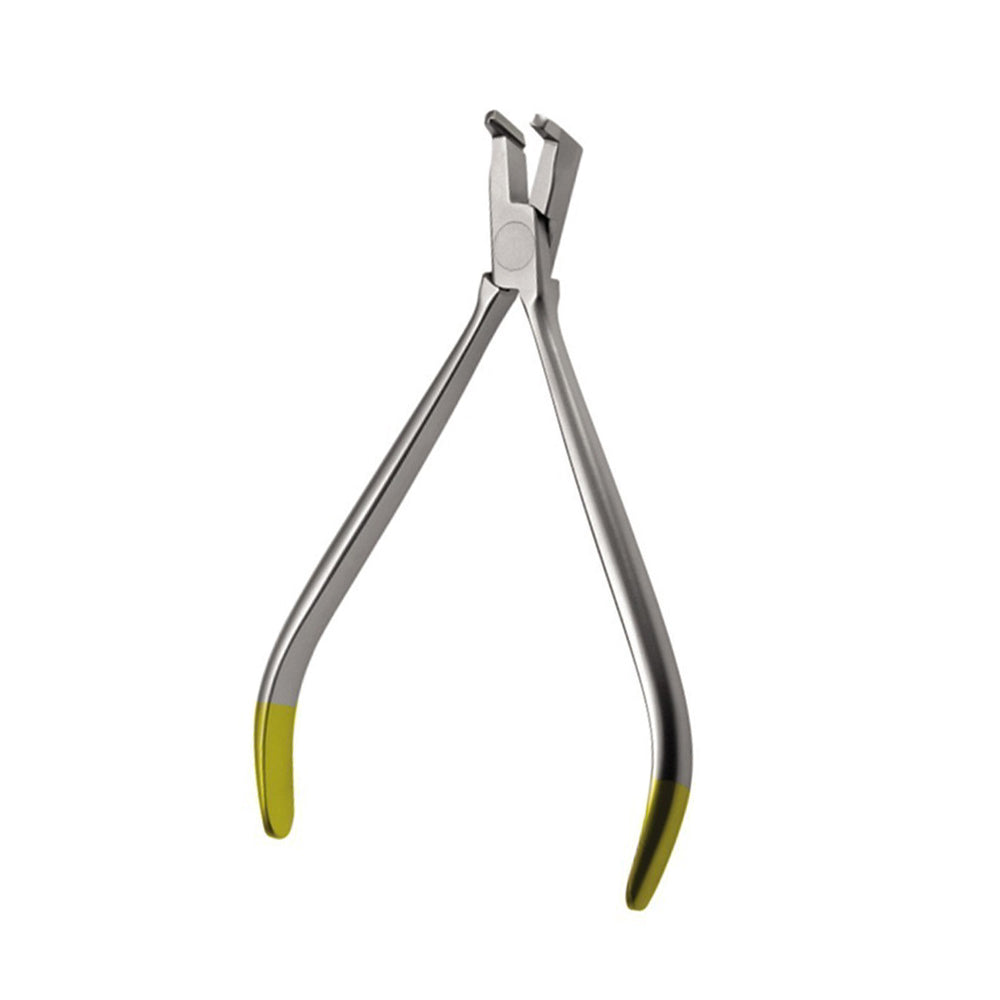
The clinical requirement for safe, flush, and efficient archwire trimming. The Distal End Cutter is a specialized orthodontic instrument engineered to solve the primary challenge of distal archwire management: achieving a clean cut while ensuring the terminal wire fragment does not become a loose hazard. Featuring a precision-engineered wire-holding safety mechanism and ground-cutting edges, this instrument acts as a mechanical necessity for the orthodontic clinician, ensuring that every trim is performed with absolute control and patient safety.
The Distal End Cutter is the hallmark of safe orthodontic wire management. In the clinical setting, trimming the excess length of an archwire behind the molar tube is a routine but critical task; the ability to perform this cut while simultaneously “catching” the sharp wire segment is a mechanical necessity. This instrument acts as the mechanical necessity that achieves this, providing the safety control required to avoid mucosal damage and the cutting precision to ensure the archwire is perfectly flush.
At its core, the instrument is designed for reliability. The cutting edges are a mechanical necessity for consistency. At the same time, the safety-hold feature is a mechanical necessity for ensuring that loose wire fragments do not pose a risk to the patient. By optimizing the cutting sequence, the instrument improves procedural efficiency during routine adjustments and final finishing phases.
Built to exceed international benchmarks for orthodontic hardware, this cutter is a fully reusable, durable asset. It provides the mechanical reliability necessary to achieve successful, complication-free orthodontic outcomes.
Feature Specification
Instrument Type Distal End Cutter
Primary Function : Cut and Securely Hold Wire
Wire Capacity 0.012” (0.30 mm) to 0.021” x 0.025”
Material Base Surgical-Grade Stainless Steel
Safety Feature Built-in Wire-Hold Mechanism
Reprocessing Fully Autoclavable
Q: How does the wire-holding feature work?
A: Tension control is a mechanical necessity. The integrated mechanism applies gentle pressure to the wire segment at the exact moment of the cut, which is a mechanical necessity for capturing the fragment without it slipping.
Q: Can this handle both round and rectangular wires?
A: Yes. The cutting-edge geometry is a mechanical necessity; it is specifically designed to accommodate the varied dimensions of modern archwire materials without premature edge dulling.
Q: Is it suitable for use on NiTi wires?
A: Yes. The high-grade surgical steel is a mechanical necessity for maintaining performance across various wire alloys, including Nickel-Titanium and Stainless Steel.
Q: How should the instrument be maintained?
A: Proper cleaning is a mechanical necessity. Using an ultrasonic bath to clear the wire-hold mechanism of any debris after use is a mechanical necessity for smooth, reliable operation.
Q: What is the recommended sterilization protocol?
A: The high-grade metallurgy is a mechanical necessity for repeated autoclave use; it is fully rated to undergo standard high-vacuum steam cycles at 134°C (273°F).
