Featured Collection
Your cart
Featured Collection

PEAK SURGICAL
SKU:PS-7506
Couldn't load pickup availability
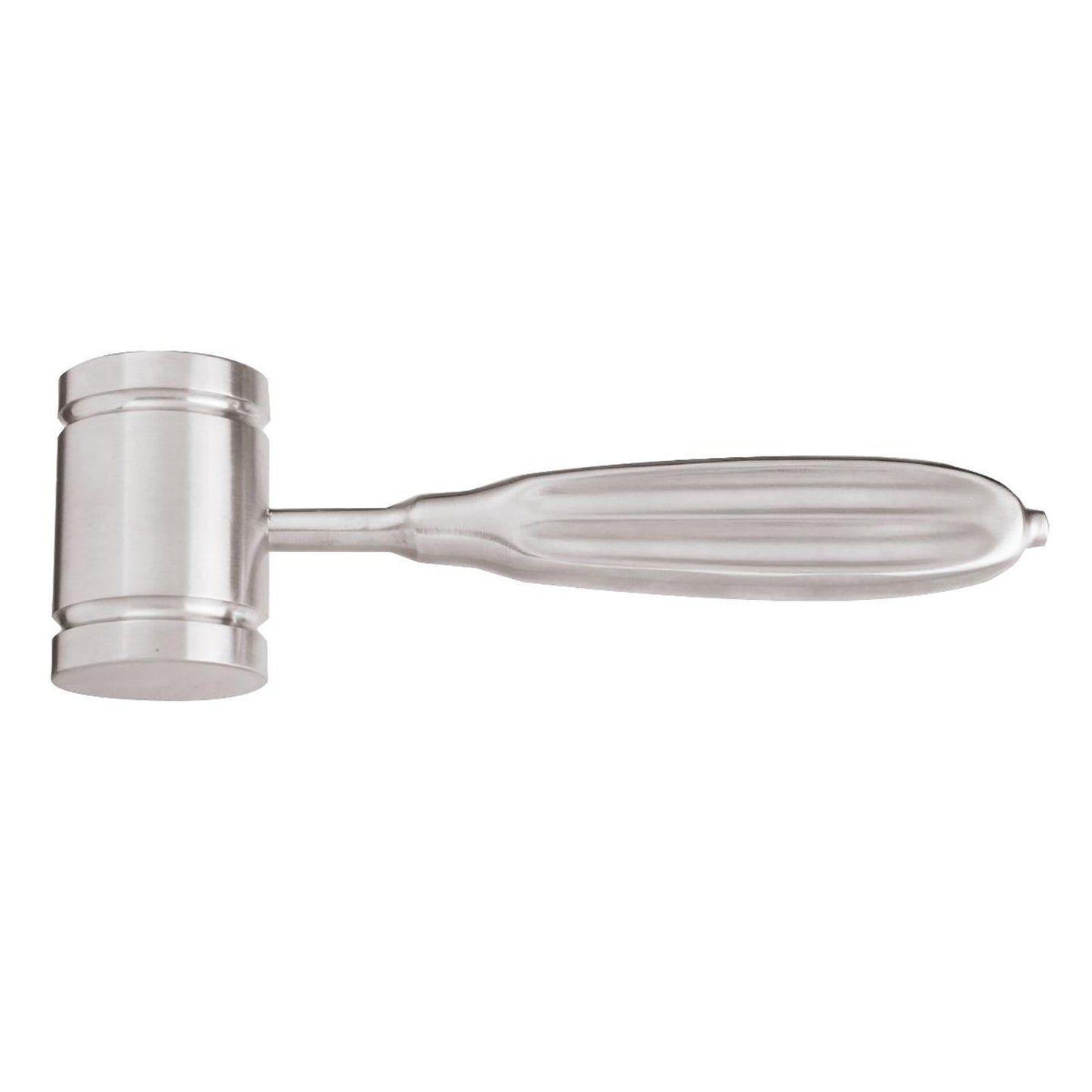
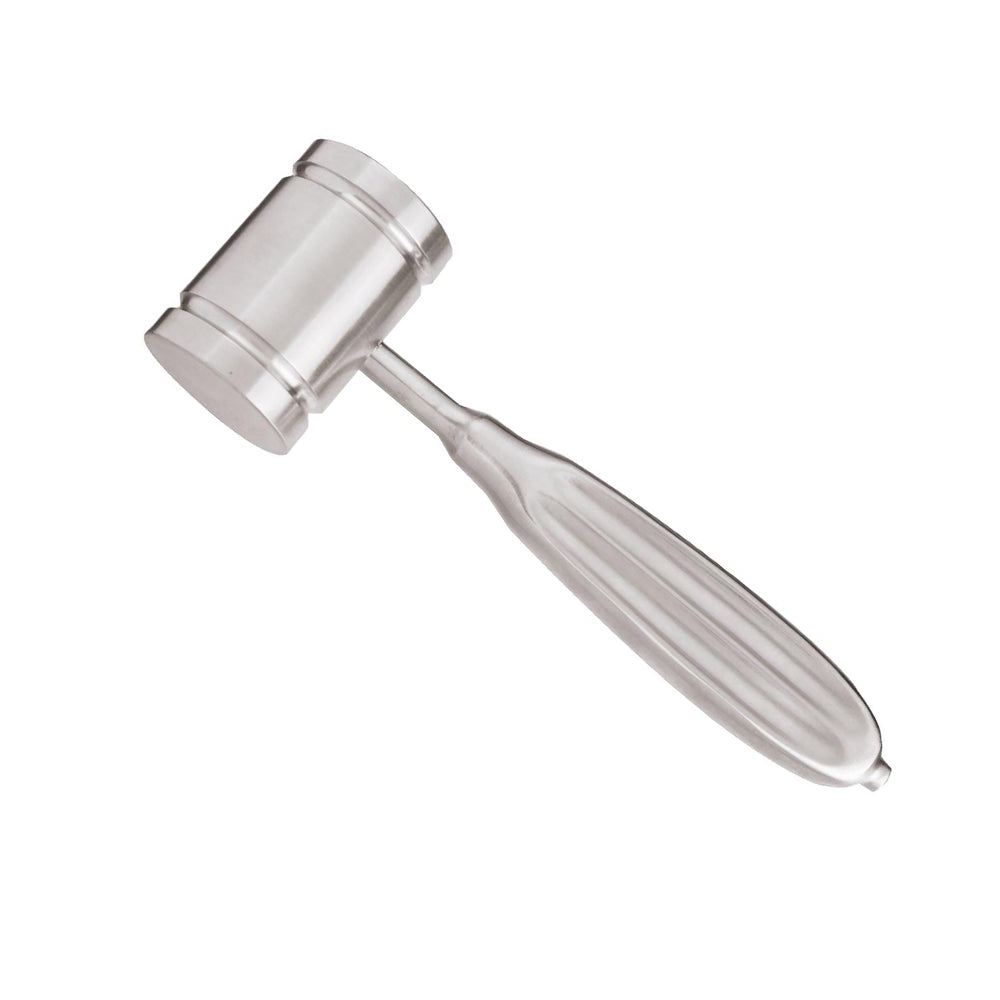
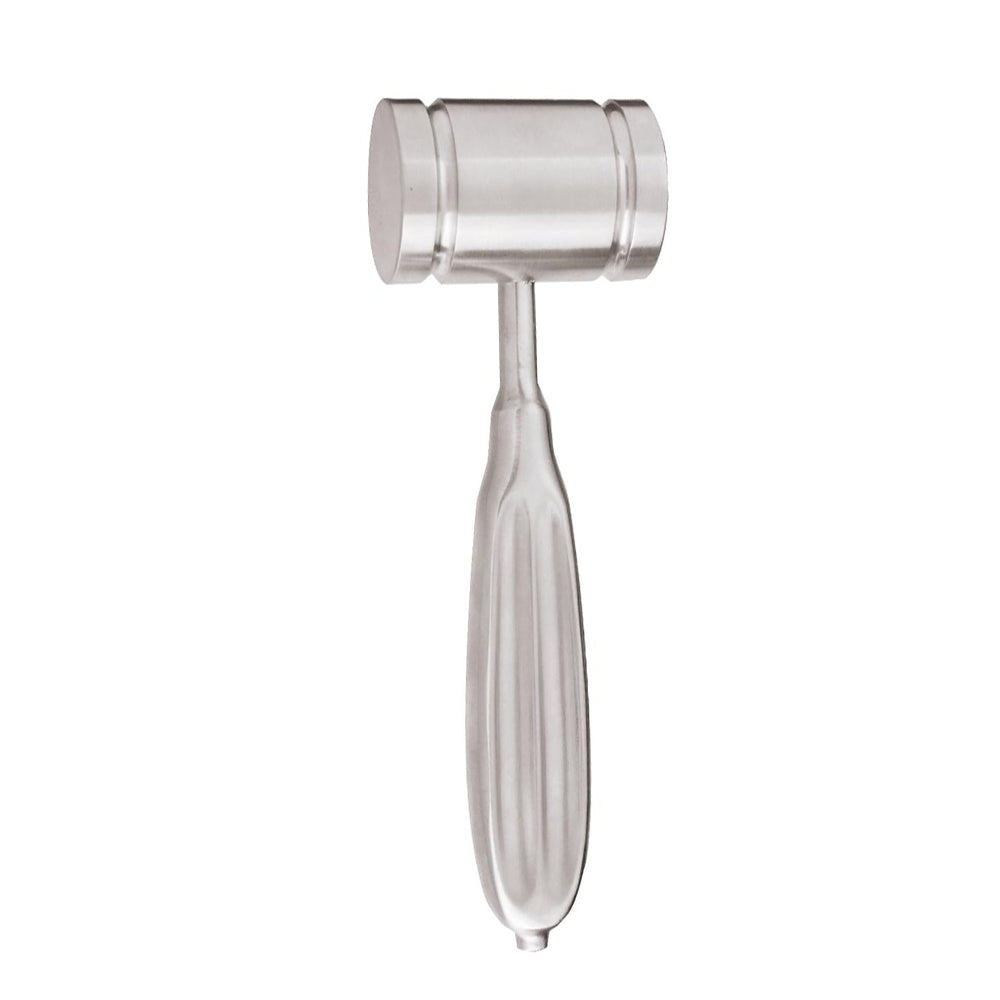
Crane Mallet, SKU PS-7506, is a German stainless steel surgical hammer designed for controlled impact delivery to osteotomes, chisels, gouges, bone tamps, rasps, and orthopedic striking instruments during bone preparation and reconstruction workflows. The available size variants are 32mm and 38mm, allowing selection between a more compact head for lighter controlled tapping and a broader striking face for increased contact during heavier bone instrument activation. The instrument has a cylindrical metal head, straight neck, fluted handle, balanced shaft transition, smooth stainless steel body, and reusable Class I construction for operating room use. It is used during orthopedic osteotomy, bone chisel work, cancellous bone preparation, bone graft seating, fracture reconstruction, joint reconstruction, maxillofacial bone refinement, post-mortem bone access, veterinary orthopedic repair, and small-bone contouring. Orthopedic surgeons, trauma teams, oral and maxillofacial surgeons, podiatric surgeons, veterinary surgeons, hospitals, clinics, teaching centers, and distributors can place this mallet in reusable hammer and osteotome trays requiring CE, ISO 13485, and FDA-compliant procurement documentation.
The Crane Mallet uses a cylindrical stainless steel head to deliver measured impact to the handle of an osteotome, chisel, gouge, rasp, or tamp. The round head profile provides a broad striking surface, helping the operator contact the receiving instrument without the edge-focused impact produced by narrow hammers. Force travels from the fluted handle through the straight neck into the head, allowing the surgeon or assistant to control strike rhythm, direction, and intensity. The 32mm head is suited to controlled tapping where field size and fine instrument advancement are important. The 38mm head provides a wider impact surface when a stronger contact area is needed for larger osteotomes, bone tamps, or chisels. The fluted handle improves orientation in gloved hands and supports repeatable short-stroke tapping. This mechanism supports controlled tap, pause, inspect, and continue movement during bone preparation, rather than uncontrolled percussion across the operative field.
In orthopedic workflow, Crane Mallet is introduced after exposure, soft-tissue protection, instrument selection, and positioning of the osteotome, chisel, gouge, rasp, or tamp have defined the target bone work. During osteotomy, the mallet advances the cutting instrument through planned cortical or cancellous bone lines while the surgeon monitors alignment and depth. In fracture reconstruction, it can support bone edge refinement, graft seating, and controlled tamping around prepared surfaces. In joint reconstruction and revision procedures, the mallet assists light to moderate impaction of selected bone instruments when precise strike direction is needed. Oral and maxillofacial teams can use the same impact principle for localized facial bone contouring after exposure and tissue protection. Veterinary orthopedic teams select the instrument for companion-animal bone reconstruction when the head size matches the operative field. After each strike sequence, the operator reassesses instrument position, bony response, reduction status, irrigation need, and readiness for the next stage.
The 32mm Crane Mallet is selected when the surgical team needs a compact striking head for controlled osteotome tapping in smaller operative corridors. This size is useful in hand, foot, podiatric, small-fragment, maxillofacial, and veterinary procedures where a larger head could crowd retractors or obscure the target instrument handle. The 38mm option is selected when a broader impact surface is required for stronger contact against larger chisels, gouges, tamps, and orthopedic osteotomes. It supports cases where increased head diameter improves contact stability during repeated tapping. Both sizes use the same reusable mallet concept, German stainless steel construction, and Class I surgical instrument classification. Selection depends on operative depth, instrument handle size, required strike force, surrounding retractor position, and whether compact access or broader impact contact is the priority. Hospitals can stock both sizes in orthopedic hammer sets, osteotome trays, trauma carts, post-mortem instrument groups, and veterinary surgical inventories.
German stainless steel provides the rigidity, corrosion resistance, and dimensional stability required for repeated surgical impact use, operating room handling, cleaning chemistry, and steam sterilization cycles. The available finish options are satin, dull, and mirror, allowing facilities to match tray appearance and surgical lighting preferences. Satin and dull surfaces reduce glare under overhead lamps, while mirror finish supports receiving inspection, count verification, and instrument set assembly. After surgery, the cylindrical head, striking surfaces, neck transition, fluted handle recesses, and grip surfaces require prompt cleaning so blood, tissue residue, bone dust, marrow material, and processing debris do not dry on the instrument. Standard reprocessing includes rinsing, manual brushing, ultrasonic cleaning when approved by facility protocol, washer-disinfector treatment, drying, surface inspection, packaging, and steam autoclave sterilization. CE marking, ISO 13485 manufacturing controls, and FDA procurement context support Class I reusable instrument purchasing for hospitals, clinics, distributors, and operating room supply teams. MOQ of one piece supports replacement ordering and tray replenishment.
| SKU | PS-7506 |
|---|---|
| Product Name | Crane Mallet |
| Price | $19.80 |
| Size/Gauge Variants | 32mm and 38mm |
| Instrument Category | Surgical hammer and orthopedic Crane mallet |
| Procedure | Orthopedic osteotomy, bone chisel work, cancellous bone preparation, bone graft seating, fracture reconstruction, joint reconstruction, maxillofacial bone refinement, post-mortem bone work, veterinary orthopedic repair |
| Material | German stainless steel |
| Finish | Satin, dull, or mirror finish |
| Sterilization | Reusable instrument compatible with hospital steam autoclave sterilization workflow |
| Instrument Classification | Class I surgical instrument |
| Reusable | Yes |
| Certifications | CE, ISO 13485, FDA |
| Warranty | 1 year |
| MOQ | 1 piece |
| OEM / Custom Orders | OEM available for procurement and distributor requirements |
| After-Sale Service | Return and replacement support |
How does Crane Mallet differ from Cottle Mallet?
Crane Mallet is selected for orthopedic, maxillofacial, post-mortem, and veterinary bone work where a cylindrical stainless head is required for osteotome, chisel, gouge, or tamp activation. Cottle Mallet is more commonly selected for ENT, rhinoplasty, septoplasty, and fine facial bone tapping. The Crane pattern provides 32mm and 38mm head options for broader orthopedic striking selection. The Cottle pattern is usually more compact for restricted nasal and facial access. Crane Mallet is suited to reusable hammer sets where the surgical team needs a metal striking head for bone instrument activation. The clinically relevant difference is orthopedic impact range versus rhinoplasty-focused fine osteotome tapping.
When should the 32mm or 38mm Crane Mallet be selected?
Crane Mallet is available in 32mm and 38mm head sizes. The 32mm model is selected when the operative field requires compact access, lighter impact control, and precise contact with smaller osteotomes or chisels. It is useful in hand, foot, podiatric, maxillofacial, small-fragment, and veterinary bone procedures. The 38mm model is selected when a wider striking surface is needed for larger osteotomes, gouges, tamps, or orthopedic bone instruments. The broader head helps distribute contact during repeated tapping. Selection depends on instrument handle size, surgical exposure, required strike force, and the amount of clearance around retractors and adjacent hardware.
How do CE, ISO 13485, and FDA details support procurement?
Crane Mallet is supplied with CE, ISO 13485, and FDA procurement context for Class I reusable surgical instrument purchasing. CE marking supports conformity documentation for healthcare markets requiring European medical device references. ISO 13485 indicates manufacturing under a medical device quality management system with controlled production and traceability. FDA procurement context supports hospitals, clinics, and distributors serving United States surgical instrument supply channels. These details assist tender submissions, vendor onboarding, operating room inventory approval, and distributor catalog documentation. The $19.80 price, one-piece MOQ, OEM availability, and one-year warranty support replacement ordering and reusable orthopedic tray assembly.
How are the cylindrical head and fluted handle used intraoperatively?
The cylindrical head is aligned with the handle of an osteotome, chisel, gouge, rasp, or bone tamp after the working instrument has been positioned on the selected bony target. The surgeon or assistant holds the fluted handle with stable palm control and delivers short measured taps. The head transfers controlled impact into the receiving instrument while the operator maintains direction and rhythm. Crane Mallet is used when strike control is required around retractors, clamps, suction, bone-holding forceps, and exposed fixation sites. The fluted handle helps maintain orientation during repeated tapping. After each sequence, the surgeon reassesses instrument alignment, bony movement, reduction quality, and readiness for the next procedural step.
What should sterile processing and supply teams check before reuse?
Sterile processing teams should clean Crane Mallet immediately after surgery so blood, tissue residue, bone dust, marrow material, and procedure debris do not dry on the head, neck, handle flutes, or striking surfaces. The head-to-neck transition and handle recesses should be brushed during manual cleaning because residue can remain along these areas. Ultrasonic cleaning, washer-disinfector treatment, drying, inspection, packaging, and steam autoclave sterilization are performed according to facility protocol. Supply teams should confirm the head is secure, the striking surfaces are intact, and the handle has no deformation before tray assembly. Hospitals can assign this mallet to orthopedic, trauma, maxillofacial, post-mortem, veterinary, and teaching instrument sets. Distributors can use the one-piece MOQ, carton-box packing, OEM availability, and return or replacement service for practical inventory planning.