Featured Collection
Your cart
Featured Collection

PEAK SURGICAL
SKU:PS-7501
Couldn't load pickup availability
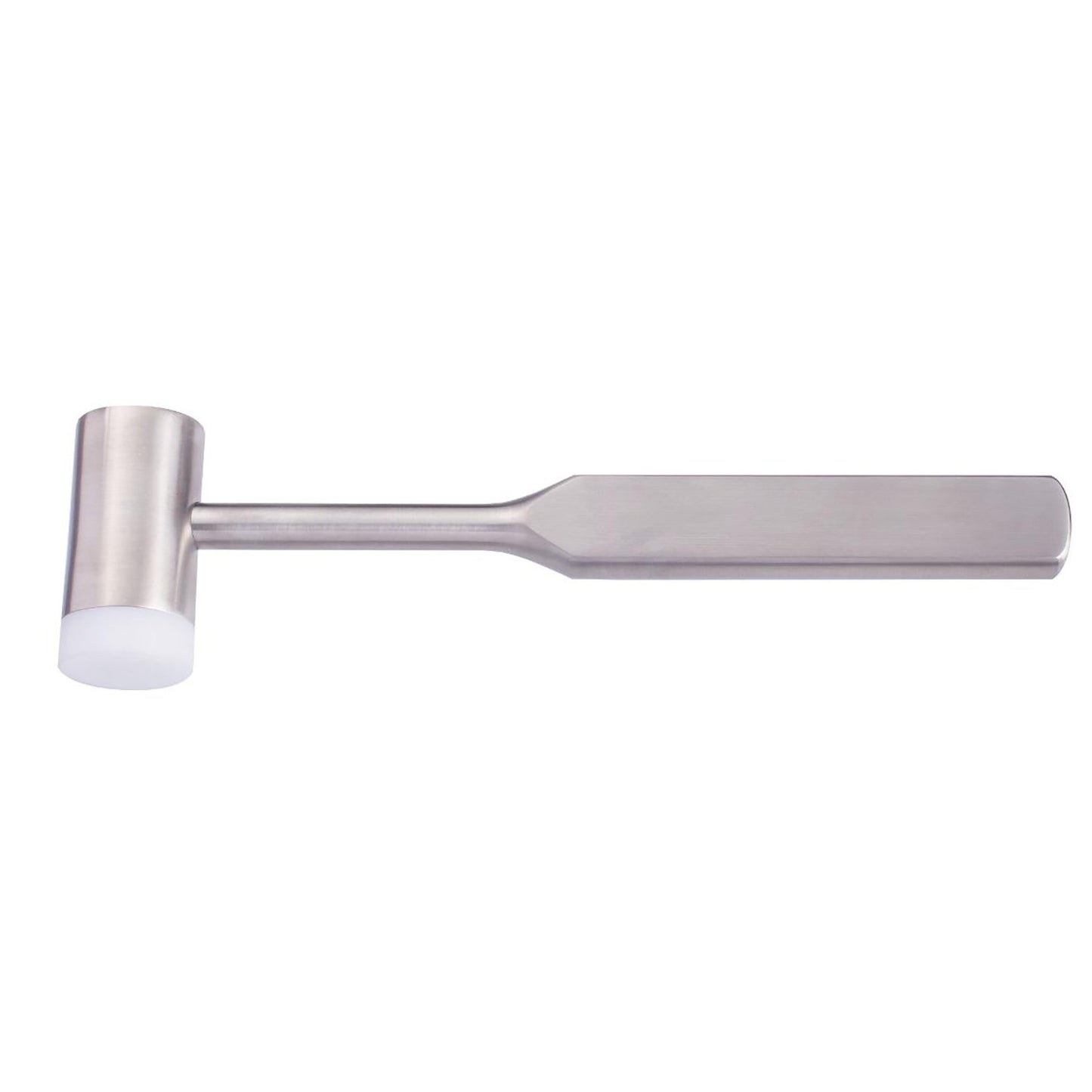
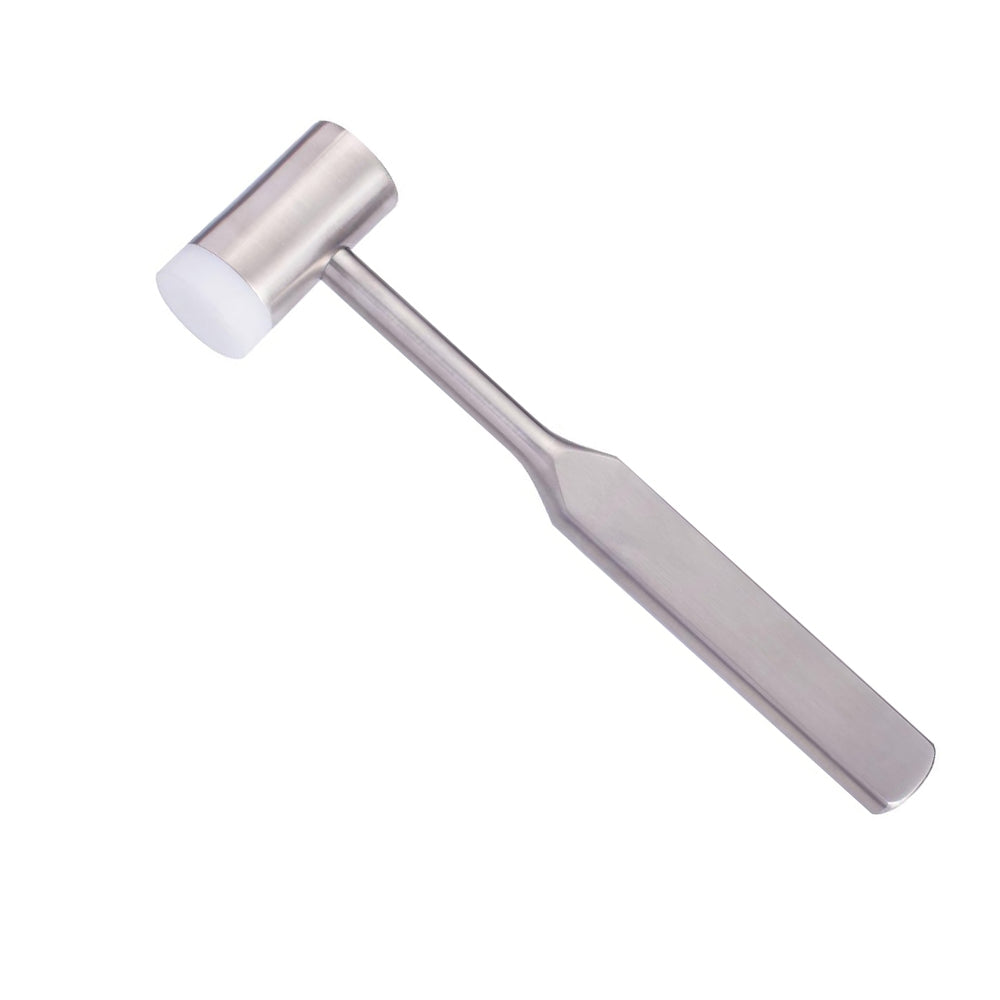
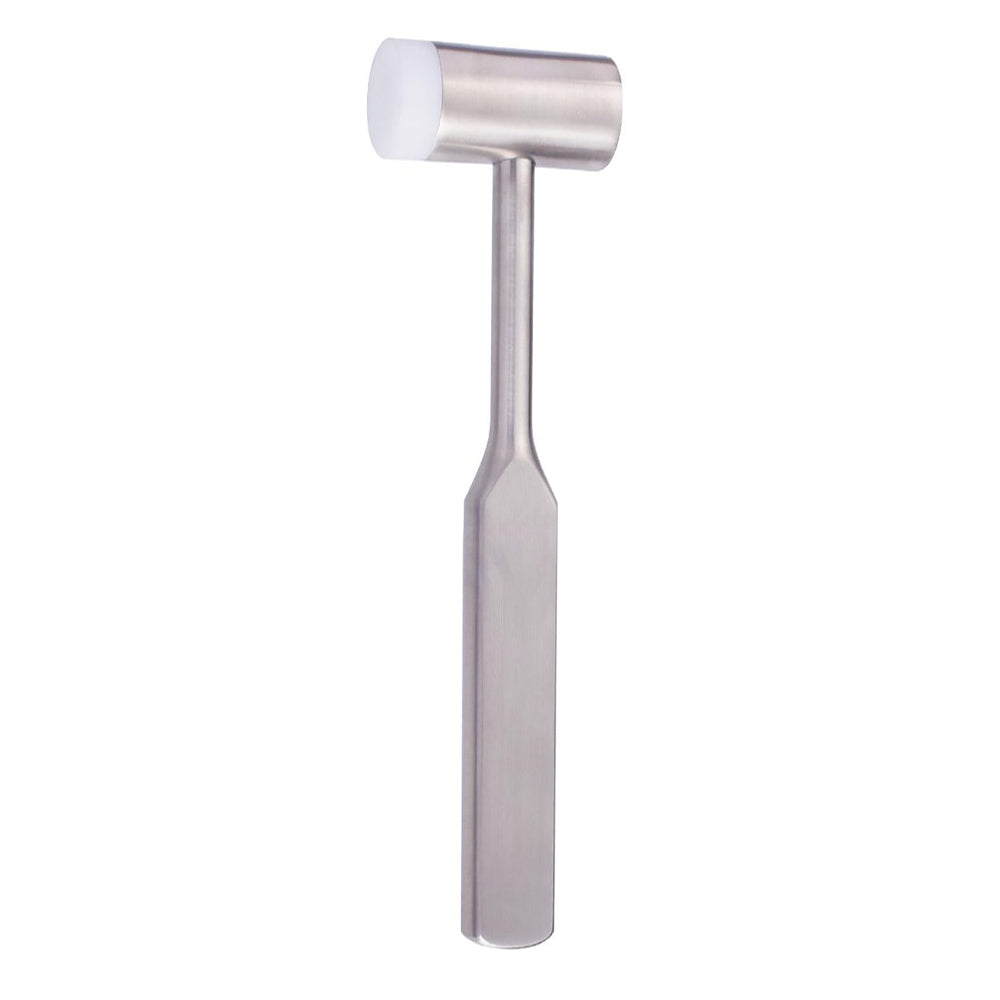
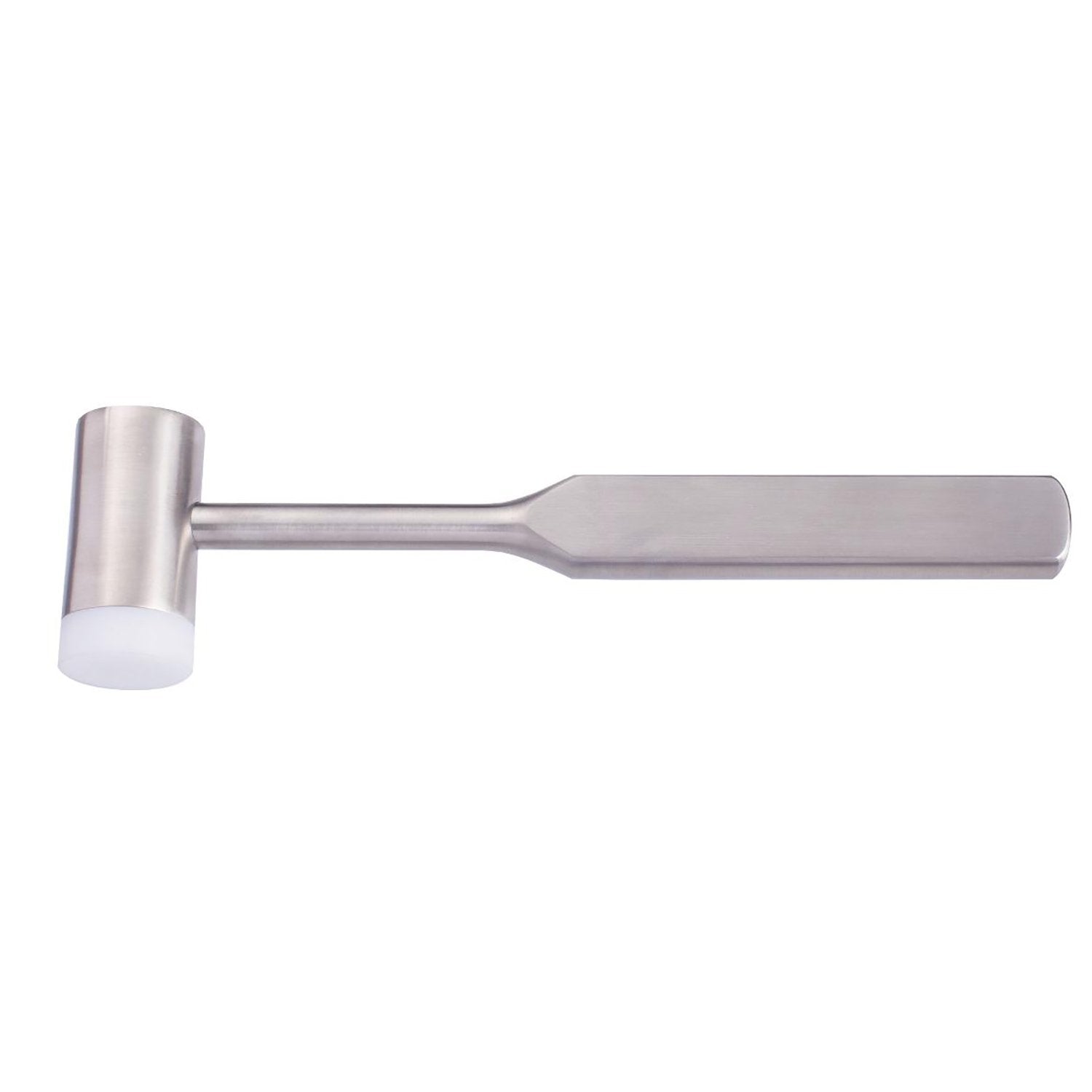
Cottle Mallet, SKU PS-7501, is a German stainless steel surgical hammer designed for controlled impact delivery to osteotomes, chisels, gouges, nasal rasps, and bone-contouring instruments during ENT, plastic surgery, orthopedic, post-mortem, and veterinary procedures. The single listed model is PS-7501, supplied as a reusable Class I hammer for operating room and surgical support trays. The instrument has a cylindrical striking head, visible polymer impact face, straight neck, flat rectangular handle, balanced shaft transition, and smooth stainless steel body for controlled tapping during bone and cartilage work. It is used during rhinoplasty nasal osteotomy, septoplasty, septorhinoplasty, maxillofacial bone refinement, nasal hump reduction, bony vault mobilization, small-bone osteotomy, cartilage graft shaping, post-mortem craniofacial work, and veterinary facial or small-bone reconstruction. ENT surgeons, facial plastic surgeons, oral and maxillofacial teams, orthopedic surgeons, forensic pathology departments, veterinary surgical teams, hospitals, clinics, teaching centers, and distributors can place this mallet in reusable instrument sets requiring CE, ISO 13485, and FDA-compliant procurement documentation.
The Cottle pattern works by transferring controlled hand force through a straight handle into a cylindrical striking head. The rounded head geometry allows the operator to deliver measured taps to an osteotome, chisel, gouge, or rasp handle without the broad swing required by larger orthopedic hammers. The visible polymer impact face provides a focused striking surface for repeated tapping while reducing direct metal-on-metal contact against selected instrument handles. The stainless head body adds weight for controlled impulse, and the straight neck keeps the force line aligned with the target instrument. The flat rectangular handle supports stable palm and finger orientation, allowing the surgeon to control direction, rhythm, and tap intensity during fine bone work. This design is especially relevant in nasal osteotomy because the surgeon often works through restricted exposure where excessive strike force can alter the fracture line. The instrument supports repeatable tap, pause, reassess, and continue movement during delicate osteotome advancement.
In rhinoplasty workflow, Cottle Mallet is introduced after exposure, dissection, marking, and osteotome positioning have defined the planned bony correction. During lateral nasal osteotomy, the mallet delivers controlled taps to the osteotome handle while the surgeon advances along the intended fracture path. During medial osteotomy and bony vault mobilization, the same measured impact helps initiate controlled bone movement without changing hand position around the nasal dorsum. In septoplasty and septorhinoplasty, it can support chisel or gouge use when bony septal spurs, maxillary crest irregularities, or localized nasal bone projections require reduction. In maxillofacial and small-bone work, the mallet assists osteotome-driven contour refinement after exposure and soft-tissue protection. Orthopedic and veterinary teams can use it for selected light bone-tapping tasks where a compact hammer is preferred over a heavy mallet. Each strike is followed by tactile assessment, visual inspection, irrigation when needed, and confirmation that the osteotome remains aligned with the surgical plan.
PS-7501 is selected when the procedure requires a compact surgical mallet for controlled tapping rather than high-force bone impaction. The cylindrical head provides a focused impact zone for osteotomes and chisels used in nasal, facial, and small-bone work. The visible polymer face is useful when the operator wants a defined contact surface against instrument handles during repetitive osteotomy advancement. The flat handle gives steady control in gloved hands and helps maintain striking direction when the assistant or surgeon works near suction, retractors, elevators, and nasal specula. This single-model pattern is appropriate for rhinoplasty trays, septoplasty sets, facial plastic surgery instruments, maxillofacial bone tools, post-mortem instrument kits, and veterinary craniofacial repair inventories. Procurement teams can specify the model when a reusable Cottle mallet is needed for osteotome tapping, chisel support, cartilage graft preparation, and light orthopedic hammer work in multidisciplinary surgical settings.
German stainless steel provides the rigidity, corrosion resistance, and dimensional stability required for repeated surgical impact use, hospital cleaning chemistry, and steam sterilization cycles. The available finish options are satin, dull, and mirror, allowing facilities to match surgical lighting and tray appearance preferences. Satin and dull surfaces reduce glare under operating lamps, while mirror finish supports receiving inspection, count verification, and set assembly. After use, the cylindrical head, polymer impact face, head-to-neck junction, handle edges, and flat grip surfaces require prompt cleaning so blood, tissue residue, bone dust, cartilage particles, and processing debris do not dry on the instrument. Standard reprocessing includes rinsing, manual brushing, ultrasonic cleaning when compatible with facility protocol, washer-disinfector treatment, drying, impact-face inspection, packaging, and steam autoclave sterilization according to hospital workflow. CE marking, ISO 13485 manufacturing controls, and FDA procurement context support Class I reusable instrument purchasing for hospitals, clinics, distributors, and operating room supply departments. MOQ of one piece supports replacement ordering and tray replenishment.
| SKU | PS-7501 |
|---|---|
| Product Name | Cottle Mallet |
| Price | $22.00 |
| Size/Gauge Variants | Single model PS-7501 |
| Instrument Category | Surgical hammer and Cottle mallet |
| Procedure | Rhinoplasty nasal osteotomy, septoplasty, septorhinoplasty, maxillofacial bone refinement, nasal hump reduction, small-bone osteotomy, cartilage graft shaping, post-mortem and veterinary craniofacial work |
| Material | German stainless steel |
| Finish | Satin, dull, or mirror finish |
| Sterilization | Reusable instrument compatible with hospital steam autoclave sterilization workflow |
| Instrument Classification | Class I surgical instrument |
| Reusable | Yes |
| Certifications | CE, ISO 13485, FDA |
| Warranty | 1 year |
| MOQ | 1 piece |
| OEM / Custom Orders | OEM available for procurement and distributor requirements |
| After-Sale Service | Return and replacement support |
How does Cottle Mallet differ from a Mead Mallet?
Cottle Mallet is a compact surgical hammer commonly selected for ENT, rhinoplasty, septoplasty, and facial bone work with osteotomes and chisels. Mead Mallet is commonly used in oral and maxillofacial or dental surgical workflows where stronger impact delivery may be required. The Cottle pattern uses a smaller balanced head and controlled handle profile for measured tapping in restricted nasal and facial exposure. The Mead pattern generally provides heavier strike behavior for dental extraction support, bone splitting, or oral surgery chisel work. Cottle Mallet is selected when the surgeon needs precision impact control rather than broad heavy striking force. The clinically relevant difference is compact rhinoplasty-focused tapping versus heavier oral surgery mallet impact.
When is the PS-7501 Cottle Mallet selected?
Cottle Mallet is supplied as the single PS-7501 model for reusable surgical tray planning. This format is selected when the surgical team needs a compact hammer for osteotome, chisel, gouge, or nasal rasp activation. The cylindrical head is appropriate for controlled tapping during rhinoplasty nasal osteotomy, septoplasty, septorhinoplasty, and small-bone contouring. The flat handle supports steady direction when the surgeon works around nasal retractors, elevators, suction, and osteotome handles. It is selected for ENT, facial plastic surgery, maxillofacial, orthopedic support, post-mortem, and veterinary instrument sets. Procurement teams can use the model number to standardize replacement ordering across mixed mallet and osteotome trays.
How do CE, ISO 13485, and FDA details support procurement?
Cottle Mallet is supplied with CE, ISO 13485, and FDA procurement context for Class I reusable surgical instrument purchasing. CE marking supports conformity documentation for healthcare markets requiring European medical device references. ISO 13485 indicates manufacturing under a medical device quality management system with controlled production and traceability. FDA procurement context supports hospitals, clinics, and distributors serving United States surgical instrument supply channels. These details assist tender submissions, vendor onboarding, operating room inventory approval, and distributor catalog documentation. The $22.00 price, one-piece MOQ, OEM availability, and one-year warranty support replacement orders and new ENT, plastic surgery, orthopedic, post-mortem, and veterinary tray assembly.
How are the cylindrical head and flat handle used intraoperatively?
The cylindrical head is aligned with the handle of an osteotome, chisel, gouge, or rasp after the cutting instrument has been positioned on the selected bony target. The surgeon or assistant holds the flat handle with a stable grip and delivers short controlled taps rather than broad swings. Repeated measured impact advances the osteotome through the planned nasal or small-bone path while tactile feedback is maintained. Cottle Mallet is especially useful when the operative corridor is restricted and striking direction must remain predictable. The visible impact face provides a defined contact surface during repetitive tapping. After each impact sequence, the surgeon reassesses instrument position, bone movement, fracture line control, and readiness for the next step.
What should sterile processing and supply teams check before reuse?
Sterile processing teams should clean Cottle Mallet immediately after surgery so blood, tissue residue, bone dust, cartilage particles, and procedure debris do not dry on the head, impact face, neck, or handle. The head-to-neck junction and flat handle edges should be brushed during manual cleaning because residue can remain along transitions. Ultrasonic cleaning, washer-disinfector treatment, drying, inspection, packaging, and steam autoclave sterilization are performed according to facility protocol. Supply teams should confirm the head is secure, the impact surface is intact, and the handle has no deformation before tray assembly. Hospitals can assign this mallet to ENT, rhinoplasty, septoplasty, plastic surgery, orthopedic support, post-mortem, veterinary, and teaching instrument sets. Distributors can use the one-piece MOQ, carton-box packing, OEM availability, and return or replacement service for practical inventory planning.