
Featured Collection
Your cart
Featured Collection

PEAK SURGICAL
SKU:
 CE Certified
 FDA Certified
 ISO Certified
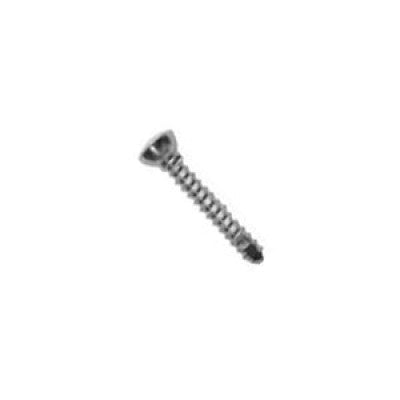
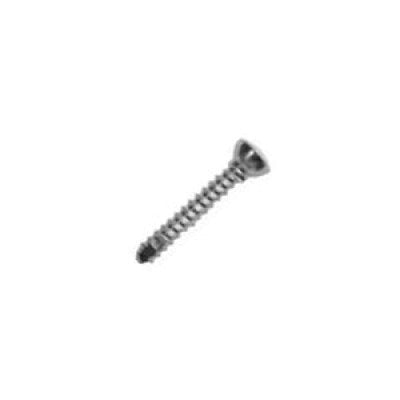
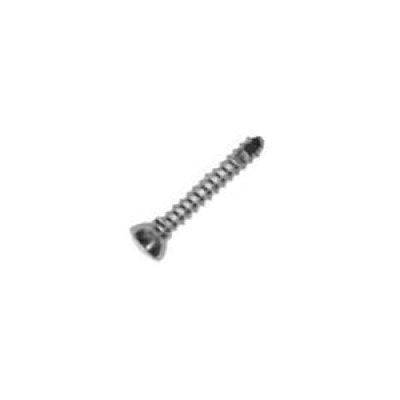
Cortex Bone Screw 2.4mm Self-Tapping Hex Head is a German-forged veterinary orthopedic screw designed for TPLO plate fixation, cortical bone purchase, small-fragment stabilization, and plate-screw fixation in canine orthopedic surgery. The available variants are Cortex Bone Screw 2.4mm Length 8mm Self-Tapping Hex Head, 10mm, 12mm, 14mm, 16mm, 18mm, 20mm, 22mm, 24mm, 26mm, 28mm, 30mm, 32mm, 34mm, 36mm, 38mm, and 40mm Self-Tapping Hex Head. The screw has a 2.4mm diameter, self-tapping cortical thread profile, pointed tip, and hex head drive interface for controlled insertion with compatible orthopedic drivers. It is used during TPLO procedures, canine knee plate fixation, small-fragment fracture repair, corrective osteotomy support, compression plating, neutralization plating, and veterinary trauma stabilization. Veterinary orthopedic surgeons, referral hospitals, small animal surgical teams, teaching laboratories, distributors, and procurement teams use this screw range in TPLO and orthopedic implant trays where accurate diameter and length selection are required.
The 2.4mm self-tapping cortex screw profile is selected when the operative plan requires cortical fixation between fine 2.0mm systems and larger 2.7mm constructs. The cortical thread pattern engages prepared cortical bone through compatible veterinary orthopedic plate holes, while the self-tapping geometry can reduce a separate tapping step when bone quality and implant protocol support that workflow. The pointed tip enters the drilled path after depth measurement, and the hex head accepts a compatible screwdriver for controlled torque transfer, axial alignment, and final seating against the plate or bone surface. Correct driver fit is essential because incomplete engagement can damage the hex recess and reduce insertion control. During placement, the surgeon advances the screw gradually, monitors resistance, confirms head seating, and checks construct stability according to the fixation plan. The 2.4mm diameter supports compact TPLO and small-fragment applications where screw size must match the plate system and bone corridor.
Clinical use begins after radiographic planning, patient positioning, surgical exposure, osteotomy or fracture reduction, plate selection, drilling, and depth measurement. In TPLO procedures, Cortex Bone Screw 2.4mm Self-Tapping Hex Head is selected for compatible plate holes where cortical purchase is required around the canine tibial construct. The screw secures the plate after tibial plateau leveling and plate alignment have been established. In fracture repair, the screw can support compression plates, neutralization plates, bridging constructs, and selected small-fragment stabilization systems. It may also be used in corrective osteotomy support, periarticular fixation, and veterinary orthopedic trauma workflows where a 2.4mm cortical screw diameter is appropriate. The surgeon selects the correct length after measuring the prepared track and confirming near cortex, far cortex, plate thickness, screw trajectory, and desired purchase. Proper placement depends on compatible drill bits, depth gauges, hex drivers, reduction forceps, plate holders, bone quality, reduction stability, and the selected veterinary implant system.
The 8mm and 10mm variants are selected for shallow fixation points, compact bone corridors, smaller canine patients, and plate positions where limited working length is required. The 12mm, 14mm, 16mm, 18mm, and 20mm variants support common TPLO and small-fragment fixation needs where moderate cortical purchase is planned. The 22mm, 24mm, 26mm, 28mm, and 30mm options provide additional working length for deeper measured bone corridors or broader plate positions. The 32mm, 34mm, 36mm, 38mm, and 40mm variants are selected for longer confirmed trajectories within this screw family. Keeping the complete range in orthopedic inventory allows the surgical team to respond to intraoperative depth measurements without changing diameter or head style. Selection follows drill path, plate thickness, patient size, target cortex, far-cortex clearance, and final verification that the head seats properly against the plate.
German-forged stainless steel construction supports thread integrity, head geometry, shaft strength, and handling during orthopedic tray preparation. Before use, the surgical team should inspect the screw head, self-tapping tip, threads, and shaft for visible damage, contamination, deformation, or packaging concerns. The hex recess should remain clean and clearly formed so the driver seats fully during insertion. Implant handling should follow facility protocol for sterile transfer, sterilization status, tray organization, documentation, and single-patient surgical use. Procurement teams can standardize Cortex Bone Screw 2.4mm Self-Tapping Hex Head variants with compatible TPLO plates, compression plates, drill bits, depth gauges, hex screwdrivers, screw racks, and implant storage systems. CE marking, ISO 13485 certification, and FDA compliance support purchasing documentation for veterinary hospitals, distributors, teaching programs, and institutional buyers. The $3.30 price, OEM availability, carton-box packing, and return and replacement support help maintain orthopedic screw inventory for repeat case preparation.
| SKU | Not listed on product page |
|---|---|
| Product Name | Cortex Bone Screw 2.4mm Self-Tapping Hex Head |
| Price | $3.30 |
| Size Variants | 8mm, 10mm, 12mm, 14mm, 16mm, 18mm, 20mm, 22mm, 24mm, 26mm, 28mm, 30mm, 32mm, 34mm, 36mm, 38mm, and 40mm Self-Tapping Hex Head |
| Instrument Category | Veterinary orthopedic self-tapping cortex bone screw |
| Procedure | TPLO plate fixation, canine knee plate fixation, cortical bone purchase, small-fragment repair, compression plating, neutralization plating, corrective osteotomy |
| Diameter | 2.4mm |
| Head Type | Hex head |
| Thread Type | Self-tapping cortical thread profile |
| Material | German-forged stainless steel |
| Implant Handling | Use according to facility implant handling and sterilization protocol |
| Use Profile | Single-patient veterinary orthopedic implant use |
| Certifications | CE marked, ISO 13485 certified, FDA compliant |
| MOQ | 1 piece |
| OEM / Custom Orders | Available |
| After-Sale Service | Return and replacement support |
How is Cortex Bone Screw 2.4mm Self-Tapping Hex Head used in TPLO procedures?
Cortex Bone Screw 2.4mm Self-Tapping Hex Head is used when a compatible TPLO plate or orthopedic construct requires 2.4mm cortical screw fixation. After drilling and depth measurement, the surgeon selects the correct length, engages the hex head with a compatible driver, and advances the screw through the plate hole into the prepared cortical bone path. The self-tapping thread supports insertion after pilot preparation when the operative protocol allows direct advancement. The screw helps secure the plate around the canine knee joint according to the fixation plan. Final use depends on plate compatibility, patient size, bone quality, screw trajectory, and surgeon judgment.
Which screw length should be selected from the 8mm to 40mm range?
Screw length should be selected after intraoperative depth measurement and confirmation of plate thickness, bone diameter, and intended cortical purchase. Shorter 8mm to 12mm options support shallow fixation points and compact plate positions. The 14mm to 24mm options provide routine working lengths for many TPLO and small-fragment plate holes. Longer 26mm to 40mm lengths are selected for deeper bone corridors and larger patient anatomy. The surgeon should verify final seating and avoid unwanted protrusion beyond the planned cortex. Stocking the full range supports accurate screw selection during veterinary orthopedic procedures.
How does the self-tapping design differ from a standard cortex screw?
The self-tapping design includes tip geometry that can form threads during insertion after pilot hole preparation, depending on bone quality and surgical protocol. A standard cortex screw may require a separate tapping step when the system or bone density calls for it. Cortex Bone Screw 2.4mm Self-Tapping Hex Head is selected when the surgeon wants a 2.4mm cortical screw option with self-tapping behavior for compatible TPLO and plate fixation workflows. The advantage is workflow efficiency while maintaining controlled driver engagement. Drill size, driver fit, and insertion alignment remain central to final screw performance.
What driver is required for this screw?
This screw uses a hex head and requires a compatible hex screwdriver from the appropriate veterinary orthopedic instrument system. The driver should seat fully before torque is applied. Correct driver fit helps reduce slipping, head damage, and incomplete insertion control. During placement, the surgeon maintains axial alignment, advances the screw gradually, monitors resistance, and stops when the head seats properly against the plate or bone surface. The hex recess should be inspected before use for clean geometry and undamaged engagement surfaces.
What role does this screw serve in an orthopedic implant inventory?
Cortex Bone Screw 2.4mm Self-Tapping Hex Head provides a compact self-tapping cortical fixation option for TPLO plates, compression plates, small-fragment repair, corrective osteotomy, and veterinary trauma cases. It is stored with compatible plates, drill bits, depth gauges, hex screwdrivers, reduction forceps, screw racks, and implant trays. Stocking 8mm to 40mm lengths helps the surgical team match screw length to measured bone depth during orthopedic procedures. Procurement teams use this screw family to support predictable case preparation and replacement ordering.
