Featured Collection
Your cart
Featured Collection

PEAK SURGICAL
SKU:PS-9020
Couldn't load pickup availability
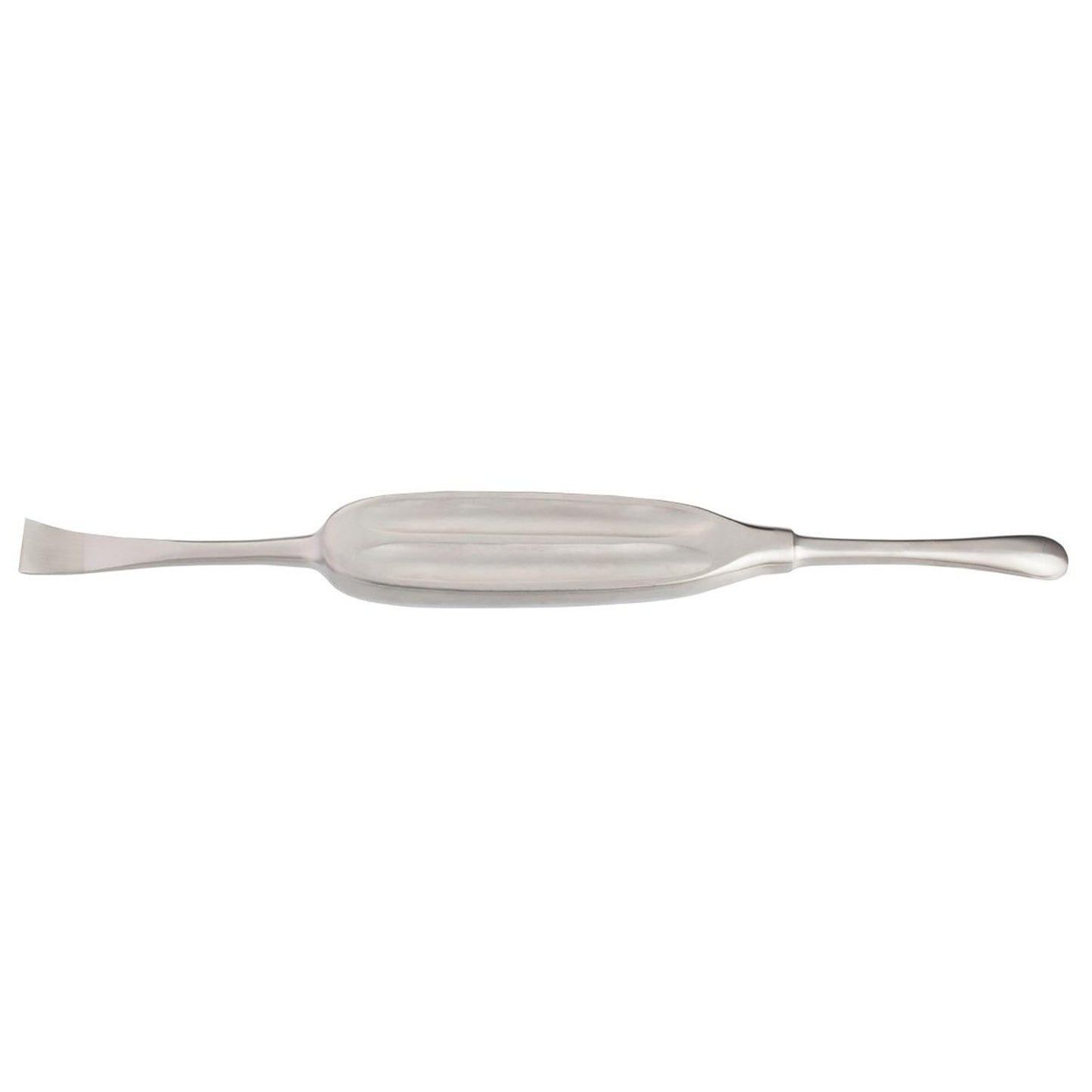
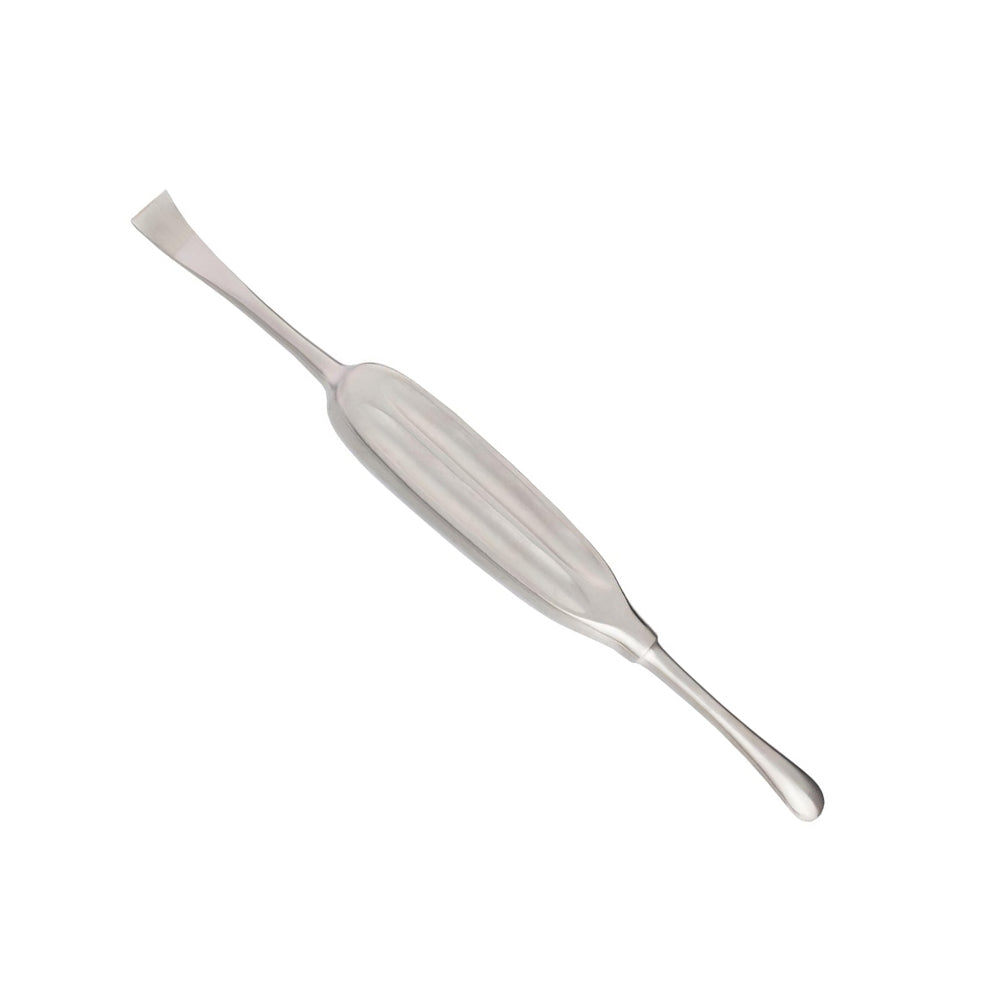
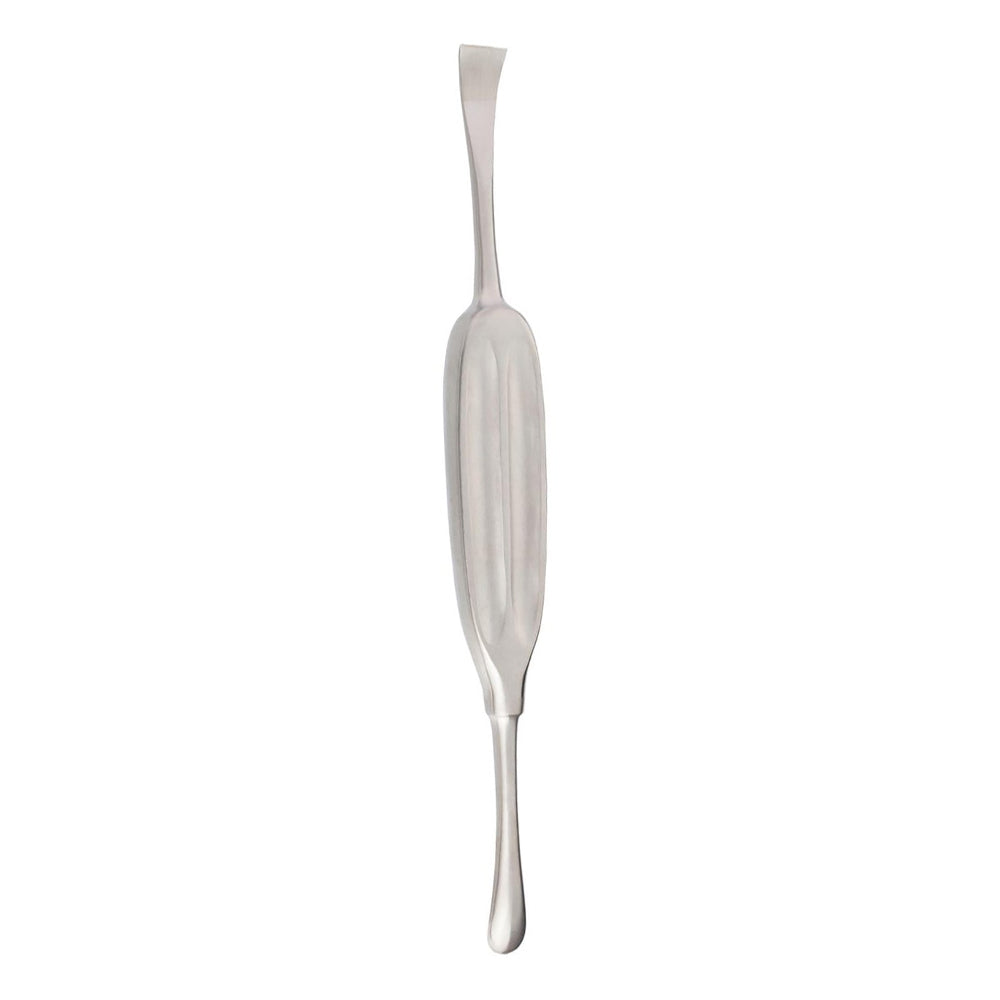
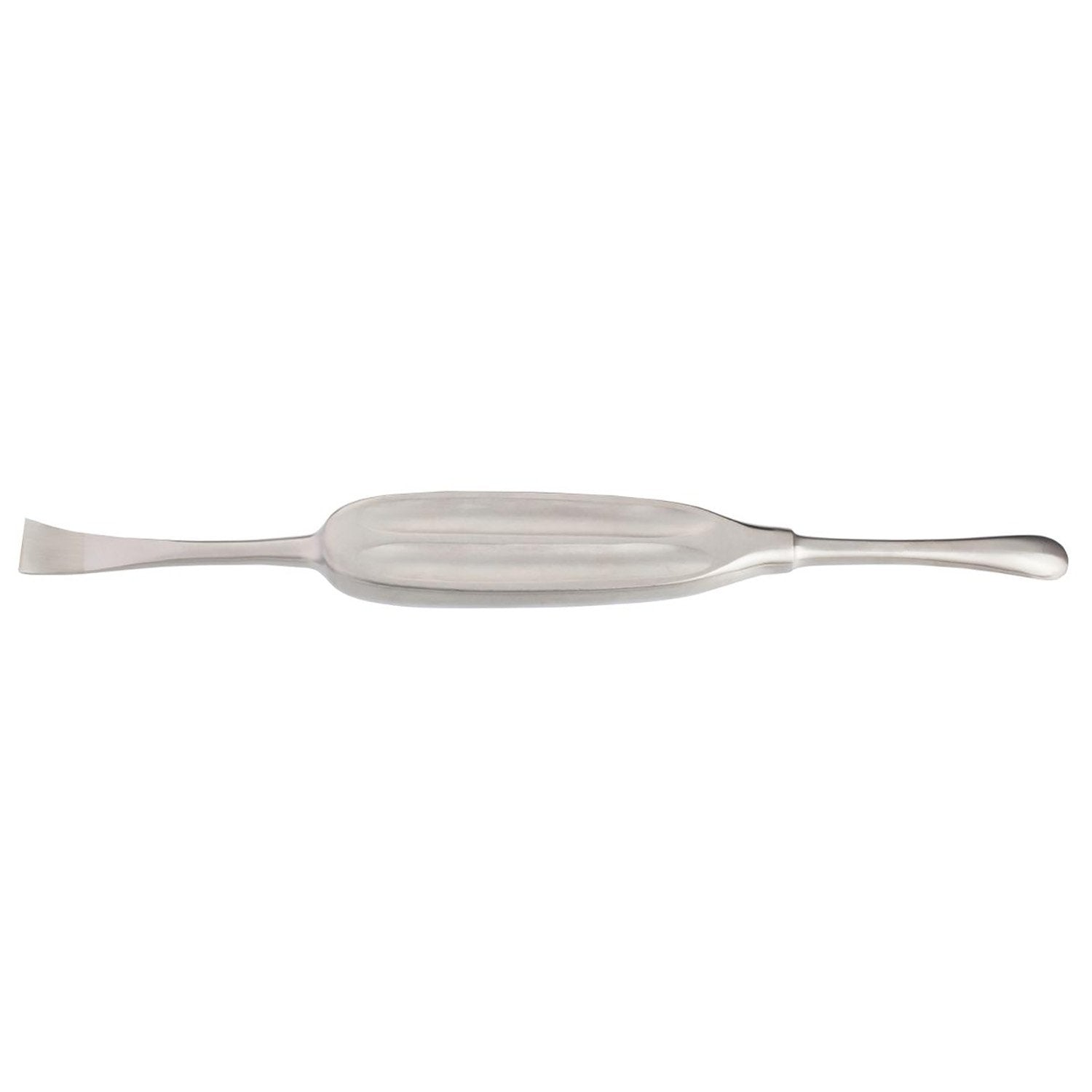
The Cameron Haight Periosteal Elevators are reusable surgical elevators designed for controlled periosteal and soft-tissue elevation from underlying bone surfaces. The Cameron-Haight pattern is used where a dedicated elevator is required to separate or mobilize tissue along a bone surface during surgical exposure.
The current Peak Surgicals model is identified as SKU PS-9020. It is manufactured from German stainless steel, is classified by Peak Surgicals within its orthopedic instrument range, and is available with selectable size and surface-finish options.
The primary function of a periosteal elevator is to assist with controlled separation of periosteum and attached soft tissue from the underlying bone. This provides a dedicated instrument for surgical procedures where exposure of a bone surface is required.
The amount and direction of tissue elevation should be determined by the operating surgeon according to the anatomy, tissue plane, and surgical approach.
The Cameron-Haight pattern is an established periosteal elevator design. Independent surgical instrument references classify Cameron-Haight instruments as reusable periosteal elevators used for soft-tissue elevation from bone, including use within cardiothoracic and rib-related instrument sets.
However, the current Peak Surgicals page does not specify the exact working-tip configuration, blade widths, or whether every available PS-9020 size uses the same double-ended design. Those specifications should therefore be confirmed before ordering rather than copied from another manufacturer's Cameron-Haight elevator.
Peak Surgicals specifically classifies PS-9020 as an Orthopedic Instrument and identifies the product type as an elevator. This makes the product relevant for orthopedic instrument inventories requiring periosteal elevation and bone-surface tissue separation.
The live product page does not identify a particular orthopedic procedure, anatomical location, or bone type for this exact model.
Established Cameron-Haight periosteal elevator patterns are also documented within cardiothoracic and rib elevator instrument ranges. They are used for controlled elevation of tissue from bone during procedures involving rib and thoracic surgical exposure.
This describes the broader Cameron-Haight pattern rather than an additional Peak Surgicals specification. The current PS-9020 page itself classifies the product primarily under orthopedic instruments and does not provide detailed thoracic procedural instructions.
The current Peak Surgicals specification confirms German stainless steel construction. The metallic structure provides the rigidity required for a manually operated periosteal elevator used during professional surgical procedures.
The exact stainless-steel alloy grade is not stated on the current product page. Hospitals, surgical centers, distributors, and procurement teams requiring a specific steel designation or supporting material documentation should confirm that information before ordering.
Peak Surgicals specifically identifies the Cameron Haight Periosteal Elevators as reusable. The instrument is intended for repeated professional use when properly cleaned, inspected, and reprocessed according to applicable manufacturer instructions and the healthcare facility's established procedures.
Before reuse, the working ends, shaft, handle, and any transition areas should be checked for deformation, corrosion, surface damage, or other conditions that could interfere with normal surgical use.
The live Peak Surgicals storefront provides a Size selector for PS-9020, indicating that selectable configurations are available.
The exact size values are not exposed in the currently accessible product information. Buyers requiring a particular overall length, tip width, or working-end profile should therefore confirm the selected configuration before ordering.
The current product specification lists satin, dull, and mirror finish options. These surface choices allow hospitals, surgical centers, distributors, and procurement teams to select a finish suitable for their instrument inventory.
If a particular surface finish is required, it should be confirmed when placing the order.
| Product Name | Cameron Haight Periosteal Elevators |
| SKU / Model Number | PS-9020 |
| Instrument Type | Periosteal Elevator |
| Pattern | Cameron Haight |
| Peak Classification | Orthopedic Instruments |
| Material | German Stainless Steel |
| Feature | Reusable |
| Primary Function | Periosteal and Soft-Tissue Elevation from Bone |
| Finish Options | Satin, Dull, Mirror |
| Size Options | Selectable – Exact Values Not Exposed on Current Page |
| Exact Overall Length | Not Specified on Current Product Page |
| Working-Tip Dimensions | Not Specified on Current Product Page |
| MOQ | 1 Piece |
The Cameron Haight Periosteal Elevators are relevant for orthopedic departments, hospitals, surgical centers, operating rooms, surgical instrument distributors, and procurement teams sourcing reusable periosteal elevators.
For accurate purchasing and inventory identification, buyers can reference SKU PS-9020, the Cameron-Haight pattern, German stainless-steel construction, and the required size and finish configuration. Buyers requiring exact overall length, working-tip dimensions, blade profile, or stainless-steel alloy grade should confirm those specifications before ordering because they are not stated on the current Peak Surgicals page.
They are periosteal elevators used for controlled separation and elevation of periosteum and soft tissue from underlying bone during appropriate surgical procedures.
The current Peak Surgicals SKU is PS-9020.
The current Peak Surgicals specification identifies German stainless steel. The exact alloy grade is not stated.
Yes. Peak Surgicals specifically lists PS-9020 as a reusable surgical instrument.
The live storefront includes a Size selector, but the exact selectable dimensions are not exposed in the current product information.
The current Peak Surgicals page does not provide exact tip width, blade geometry, or overall instrument length. These specifications should be confirmed before ordering if required.