
Featured Collection
Your cart
Featured Collection

PEAK SURGICAL
SKU:PS-GS-008
Couldn't load pickup availability
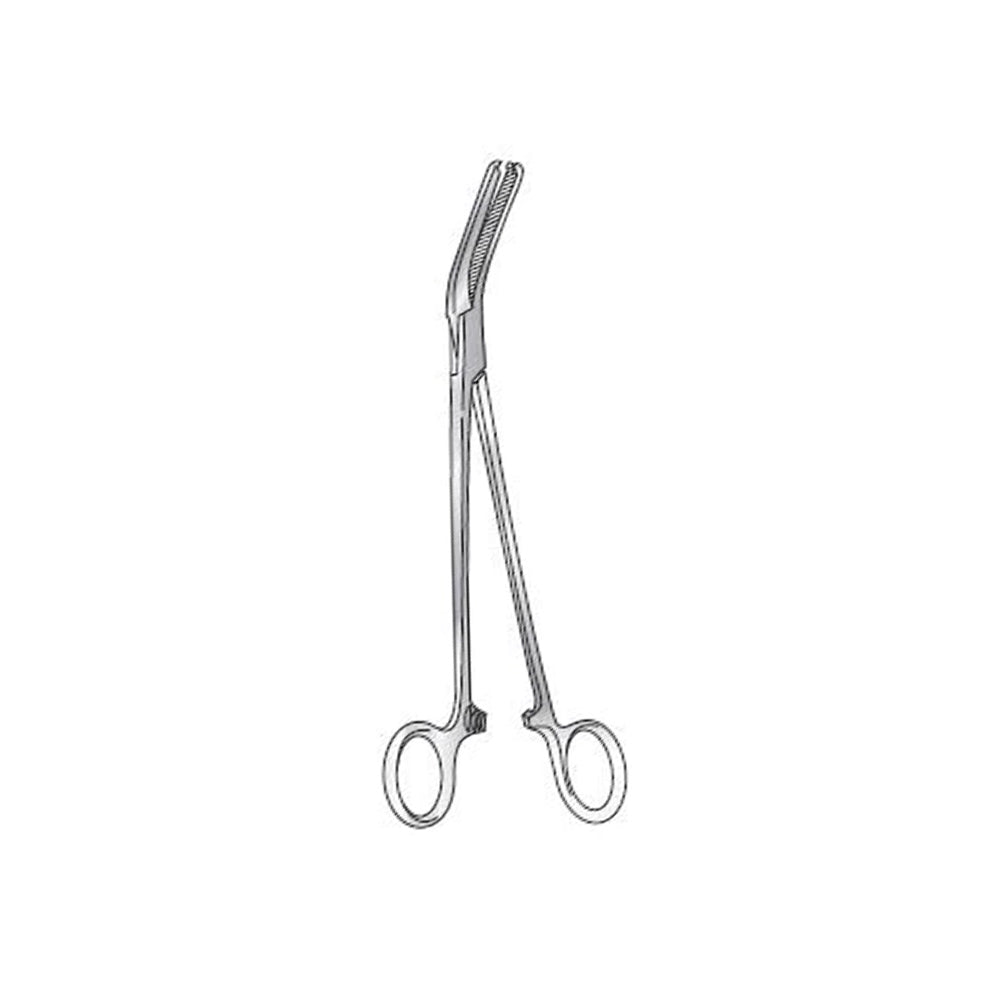
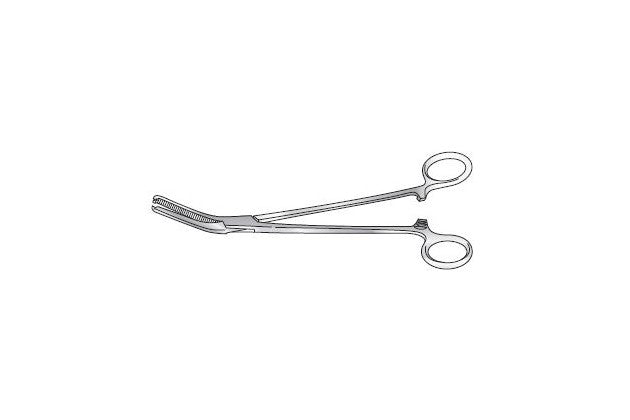
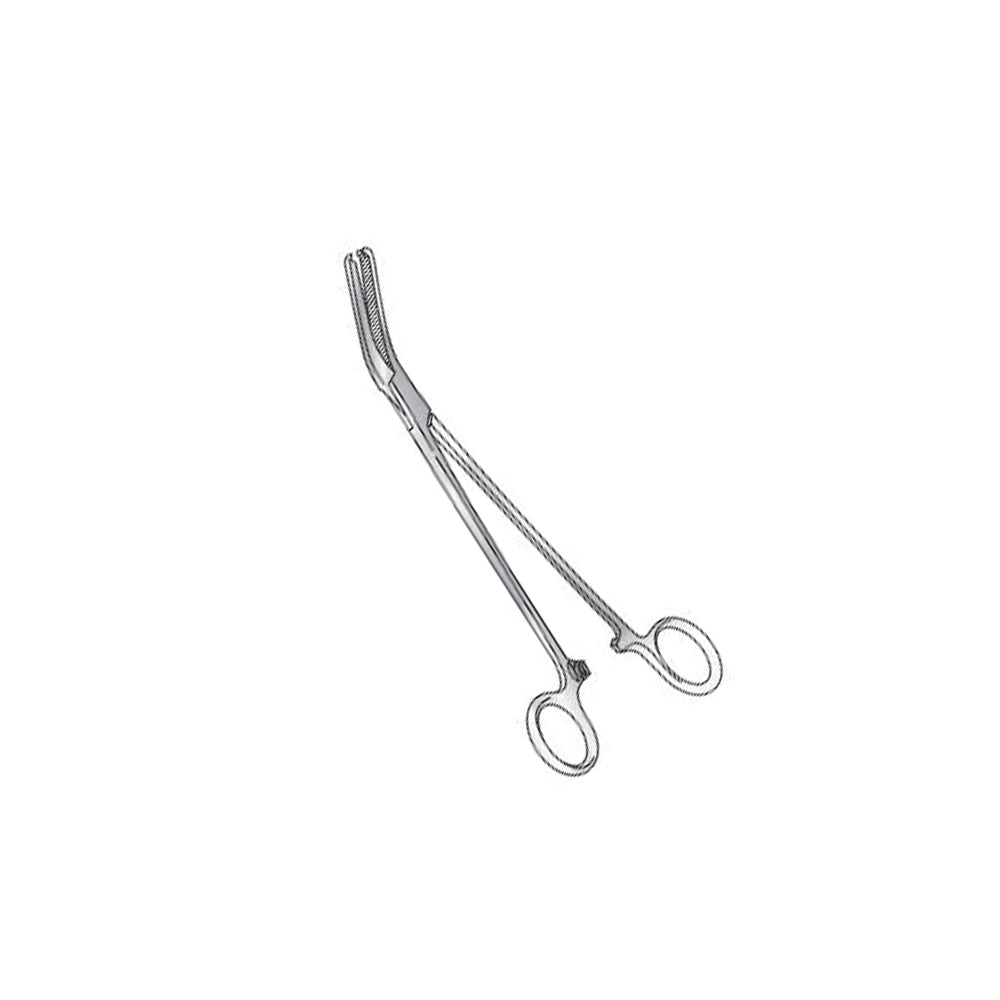
The professional standard for high-traction lateral pelvic stabilization. The Bonney Hysterectomy Forceps are specialized gynecological instruments engineered for the robust clamping of uterine ligaments and dense connective tissue. Featuring a 197mm (7 3/4") chassis and angled-on-flat jaws with a 1x2 tooth configuration, this tool acts as a mechanical necessity for surgeons requiring maximum grip in complex anatomical planes. The combination of longitudinal serrations and interlocking teeth ensures that heavy tissue pedicles are held with absolute security, providing the stable platform needed for safe dissection and hemostasis.
[Add to Cart – Professional Gynecology Series]
The Bonney Hysterectomy Forceps (197mm) are a vital asset for any gynecological surgical tray. Their primary utility lies in their "security in transition." During the mobilization of the uterus, the Bonney clamp provides a fail-safe occlusion of the parametrium and associated vascular structures. The angled-on-flat design is particularly advantageous when the line of dissection is not linear, allowing the instrument to hug the pelvic wall and provide superior access compared to straight or standard curved alternatives.
Built to exceed the rigorous standards of modern surgical centers, these forceps are fully autoclavable. The precision alignment of the 1x2 teeth ensures they meet perfectly without "scissoring," supporting the highest levels of procedural safety and clinical efficiency.
Feature Details
Material Premium Surgical-Grade Stainless Steel
Total Length 197mm (7 3/4 Inches)
Tip Profile 1x2 Interlocking Teeth
Jaw Style Angled-on-Flat / Serrated
Maintenance Fully Autoclavable / Reusable
Primary Use Cases:
Q: What is the specific advantage of the 1x2 tooth configuration?
A: Dense uterine ligaments are often difficult to hold with standard serrations. The 1x2 teeth pierce the tissue and interlock, creating a physical barrier that prevents the tissue from sliding forward or out of the side of the jaws when the clamp is tightened.
Q: How does "angled-on-flat" differ from standard curved forceps?
A: While curved forceps curve upward or downward, "angled-on-flat" forceps angle to the side while the instrument remains thin in the vertical plane. This allows the surgeon to slide the instrument into tight horizontal spaces in the pelvis without obstructing the view or pushing against adjacent organs.
Q: Are these forceps suitable for both abdominal and vaginal approaches?
A: Yes. The compact size and angled profile make them a versatile choice for both approaches, especially when working in deeper or more restricted anatomical areas where maneuverability is key.
Q: How do I maintain the precision of the 1x2 teeth?
A: Proper care is critical. Avoid using these forceps to grasp needles or other hard materials. Clean in an ultrasonic bath to remove all biological debris from between the teeth and serrations before autoclaving to ensure the instrument remains sterile and the joint remains fluid.
