
Featured Collection
Your cart
Featured Collection

PEAK SURGICAL
SKU:PS-Or_007
Couldn't load pickup availability
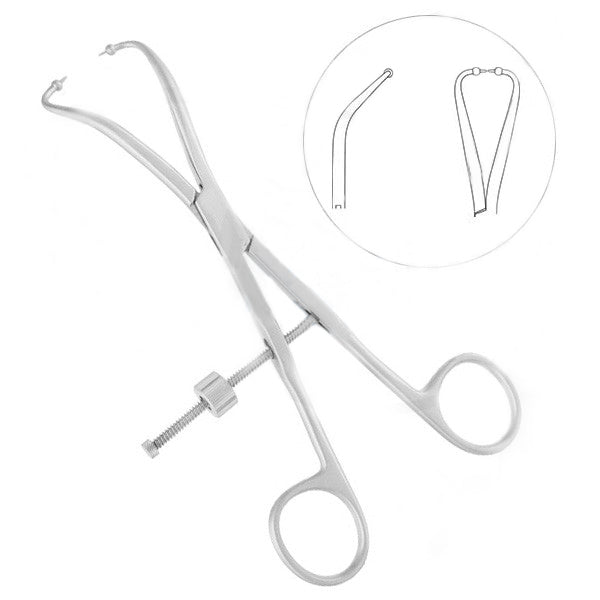
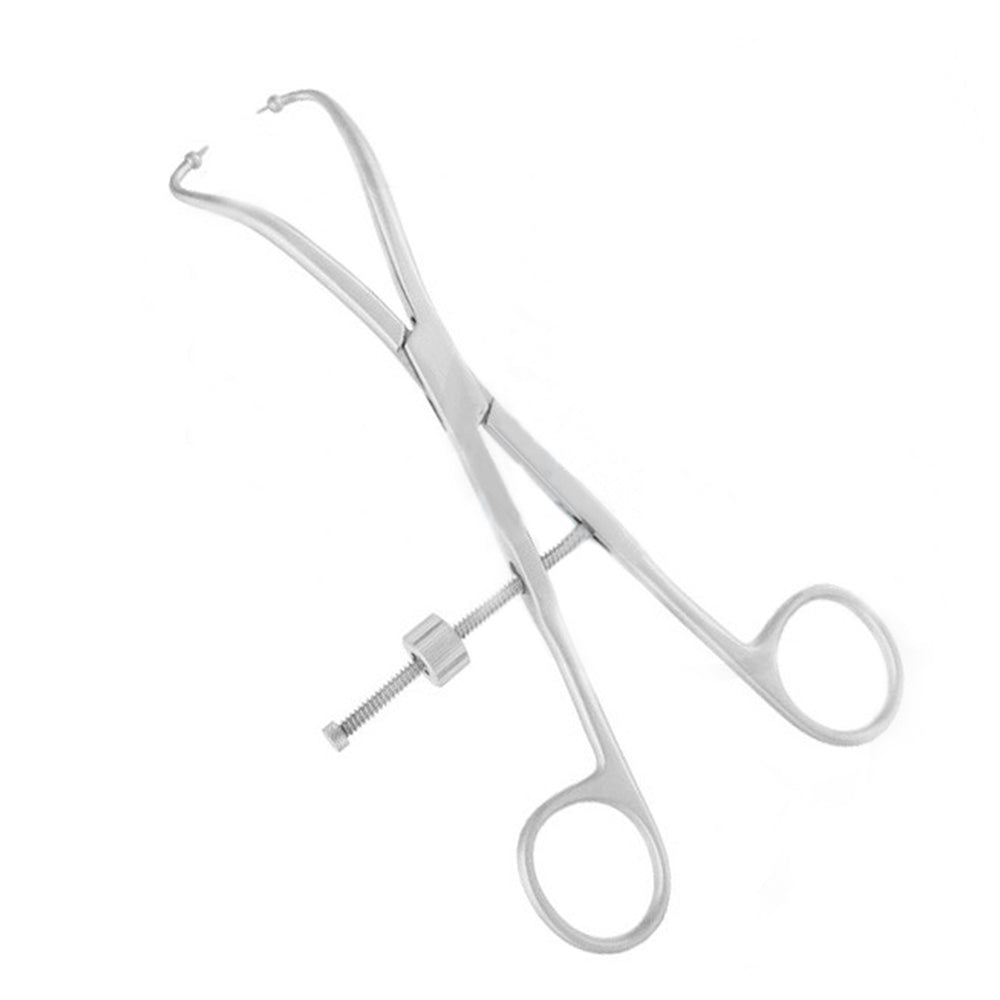
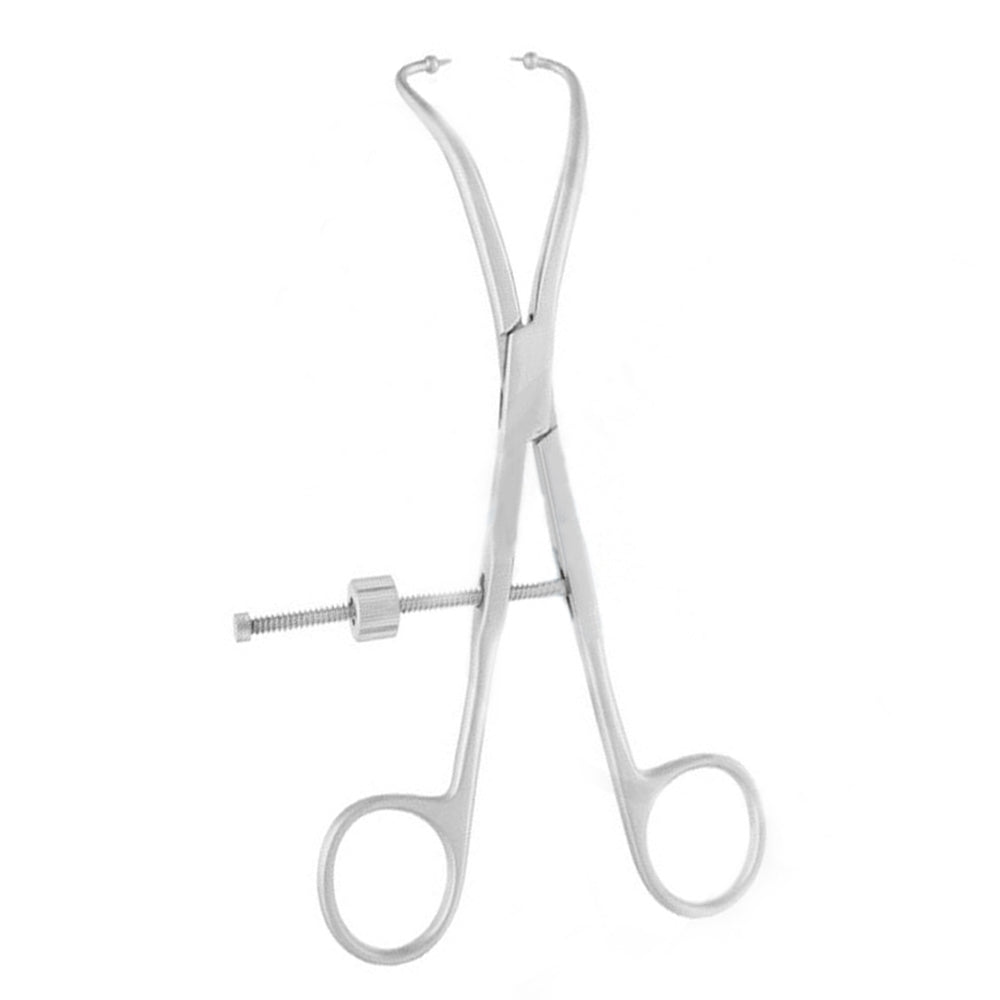
The Bone Fragment Clamp is an orthopedic surgical instrument designed to hold reduced bone fragments in position while the surgeon performs fracture fixation. It provides temporary stabilization of bone segments after reduction, helping maintain the selected alignment while plates, screws, wires, or other fixation methods are applied.
This instrument is intended for professional orthopedic and trauma surgery environments where controlled bone holding is required during fracture management. A size selector is available on the product page, allowing buyers to choose from the configurations currently offered according to their established surgical requirements.
The primary function of a bone fragment clamp is to temporarily secure bone fragments after the surgeon has achieved the required reduction. Maintaining this position can provide a more stable working field while subsequent fixation steps are performed.
The clamp may be incorporated into orthopedic procedures in which bone segments need to remain positioned while fixation hardware is introduced. Instrument placement and clamping technique should be determined by the operating surgeon according to the fracture pattern, anatomy, fixation plan, and surrounding structures.
The Bone Fragment Clamp is relevant to orthopedic and trauma procedures involving fractured bone. After reduction, the instrument can be used to maintain the relationship between selected bone fragments while the definitive fixation construct is prepared and applied.
The current product information specifically associates bone fragment clamps with procedures involving plates, screws, wires, and other fixation devices. This makes the instrument a practical component of orthopedic instrument inventories used for fracture management and reconstructive procedures.
Bone-holding instruments are selected according to the anatomical region and the requirements of the fracture being treated. A dedicated bone fragment clamp gives the surgical team an instrument specifically intended for temporary fragment control during reduction and fixation.
This product may be considered by orthopedic hospitals, trauma centers, surgical facilities, medical distributors, and procurement departments sourcing instruments for fracture-fixation trays and general orthopedic surgery sets. The exact size should be selected according to the surgeon's preference and procedural requirements.
The live product page includes a size selector for the Bone Fragment Clamp. Exact size values should be selected directly from the options currently available on the product page when placing an order.
For facilities purchasing instruments for multiple surgeons or procedure sets, confirming the required size before ordering can help ensure that the selected clamp corresponds with the intended orthopedic application.
| Product Name | Bone Fragment Clamp |
|---|---|
| SKU | PS-Or_007 |
| Instrument Type | Bone Fragment Clamp / Bone Holding Instrument |
| Primary Specialty | Orthopedic and Trauma Surgery |
| Primary Function | Temporary Holding and Stabilization of Reduced Bone Fragments |
| Associated Procedures | Fracture Reduction and Fixation |
| Size Options | Selectable Options Available on Product Page |
| Bulk Quantity Options | 1, 10, 30, 70, or 100 Pieces |
The Bone Fragment Clamp is suitable for hospitals, orthopedic departments, trauma surgery facilities, surgical centers, distributors, and purchasing teams sourcing bone-holding instruments. SKU PS-Or_007 provides a clear reference for ordering and inventory identification.
Bulk quantity options are also available on the product page for buyers requiring multiple units. Before purchase, confirm the required size and quantity according to the clinical department, surgeon preference, and existing orthopedic instrument inventory.
Buyers sourcing additional fracture-management and bone-holding instruments can also review the Orthopedic Instruments collection.
What is a Bone Fragment Clamp used for?
It is designed to temporarily hold reduced bone fragments in position during orthopedic fracture fixation procedures.
Can it be used while fixation hardware is applied?
The product information associates bone fragment clamps with procedures involving plates, screws, wires, and other fixation methods.
Is this an orthopedic instrument?
Yes. The Bone Fragment Clamp is listed within the orthopedic surgical instrument range.
Are different sizes available?
Yes. A size selector is available on the live product page. Buyers should choose the configuration required for their surgical setup.
What is the SKU of the Bone Fragment Clamp?
The listed SKU is PS-Or_007.
Are bulk order quantities available?
Yes. The current product page provides quantity options for 1, 10, 30, 70, and 100 pieces.


