
Featured Collection
Your cart
Featured Collection

PEAK SURGICAL
SKU:PS-5283
Couldn't load pickup availability
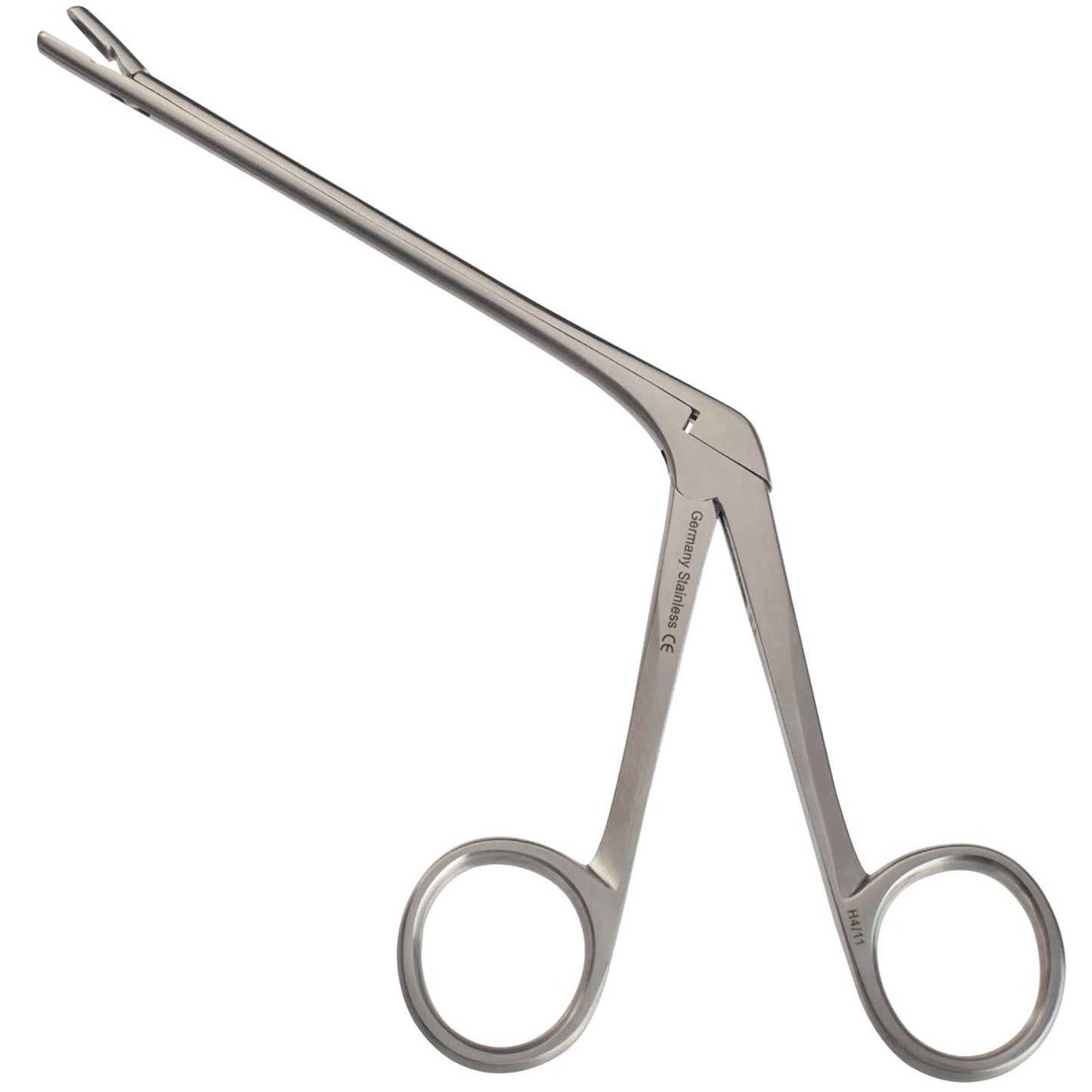
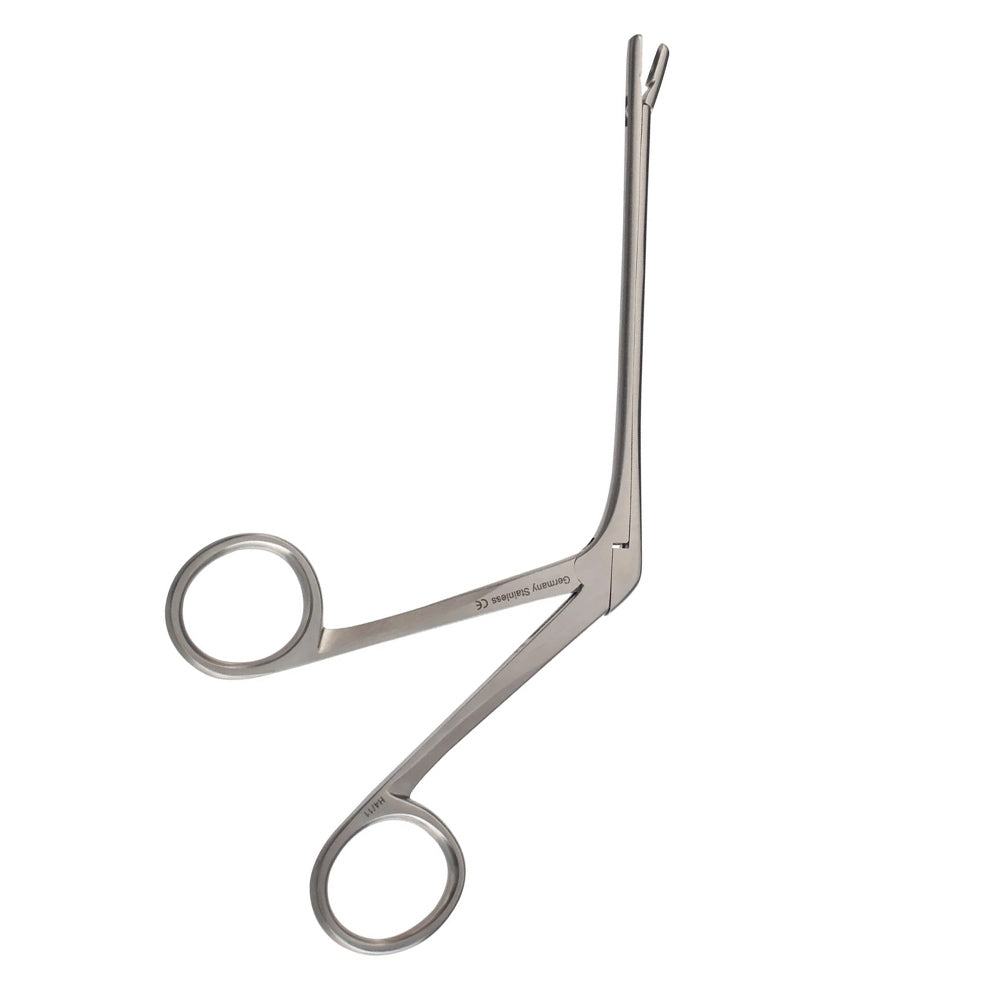
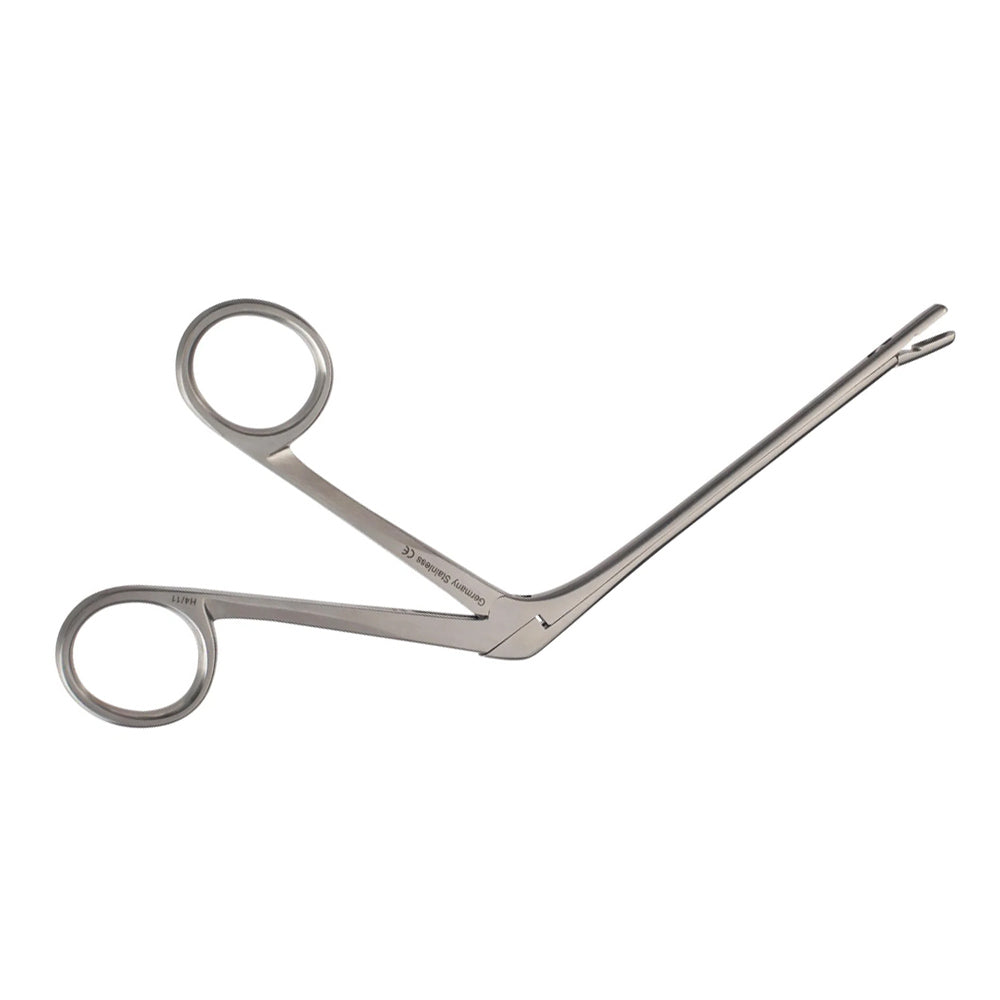
Blakesley Punch Forceps, SKU PS-5283, is a German stainless steel ENT punch forceps designed for controlled tissue removal inside the nasal cavity, ethmoid region, and paranasal sinus access pathways during functional endoscopic sinus surgery, intranasal polypectomy, turbinectomy support, ethmoidectomy, antrostomy refinement, septal access work, and rhinologic tissue sampling. The available variants are Straight, No. 0, 3.5mm cup; Straight, No. 00, 2.5mm cup; and Angled, No. 00, 2.5mm cup. The instrument has ring handles, a long slender shaft, a hinge-driven punch mechanism, cup-shaped jaws, straight and angled shaft options, and a reusable Class I surgical construction for ENT operating room trays. The cup geometry is used to bite, capture, and remove selected mucosa, polypoid tissue, thin bony partitions, or soft obstructive tissue under direct visualization. ENT surgeons, rhinologists, facial plastic surgeons, hospitals, clinics, teaching centers, and distributors can place this forceps in CE, ISO 13485, and FDA-compliant nasal surgery instrument sets.
The Blakesley pattern works through a ring-handle mechanism that transfers finger pressure into a hinge-guided distal punch movement. The long shaft keeps the surgeon’s hand outside the nasal corridor while the working cup remains positioned at the operative site. The cup-shaped jaw bites forward onto selected tissue and captures the excised segment inside the jaw profile for withdrawal from the nasal cavity. The straight shaft provides direct line access along the nasal floor, inferior corridor, and anterior sinus working path. The angled version improves approach to superior, posterior, or laterally placed targets where a straight instrument would limit jaw orientation. The 2.5mm cup provides fine tissue removal near tighter anatomy, while the 3.5mm cup provides a broader bite where more working space is available. The hinge and jaw alignment allow controlled place, close, remove, inspect, and repeat handling. This mechanism helps the surgeon perform incremental tissue reduction without using broad grasping forceps or cutting scissors.
In sinus surgery workflow, Blakesley Punch Forceps is introduced after endoscopic visualization, decongestion, access creation, and identification of the target tissue. During functional endoscopic sinus surgery, the jaws are positioned around polypoid tissue, ethmoid partitions, or obstructive mucosal remnants before controlled closure and withdrawal. In ethmoidectomy, the instrument assists stepwise removal of selected tissue fragments while preserving endoscopic view and suction access. During antrostomy refinement, the cup can remove residual mucosa or edge fragments around the maxillary sinus opening when the selected variant matches the angle of approach. In intranasal polypectomy, the punch mechanism captures tissue in discrete bites for specimen control and clearance. During septal access or rhinoplasty support, the instrument can remove small intranasal tissue segments where cup control is preferred. Each bite is followed by visual reassessment, hemostasis control, suction clearance, and confirmation that the operative corridor remains aligned with the planned rhinologic procedure.
The Straight, No. 0, 3.5mm cup pattern is selected when the surgeon needs a wider bite through a direct nasal approach, especially during anterior ethmoid work, intranasal polyp removal, and tissue clearance where exposure permits broader jaw opening. The Straight, No. 00, 2.5mm cup is selected for narrower corridors, pediatric-compatible field restrictions, tight septal access, and delicate sinus areas where a smaller bite is required. The Angled, No. 00, 2.5mm cup is chosen when the working target lies superiorly, posteriorly, or laterally and the surgeon needs the jaw axis to meet tissue at a controlled approach angle. The smaller cup also supports precise removal around middle turbinate, ethmoid recesses, and maxillary antrostomy margins. Selection depends on endoscopic view, nasal corridor width, tissue thickness, bleeding control, and the direction in which the cup must close. Stocking all three variants gives ENT trays a practical range for routine and restricted rhinologic access.
German stainless steel provides the rigidity, corrosion resistance, and dimensional stability required for repeated ENT use, fine jaw alignment, hospital cleaning chemistry, and steam sterilization cycles. The available finish options are satin, dull, and mirror, allowing facilities to match tray appearance and operating light preference. Satin and dull surfaces reduce glare under endoscopic and overhead lighting, while mirror finish supports receiving inspection, count verification, and instrument set assembly. After use, the cup jaws, hinge, shaft lumen surfaces, handle rings, jaw recess, and distal working end require prompt cleaning so blood, mucus, tissue residue, and bone particles do not dry on the instrument. Standard reprocessing includes rinsing, manual brushing of the cup area, ultrasonic cleaning when approved by facility protocol, washer-disinfector treatment, drying, hinge lubrication, jaw inspection, packaging, and steam autoclave sterilization. CE marking, ISO 13485 manufacturing controls, and FDA procurement context support Class I reusable instrument purchasing for hospitals, clinics, distributors, and operating room supply teams. MOQ of one piece supports replacement ordering.
| SKU | PS-5283 |
|---|---|
| Product Name | Blakesley Punch Forceps |
| Price | $33.00 |
| Size/Gauge Variants | Straight, No. 0, 3.5mm cup; Straight, No. 00, 2.5mm cup; Angled, No. 00, 2.5mm cup |
| Instrument Category | ENT nasal punch forceps and rhinologic tissue removal instrument |
| Procedure | Functional endoscopic sinus surgery, intranasal polypectomy, ethmoidectomy, antrostomy refinement, turbinectomy support, septal access work, rhinologic tissue sampling |
| Material | German stainless steel |
| Finish | Satin, dull, or mirror finish |
| Sterilization | Reusable instrument compatible with hospital steam autoclave sterilization workflow |
| Instrument Classification | Class I surgical instrument |
| Reusable | Yes |
| Certifications | CE, ISO 13485, FDA |
| Warranty | 1 year |
| MOQ | 1 piece |
| OEM / Custom Orders | OEM available for procurement and distributor requirements |
| After-Sale Service | Return and replacement support |
How does Blakesley Punch Forceps differ from Blakesley Nasal Forceps?
Blakesley Punch Forceps is designed with cup-shaped punch jaws for biting and removing selected intranasal or sinus tissue. Blakesley Nasal Forceps is commonly used as a grasping pattern for holding and extracting tissue rather than taking a defined cup bite. The punch pattern captures tissue within the jaw cup after closure. The nasal grasping pattern holds tissue through forceps compression and traction. Blakesley Punch Forceps is selected when the surgeon wants controlled tissue excision in discrete bites during FESS, polypectomy, or ethmoid work. The clinically relevant difference is cup-based tissue removal versus grasp-and-traction handling.
When should the 2.5mm or 3.5mm cup be selected?
Blakesley Punch Forceps is available with 2.5mm and 3.5mm cup options. The 2.5mm cup is selected for tighter nasal corridors, delicate ethmoid work, small polypoid fragments, and areas where fine bite control is required. The 3.5mm cup is selected when exposure allows a larger bite and the surgeon needs broader tissue removal through a direct approach. The straight 2.5mm cup is useful when the target lies along the instrument axis. The angled 2.5mm cup is selected when the target sits superiorly, posteriorly, or laterally within the sinonasal field. Selection depends on endoscopic view, tissue thickness, target position, bleeding control, and available jaw-opening space.
How do CE, ISO 13485, and FDA details support procurement?
Blakesley Punch Forceps is supplied with CE, ISO 13485, and FDA procurement context for Class I reusable surgical instrument purchasing. CE marking supports conformity documentation for healthcare markets requiring European medical device references. ISO 13485 indicates manufacturing under a medical device quality management system with controlled production and traceability. FDA procurement context supports hospitals, clinics, and distributors serving United States ENT instrument supply channels. These details assist tender submissions, vendor onboarding, operating room inventory approval, and distributor catalog documentation. The $33.00 price, one-piece MOQ, OEM availability, and one-year warranty support replacement ordering and reusable ENT tray assembly.
How are the ring handles, hinge, and cup jaws used intraoperatively?
The surgeon introduces Blakesley Punch Forceps under endoscopic visualization and positions the selected cup around the intended tissue. The ring handles provide controlled finger placement while closure force is transmitted through the hinge to the distal jaw. The cup jaw closes onto the tissue and captures the bite for removal during withdrawal. The straight shaft is used for direct nasal access, while the angled shaft supports off-axis tissue targets. The instrument is used through a sequence of position, close, extract, inspect, clear suction, and repeat. After each bite, the surgeon reassesses the operative field, hemostasis, tissue clearance, and readiness for the next step.
What should sterile processing and supply teams check before reuse?
Sterile processing teams should clean Blakesley Punch Forceps immediately after surgery so blood, mucus, tissue residue, and bone particles do not dry inside the cup jaws, hinge, shaft, or handle rings. The jaw cup and hinge should be brushed carefully because retained debris can impair closure and tissue capture. Ultrasonic cleaning, washer-disinfector treatment, drying, lubrication, inspection, packaging, and steam autoclave sterilization are performed according to facility protocol. Supply teams should confirm smooth hinge motion, accurate jaw alignment, clean cup recesses, and intact handle rings before tray assembly. Hospitals can assign the straight and angled options to ENT, rhinology, sinus surgery, teaching, and outpatient surgical inventories. Distributors can use the one-piece MOQ, carton-box packing, OEM availability, and return or replacement service for practical stock planning.


