
Featured Collection
Your cart
Featured Collection

PEAK SURGICAL
SKU:
Couldn't load pickup availability
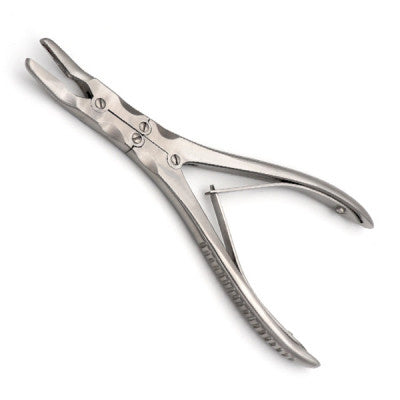
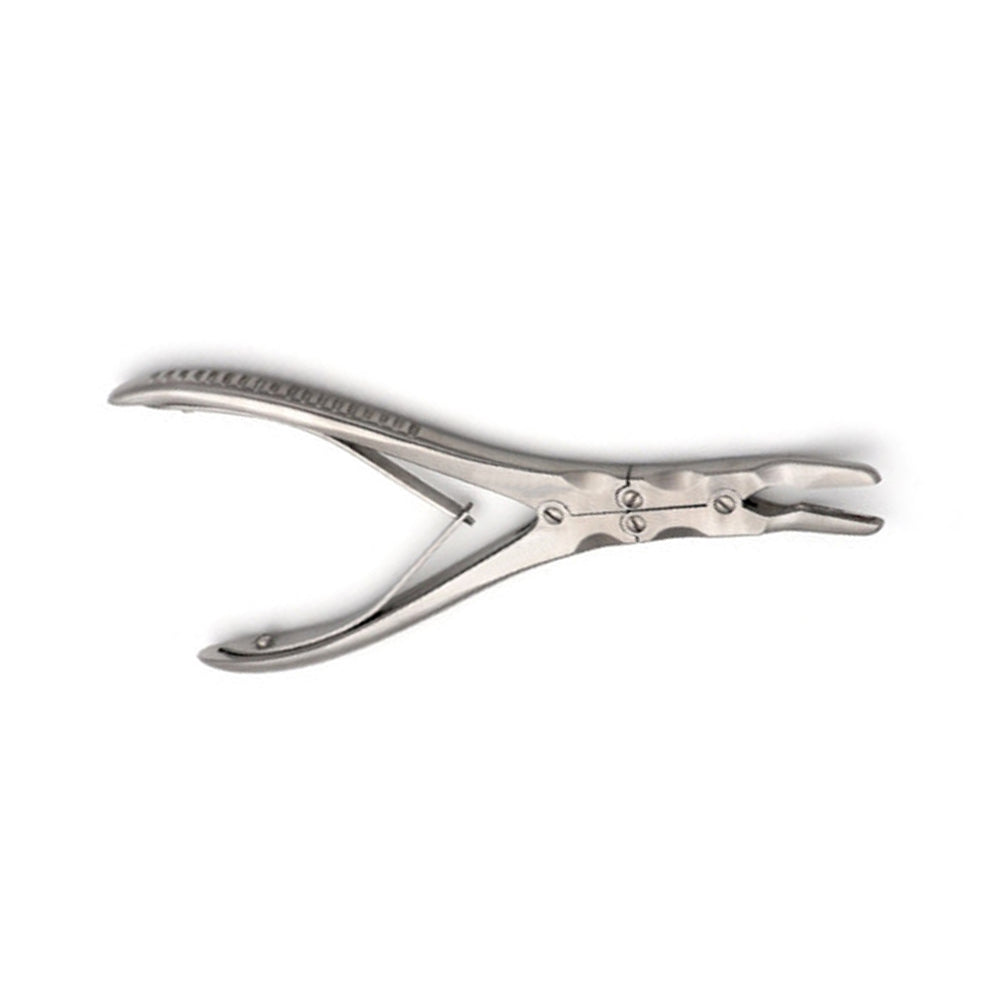
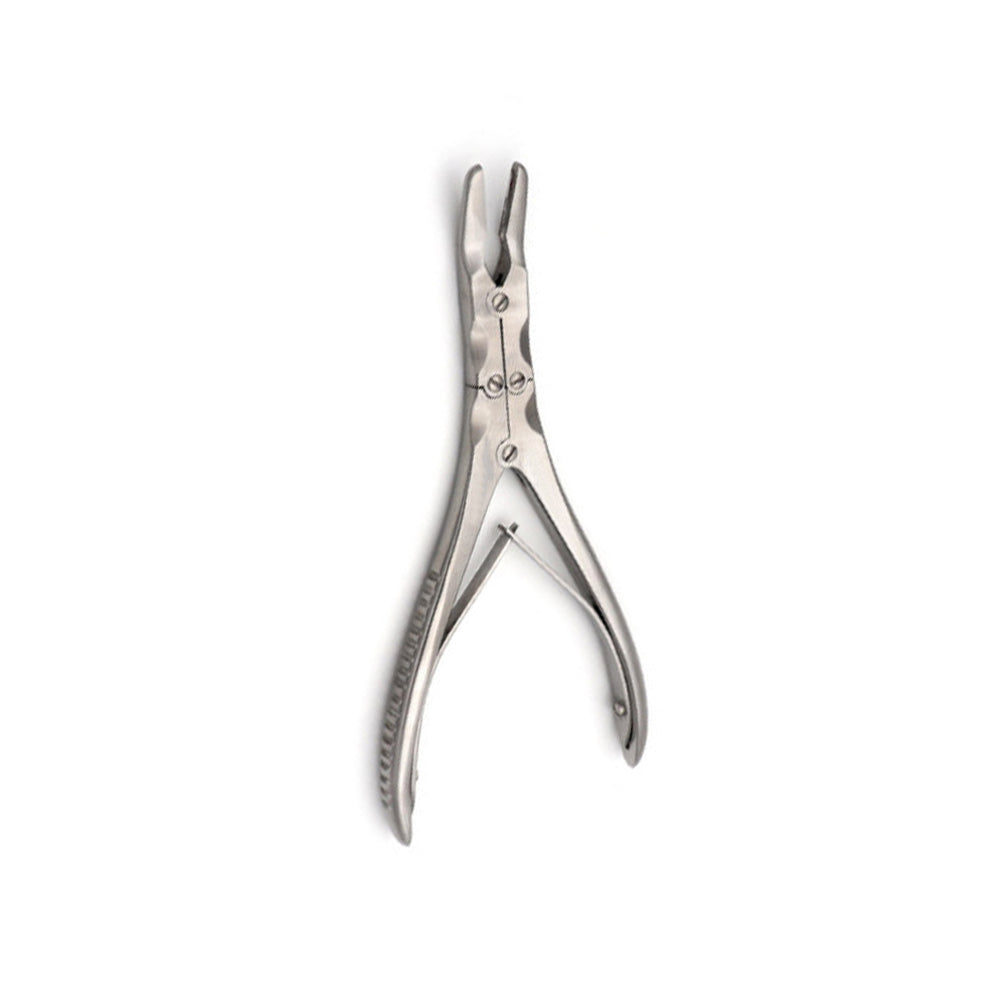
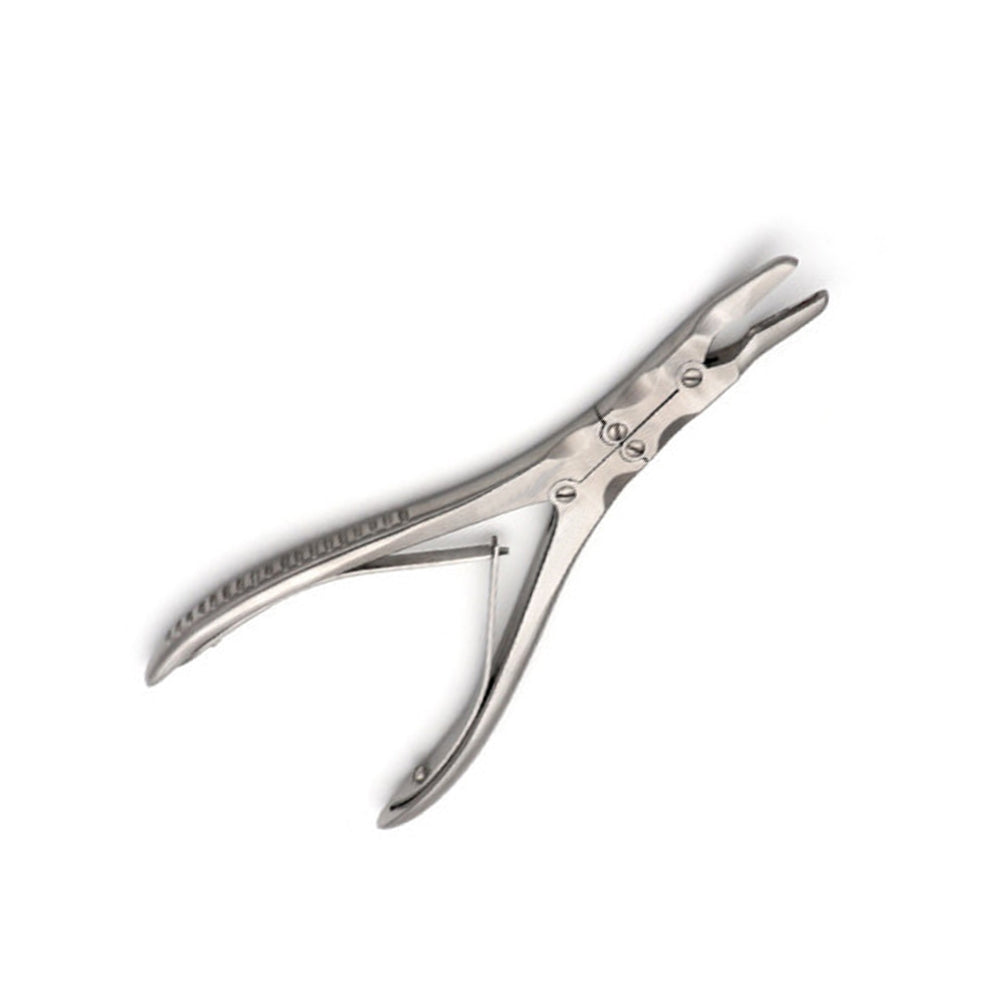
The professional clinical solution for aggressive yet controlled osseous excision in orthopedic and ENT surgery. The Beyer Stille Rongeur is a specialized surgical instrument engineered to solve the problem of removing dense cortical bone and fibrous tissue in areas requiring significant mechanical leverage. Characterized by its sturdy, curved jaws and double-action-style spring handle, this rongeur acts as a mechanical necessity for surgeons who need to "nibble" away bone structures with mathematical accuracy. Its design is specifically optimized to provide maximum cutting force with minimal hand pressure, ensuring that bone margins are managed with total reliability and reduced surgeon fatigue.
The Beyer Stille Rongeur represents the pinnacle of specialized orthopedic ergonomics and dependable bone excision. In any professional environment—from spinal surgery suites to advanced ENT theaters—the ability to definitively remove bone fragments without crushing surrounding tissue is a critical success factor. These rongeurs act as a high-durability mechanical extension of the surgeon’s strength, offering a level of reliability and "cutting-clarity" that is essential for organized patient care.
At its core, the instrument is built for professional-grade longevity and high-torque performance. The "Beyer Stille" pattern is a global standard because it bridges the gap between delicate micro-rongeurs and heavy-duty double-action cutters. Because the jaws are precision-milled to meet with 100% accuracy, the instrument provides a clean "shear" rather than a "crush," which is vital for promoting faster post-operative osteogenesis and bone healing.
Built to exceed international standards for medical hardware, the Beyer Stille Rongeur is fully reusable and intended for high-frequency professional use. Its robust construction and specialized "Curved-Bite" profile make it an indispensable asset for ensuring safe, organized, and high-precision results in comprehensive surgical setups.
Beyer Stille Rongeur
Beyer Stille Rongeur 7" 4x15mm Bite Curved
| Product Name | Micro Alligator Ear Forceps |
| Properties | Veterinary Surgical Instruments |
| Model Number | PS-VS-0039 |
| Type | Veterinary Surgical Instruments |
| Brand Name | Peak Surgicals |
| Instrument classification | Class I |
| Warranty | 1 YEAR |
| After-sale Service | Return and Replacement |
| Material | Medical Stainless Steel |
| Feature | Reusable |
| Certificate | CE, ISO-13485, FDA |
| Usage | Operating Room, etc |
| OEM | Available |
| Finish | Satin. Dull. MIRROR |
| Quality | Reusable |
| Packing | Carton Box, Others |
| Rust Free | Yes |
| MOQ | 1 Piece |
Feature Details
Bite Dimensions 4mm x 15mm
Jaw Profile Curved / Cup-Shaped
Mechanism Single-Spring Action
Overall Length 7" (178mm)
Material Core Premium Surgical-Grade Stainless Steel
Maintenance Fully Autoclavable / Reusable
Standard CE/ISO Surgical Grade
Primary Use Cases:
Q: What is the difference between a Beyer and a Zaufal-Jansen Rongeur?
A: Beyer rongeurs typically have a slightly different jaw taper and are often used for more general orthopedic tasks, whereas Zaufal-Jansen models are frequently found in more specialized ENT setups for mastoid work.
Q: Can the 4x15mm bite be used for very small bones?
A: While 4mm is a "medium" bite width, it is excellent for general debridement. For very fine work in the small bones of the ear or hand, a 2mm or 3mm rongeur might be preferred.
Q: How do I maintain the cutting edge?
A: Avoid using the rongeur on non-bone materials (like metal pins or thick sutures). Always clean biological debris from the "cup" of the jaw immediately after use to prevent corrosion of the sharpened rim.
Q: Is this a "Double-Action" rongeur?
A: No, this is a single-action rongeur with a spring handle. While double-action rongeurs provide more power, the single-action Beyer provides more "tactile feel" and a slimmer profile for tighter spaces.
Q: What is the best way to sterilize this instrument?
A: Standard steam autoclaving is recommended. Ensure the instrument is in the "open" position or that the spring is not under maximum tension during the cycle to maintain the temper of the steel.


