
Featured Collection
Your cart
Featured Collection

PEAK SURGICALS
SKU:DF-78945
Couldn't load pickup availability
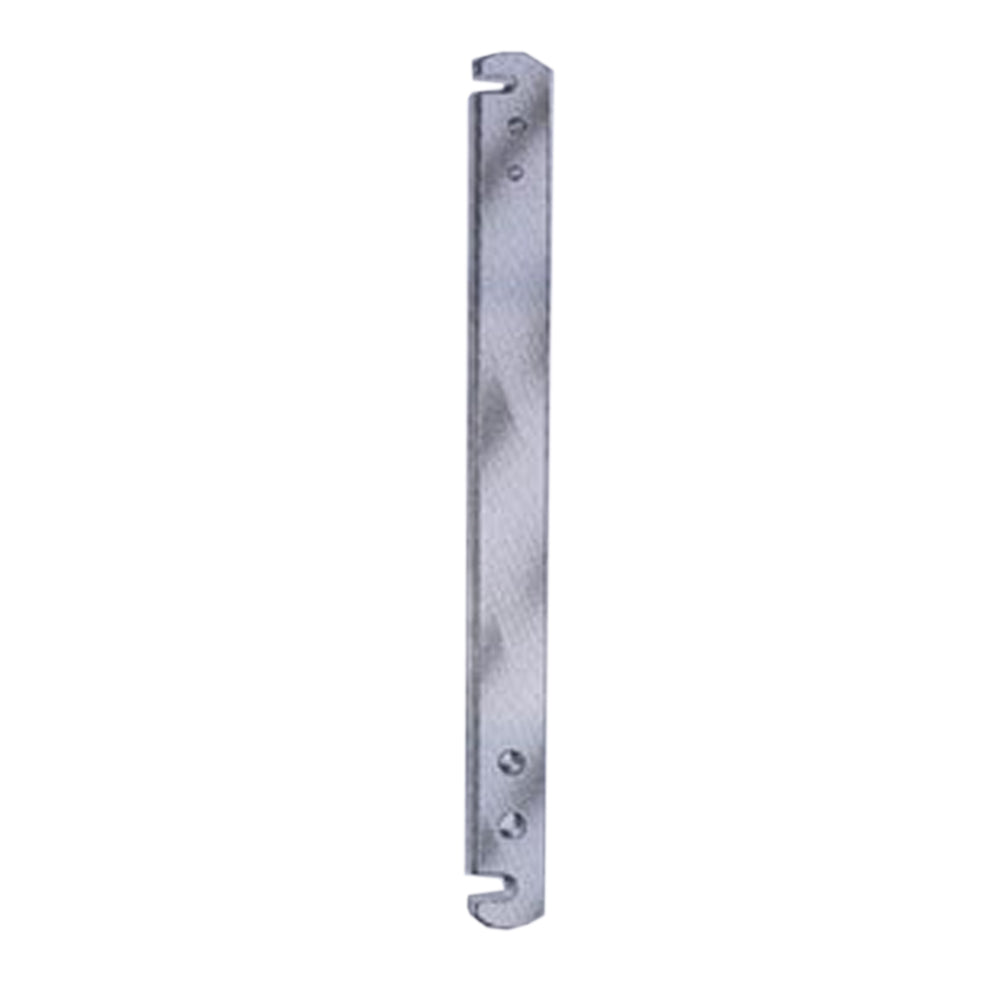
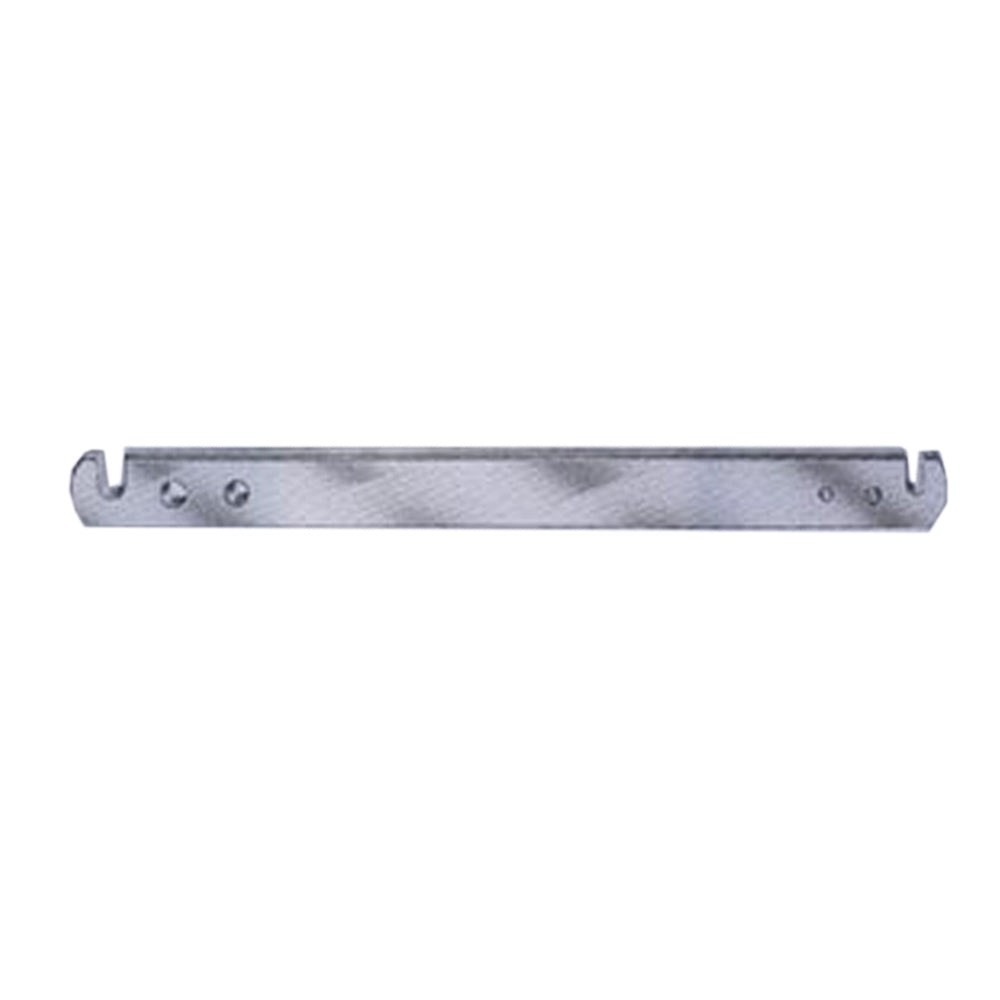
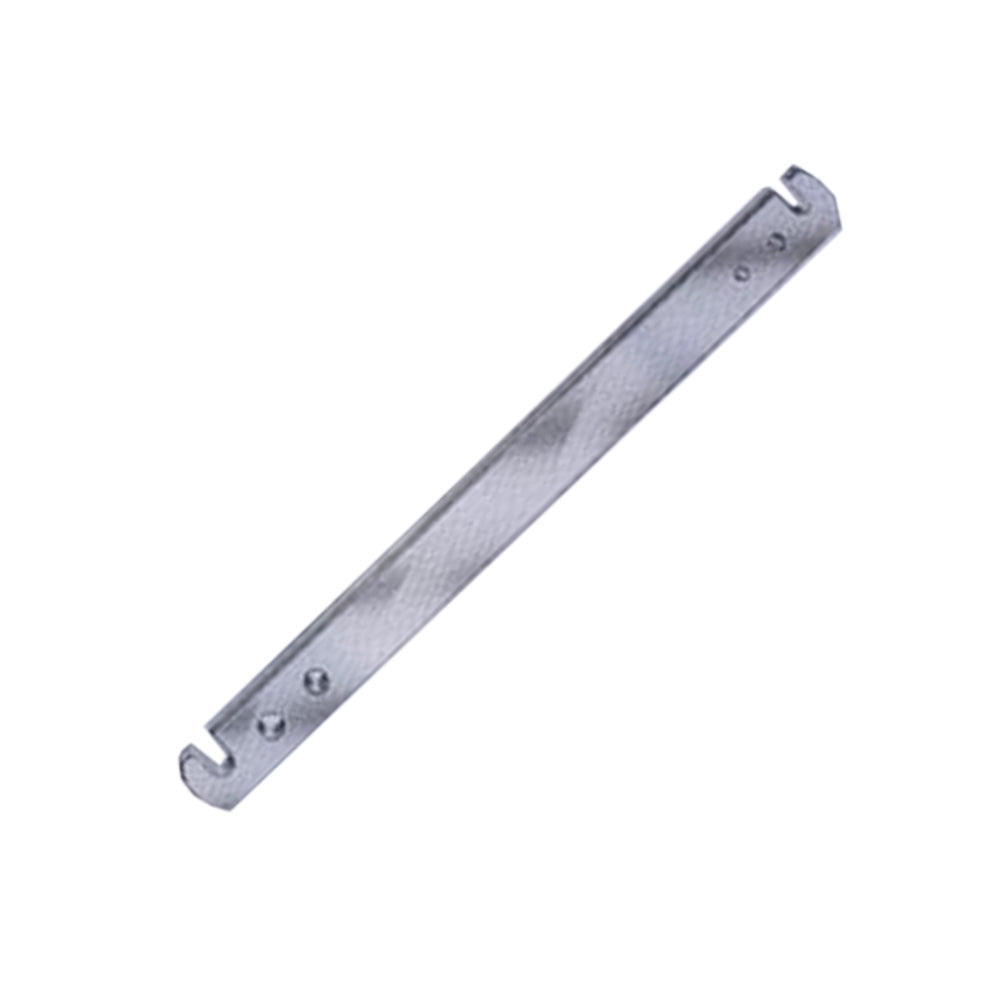
The definitive dual-sided orthopedic instrument for high-precision tactile adjustment and intraoperative contouring of hooked intramedullary fracture fixation nails. The Bending Tool for Hooked Medullary Nails 24cm Double Ended is a specialized, high-tensile leverage iron engineered to solve the demanding technical challenge of modifying rigid internal fixation rods to match a patient’s unique medullary canal curvature without structural kinking. Featuring dual hook-shaped engagement slots paired with a solid-slab lever shaft, this tool acts as a mechanical necessity for surgical teams and implant preparation techs adjusting flexible or interlocking medullary systems. Its balanced 24cm profile delivers maximum mechanical advantage, ensuring controlled manual bending forces remain uniform across the nail’s structural core.
The Bending Tool for Hooked Medullary Nails (24cm Double Ended) represents the standard for safe, accurate implant modification in internal fracture fixation and long-bone reconstruction. During complex trauma interventions—such as interlocking nailing for humeral, tibial, or pediatric femoral fractures—the straight or generically curved profile of a stock medullary nail may not perfectly match the patient’s natural anatomical canal and forcing an ill-fitting rod down the marrow cavity risks cortical splitting, tracking errors, or incomplete fracture reduction. This specialized double-ended bending iron functions as a precise handheld press, allowing the surgical team to make subtle adjustments to the nail’s curvature with complete control.
At its core, the tool is engineered for structural safety and predictable shaping control. Unlike improvised pliers or standard plate-bending irons that can slip off a cylindrical rod, the specialized hooked slots on this tool hug the contours of the medullary nail perfectly. This tight interface is a mechanical necessity for keeping the rod aligned during a bend, ensuring the forces are directed along a true, single plane without introducing accidental twisting or warping. By allowing the technician or surgeon to apply precise, incremental leverage, the tool helps safely adapt the hardware, providing the customized alignment needed for easy insertion, stable internal fixation, and optimized long-term healing.
Built to exceed international quality standards for medical hardware, this heavy-duty bending iron is fully reusable and easy to decontaminate. Its seamless unibody structure, dual-ended slot layout, and weld-free frame make it an indispensable asset for ensuring safe, organized, and high-precision results in all intramedullary fixation, trauma plating, and skeletal reconstruction sets.
Feature Details
Instrument Style Bending Iron for Hooked Medullary Nails
Total Overall Length 24cm (240mm / 9.4”)
Chassis Architecture Solid-Slab Flat Unibody Lever
Working Ends Double-Ended with Hooked Engagement Slots
Surface Treatment Non-Reflective Glare-Reducing Aura-Satin
Material Base Premium Bio-Inert Surgical Stainless Steel
Reprocessing Limits Fully Autoclavable / High-Vacuum Steam-Safe
Certifications CE, ISO, Professional Surgical Grade
Primary Clinical Applications:
Q: Why use a dedicated medullary nail-bending tool instead of standard plate-bending irons?
A: Standard plate-bending irons feature wide, flat slots designed specifically for rectangular plates. Using them on a cylindrical medullary nail causes the rod to roll and skate, which can score the metal or twist the implant out of plane. The specialized curved slots of this medullary tool securely hug the round nail, making it a mechanical necessity for stable, predictable bending.
Q: Can this instrument safely bend dense titanium interlocking rods?
A: Yes. The hardened surgical steel chassis is a mechanical necessity designed to manipulate both medical-grade titanium and stainless steel implants. Because titanium has greater elastic memory (“spring-back”) than steel, users typically need to use the tool slightly past the target angle to achieve the desired final shape.
Q: Does this tool require a second matching iron to perform a precise contour?
A: Yes, for most long-bone intramedullary rods, it is standard professional practice to utilize a pair of bending irons. By placing one tool as a counter-leverage anchor and the second iron close to it, the user can apply perfectly isolated, localized bends without warping the remaining straight sections of the implant.
Q: How do you prevent micro-cracks from forming in the nail during manual bending?
A: It is a professional standard to apply steady, continuous, single-stroke manual pressure rather than sharp, jerking forces. Ensuring that bends are made gradually and are not repeatedly adjusted back and forth across the same localized zone is a mechanical necessity for preventing metal fatigue and structural micro-fractures.
Q: What is the approved sterilization protocol for this double-ended tool?
A: The premium surgical steel construction is a mechanical necessity built for rigorous hospital reuse. It is fully rated to undergo standard high-vacuum steam autoclave cycles at 134°C (273°F) with zero risk of structural breakdown, finish clouding, or corrosion.
