Featured Collection
Your cart
Featured Collection

PEAK SURGICALS
SKU:PS-VS-00202
Couldn't load pickup availability
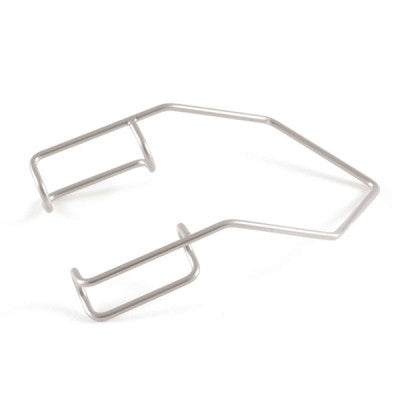

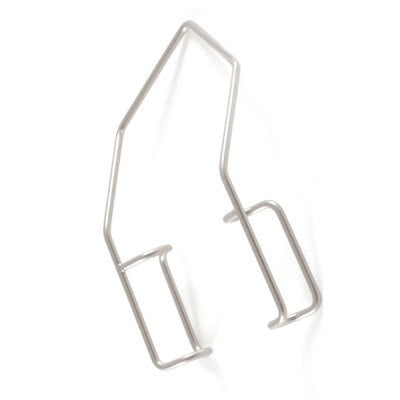
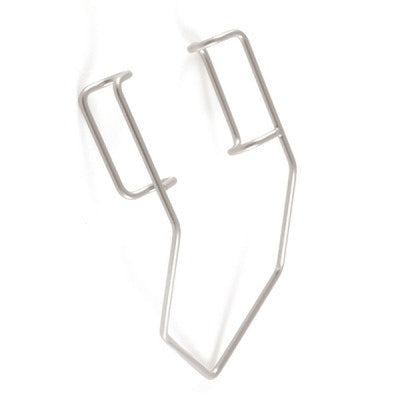
Barraquer Wire Eye Speculum Microsurgery (SKU: PS-VS-00202) is a German stainless steel veterinary ophthalmic instrument designed for controlled eyelid retraction during microsurgical eye procedures, ocular examination, corneal access, cataract workflow, conjunctival procedures, and small animal ophthalmic surgery. The available variants are Solid Blades 1-5/8 and Open Wire Blades 14x5mm, 1-5/8, giving the surgeon two exposure profiles for lid separation and operative access. The instrument has a lightweight wire-frame body, spring-tension retraction, smooth lid-contact loops, and a low-profile geometry that keeps the surgical field open without bulky screw adjustment. It is used during veterinary ophthalmic examination, corneal repair, cataract-related procedures, conjunctival surgery, eyelid margin work, foreign body removal, and microsurgical ocular access. Veterinary ophthalmologists, small animal surgeons, ophthalmic clinics, teaching laboratories, and procurement teams use this pattern in eye surgery trays where unobstructed exposure and gentle lid control are required.
The Barraquer pattern works through a spring wire frame that separates the upper and lower eyelids while maintaining a stable operative window. Its open construction reduces instrument bulk around the palpebral fissure, leaving the globe, cornea, conjunctiva, and surgical approach visible under magnification. The spring-tension design holds the lids apart without a screw lock, helping the surgeon maintain access while using forceps, cannulas, micro scissors, blades, probes, irrigation, or suction. Smooth rounded wire loops contact the eyelid margins and distribute retraction pressure across a narrow but controlled surface. The lightweight frame helps reduce unnecessary pressure around the orbit during delicate microsurgical steps. The 1-5/8 profile supports compact small animal ophthalmic access where excessive instrument mass can obstruct the field. This design is useful when the procedure requires continuous visibility, fine hand movement, and rapid placement or removal from the operative site.
Clinical use begins after patient positioning, ocular preparation, antiseptic application, draping, and selection of the required ophthalmic tray. During veterinary eye examination under sedation or anesthesia, the speculum maintains lid separation so the clinician can inspect the cornea, conjunctiva, sclera, anterior chamber, and periocular margins. During corneal repair or foreign body removal, the wire frame keeps the lids away from the working area while fine instruments approach the ocular surface. In cataract-related workflow and other microsurgical procedures, the low-profile body helps maintain exposure under magnification without interrupting instrument movement. During conjunctival and eyelid margin procedures, the speculum supports consistent access while tissue forceps, micro scissors, needle holders, or blades are used. The instrument is also useful in teaching laboratories where repeated visualization of the ocular surface is required. Its self-retaining action allows the surgeon to focus on tissue handling, irrigation, incision control, and closure rather than manual eyelid holding.
The Solid Blades 1-5/8 variant is selected when the surgeon wants broader lid contact and a slightly more structured retraction surface during ocular exposure. It is useful when the eyelid margin needs stable separation across a compact field and the surgeon wants a defined blade edge to maintain the opening. The Open Wire Blades 14x5mm, 1-5/8 variant is selected when minimal obstruction, drainage visibility, and lighter lid contact are priorities. Its open blade geometry allows fluid, irrigation, and ocular surface detail to remain visible while the lids are held apart. Both variants support spring-tension exposure and low-profile handling, but their contact behavior differs. Solid blades provide more continuous contact along the lid margin, while open wire blades provide a lighter frame with reduced visual obstruction. Variant selection follows patient size, eyelid anatomy, surgical field visibility, ocular surface access, and whether the procedure needs broader support or maximum open-frame exposure.
German stainless steel construction gives the Barraquer Wire Eye Speculum the elasticity, corrosion resistance, and structural memory needed for repeated placement, cleaning, and sterilization cycles. The smooth polished surface supports instrument inspection and helps remove blood, tear film residue, antiseptic solution, and surgical debris before packaging. The reusable Class I profile fits manually operated veterinary ophthalmic instruments used for nonpowered eyelid retraction and ocular exposure. Autoclave compatibility supports return to ophthalmic, microsurgery, emergency, examination, and teaching trays after decontamination, inspection, wrapping, sterilization, drying, and storage. The wire-frame geometry should be inspected during reprocessing to confirm alignment, spring tension, and smooth lid-contact surfaces. CE marking, ISO 13485 certification, and FDA compliance support procurement documentation for veterinary hospitals, ophthalmology clinics, distributors, and institutional buyers. The one-year warranty, 30-day money-back policy, reusable medical-grade construction, and German stainless steel specification support standardized purchasing for veterinary ophthalmic microsurgery trays.
| SKU | PS-VS-00202 |
|---|---|
| Product Name | Barraquer Wire Eye Speculum Microsurgery |
| Price | $38.50 |
| Size/Gauge Variants | Solid Blades 1-5/8, Open Wire Blades 14x5mm 1-5/8 |
| Instrument Category | Veterinary ophthalmic eye speculum |
| Procedure | Ophthalmic microsurgery, corneal access, ocular examination, conjunctival procedures, eyelid margin work, foreign body removal, cataract-related exposure |
| Material | Medical-grade German stainless steel |
| Design | Lightweight Barraquer wire-frame spring speculum |
| Blade Options | Solid blade and open wire blade profiles |
| Sterilization | Reusable and autoclavable after standard instrument cleaning |
| Instrument Classification | Class I reusable veterinary ophthalmic hand instrument |
| Reusable | Yes |
| Certifications | CE marked, ISO 13485 certified, FDA compliant |
| Warranty | 1 year |
| After-Sale Support | 30-day money-back policy for eligible orders |
How does the Barraquer Wire Eye Speculum support ophthalmic microsurgery? The Barraquer Wire Eye Speculum holds the eyelids apart with spring-tension retraction, creating a stable field for microsurgical access. Its lightweight frame reduces bulk around the ocular surface, which helps maintain visibility under magnification. The open design allows fine instruments to approach the cornea, conjunctiva, and eyelid margin without unnecessary obstruction. This makes the instrument useful in veterinary ophthalmic examination, corneal work, conjunctival procedures, and small animal microsurgery.
When should the solid blade or open wire blade variant be selected? The solid blade variant is selected when broader lid contact and structured retraction are required. It is useful when the surgeon wants more continuous support along the eyelid margin. The open wire blade variant is selected when visibility, drainage, and low obstruction are priorities. Its 14x5mm open wire profile keeps the field lighter and more transparent. Selection follows patient size, eyelid anatomy, procedure type, and the amount of exposure required.
What procedures use a Barraquer Wire Eye Speculum? This instrument is used for veterinary ophthalmic examination, corneal repair, ocular foreign body access, conjunctival procedures, eyelid margin work, cataract-related exposure, and microsurgical ocular procedures. It is also used in teaching laboratories and clinical trays where controlled lid separation is required. The spring wire frame keeps the lids retracted while forceps, cannulas, micro scissors, probes, or needle holders work within the ocular field.
How should the wire frame be inspected before and after use? The wire frame should be inspected for symmetry, smooth lid-contact surfaces, retained spring tension, corrosion, deformation, and debris before packaging or clinical use. The contact loops should remain smooth and aligned so they retract the lids evenly. After use, the instrument should be cleaned, inspected, dried, and sterilized according to the facility reprocessing workflow. Any bent, rough, or weakened wire section should be removed from service.
How do CE, ISO 13485, and FDA compliance support procurement? CE marking, ISO 13485 certification, and FDA compliance support documented sourcing for reusable veterinary ophthalmic instruments. These credentials help clinics, hospitals, distributors, and institutional buyers maintain procurement records for regulated instrument trays. The reusable German stainless steel construction, one-year warranty, and eligible 30-day money-back policy support purchasing programs that require standardized ophthalmic microsurgery instruments for repeated clinical use.