
Featured Collection
Your cart
Featured Collection

PEAK SURGICALS
SKU:PS-J-087
Couldn't load pickup availability
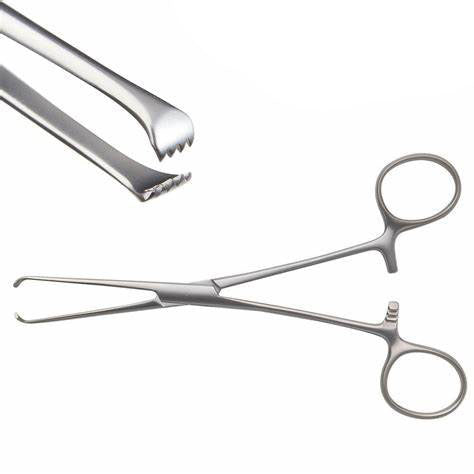
An Allis clamp or Allis forceps are mainly for lifting the dense tissues like the breast and bowel.
| Allis Tissue Forceps 3x4 Teeth, 6" |
| Baby Allis Tissue Forceps 5" Extra Delicate |
| Allis Tissue Forceps 4x5 Teeth, 6" |
| Baby Allis Tissue Forceps 5 1/2" Delicate |
| Allis Tissue Forceps 5x6 Teeth, 6" |
| Allis Tissue Forceps 4x5 Teeth, 7 1/2" |
| Pedifine Allis Tissue Forceps 4x5 Teeth, 4 3/4" |
| Allis Tissue Forceps 5x6 Teeth, 7 1/2" |
| Pedifine Allis Tissue Forceps 4x5 Teeth, 5 3/4" |
| Allis-Willauer Tissue Forceps 5x6 Teeth, 10" |
| Thoms-Allis Tissue Forceps 6x7 Teeth, 8" |
| Allis Adair Tissue Forceps 9x10 Teeth, 6" |
Mastering Tissue Control: A Comprehensive Guide to Allis Tissue Surgical Forceps
The capability to hold and maneuver tissue is essential to the success of a surgical procedure. It is the Allis Tissue Forceps, often called The Allis clamp, which is a flexible grasping tool that has been used in surgical trays since the invention of Dr. Oscar Huntington Allis in the 19th century. The Allis clamp is famous for its distinctive toothed design. This device gives the necessary traction to handle slippery, dense, fibrous or spongy tissues.
The Allis Tissue Forceps is easily identified by its serrated interlocking jaws. In contrast to Babcock forceps, which are specifically designed to handle trauma, Allis forceps are considered "traumatic" because their sharp teeth are designed to cut into tissue to provide an unslip grip.
Allis Forceps can be used in different medical specialties, and are especially used when tissues are intended to be removed or require extensive retraction
To meet the highest standards in the surgical setting, these forceps are made using premium surgical-grade stainless steel. This material provides the highest resistance to corrosion and the strength required to keep the teeth from dulling with time.
Since they are recyclable and reusable, it is essential to sterilize them properly. They must be cleaned thoroughly of bioburden before being processed in an autoclave in accordance with established hospital procedures. Regularly checking the ratchet as well as alignment of the teeth is advisable to ensure reliability performance.
