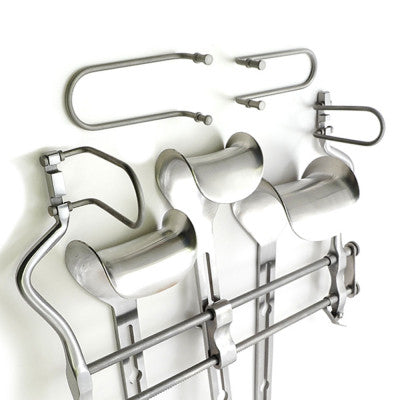
Veterinary Soft Tissue Retractors
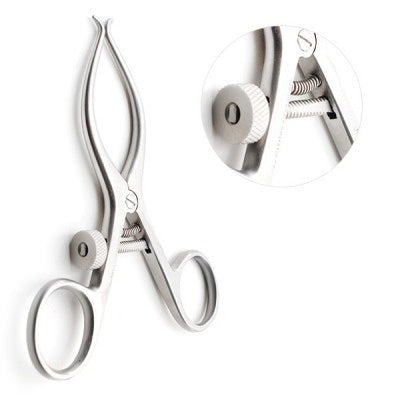
Soft tissue retractors hold wound edges or tissue open during veterinary surgery, giving the surgeon clear access to the surgical field. They fall into two categories: self-retaining retractors, which hold themselves open via a ratchet or locking mechanism, and hand-held retractors, which an assistant holds in place manually.
What's in This Collection
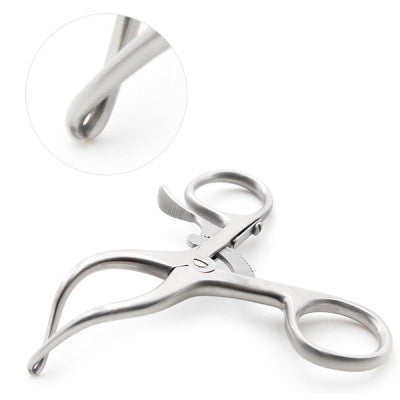
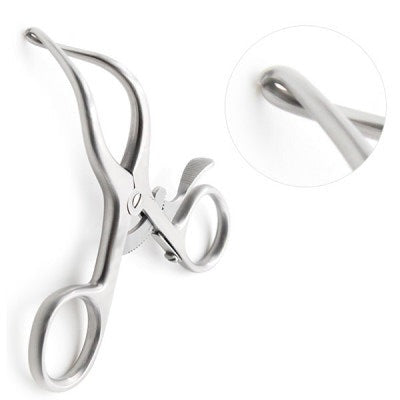
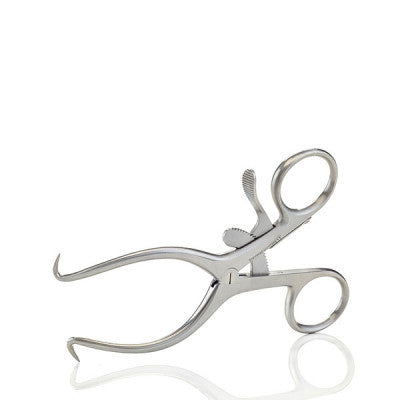
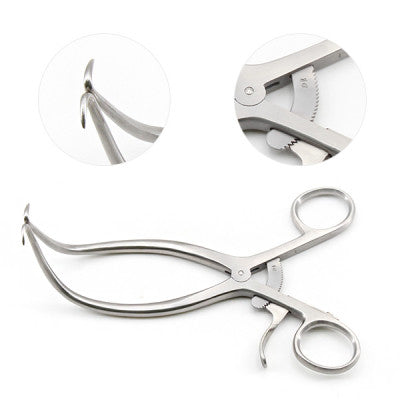
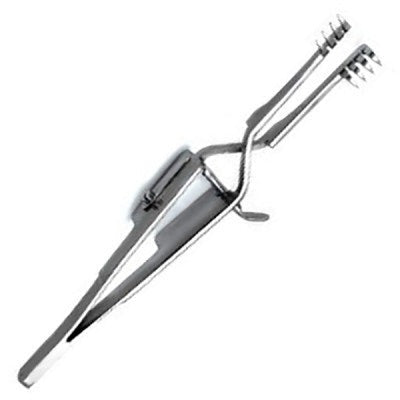
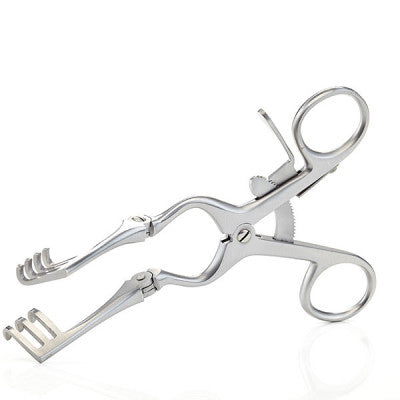
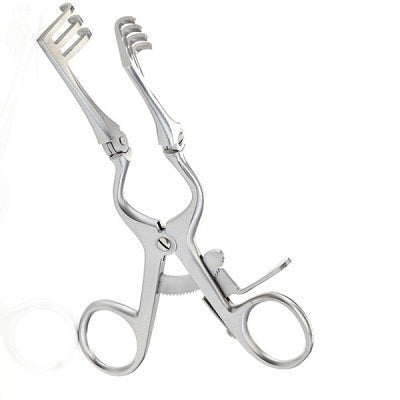
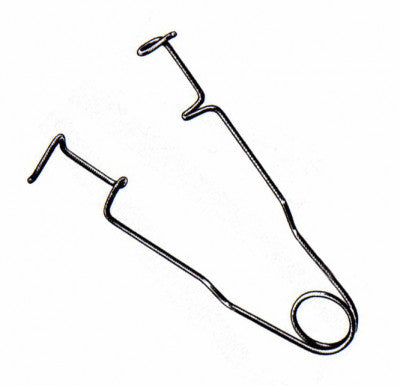
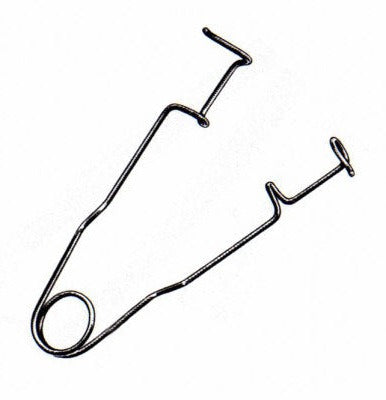
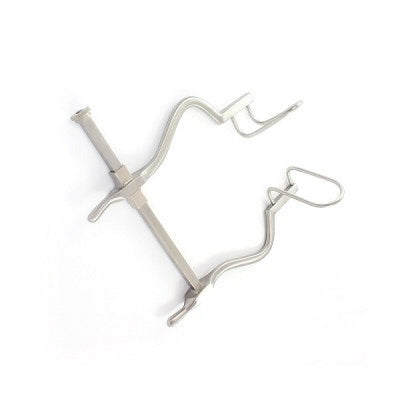
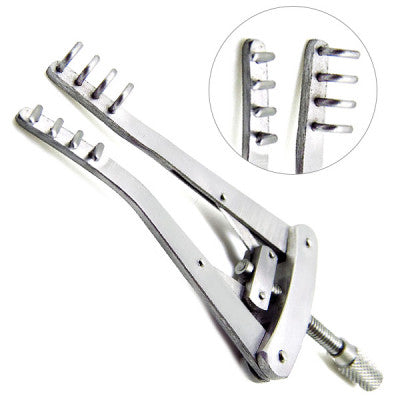
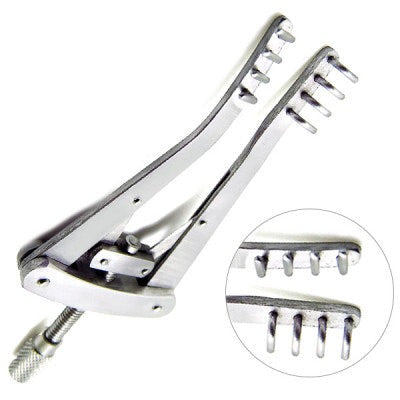
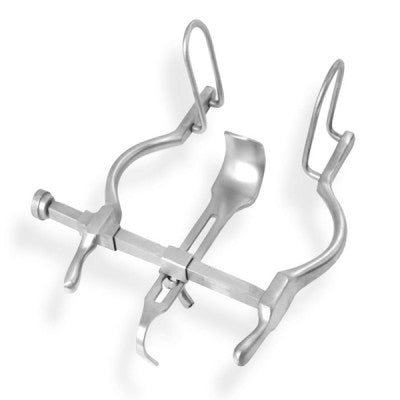
For general soft tissue exposure, the Alm Retractor is a small, self-retaining pattern suited to routine incisions and wound closure work. The Gelpi Retractor (standard, 90° angle, and with Speedlock) offers similar self-retaining function with sharp prongs for secure tissue purchase, useful across a range of general and orthopedic soft tissue procedures. The Holzheimer Retractor provides a self-retaining option for moderate wound exposure. The Beckman Weitlaner Retractor, with more prongs and a wider spread, suits larger exposure needs where a Gelpi or Alm pattern would be too small.
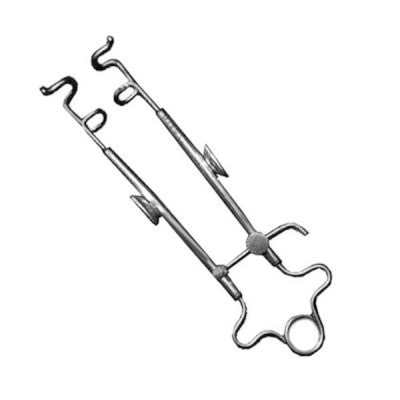
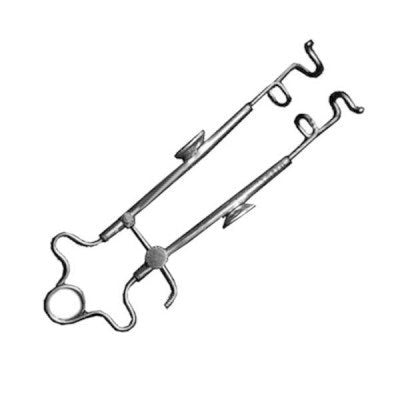
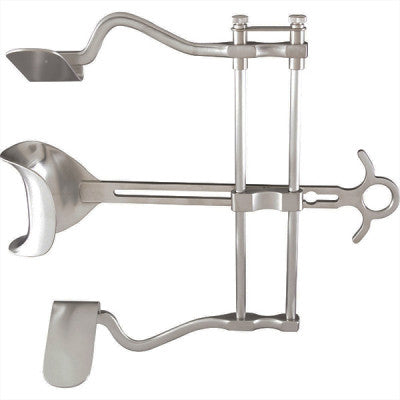
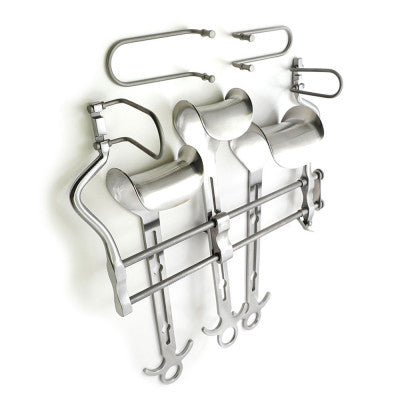
For abdominal surgery specifically, the Balfour Abdominal Retractor (standard spread and self-retaining adjustable versions) and the Gossett Abdominal Retractor hold the abdominal wall open during procedures like ovariohysterectomy, exploratory laparotomy, or abdominal mass removal — sized and shaped to handle the larger exposure these procedures need compared with a routine skin incision.
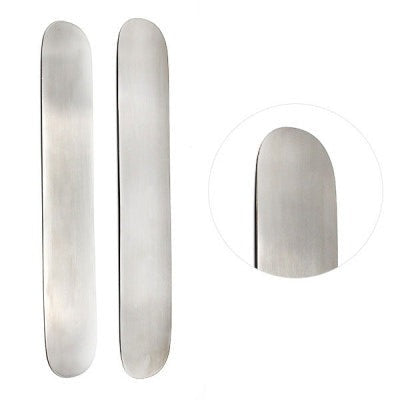
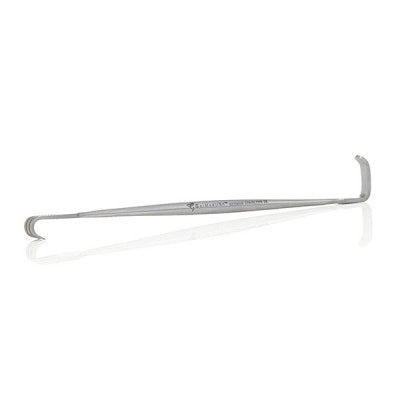
Hand-held options include the Senn Miller Retractor, a small double-ended prong retractor for fine exposure where an assistant's control matters more than hands-free operation, and Malleable Ribbon Retractors, which bend to the shape needed for a given procedure rather than offering one fixed geometry.
Choosing the Right Retractor
Selection depends on incision size and whether hands-free retraction is needed. Small incisions and routine procedures suit an Alm or Gelpi retractor. Larger abdominal procedures call for a Balfour or Gossett retractor, sized to hold a wider incision open. Malleable ribbon retractors offer flexibility when the exposure shape doesn't match a fixed-pattern instrument, and a Senn Miller retractor suits fine work where an assistant's manual control is preferred over a self-retaining mechanism.
Related Instruments
A soft tissue procedure typically pairs retractors with Intestinal Instruments for tissue handling, Hemostatic Forceps for vessel control, and Towel Clamps for draping. For eye specula and ophthalmic instruments specifically, see Veterinary Ophthalmic Instruments. Browse the full Veterinary Instruments catalog for the complete surgical range.
Ordering
Peak Surgicals manufactures and supplies veterinary surgical retractors in bulk for clinics and distributors worldwide, with international shipping — contact our team for a wholesale quote.
Frequently Asked Questions
What's the difference between a self-retaining and a hand-held retractor?
A self-retaining retractor, like the Gelpi or Alm pattern, holds itself open via a ratchet or lock, freeing the surgeon's hands. A hand-held retractor, like the Senn Miller, must be held in place by an assistant throughout the procedure.
What retractor is used for a spay (ovariohysterectomy)?
A Balfour or Gossett abdominal retractor is typically used to hold the abdominal incision open during a spay or other abdominal procedure, sized for the wider exposure these surgeries need.
What's the difference between a Gelpi and a Beckman Weitlaner retractor?
Both are self-retaining, but a Beckman Weitlaner has more prongs and a wider spread, suited to larger exposure needs than the smaller Gelpi pattern.
What is an Alm retractor used for?
An Alm retractor is a small, self-retaining soft tissue retractor used for routine incisions and general wound exposure.
Are these retractors also used for orthopedic procedures?
Yes — self-retaining patterns like the Gelpi and Beckman Weitlaner are commonly used across both soft tissue and orthopedic veterinary procedures wherever tissue needs to be held open for access.