
Featured Collection
Your cart
Featured Collection

PEAK SURGICALS
SKU:PS-OP-5312
Couldn't load pickup availability


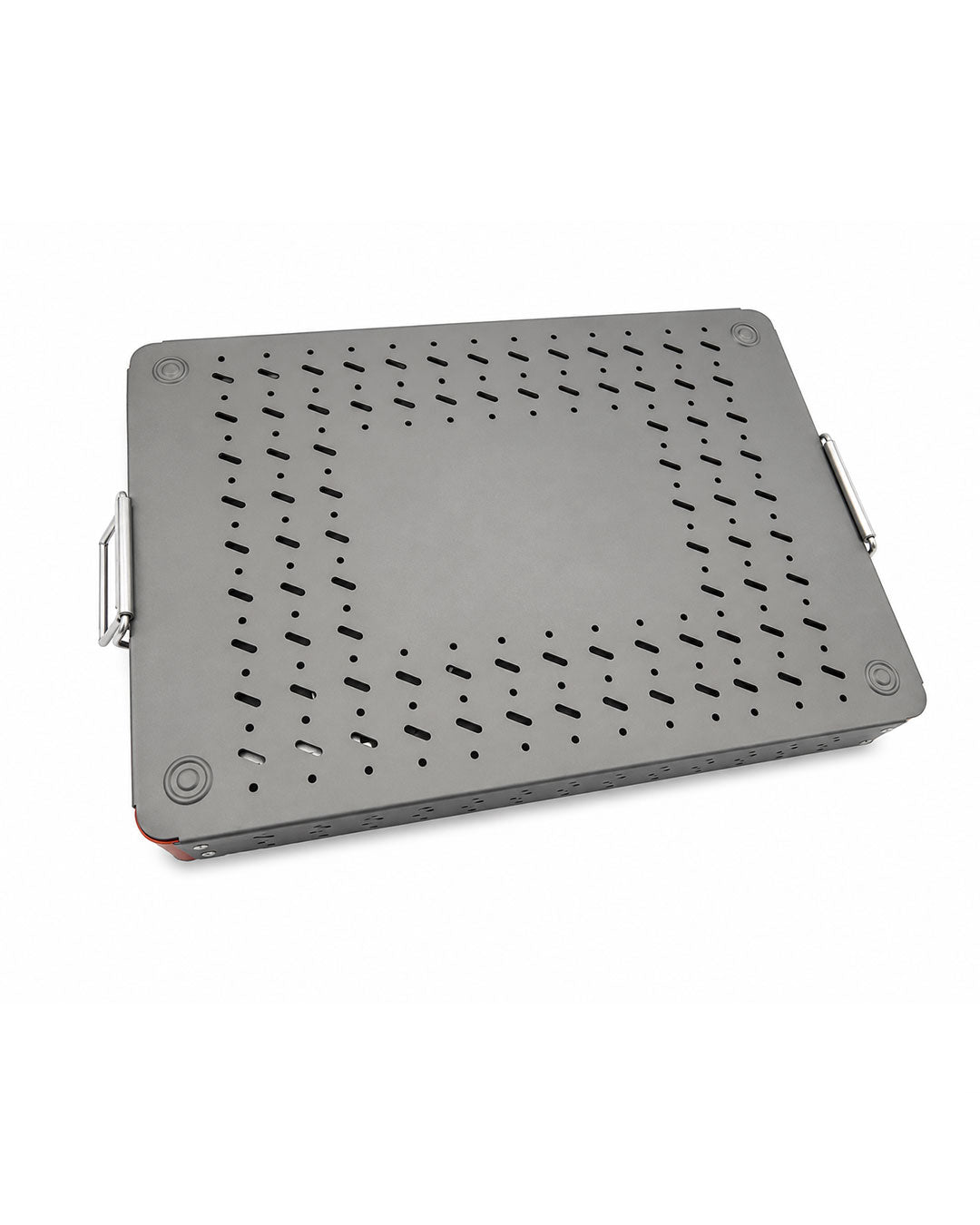
Rush Nail Instruments Set, SKU PS-OP-5312, is a 13-piece German-forged stainless steel orthopedic system for preparation, introduction, contouring, and extraction of compatible Rush intramedullary nails. The PS-385 composition includes Rush Nail Impactor/Introducer A, Impactor/Introducer B, 2.0 mm reamer, 2.5 mm reamer, 3.0 mm reamer, 3.5 mm reamer, 4.5 mm reamer, 5.0 mm reamer, 6.0 mm reamer, modified two-hook extractor, two Rush nail benders, and one sliding bone hammer. Orthopedic trauma surgeons use the system during selected intramedullary fixation and hardware-removal procedures involving the humerus, radius, ulna, femur, and tibia when the planned implant and operative technique specify a Rush nail. The instruments support staged canal sizing, nail contouring, engagement of the terminal implant geometry, axial advancement, final seating, and later retrieval. They are configured for operating rooms, trauma hospitals, ambulatory surgical centers, orthopedic specialty facilities, and instrument-distributor inventories. Rush nails are implants and are not included in this instrument composition; introducer selection, reamer diameter, nail curvature, and extraction method are matched to the compatible implant design and the surgeon’s preoperative plan.
Introducers A and B provide two working interfaces for engaging compatible Rush nail terminal patterns during advancement. Selection depends on which profile seats concentrically without rotational play, allowing impaction force to pass along the implant axis rather than across the entry cortex. The sliding bone hammer moves over a guide shaft and stops against its shoulder, converting controlled travel into axial impulses for insertion or extraction according to the connected instrument. Paired benders apply opposing leverage to the nail before implantation, permitting the surgeon to establish the curvature required for the planned medullary path without creating a sharp stress riser at one point. The reamers use progressively larger cutting diameters to open or calibrate the canal; their longitudinal shafts maintain the intended intramedullary trajectory while the cutting ends remove only the bone encountered by the selected size. During removal, the modified extractor’s two hooks engage the accessible nail end from separate contact points. This dual capture distributes the pulling load and reduces dependence on a single hook during reverse impaction. Once attached, the sliding hammer directs withdrawal along the pre-existing canal. The set therefore separates profile engagement, canal preparation, controlled contouring, forward impaction, and reverse extraction into dedicated mechanical steps.
Following fracture reduction and fluoroscopic planning, the surgeon selects an entry point that aligns with the medullary canal and remains clear of critical neurovascular structures and the physis where relevant. Sequential preparation begins with the smallest reamer that safely enters the planned tract, then progresses according to canal diameter and the compatible nail specification. Before insertion, the two benders contour the implant to follow the long-bone trajectory and establish the intended elastic contact. Introducer A or B is seated on the nail end, and controlled blows from the sliding bone hammer advance the construct across the fracture while alignment and rotation are monitored. In humeral fixation, the approach is planned with attention to the radial nerve; radial and ulnar procedures require preservation of forearm rotation and separate canal alignment. Femoral and tibial use requires maintenance of length, axis, and rotational control throughout passage. Final seating leaves the implant end positioned for the selected management and any anticipated removal. During later explantation after union or revision of a symptomatic construct, the nail end is exposed, the two-hook extractor obtains purchase, and reverse hammer strokes withdraw the metal along the established intramedullary path without levering directly against the cortical margin.
The 2.0 and 2.5 mm reamers provide the smallest working diameters for narrow medullary pathways and smaller compatible Rush nails, including selected forearm or pediatric long-bone cases. The 3.0 and 3.5 mm sizes support intermediate canal preparation where the implant plan requires incremental enlargement rather than immediate use of a larger cutter. A 4.5 mm reamer bridges the smaller and large-bore options for compatible humeral, femoral, or tibial constructs. The 5.0 and 6.0 mm instruments address progressively wider canals and nail diameters in larger anatomy. Selection is based on preoperative imaging, canal morphology, cortical thickness, implant dimensions, fracture level, and the manufacturer’s operative technique. Each increase should follow the established intramedullary trajectory and maintain tactile awareness of cortical contact. Introducer A or B is chosen by terminal nail geometry, not bone name. Both benders are used together to distribute contouring force across a controlled segment. The modified two-hook extractor is reserved for a nail end that can be safely exposed and captured, while the sliding bone hammer provides the axial energy for either directed advancement or retrieval. The complete progression is planned to preserve cortical support and avoid unnecessary canal enlargement.
German-forged stainless steel supplies the hardness required at reamer flutes, hook surfaces, introducer interfaces, and bender contact zones while retaining toughness under repeated manual impact and torsional loading. Corrosion resistance supports validated cycles of point-of-use soil removal, cleaning, rinsing, drying, inspection, packaging, and steam sterilization. The satin finish limits reflected light in the operative field and allows processing personnel to identify residual soil, pitting, bent shafts, blunt cutting profiles, distorted hooks, or damaged engagement surfaces. Reamer flutes are brushed along their geometry, and extractor hooks receive direct inspection for symmetry and deformation. Sliding-hammer components are separated to the extent permitted by their design so the guide shaft, stops, and internal contact areas can be cleaned and dried. The set is supplied non-sterile and requires reprocessing before initial and subsequent procedures under the healthcare facility’s validated reusable-instrument protocol. CE documentation supports applicable European conformity assessment, and ISO 13485 identifies manufacture within a medical-device quality management system. For United States purchasing, FDA classification, registration, listing, labeling, and importer documentation are assessed independently because CE marking and ISO certification are not FDA approval. Coded inventory records support receiving, case-cart preparation, instrument counts, component replacement, and distributor service.
| Code | PS-385 Rush Nail Instruments Set | Units |
|---|---|---|
| PS-385.101M | Rush Nail Impactor / Introducer A | 1 |
| PS-385.102M | Rush Nail Impactor / Introducer B | 1 |
| PS-385.105 | Rush Nail Reamer Ø2.0 mm | 1 |
| PS-385.106 | Rush Nail Reamer Ø2.5 mm | 1 |
| PS-385.107 | Rush Nail Reamer Ø3.0 mm | 1 |
| PS-385.108 | Rush Nail Reamer Ø3.5 mm | 1 |
| PS-385.109 | Rush Nail Reamer Ø4.5 mm | 1 |
| PS-385.110 | Rush Nail Reamer Ø5.0 mm | 1 |
| PS-385.111 | Rush Nail Reamer Ø6.0 mm | 1 |
| PS-385.121 | Rush Nail Extractor with Two Hooks, Modified | 1 |
| PS-385.123 | Rush Nail Bender | 2 |
| PS-385.125 | Sliding Bone Hammer | 1 |
| Specification | Details |
|---|---|
| SKU | PS-OP-5312 |
| Product Name | Rush Nail Instruments Set |
| Price | $826.09 USD |
| Size/Gauge Variants | Reamers: 2.0, 2.5, 3.0, 3.5, 4.5, 5.0, and 6.0 mm; introducer patterns: A and B |
| Instrument Category | Orthopedic intramedullary fixation and implant-removal instrumentation |
| Procedure | Rush nail canal preparation, contouring, introduction, impaction, and extraction |
| Material | German-forged stainless steel |
| Finish | Satin, low-reflection finish |
| Sterilization | Supplied non-sterile; clean and steam sterilize under the healthcare facility’s validated reusable-instrument protocol |
| Instrument Classification | Reusable manual orthopedic surgical instrument set |
| Reusable | Yes |
| Certifications | CE & ISO 13485; FDA-compliant procurement documentation |
| Warranty | 1-year warranty against manufacturing defects |
| MOQ | 1 set |
| OEM / Custom Orders | Available for laser marking, set configuration, packaging, and distributor programs |
| After-Sale Service | Technical support, component replacement coordination, and warranty assistance |
How does a Rush Nail Instruments Set differ from a TENS nail instrument set?
The Rush Nail Instruments Set uses A and B introducers, a 2.0–6.0 mm reamer sequence, paired benders, a modified two-hook extractor, and a sliding bone hammer. A TENS nail instrument set centers on paired elastic-nail insertion with dedicated inserters, impactors, drill guides, cutters, reduction tools, and sometimes end-cap instruments. Rush nail fixation uses the terminal geometry and contouring method specified for compatible Rush implants. TENS technique normally relies on paired prebent elastic nails establishing balanced three-point fixation. The sets therefore differ in implant interface, canal-preparation range, bending method, terminal management, and extraction connection. Instruments from one system are used with another only when their documented compatibility and operative technique explicitly support that combination.
How is the correct Rush nail reamer diameter selected?
Selection begins with preoperative imaging, medullary canal dimensions, cortical thickness, fracture level, and the intended implant diameter. The 2.0 and 2.5 mm reamers address narrower canals and smaller compatible nails. The 3.0 and 3.5 mm instruments provide incremental preparation for intermediate anatomy. Diameters of 4.5, 5.0, and 6.0 mm are reserved for progressively larger canals and corresponding constructs in the humerus, femur, or tibia. The surgeon advances through the required sequence while maintaining the planned intramedullary trajectory and monitoring cortical contact. The Rush Nail Instruments Set supplies discrete sizes so canal preparation can match the selected implant without uncontrolled enlargement.
What do CE, ISO 13485, and FDA requirements mean for procurement?
CE documentation addresses applicable European conformity requirements for the Rush Nail Instruments Set. ISO 13485 identifies a quality management system governing medical-device manufacture, traceability, controlled records, and corrective action. These designations are separate from United States FDA approval. US hospitals and distributors evaluate the applicable device classification, establishment registration, listing, labeling, importer, and shipment documentation. Procurement files retain the quotation, SKU, instructions for use, lot or batch identification, and supplied conformity records. This separation supports accurate credentialing for US, European, Pakistani, Vietnamese, and other international orders.
How do the introducers, benders, extractor hooks, and sliding hammer function?
Introducer A or B engages the compatible nail terminal profile and transfers insertion force along the implant axis. Two benders apply opposing leverage to create a controlled curve before the nail enters the canal. During advancement, the sliding bone hammer delivers axial impulses through the coupled introducer while the surgeon maintains trajectory and rotation. For removal, the modified extractor places two hooks around or through the accessible terminal feature. Dual contact distributes tensile load across two engagement points and helps preserve the extraction axis. The Rush Nail Instruments Set then uses reverse sliding-hammer strokes to withdraw the nail along its established medullary path.
How should hospitals process and reconcile the Rush nail set?
The Rush Nail Instruments Set is supplied non-sterile and requires processing before initial use and after every operation. Reamers are cleaned along their flutes, and the extractor hooks, introducer interfaces, bender surfaces, hammer shaft, and stops receive direct brushing and inspection. Detachable sliding-hammer components are separated to the extent permitted by their design. The count includes one of each introducer, seven reamers, one extractor, two benders, and one sliding bone hammer. After rinsing, complete drying, and functional inspection, the instruments are packaged and steam sterilized under the facility’s validated reusable-instrument cycle. PS-385 codes support operating-room reconciliation, distributor records, replacement requests, and warranty service.


