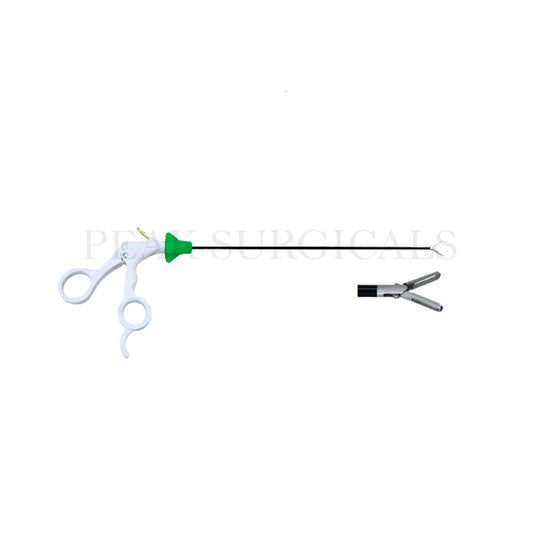
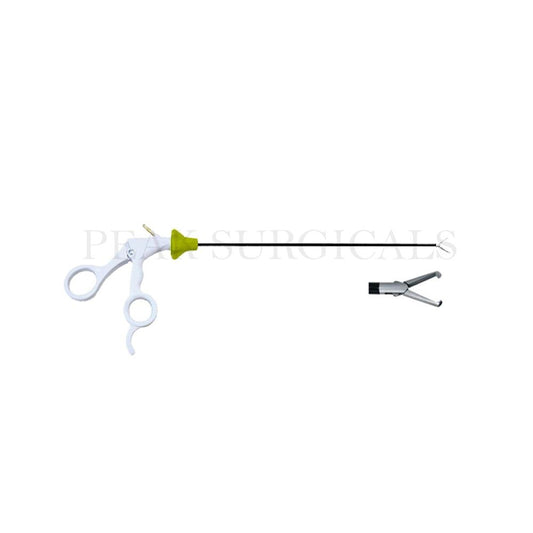
Electrosurgical Laparoscopic Instruments for Cutting and Grasping
Laparoscopic surgery depends on long, slim instruments that do their work through small ports. When these instruments also carry electrosurgical current, the quality of the insulation and the feel of the jaws matter even more. Our electrosurgical laparoscopic instruments collection brings together monopolar scissors and grasping forceps for surgeons, residents and hospital purchasing teams who want clearly described instruments at clear prices. Whether you are equipping an operating theatre, a day-surgery unit or a training centre, you can compare each pattern and build a set that suits your technique and your generator setup.
Types of Electrosurgical Laparoscopic Instruments We Offer
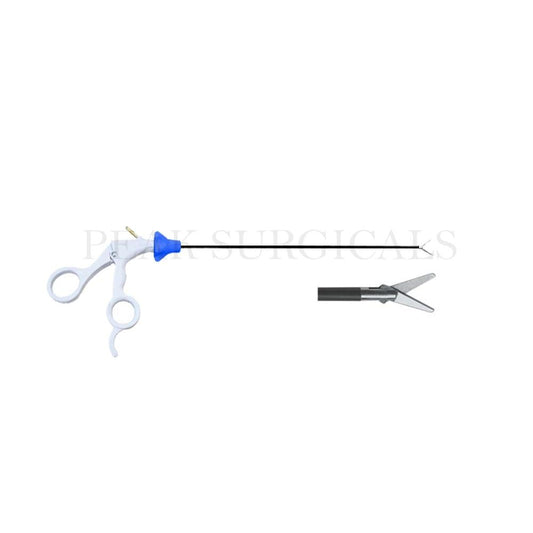
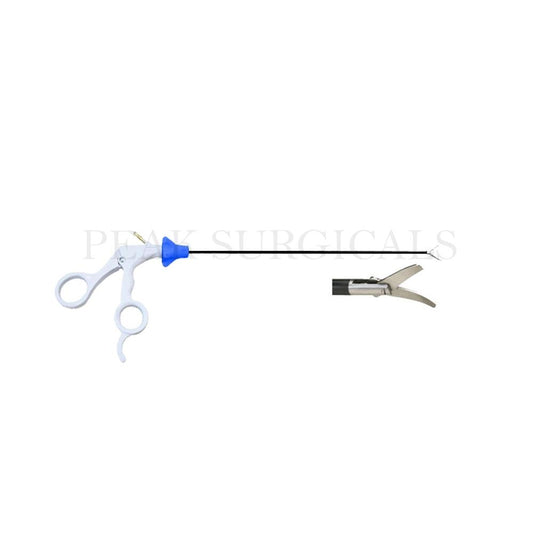
Monopolar scissors. The Monopolar Scissor Straight and the Monopolar Scissor Curved are designed for cutting tissue with the option of electrosurgical energy. The Metzabaum Scissor offers a familiar pattern for dissection.
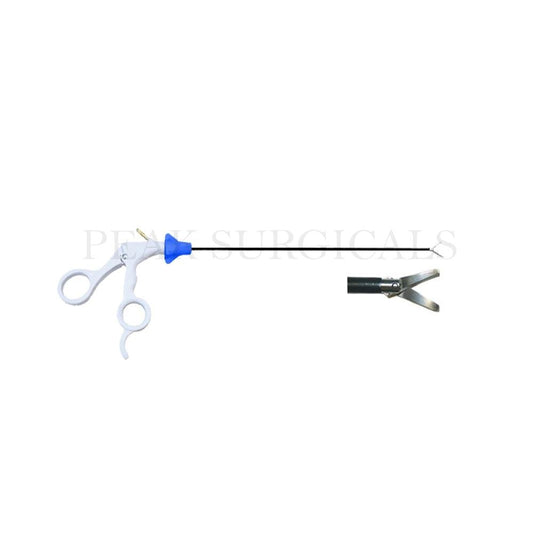
Grasping forceps. The Grasping Forceps Maryland has a curved jaw suited to dissecting and holding fine tissue. The Grasping Forceps is a general-purpose option for holding tissue.
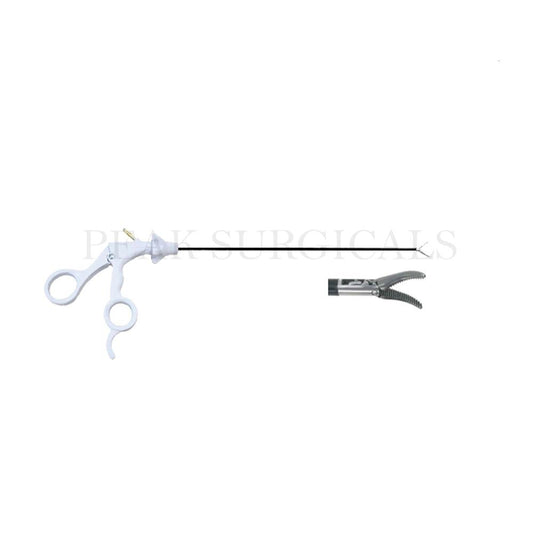
Babcock forceps. The Babcock Grasping Forceps are made for handling tissue gently, which makes them useful for structures such as bowel.
Why Instrument Quality Matters
Electrosurgical instruments must be handled with care. A damaged insulation layer, a loose connection or a poorly aligned jaw can reduce control and create safety risks for the patient and the team. Inspect every instrument before and after each case, follow the manufacturer's instructions and your facility's electrosurgery protocol, and remove any instrument with visible damage from use. Reliable instruments also keep a case moving, because fewer adjustments and replacements mean fewer interruptions for the surgical team. Good habits at the reprocessing stage, such as careful handling and prompt cleaning, extend the working life of every instrument you buy. After cleaning, protect your instruments in sterilization baskets and follow your facility's reprocessing protocol.
How to Choose the Right Instrument
-
Task: Choose scissors for cutting, Maryland forceps for dissection and Babcock forceps for gentle holding.
-
Shape: Pick straight or curved scissors to match your angle of approach.
-
Compatibility: Confirm that the connector suits your generator and cable, and check the shaft diameter and length against your trocars.
-
Reprocessing: Check that the design can be cleaned and reprocessed according to your protocol.
Keep spare instruments available, so a single damaged tip never delays a case. Always read each product page carefully before you order, and compare patterns if you build a new set.
Complete Your Laparoscopic Set
Laparoscopic work uses many instruments together. Explore these related categories to build a full set, from energy and cutting through to holding and instrument care:
Ordering from Peak Surgicals
We ship worldwide, and orders above $99 qualify for free shipping. See our shipping policy for details. Not sure which instruments suit your procedures? Contact our team and we will help you choose.
Frequently Asked Questions
1. What are electrosurgical laparoscopic instruments?
They are long, slim instruments used through ports in minimally invasive surgery, and they can carry electrosurgical current to cut or coagulate tissue. Browse the full electrosurgical laparoscopic instruments collection to see the available patterns.
2. What is the difference between monopolar and bipolar instruments?
With monopolar instruments, current passes through the patient to a return pad, while bipolar instruments carry current between two tips of the same instrument. Choose based on your procedure and your facility's electrosurgery protocol. See our bipolar options for comparison.
3. What is the difference between Maryland and Babcock forceps?
Maryland forceps have curved, fine jaws that suit dissection, while Babcock forceps have a broader, atraumatic jaw for holding tissue gently. Many surgeons use both in the same case.
4. How should I inspect and care for these instruments?
Check the insulation, jaws and connectors before and after each use, and take any damaged instrument out of service. Follow the manufacturer's cleaning and sterilization instructions and your facility's protocol.
5. Do you ship internationally, and is shipping free?
Yes, we ship worldwide, and orders above $99 qualify for free shipping. Delivery details are in our shipping policy, and you can reach our team through the contact page.