Dental Matrix Bands & Retainers
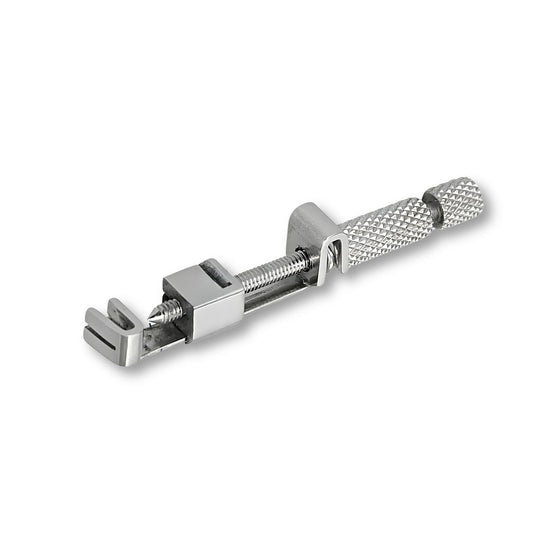
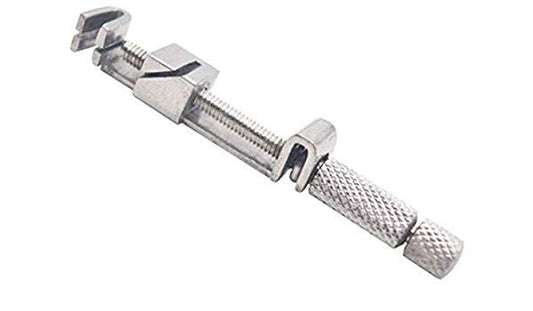
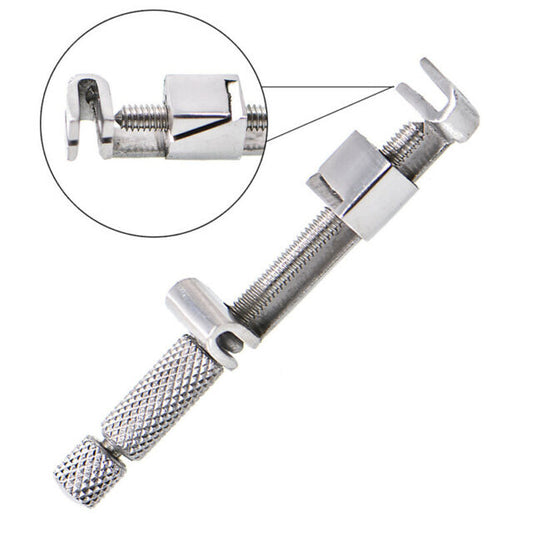
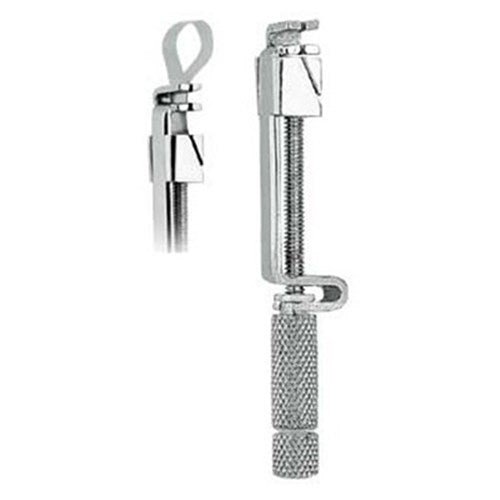
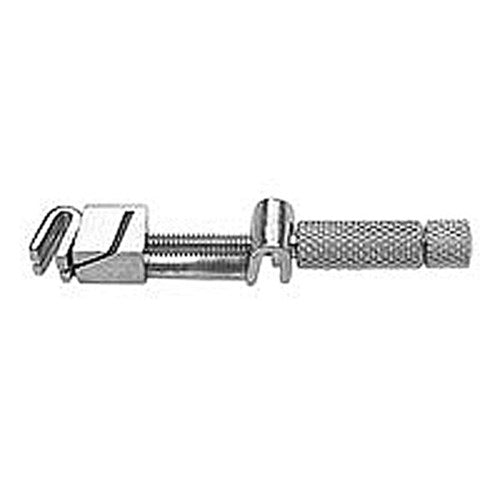
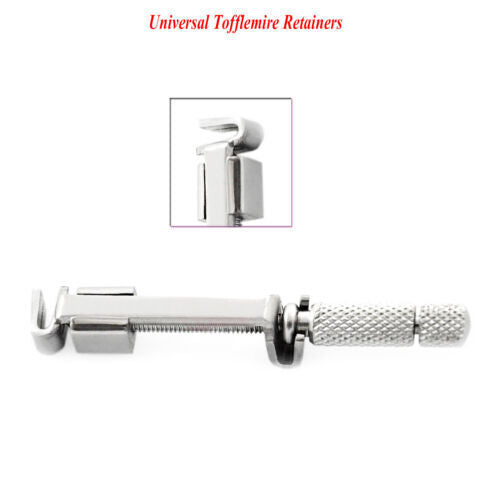
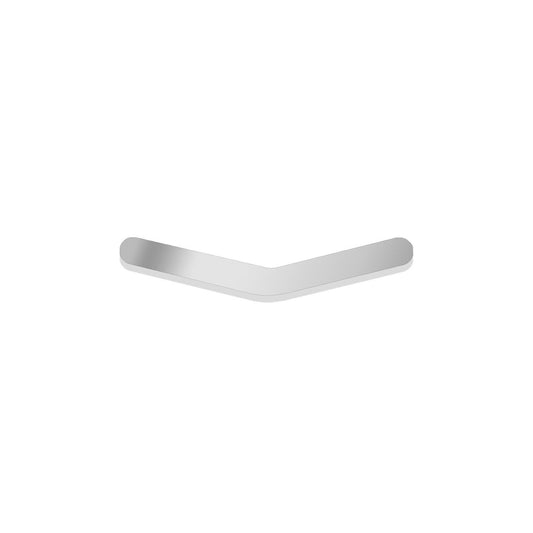
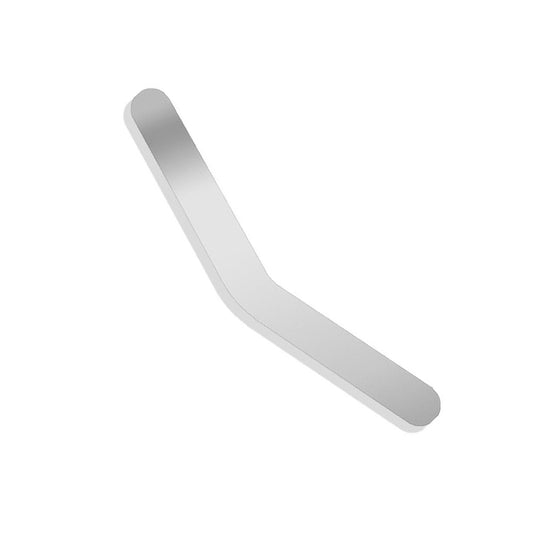
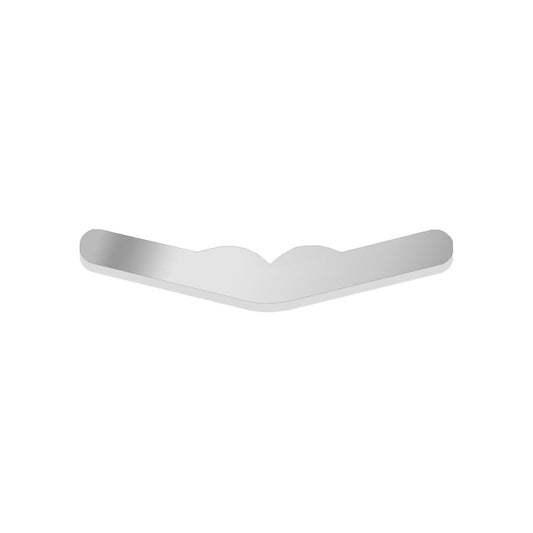
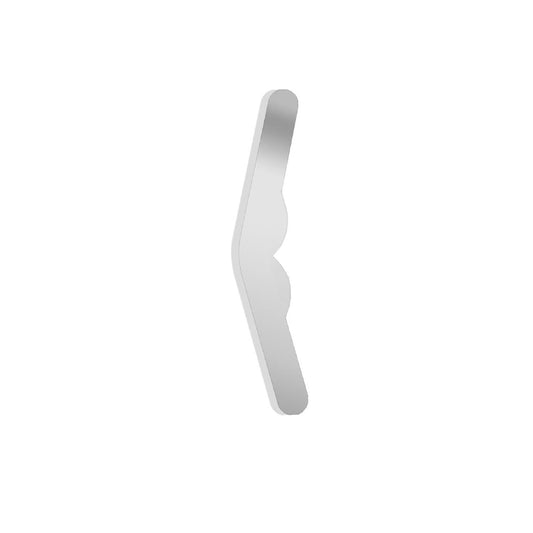
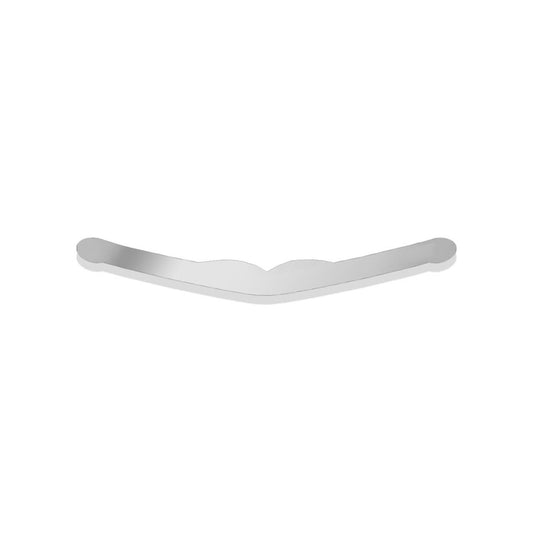
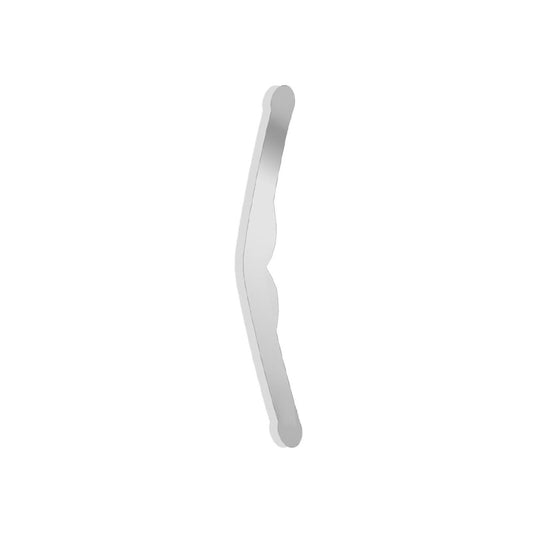
A dental matrix band is a thin metal strip wrapped around a tooth to temporarily replace a missing wall — most often the proximal (side) wall lost to decay — so a clinician can pack and shape composite or amalgam filling material against it rather than into open space. The matrix retainer is the metal instrument that holds the band in place and tightens it snugly around the tooth while the restoration is placed. Together, band and retainer form one of the most routine tool pairings in restorative dentistry.
What's in This Collection
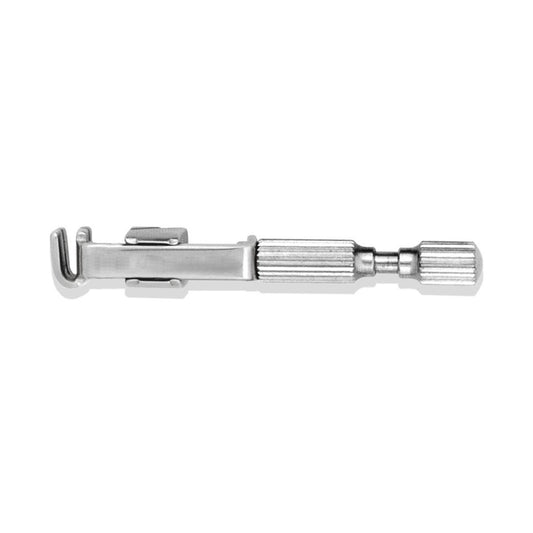
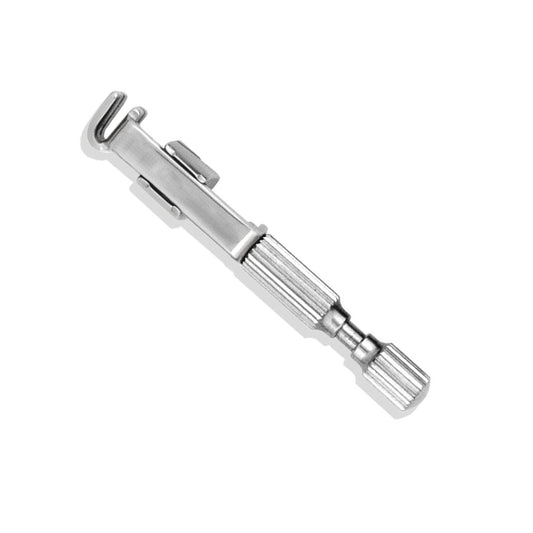
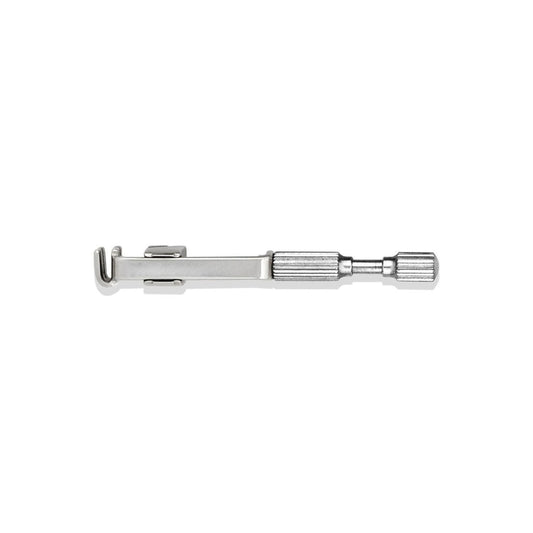
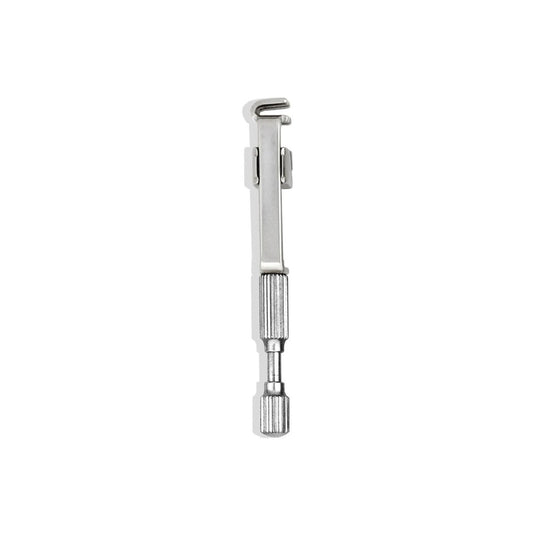
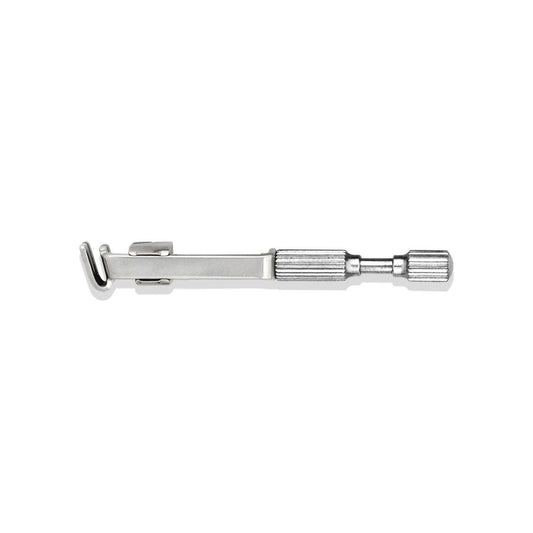
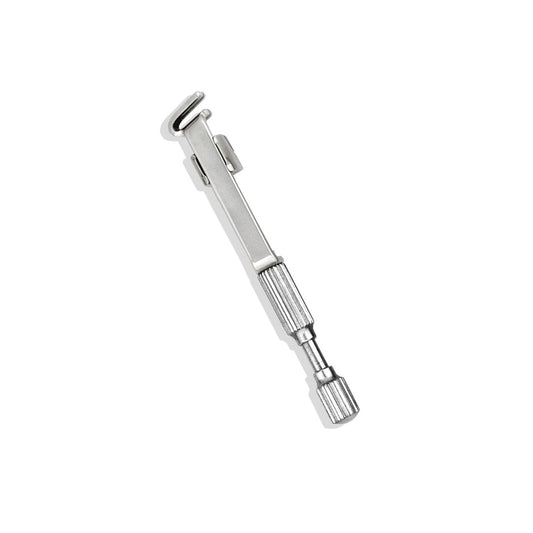
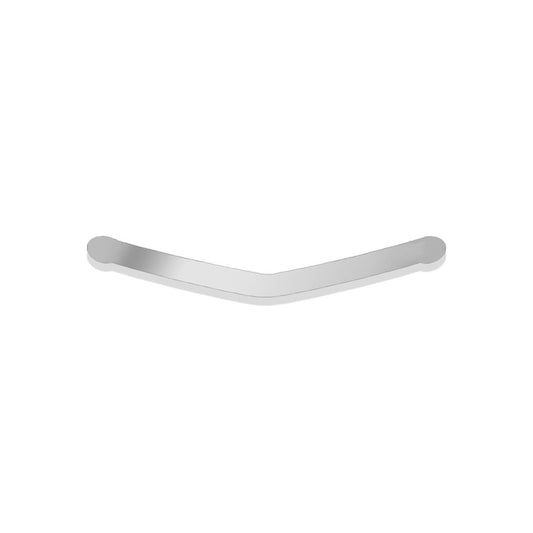
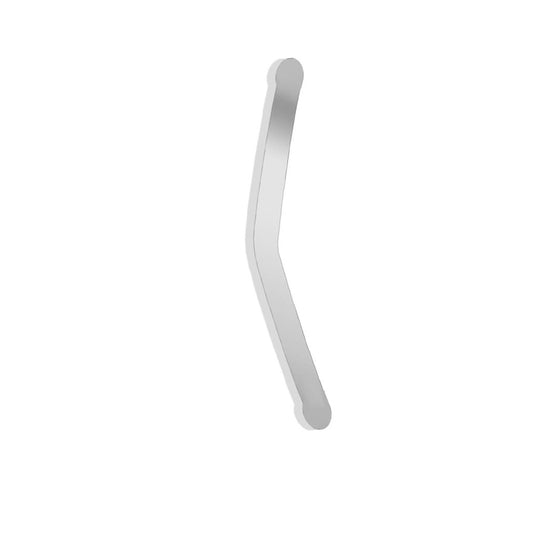
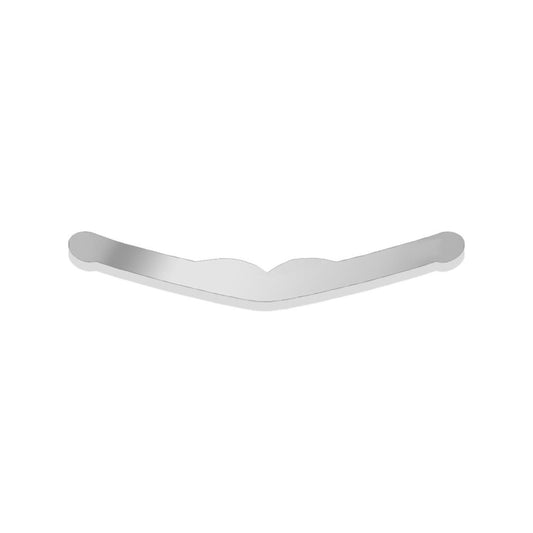
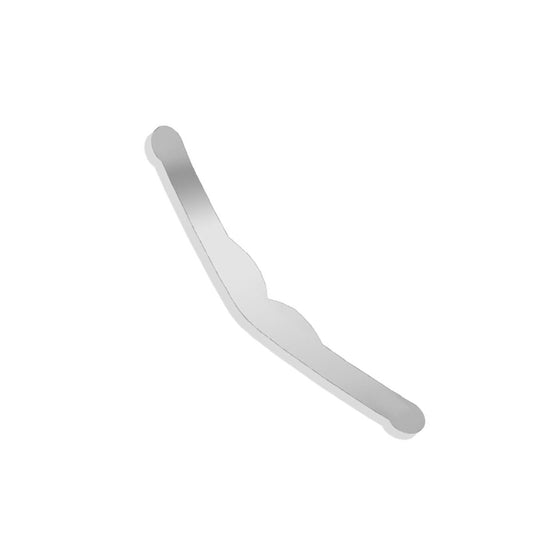
The core of this collection is the Tofflemire-style universal matrix retainer — sold here under both the "Tofflemire" and "Toffelmeyer" spelling, along with a Henry Schein-branded version — available in child, adult, universal, and angled configurations to fit different arch sizes and access angles. Matching Tofflemeyer matrix bands come in universal, broad, narrow, and junior sizes for pediatric cases. The Siqveland matrix band and retainer system (wide and narrow bands) offers an alternative circumferential design favored by some clinicians for its lower profile. The Nystrom matrix retainer is supplied as a left-and-right pair, designed for posterior access where a standard Tofflemire retainer doesn't seat well.
Choosing Between Retainer Types
A Tofflemire retainer is the standard choice for most Class II restorations and is what most dental schools train on first. A Siqveland retainer sits lower against the tooth, which some clinicians prefer for posterior access or patients with limited mouth opening. A Nystrom retainer's left/right pairing is built specifically for hard-to-reach distal surfaces. Band width and size should be matched to the tooth being restored — junior and narrow bands for smaller pediatric teeth, broad and adult sizes for full posterior adult restorations.
Related Instruments and a Note on Sectional Systems
This collection covers circumferential (band-and-retainer) matrix systems. If you're specifically looking for a sectional matrix system — the ring-and-strip alternative some clinicians prefer for tight interproximal contacts — that's a different product category we don't currently stock, worth flagging as a gap if that search demand matters to your catalog. For the rest of a restorative setup, pair this collection with Amalgam Carriers, Amalgam Carvers, and Amalgam Pluggers for material placement and shaping, and Cavity Preparation Instruments for the step before band placement. Browse the full Dental Instruments catalog for everything else in a restorative kit.
Frequently Asked Questions
What is a dental matrix band used for?
A matrix band is a thin metal strip wrapped around a tooth to replace a missing wall — typically after decay removal — giving the clinician a surface to pack filling material against during a restoration.
What's the difference between a matrix band and a matrix retainer?
The band is the thin strip that wraps around the tooth; the retainer is the metal instrument that holds and tightens the band in place while the restoration is completed.
Is a matrix retainer the same as an orthodontic retainer?
No. A matrix retainer is a restorative instrument used during a filling procedure. An orthodontic retainer is a separate device worn after braces to keep teeth in position — the two share a name but serve entirely different purposes.
What's the difference between a Tofflemire and a Siqveland retainer?
A Tofflemire retainer is the more common universal design, suited to most Class II restorations. A Siqveland retainer sits with a lower profile against the tooth, which some clinicians prefer for posterior access or limited mouth opening.
What size matrix band should I use for a pediatric restoration?
Junior or narrow Tofflemeyer bands are sized for smaller primary teeth, while broad and adult universal bands are intended for full-sized posterior adult teeth.