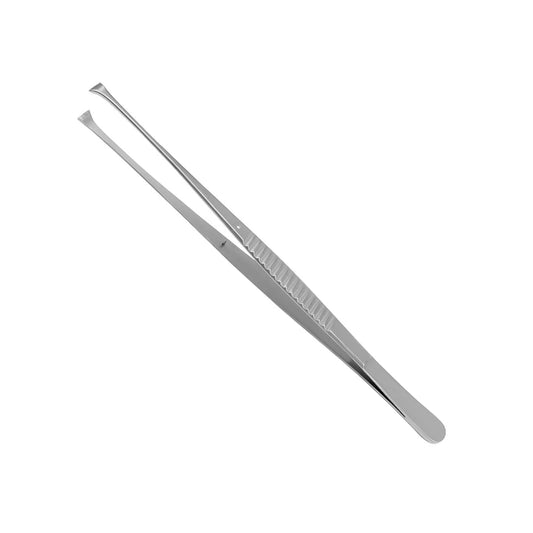
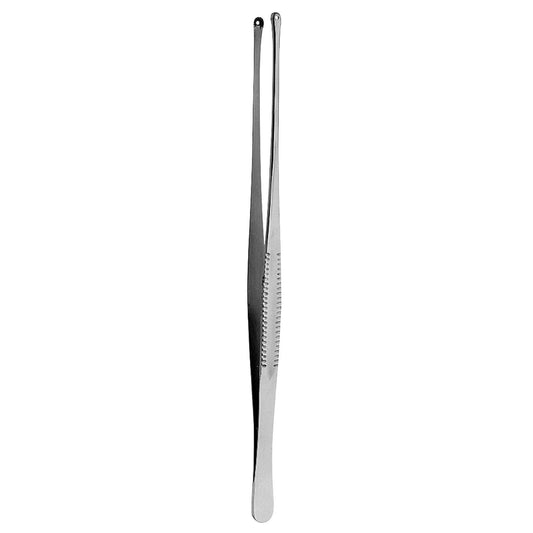
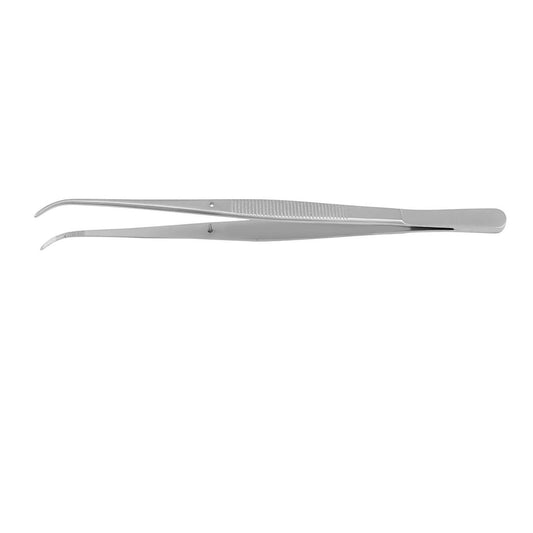
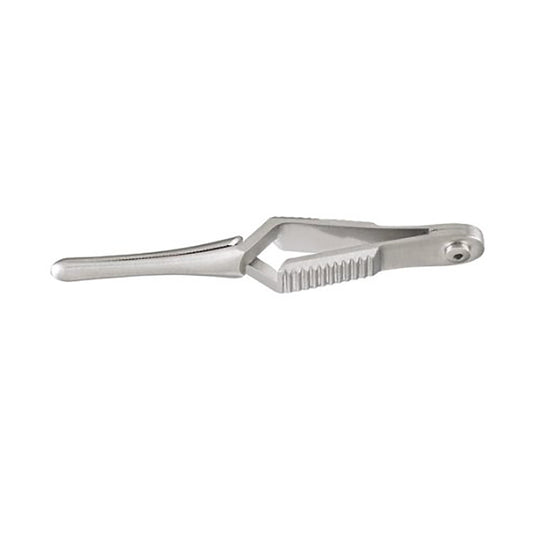
A Complete Cardiovascular Tray
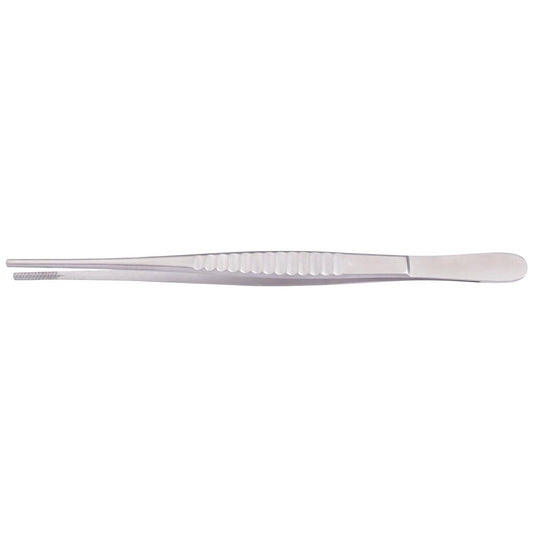
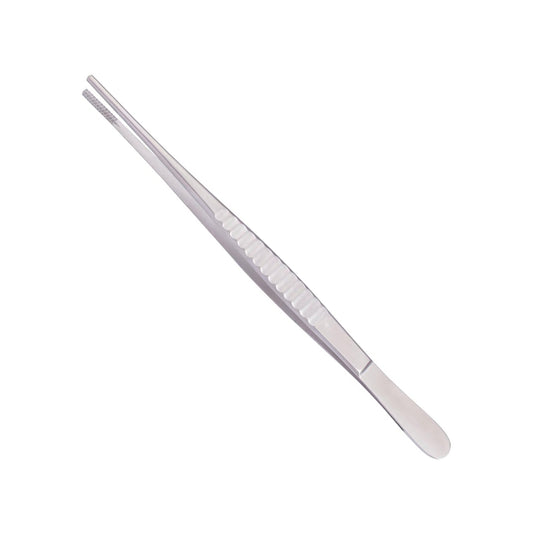
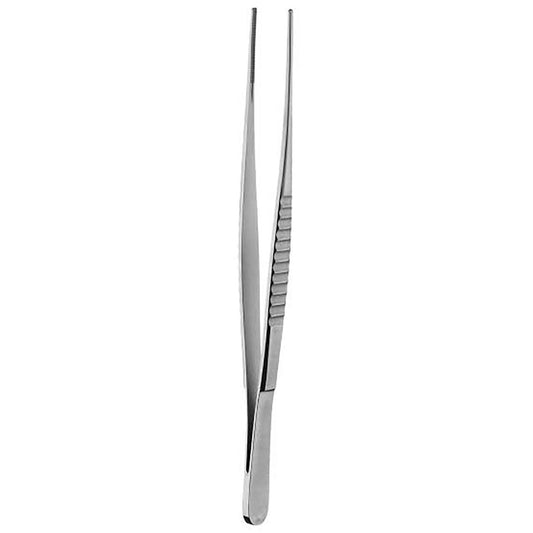
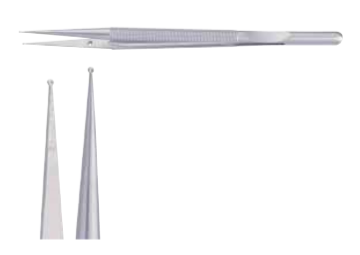
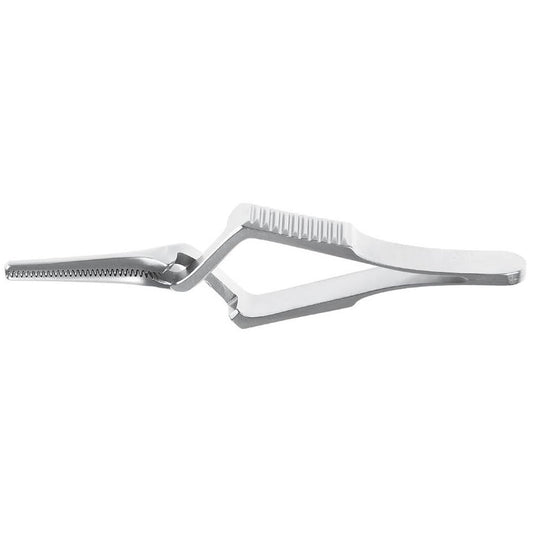
Dissecting forceps rarely work alone in a cardiac or vascular case. Vessel and tissue division alongside grasping work calls for Cardiovascular Scissors for general cutting and Cardiovascular Micro Scissors to match the micro forceps patterns above for fine anastomosis work. Once a vessel is prepared, closure runs through a Cardiovascular Needle Holder sized to the suture and field depth.
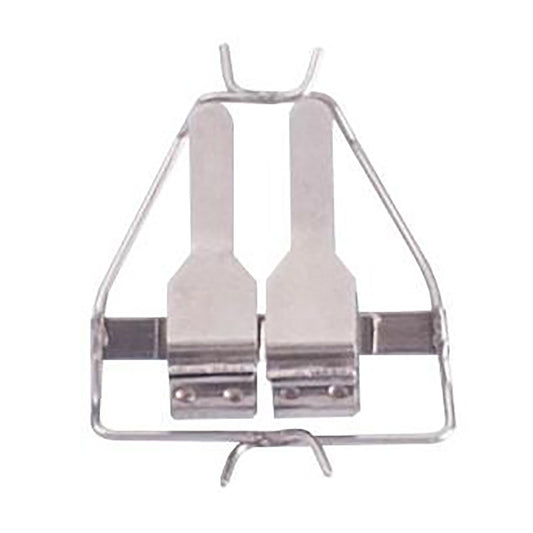
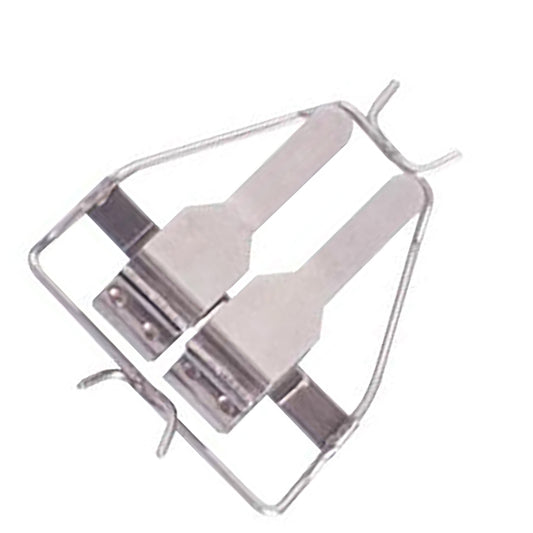
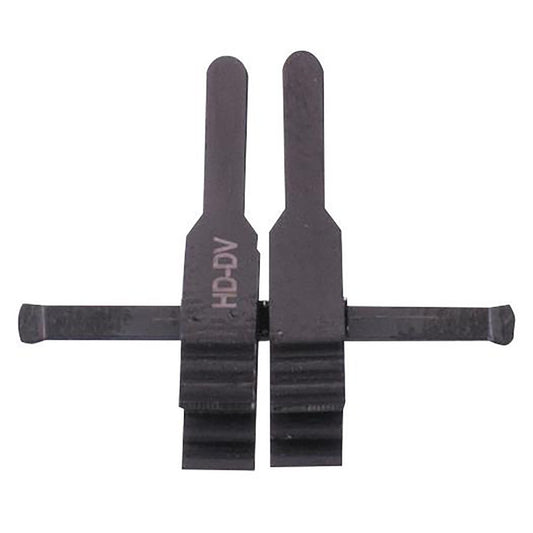
For chest access before any tissue handling begins, Cardiovascular Rib Spreaders hold the thoracotomy open, and Cardiovascular Rib Shears handle rib resection where spreading alone isn't enough. Cardiovascular Retractors and Cardiovascular Hooks extend exposure within the field once access is established, holding valve leaflets, lung tissue, or rib margins out of the working area so the forceps patterns above have room to work. For clamping rather than grasping, see Cardiovascular Clamps; for dressing and ligature-pattern forceps outside the dissecting range covered here, see Cardiovascular Forceps.
Material, Reprocessing and Certification
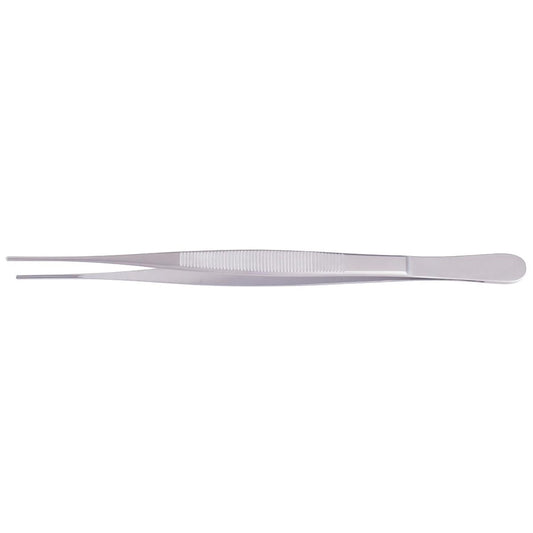
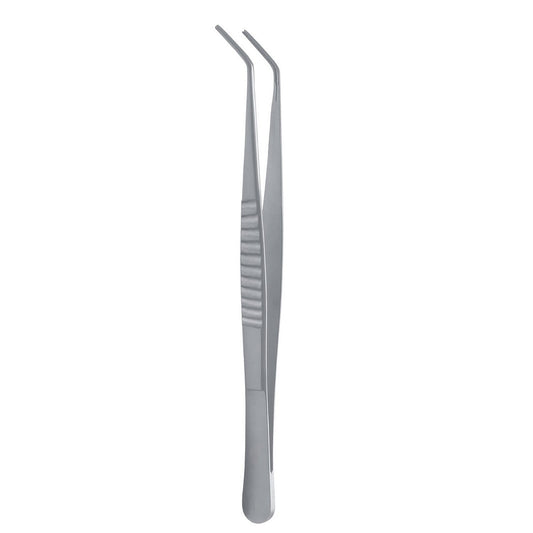
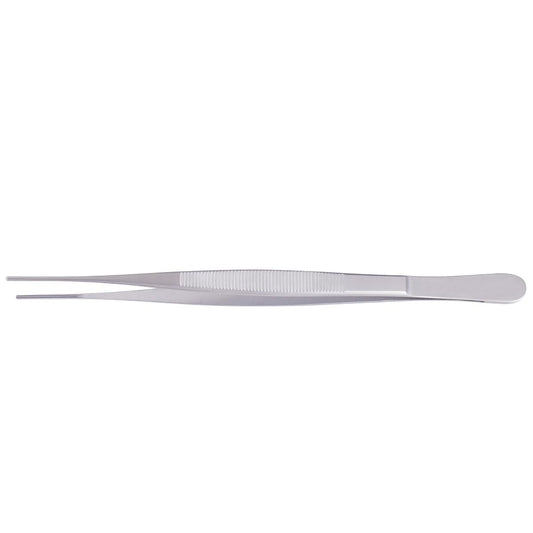
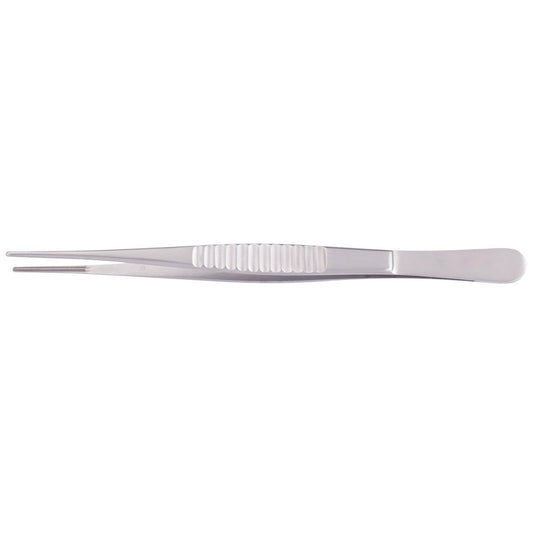
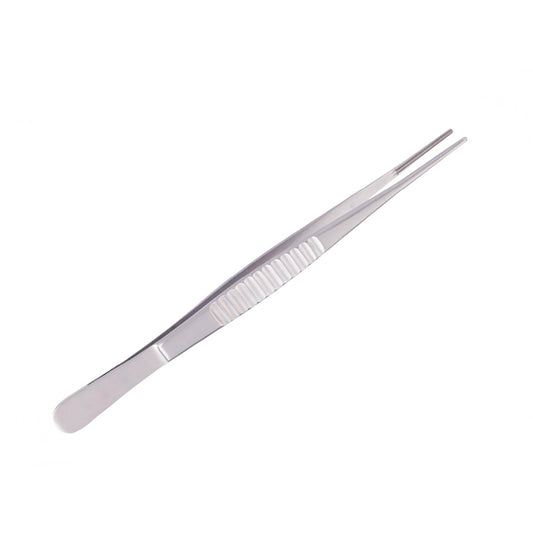
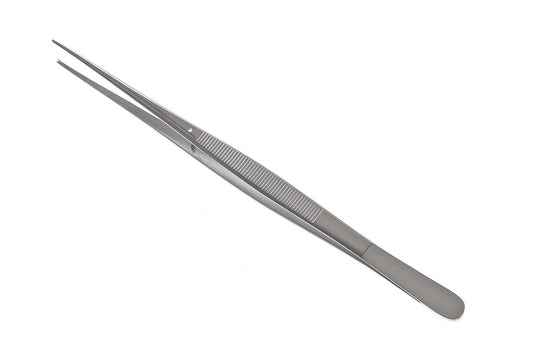
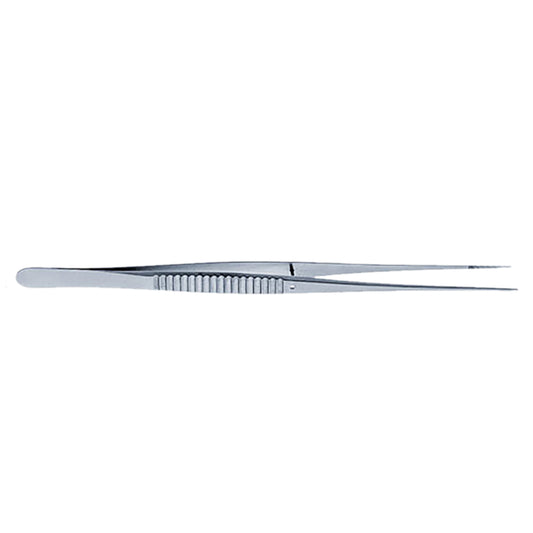
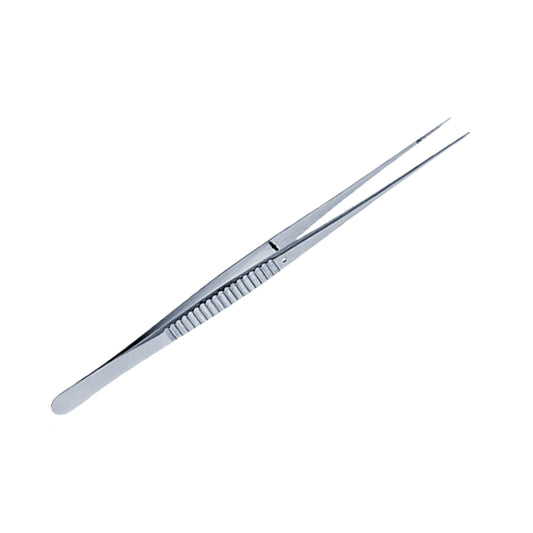
Every pattern is forged from German stainless steel and passivated for corrosion resistance through repeated cycles. The inspection point that matters most is tip closure: hold the forceps to light with the jaws closed and check that the serrated faces meet across their full length with no daylight at the tip. Clean immediately after use before protein dries, using a neutral-pH enzymatic solution and a soft brush along the serrations, then rinse with deionised water and dry fully before autoclaving at 134°C.
These are Class I reusable devices, CE marked and built under ISO 13485, backed by a one-year manufacturing warranty. We ship at MOQ 1 with free shipping over $99, and OEM and private-label production is available for distributors. To browse the complete cardiac and vascular range, visit Cardiovascular Instruments. Talk to us about OEM and volume terms.
Frequently Asked Questions
What's the difference between a Debakey and a Cooley forceps?
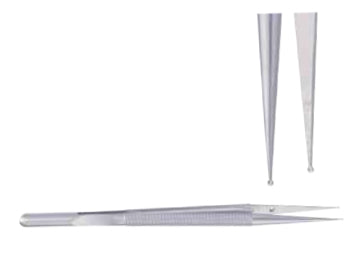
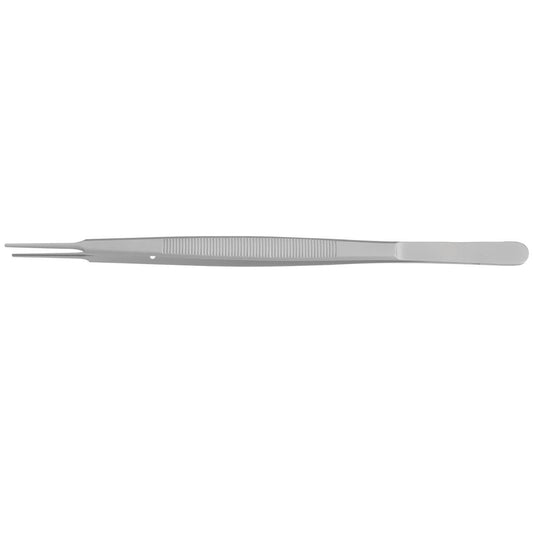
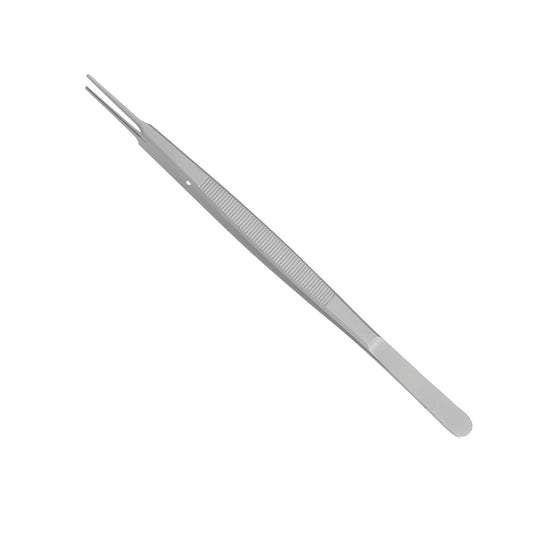
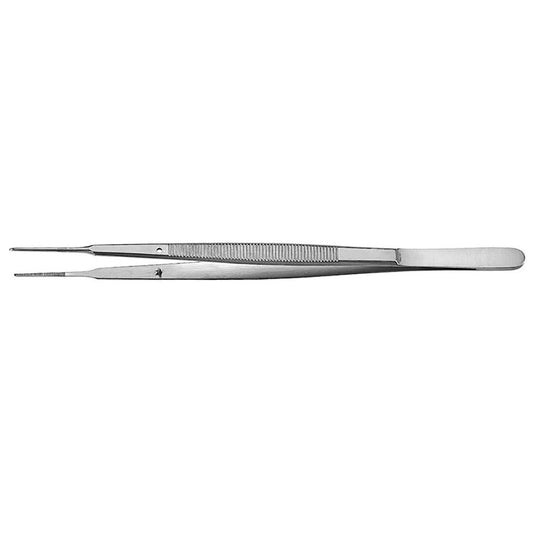
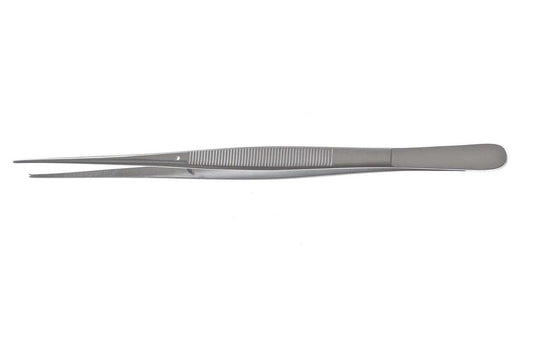
Both are vascular tissue forceps with fine atraumatic serrations, but a Cooley forceps has a shorter working bite, suited to valve and coronary exposure where a long Debakey jaw is awkward to maneuver in a confined field.
Why do Debakey forceps have serrations instead of teeth?
Fine, shallow serrations spread closing force across a wide contact area rather than concentrating it at a few points, which holds the vessel wall securely without tearing the intima — a few deep teeth would puncture the tissue instead of gripping it.
What's the difference between a standard Debakey forceps and a Debakey Diethrich forceps?
The Diethrich variant narrows the tip specifically for coronary-caliber vessels, while the standard Debakey pattern suits larger aortic and graft-scale vascular work.
When would I use Mayo Russian forceps instead of a Debakey pattern?
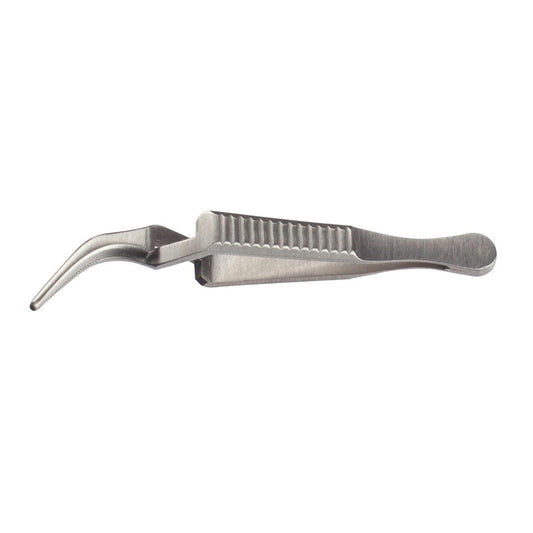
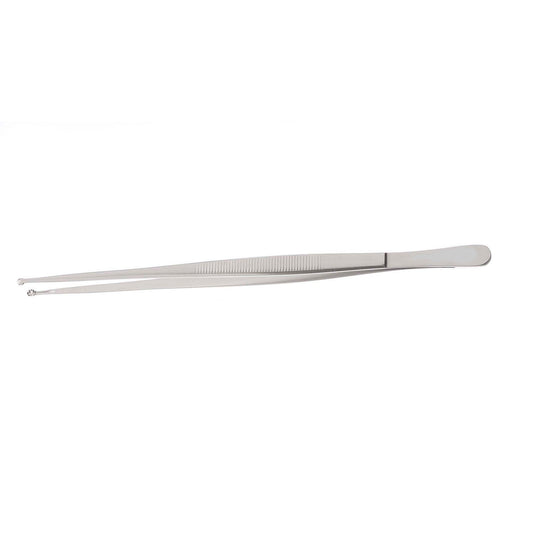
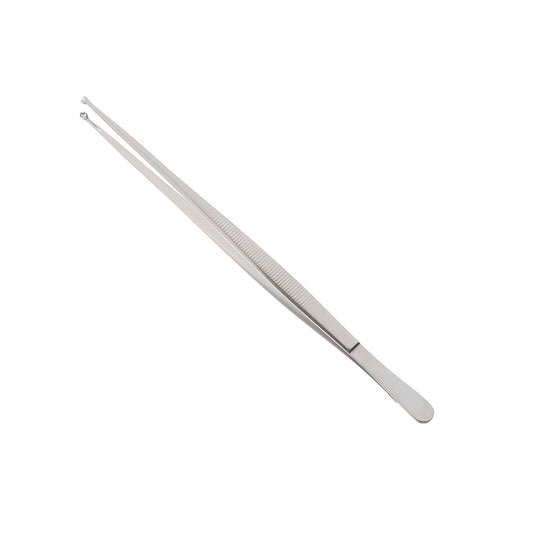
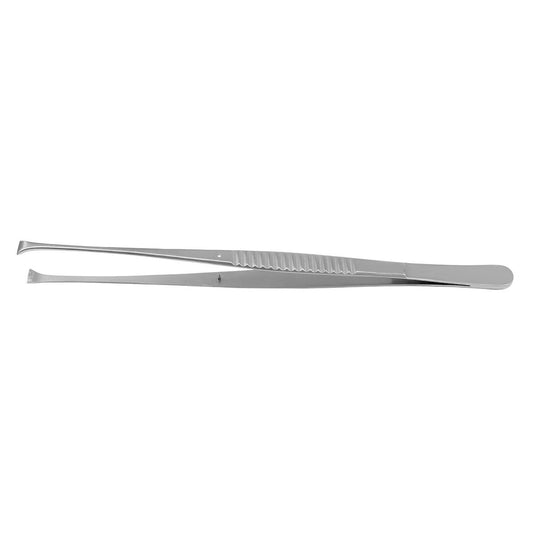
Mayo Russian forceps use a broad, ring-toothed tip built for firm traction on tough or scarred tissue, whereas Debakey-pattern forceps are built to be atraumatic on healthy vessel wall — the two serve opposite handling needs.
Are micro forceps like Precise Touch just smaller versions of the standard patterns?
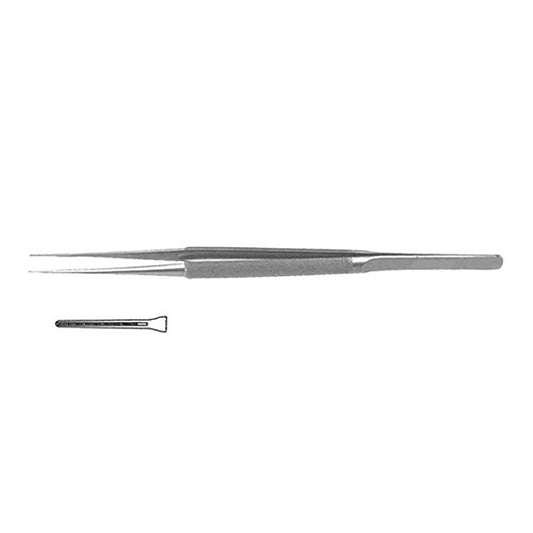
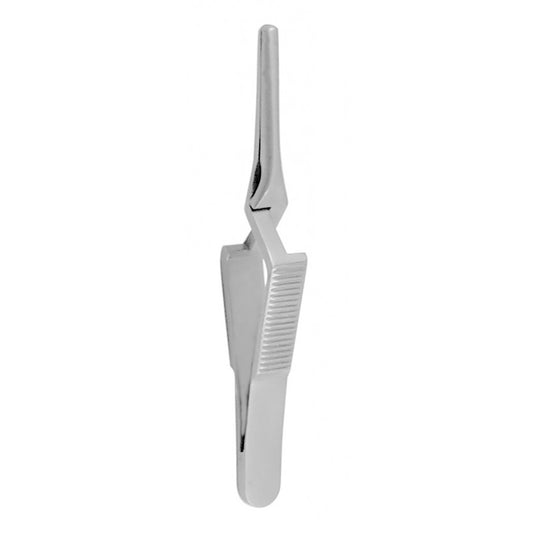
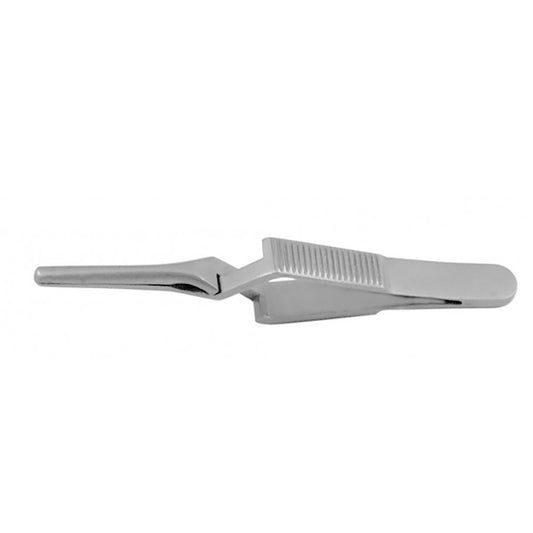
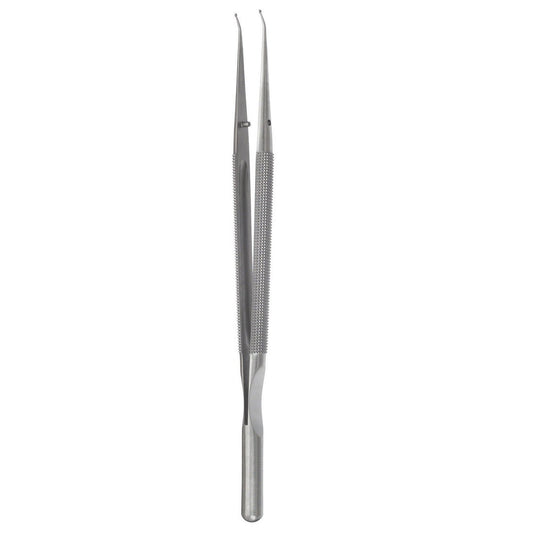
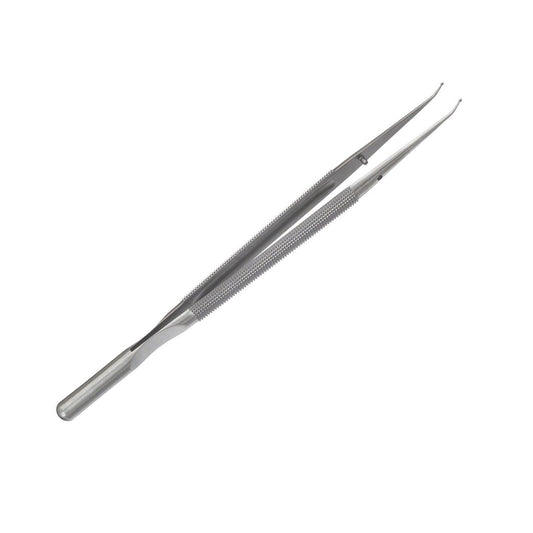
They apply the same atraumatic serration principle at a finer tip profile, built for small-caliber anastomosis performed under loupes or a microscope rather than general vessel handling.
How should these forceps be cleaned between uses?
Clean immediately after use with a neutral-pH enzymatic solution and a soft brush along the serrations before protein dries, then rinse with deionised water, dry fully, and autoclave at 134°C.
Is there a minimum order quantity?
No — these are available at MOQ 1, with OEM and private-label production available for distributors ordering in volume.