Breast Surgery Instruments
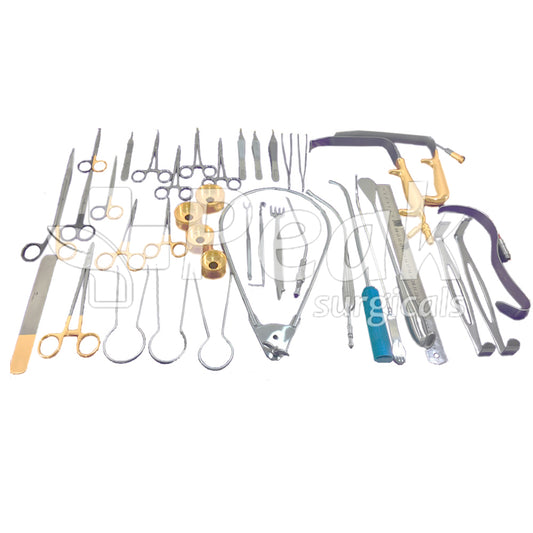
Breast surgery depends on three things: a marked plan, exposure of the surgical pocket, and controlled dissection. This collection groups the instruments for those steps, from pre-operative marking through retraction and dissection, plus bundled sets for augmentation and reduction.
Marking
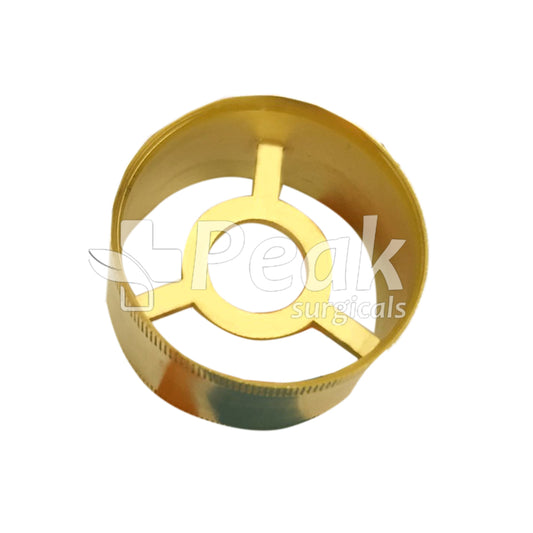
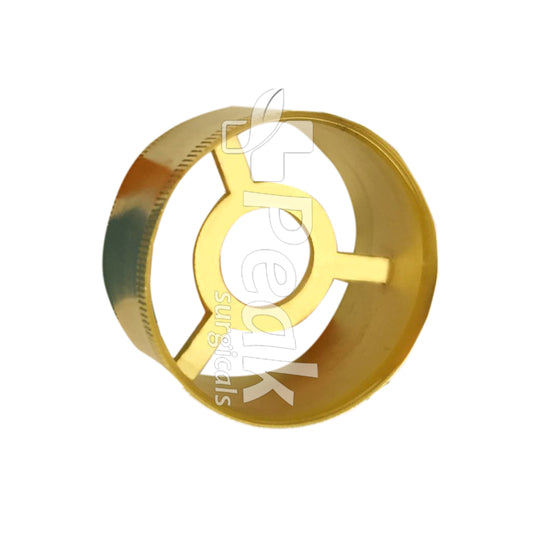
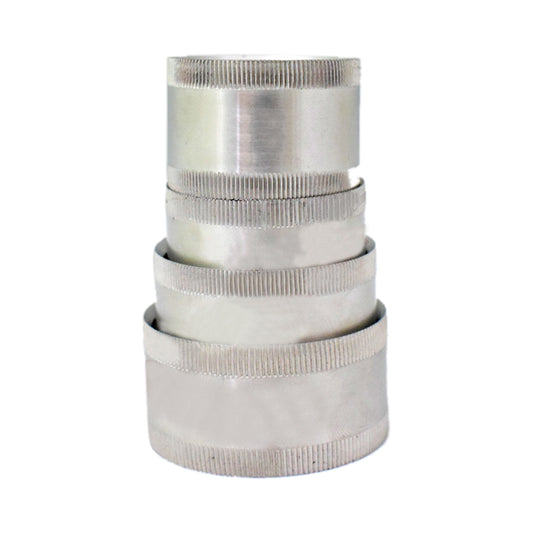
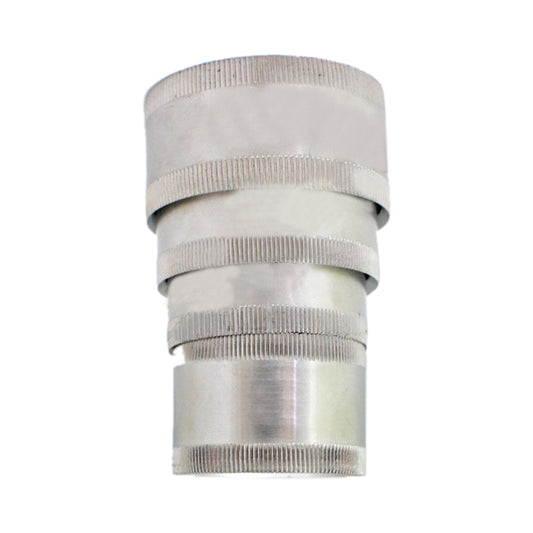
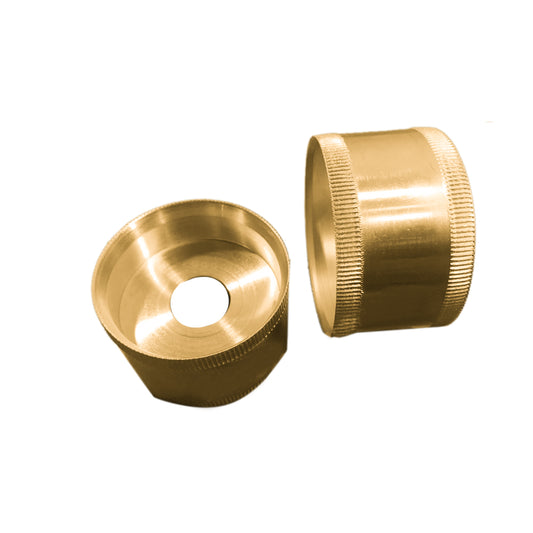
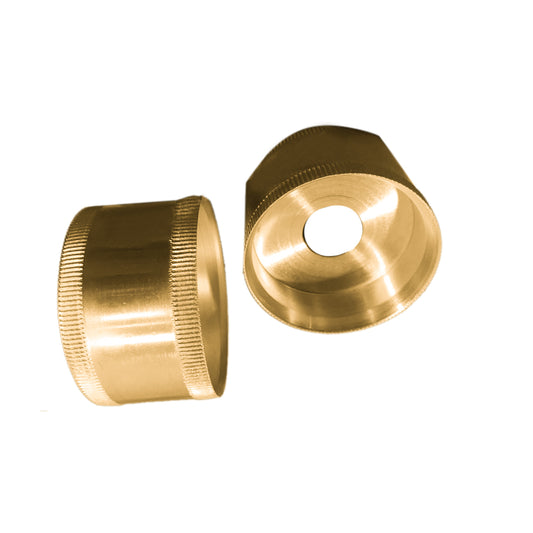
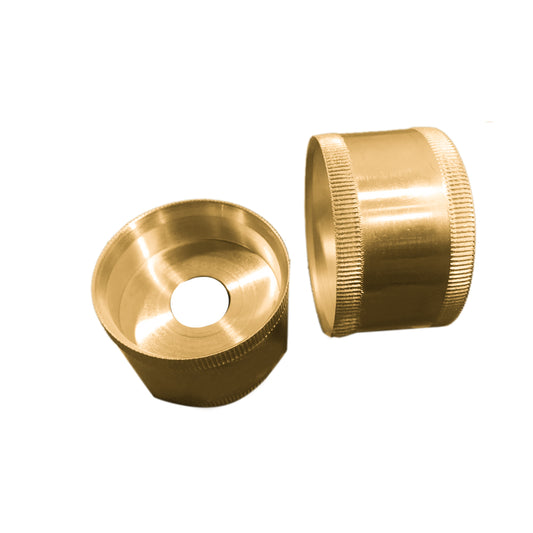
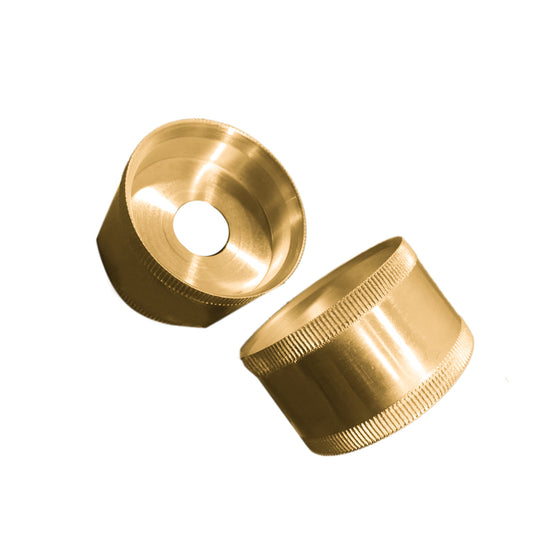
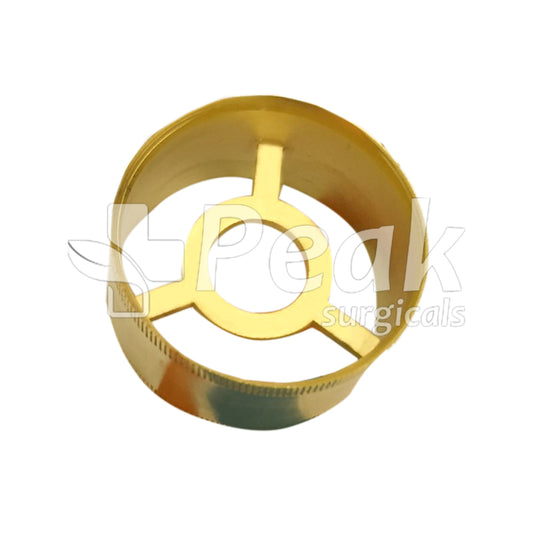
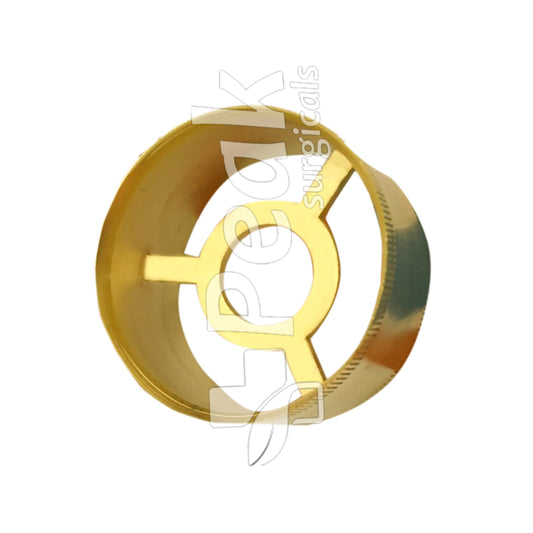
Areola markers set the areola diameter before incision. The range includes the Areola Marker in 36mm and 42mm, the Freeman Areola Marker, the Freeman Double Ended Areola Marker, and the Freeman Areola Marker Set of 4 (38mm to 50mm), so one set can cover several sizes.
Retraction and Exposure
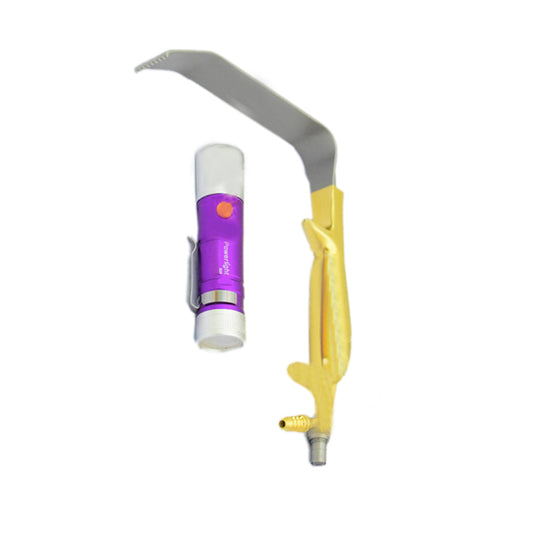
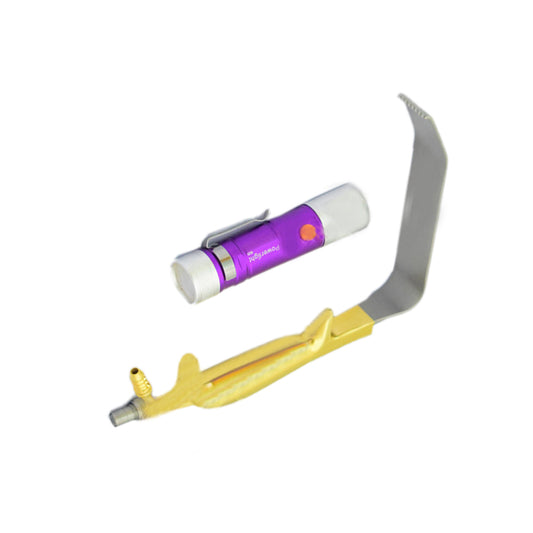
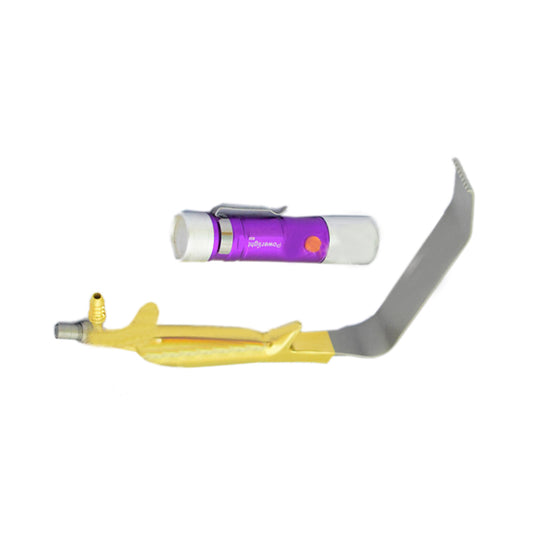
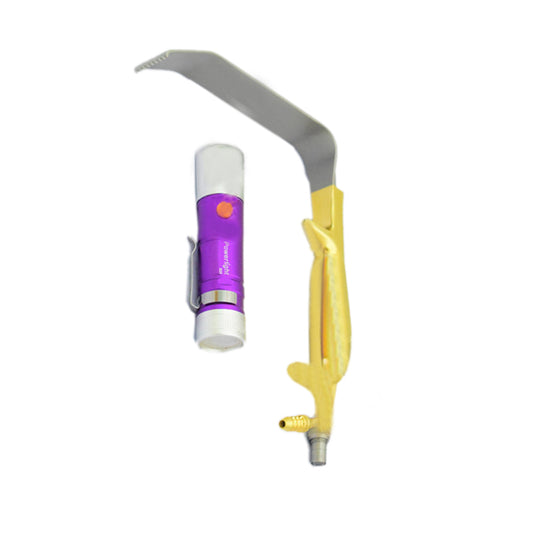
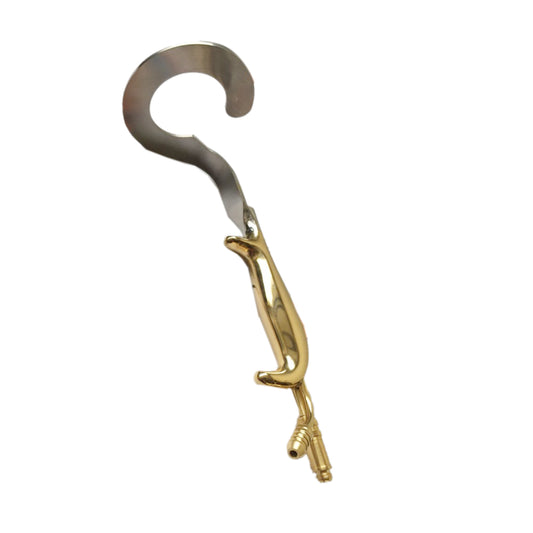
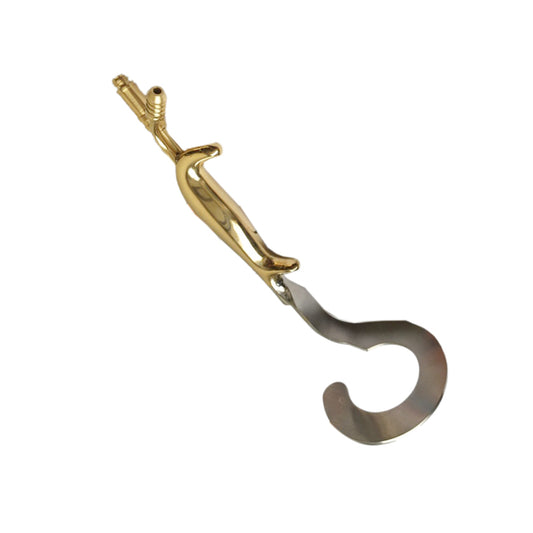
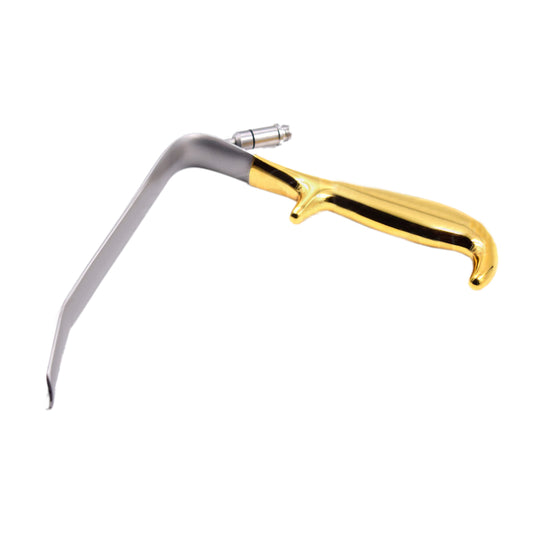
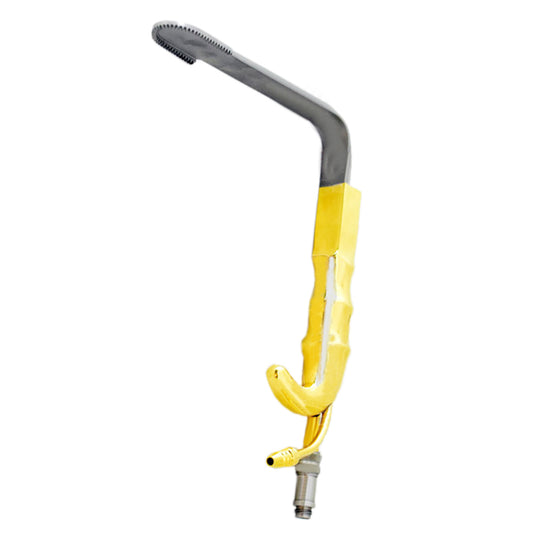
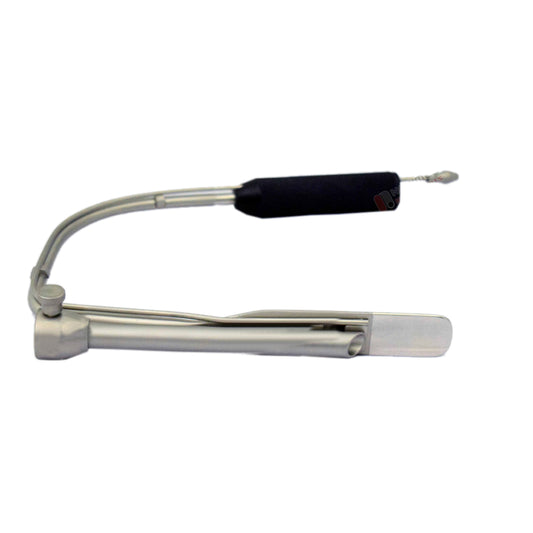
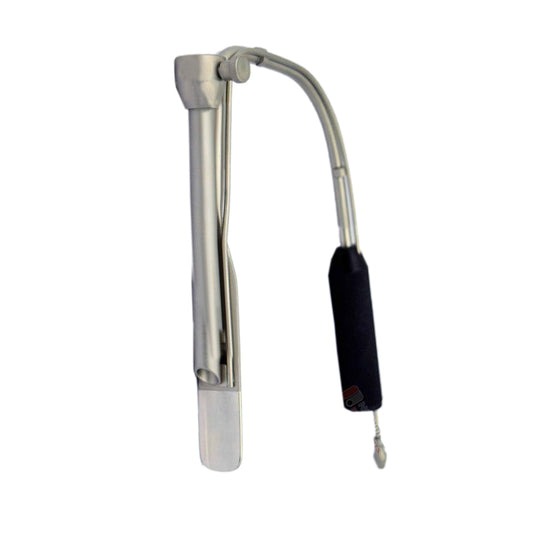
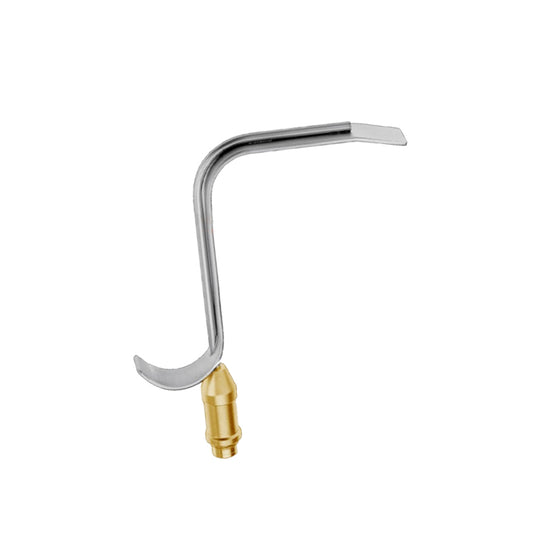
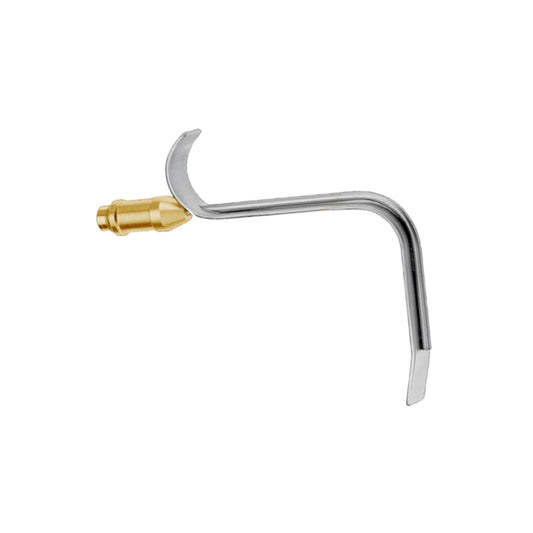
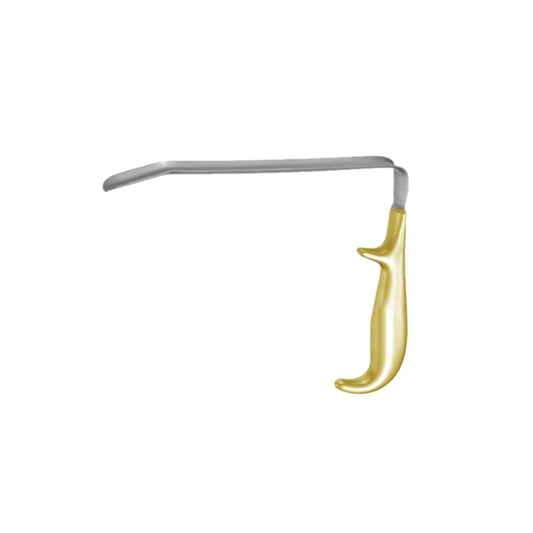
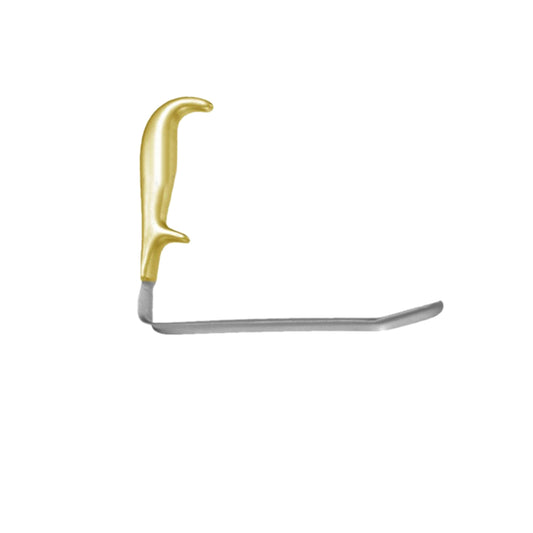
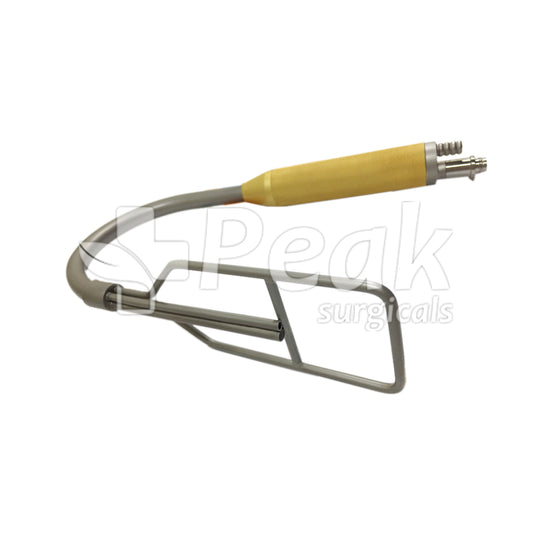
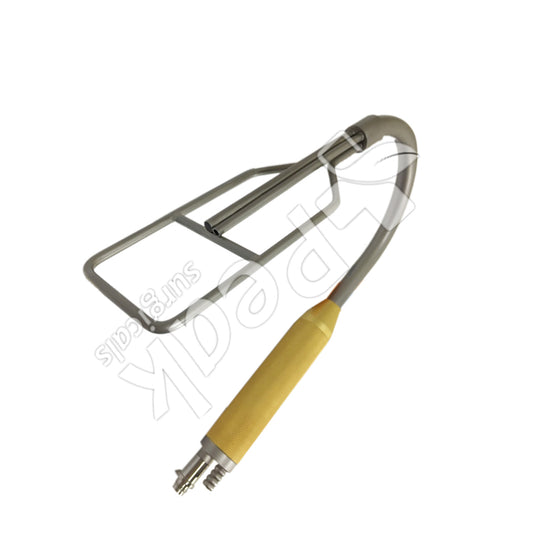
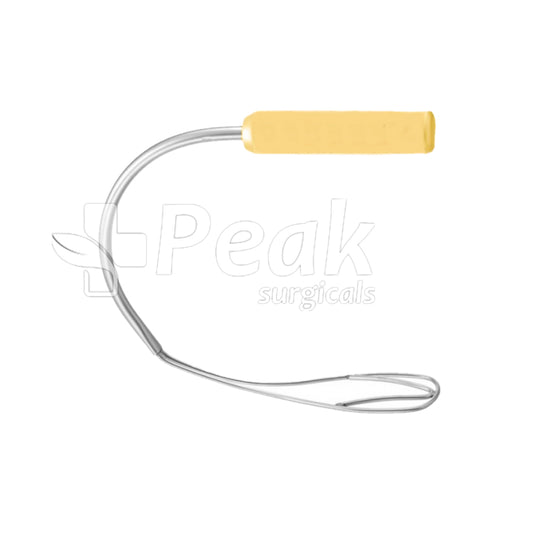
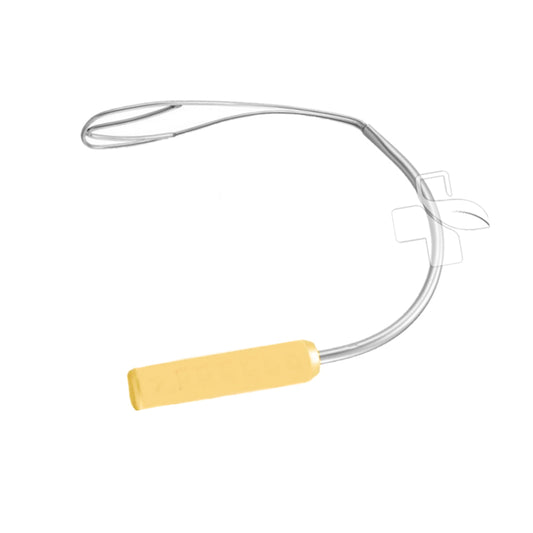
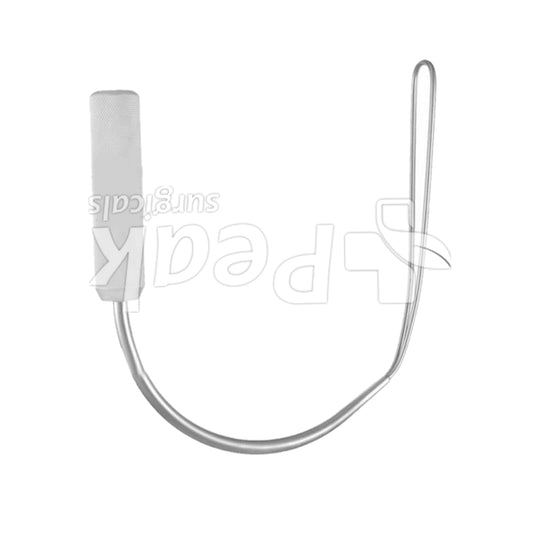
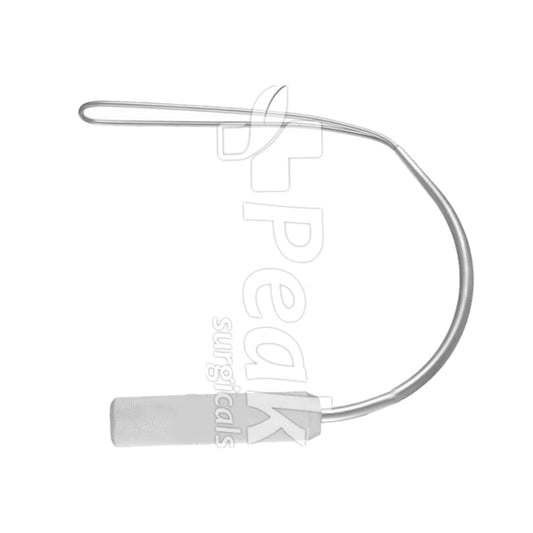
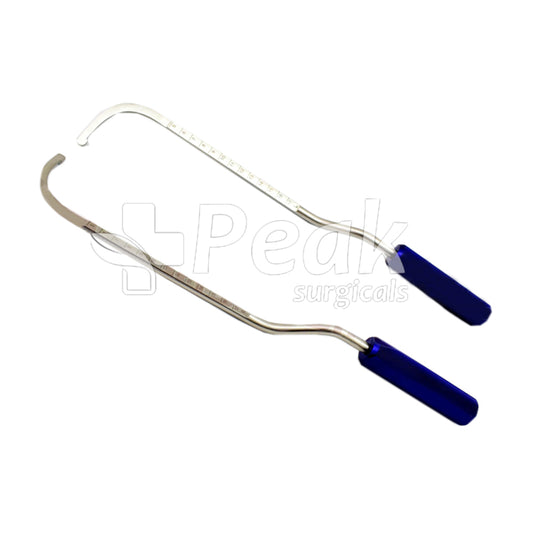
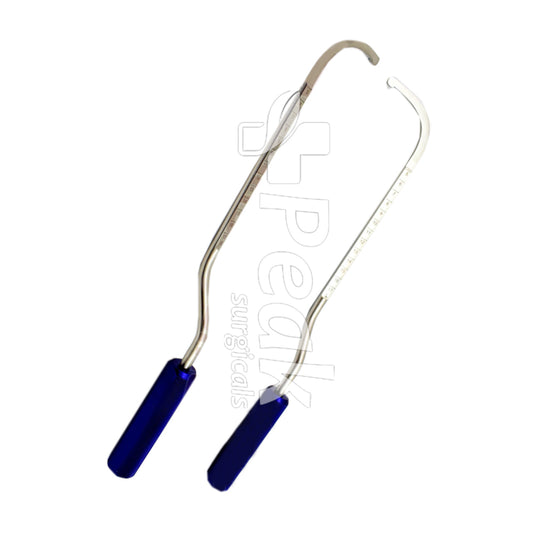
Breast retractors hold the incision open and light the pocket. Fiber optic retractors carry light along the blade into the pocket: the Tibbetts Fiber Optic Breast Augmentation Retractor with Suction, the Ferreira Breast Retractor Fiber Optic, and the Ring Breast Retractor with Fiber Optic Illumination. The "with suction" models also remove smoke and fluid from the field. Endoscopic retractors, such as the Endoscopic Retractor for 10mm Scope with Suction (Emory style) and the Sculpt Endoscopic Retractor with channel for endoscopes, accommodate a scope for endoscopic-assisted work. For standard exposure without a light source, the collection includes the Ferreira Breast Augmentation Retractor (25 x 171mm blade), the Biggs Mammoplasty Retractor, the Biggs Mammaplasty Retractor Without Suction Tube (reusable), the Breast Engler Retractor and the Deaver Retractor.
Dissection
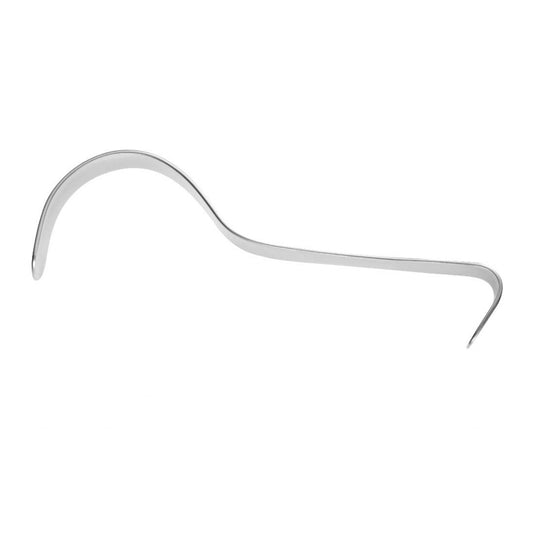
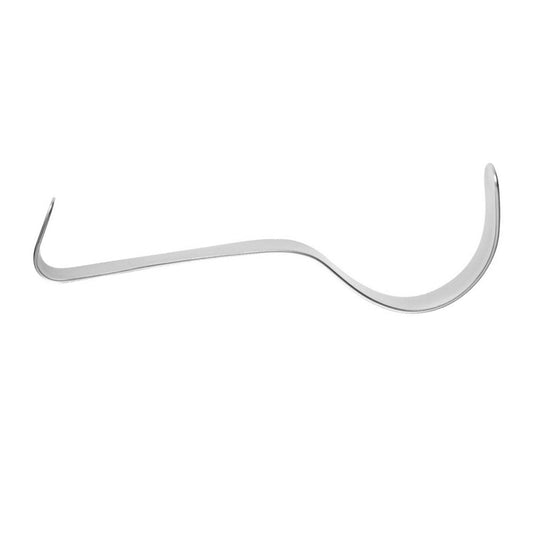
The Agris-Dingman Submammary Breast Dissector Set comes as a right-and-left pair for creating the submammary pocket.
Sets
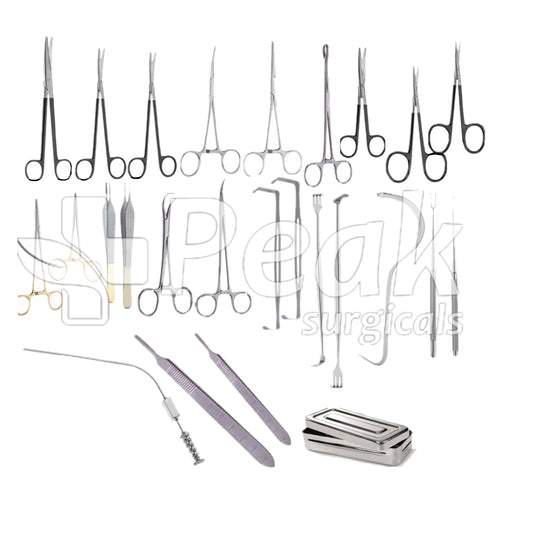
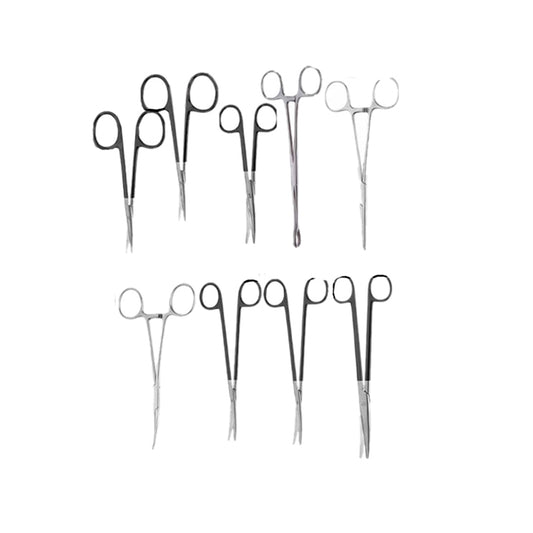
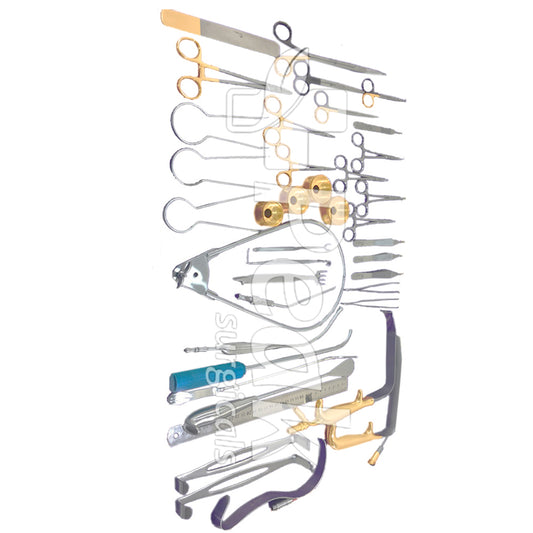
The Breast Augmentation Set and the 21-piece Breast Reduction Set bundle the core instruments for each procedure, so a facility can equip a tray in one order.
Choosing Instruments
Fiber optic and endoscopic retractors suit deeper pockets, where overhead light doesn't reach cleanly. A plain retractor is simpler where a light cable would add bulk. Match marker size to the planned areola diameter, and keep separate left and right dissectors if your technique calls for both.
Related Instruments
For more in each category, see Breast Retractor, Mammoplasty Retractors, Areola Markers, Breast Markers, Breast Dissectors and Breast Elevator. For complete kits, see Breast Surgery Sets. Supporting instruments include Rake Retractors, Plastic Surgery Scissors, Liposuction Cannulas for fat harvesting, and Measuring and Marking Instruments. Browse all Plastic Surgery Instruments for the full range.
Ordering
Peak Surgicals supplies breast surgery instruments in bulk to hospitals, clinics and distributors worldwide, with international shipping. Contact our team for current stock and wholesale pricing.
Frequently Asked Questions
What is a fiber optic breast retractor?
It carries light along the retractor blade into the surgical pocket, so the surgeon can see deep tissue without relying only on overhead lighting.
What does "with suction" mean on a breast retractor?
A built-in suction channel removes smoke and fluid from the pocket during dissection, helping keep the field clear.
What size areola marker should I choose?
Choose the marker that matches the planned areola diameter. A multi-size set such as the Freeman set (38mm to 50mm) lets you mark different diameters with one purchase.
What's the difference between a Ferreira and a Biggs retractor?
Both hold the pocket open, but they differ in blade shape and length. The Ferreira is commonly used for breast augmentation, and the Biggs for mammoplasty. Check each product's dimensions against your technique.
What is a submammary dissector used for?
It creates the pocket beneath the breast tissue. The Agris-Dingman set comes as a right-and-left pair.