
Featured Collection
Your cart
Featured Collection

PEAK SURGICALS
SKU:
Couldn't load pickup availability


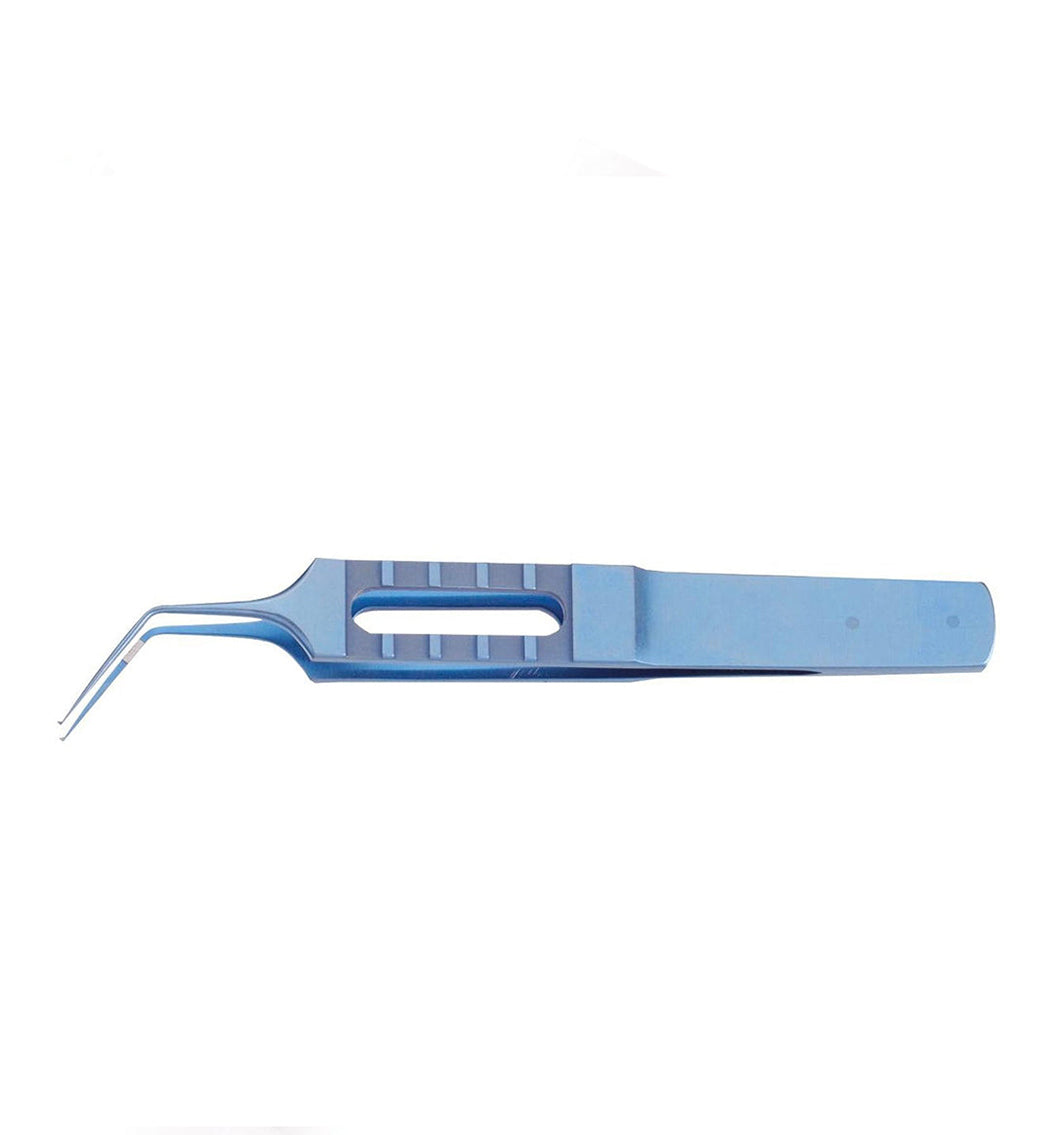
The Titanium Kelman McPherson Tying Forceps are specialized ophthalmic instruments designed for controlled handling of fine sutures and delicate tissues during eye surgery and microsurgical procedures. Their lightweight titanium construction and fine working tips provide a dedicated configuration for procedures requiring careful manipulation within a small operative field.
The current Peak Surgicals product is available in two configurations: PS-8337 with angled shafts and PS-8336 with straight shafts. Both are Kelman McPherson tying-forceps patterns intended for professional ophthalmic and microsurgical use.
The Kelman McPherson pattern is designed specifically as a tying forceps. Its fine distal working end allows the surgeon to handle small sutures and delicate tissue during procedures where a standard surgical forceps would provide a larger working profile.
The appropriate shaft configuration should be selected according to the surgical approach, required access, and surgeon preference.
The current Peak Surgicals description identifies fine serrated tips. The serrated working surfaces provide a defined gripping area for handling sutures and delicate tissues during ophthalmic procedures.
Before use, the tips should be inspected for alignment, deformation, surface damage, or retained material that could interfere with precise grasping.
One selectable version is identified as PS-8337 Angled Shafts. The angled configuration provides an offset approach to the working area and may be selected when the operative technique requires the distal tips to approach the surgical field at an angle.
The current product page does not specify the exact angle, bend length, tying-platform dimensions, or total instrument length for this variant.
The second option is identified as PS-8336 Straight Shafts. This configuration maintains a direct working axis between the handle and distal tips and provides an alternative to the angled Kelman McPherson pattern.
Buyers should select between the straight and angled configurations according to the required ophthalmic instrument set and surgeon preference.
The forceps are manufactured from titanium. The current product description specifically highlights the lightweight nature of the titanium construction, which is relevant for instruments used in fine ophthalmic and microsurgical manipulation.
The exact titanium alloy or grade is not stated on the current product page. Hospitals, ophthalmic centers, and procurement teams requiring a specific titanium specification should confirm that information before ordering.
The current Peak Surgicals listing identifies suture manipulation and tying as primary applications of the Kelman McPherson forceps. The fine tips allow the instrument to be used when handling delicate sutures during ophthalmic procedures.
The exact suture size range is not specified for the Peak Surgicals model and should therefore not be assumed from specifications published for other manufacturers' Kelman McPherson forceps.
In addition to suture handling, the current product page references manipulation of delicate ophthalmic tissue. The fine working-end design makes the instrument relevant for microsurgical environments where small structures require controlled handling.
The amount of gripping pressure and method of manipulation should be determined by the operating surgeon according to the tissue, procedure, and surgical technique.
Peak Surgicals references ophthalmic procedures including cataract surgery, corneal procedures, corneal transplantation, and retinal surgery. The product is also described for other microsurgical tasks requiring fine suture or tissue manipulation.
Instrument selection should be based on the specific procedure and whether the straight or angled shaft configuration is preferred.
The current product description presents the titanium Kelman McPherson Tying Forceps as a reusable surgical instrument. Following clinical use, the forceps should be cleaned, inspected, and reprocessed according to applicable manufacturer instructions and the healthcare facility's validated procedures.
Particular attention should be given to the fine serrated tips and working surfaces. Before reuse, inspect the forceps for tip misalignment, deformation, corrosion, surface damage, or other conditions that could affect normal function.
| Product Name | Titanium Kelman McPherson Tying Forceps |
| Instrument Type | Ophthalmic Tying Forceps |
| Pattern | Kelman McPherson |
| Material | Titanium |
| Tip Design | Fine Serrated Tips |
| Variant PS-8337 | Angled Shafts |
| Variant PS-8336 | Straight Shafts |
| Primary Functions | Suture Tying and Delicate Tissue Manipulation |
| Primary Specialty | Ophthalmology / Microsurgery |
| Referenced Procedures | Cataract, Corneal and Retinal Procedures |
| Exact Overall Length | Not Specified on Current Product Page |
| Tying Platform Dimensions | Not Specified on Current Product Page |
The Titanium Kelman McPherson Tying Forceps are relevant for ophthalmology departments, eye hospitals, cataract and corneal surgery centers, microsurgical facilities, surgical instrument distributors, and procurement teams sourcing reusable fine ophthalmic forceps.
For accurate purchasing, buyers should specify either PS-8337 Angled Shafts or PS-8336 Straight Shafts. Buyers requiring exact overall length, tying-platform dimensions, tip width, shaft angle, titanium alloy grade, or other technical measurements should confirm those specifications before ordering because they are not stated on the current Peak Surgicals page.
They are specialized ophthalmic forceps designed for controlled handling and tying of fine sutures and manipulation of delicate tissue during ophthalmic and microsurgical procedures.
The current Peak Surgicals listing provides PS-8337 Angled Shafts and PS-8336 Straight Shafts.
The current product description specifies titanium construction. The exact titanium alloy grade is not stated.
Yes. Peak Surgicals describes the working ends as fine serrated tips.
The current product page does not provide an exact overall length for either the straight or angled version.
Yes. The current listing identifies ophthalmic suturing and delicate tissue manipulation and references cataract, corneal, and retinal procedures.


