Orthopedic Bone Drills for Controlled, Accurate Pilot Holes
Good fixation starts with a clean, well-placed hole. A hand drill gives the surgeon direct feel for the bone, which is useful for pilot holes, wires and pins when you want steady, controlled progress. Our orthopedic bone drills collection brings together classic hand drill patterns for orthopedic surgeons, veterinary teams and hospital purchasing departments who want dependable instruments at clear prices. Whether you are equipping a trauma theatre, a veterinary clinic or a teaching lab, you can compare each pattern and choose the drill that suits your technique.
Types of Bone Drills We Offer
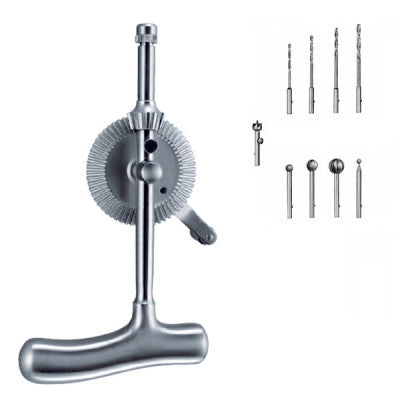
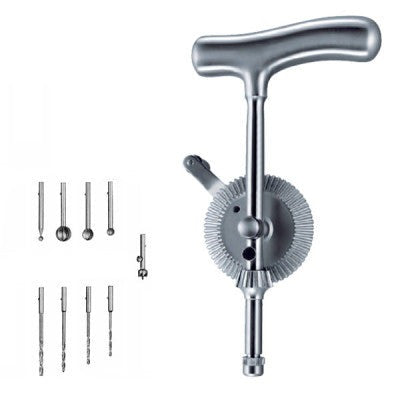
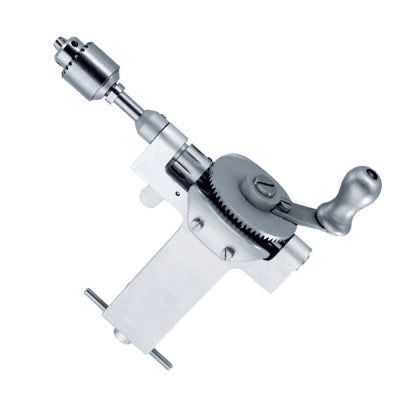
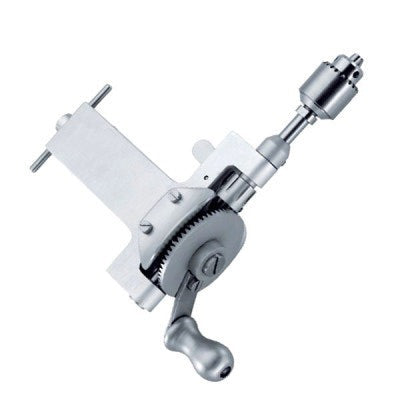
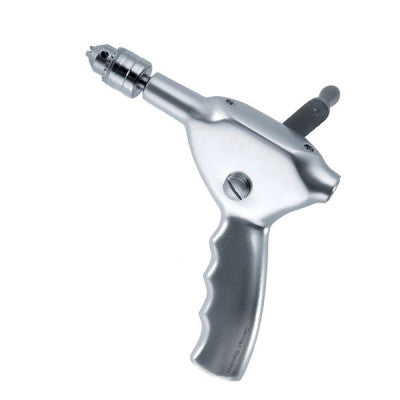
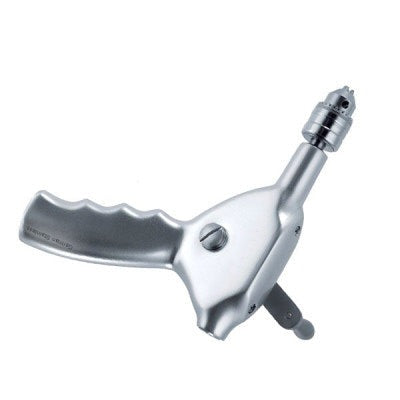
Stille pattern drills. The Stille Pattern Drill Complete With the Drill Bits comes with its bits, which makes it a convenient starting point for a new set.
Bunnell and Ralks drills. The Bunnell Drill and the Ralks Drill 5 3/4" are established hand drill patterns for bone work. Both are listed as veterinary orthopedic bone drills.
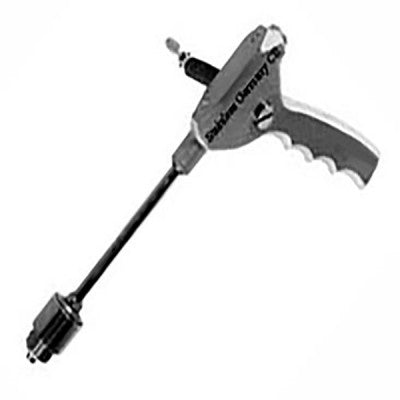
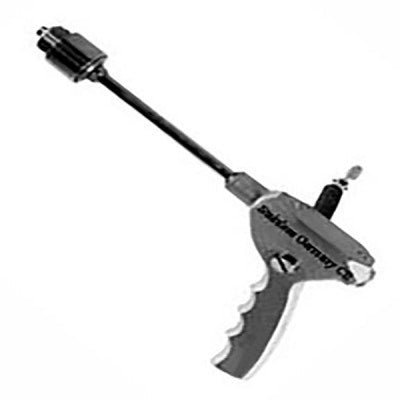
Universal drills. The Universal Drill is a general-purpose option for surgeons who want one drill for a range of tasks.
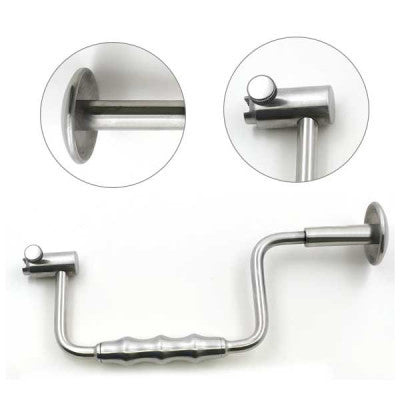
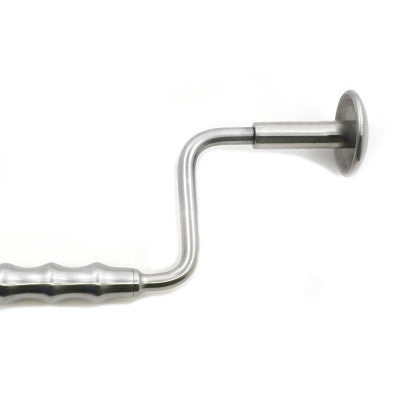
Braces. The Hudson Brace uses a classic brace design, and it is offered with selectable options.
Why Hand Drills Still Matter
A hand drill lets you feel the bone as you advance, and it lets you control depth and direction without a power source. This can help in delicate areas, in small bones and in settings where powered equipment is not available. A smooth chuck, a rigid frame and a comfortable grip reduce slipping and fatigue. Reliable drills also keep a case moving, because fewer adjustments mean fewer interruptions for the surgical team. Check the details on each product page, then protect your drills between cases in sterilization baskets and follow your facility's reprocessing protocol.
How to Choose the Right Bone Drill
-
Application: Match the drill to the task, such as pilot holes, wire passage or pin placement.
-
Pattern: Pick the pattern you are most comfortable with, since hand feel affects accuracy.
-
Bits and chuck: Confirm which bits are included and whether the chuck holds the sizes you use.
-
Size and length: Check the dimensions on the product page, such as the 5 3/4 inch Ralks Drill.
Read each listing carefully. Always inspect the bits and chuck before use, and replace any bit that looks worn or bent. Keep spare bits available, so a dull bit never slows a case.
Complete Your Orthopedic Set
A drill works together with the instruments around it. Explore these related categories to build a full set, from drilling and fixation through to shaping and impaction:
Ordering from Peak Surgicals
We ship worldwide, and orders above $99 qualify for free shipping. See our shipping policy for details. Not sure which drill suits your procedures? Contact our team and we will help you choose.
Frequently Asked Questions
1. What is a bone drill used for?
A bone drill creates holes in bone for screws, wires and pins during orthopedic procedures. Hand drills do this manually, which gives the surgeon direct feel and control. Browse the full orthopedic bone drills collection to see the available patterns.
2. What is the difference between a hand drill and a power drill?
A hand drill is turned manually and gives close control over speed and depth, while a power drill is faster but needs a power source. Many surgeons keep both available and choose by case.
3. How do I choose the right drill pattern?
Choose the pattern that feels comfortable in your hand and suits the task. Stille, Bunnell, Ralks and Hudson Brace designs differ in frame and handle, so compare them on the product pages and check which bits are included.
4. Can bone drills be sterilized and reused?
Reusable surgical instruments are designed to be cleaned and sterilized between cases. Follow the manufacturer's instructions and your facility's protocol, and inspect bits and chucks for wear before each use.
5. Do you ship internationally, and is shipping free?
Yes, we ship worldwide, and orders above $99 qualify for free shipping. Delivery details are in our shipping policy, and you can reach our team through the contact page.