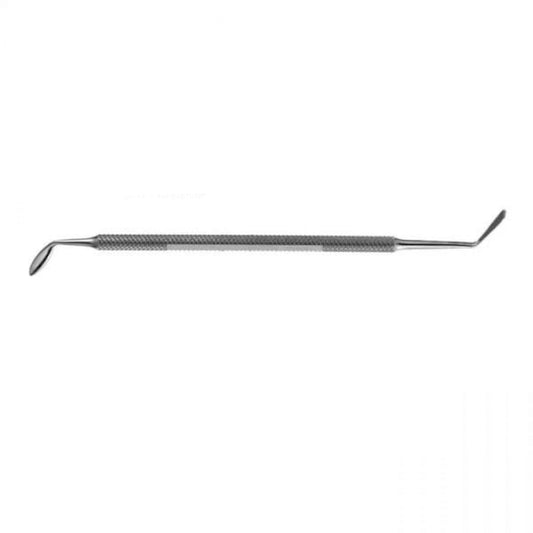
Plastic Surgery Dissector and Elevators
Periosteal elevators used in plastic and craniofacial surgery are shaped and sized for specific anatomical sites — nasal bones, the palate, the pharynx — rather than general-purpose use. This collection covers a set of named, procedure-specific elevator patterns used across cleft palate repair, nasal fracture reduction, and pharyngeal flap surgery.
What's in This Collection
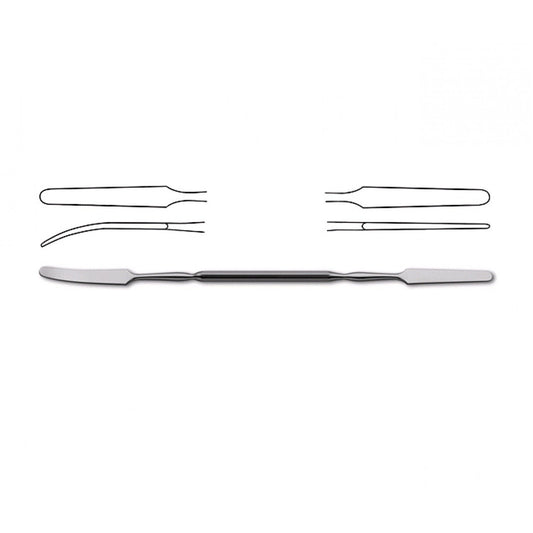
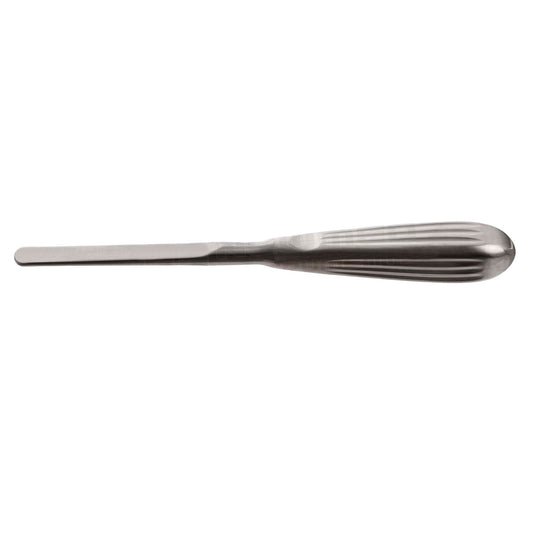
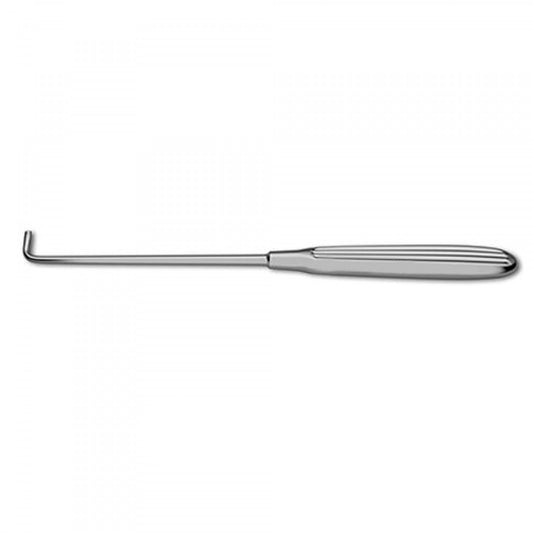
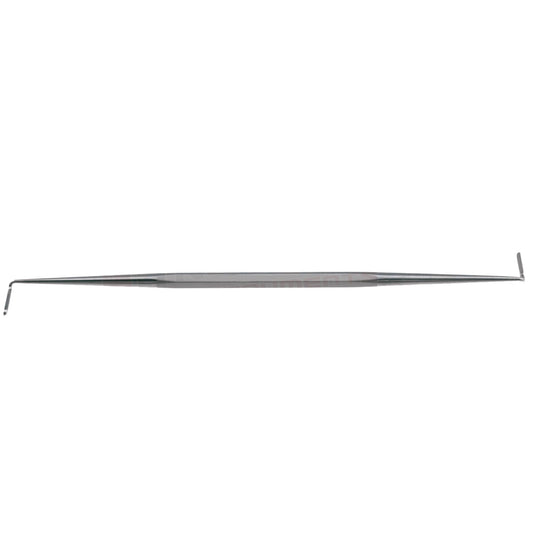
The Cohen Periosteal Elevator Retractor (24cm) combines elevation and retraction in one instrument, used to lift and hold periosteum during facial and craniofacial procedures. The Boies Nasal Fracture Elevator (19cm, heavy shaft with blunt edges) is built specifically for reducing displaced nasal bone fractures, with a heavier shaft designed to withstand the force needed to reposition bone. The Blair Cleft Palate Elevator (Right Angle, 19cm) is shaped for cleft palate repair, its right-angle blade suited to elevating tissue in the confined oral cavity. The Barsky Pharyngeal Flap Elevator (Double Ended) is used specifically in pharyngeal flap surgery — a procedure often performed alongside or after cleft palate repair to address velopharyngeal insufficiency. The Angled Side Flat Elevator (Double Ended) rounds out the set as a more general-purpose instrument for periosteal elevation where a procedure-specific pattern isn't required.
Choosing the Right Instrument
Selection here is driven almost entirely by procedure rather than personal preference: a Boies elevator is purpose-built for nasal fracture work and isn't a substitute for palatal or pharyngeal instruments, and a Blair or Barsky elevator's shape reflects the confined, specific anatomy each procedure requires. The Cohen and Angled Side elevators serve as more flexible options where a named specialty pattern isn't necessary.
Related Instruments
Craniofacial and cleft procedures typically draw from several categories at once. For nasal fracture and rhinoplasty work, pair this collection with our Rhinoplasty Surgery Instruments and Nasal Retractors. For bone-shaping steps that often accompany elevation, see Chisel Osteotomes Gouges and Cartilage and Bone Instruments. For incision and grafting steps in reconstructive procedures, browse Skin Graft Knives & Handles.
To see the full plastic surgery catalog, visit Plastic Surgery Instruments.
Ordering
Peak Surgicals manufactures and supplies plastic surgery elevators in bulk for hospitals, clinics, and distributors worldwide, with international shipping and custom logo branding available on request — contact our team for a wholesale quote.
Frequently Asked Questions
What is a Boies elevator used for?
A Boies nasal fracture elevator is used to reduce displaced nasal bone fractures, with a heavier shaft built to withstand the force needed to reposition bone.
What is a Blair elevator used for?
A Blair cleft palate elevator is used during cleft palate repair, with a right-angle blade shaped to work within the confined space of the oral cavity.
What is a pharyngeal flap elevator used for?
A pharyngeal flap elevator, such as the Barsky pattern, is used during pharyngeal flap surgery, a procedure often performed to address velopharyngeal insufficiency following cleft palate repair.
What's the difference between a periosteal elevator and a dissector?
A periosteal elevator lifts and separates periosteum from underlying bone. A dissector is generally used for separating soft tissue planes rather than bone-adjacent tissue — despite this collection's name, all five instruments here are elevators rather than dissectors.
Do I need a procedure-specific elevator, or will a general one work?
For nasal, palatal, or pharyngeal procedures, a procedure-specific pattern (Boies, Blair, Barsky) is generally preferred for its purpose-built shape and access; a general-purpose elevator like the Angled Side or Cohen pattern suits cases without that specific anatomical requirement.