
Featured Collection
Your cart
Featured Collection

PEAK SURGICALS
SKU:PS-OT-0388
Couldn't load pickup availability
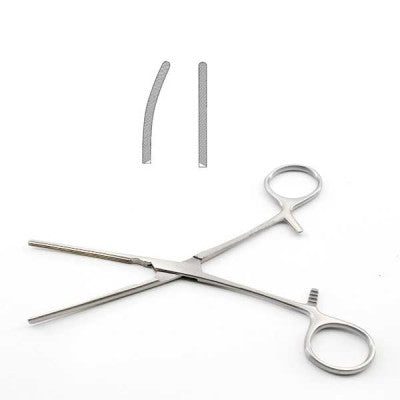
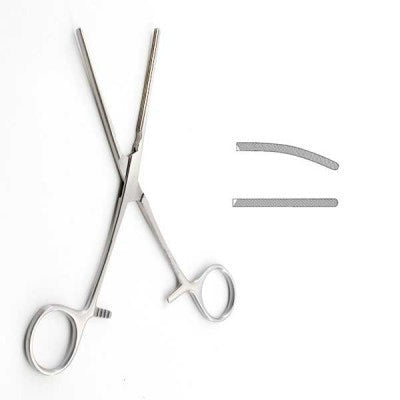
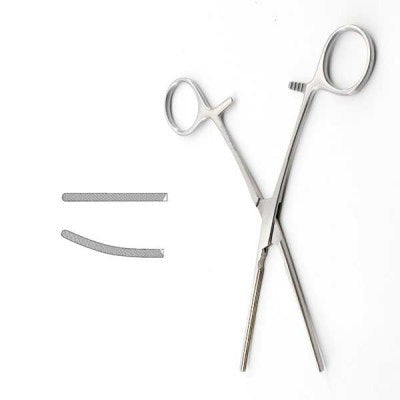
The professional clinical solution for atraumatic, "soft-touch" occlusion and stabilization of delicate visceral structures. The Baby Doyen Intestinal Forceps are specialized surgical instruments engineered to solve the problem of managing thin-walled or neonatal intestinal tissues that require temporary clamping without the risk of crushing or perforation. Characterized by their downsized "Baby" profile and longitudinal flexible jaws, these forceps act as a mechanical necessity for surgeons who require the legendary atraumatic performance of the Doyen pattern in a more compact, maneuverable scale.
The Baby Doyen Intestinal Forceps represent the pinnacle of specialized surgical ergonomics and atraumatic visceral stabilization. In any professional environment—from pediatric surgical suites to specialized veterinary clinics—the ability to hold or temporarily occlude small-diameter intestines is a critical success factor.
At its core, the instrument is built for professional-grade longevity. The "Baby" pattern is specifically favored for its balanced weight and slim shafts, which provide maximum tactile feedback. This allows the clinician to "feel" the density of the tissue being clamped, a critical safety feature when working with fragile pediatric or elderly patient anatomy.
Feature Details
Blade Pattern Straight / Curved (Baby Pattern)
Serration Type Longitudinal / Atraumatic
Closure Type Multi-Position Ratchet Lock
Material Core Premium Surgical-Grade Stainless Steel
Maintenance Fully Autoclavable / Reusable
Standard ISO Surgical Grade
Primary Use Cases:
Q: What is the main difference between Baby Doyen and standard Doyen forceps?
A: Baby Doyen forceps are significantly shorter and feature finer, more flexible jaws. They are designed for pediatric surgery or procedures requiring a smaller anatomical footprint.
Q: Are these forceps suitable for occluding blood vessels?
A: While atraumatic, they are specifically designed for hollow viscera (like intestines). For vascular occlusion, specialized vascular clamps (like Satinsky or DeBakey) are more appropriate.
Q: Do these forceps have teeth?
A: No. Doyen-style forceps utilize longitudinal serrations rather than teeth to maintain an atraumatic grip that will not puncture or tear the tissue.
Q: How do I maintain the "spring" in the flexible jaws?
A: Avoid clamping hard materials (like bone or metal), which can permanently bend the blades. Regularly clean and lubricate the box joint to ensure smooth mechanical action.
