Featured Collection
Your cart
Featured Collection

PEAK SURGICAL
SKU:PS-O T-01107
Couldn't load pickup availability
How to Use Operating Scissors
Operating scissors are basic surgical tools that doctors use to cut, dissect, and trim tissues during surgeries. They are a common part of surgical instrument sets used in many fields, such as general surgery, orthopedics, gynecology, and emergency care. Operating scissors are known for being precise and reliable. They help make sure that both small and large surgeries go smoothly and safely.
Making and Designing
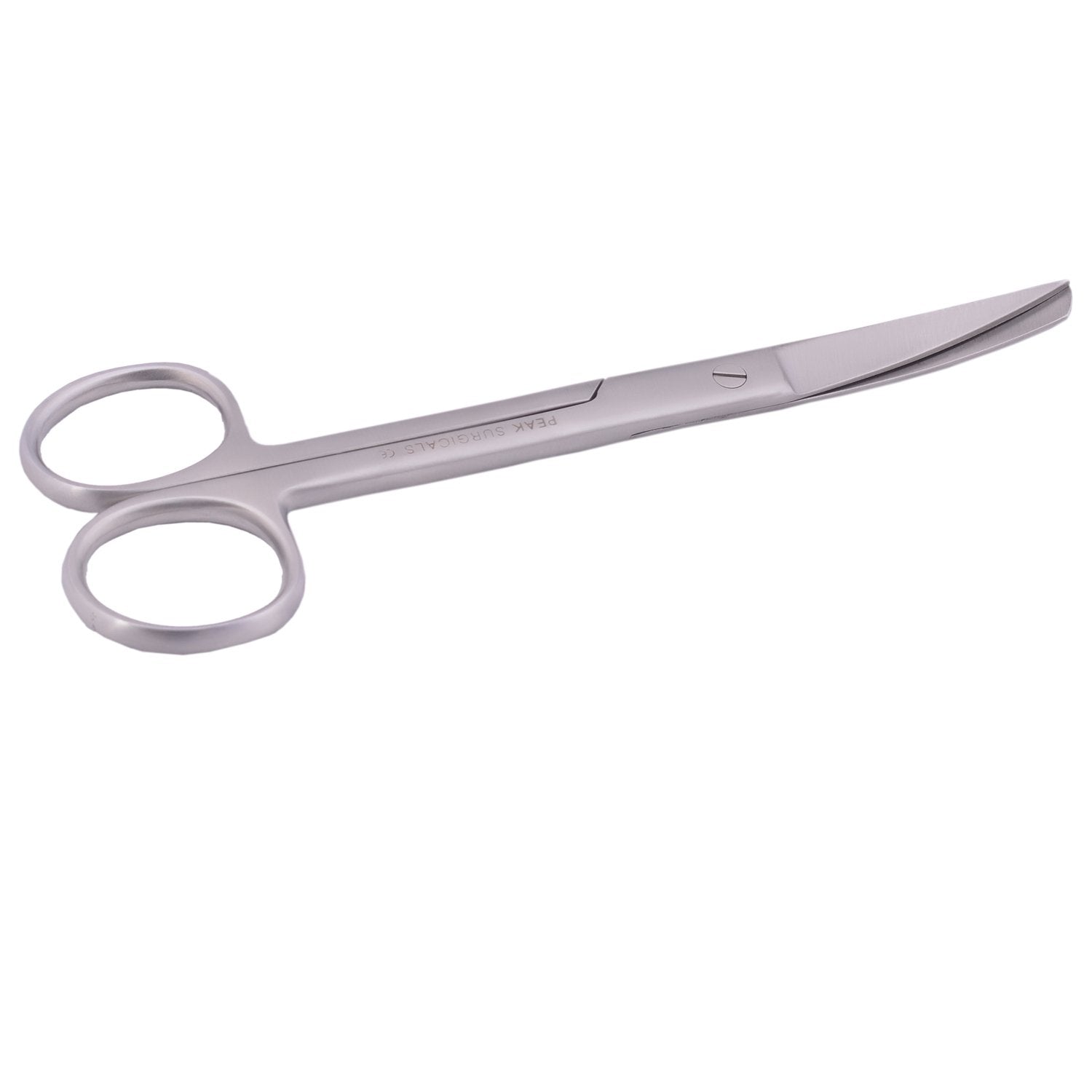
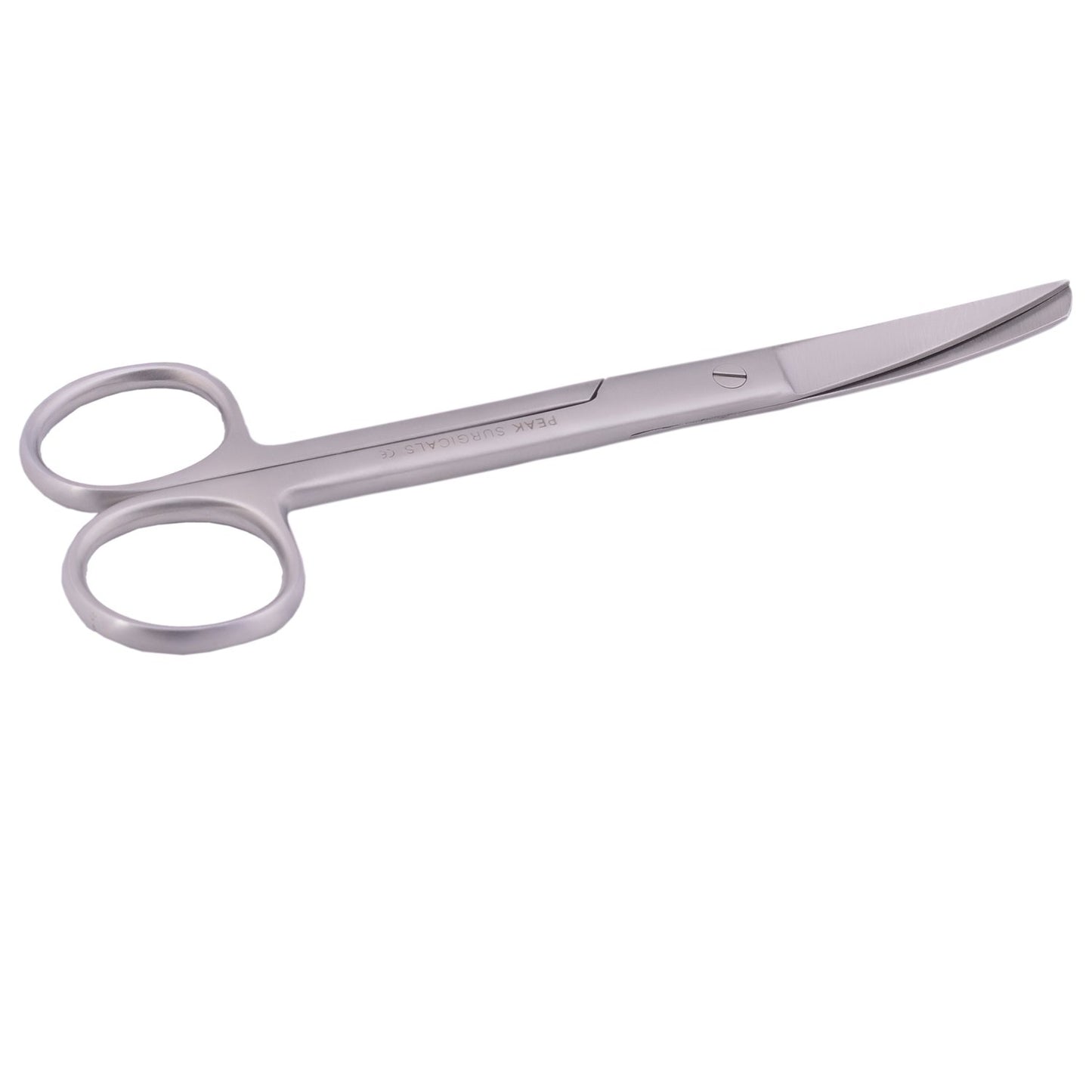
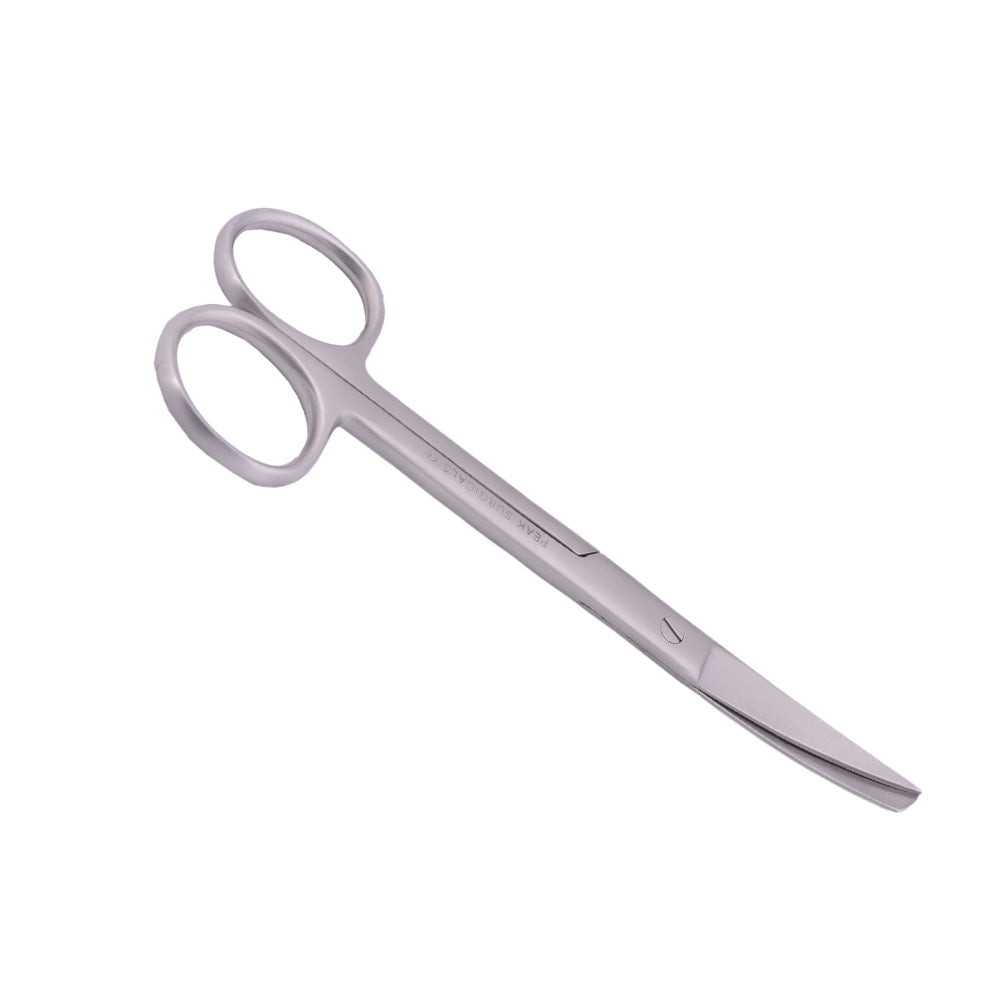
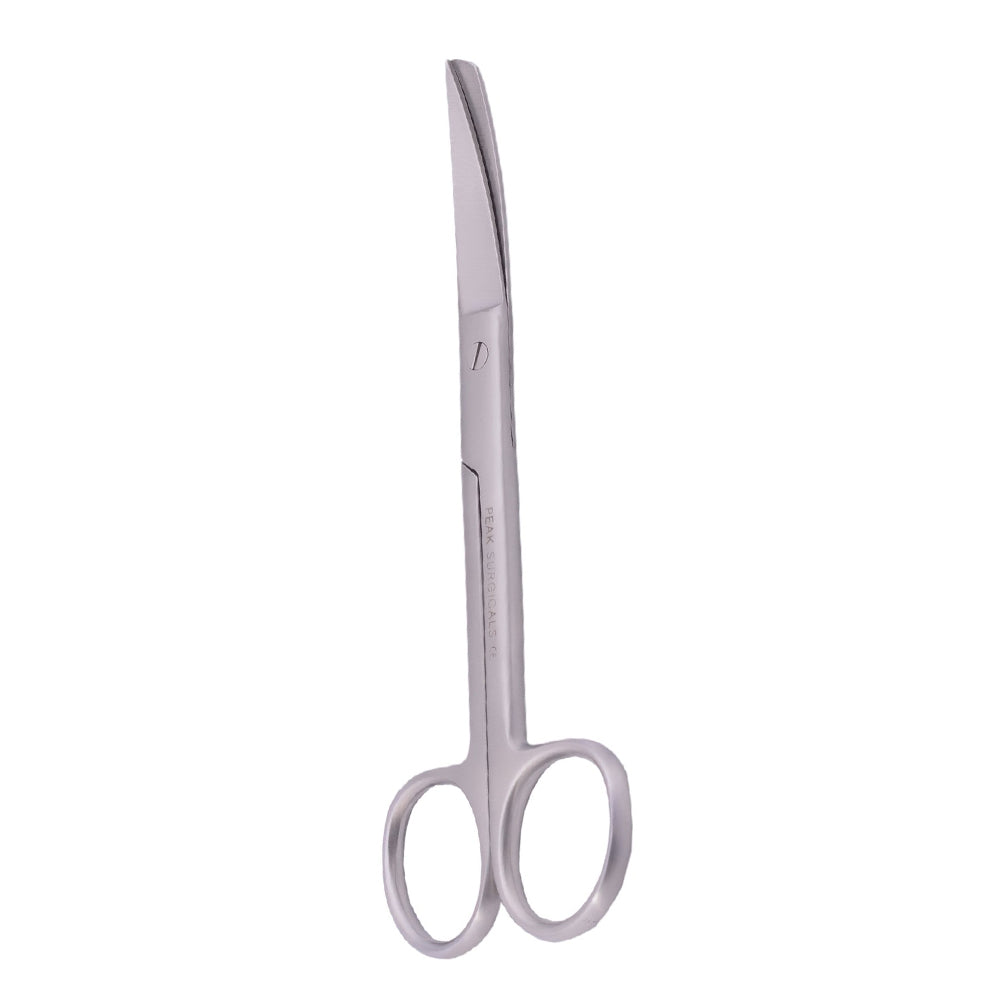
Most of the time, scissors are made of high-quality surgical-grade stainless steel so that they are strong, sharp, and won't rust. They have two blades that are perfectly aligned and connected by a central screw or rivet. This lets them open and close smoothly. Depending on how they will be used, the blades can be straight or slightly curved. Ergonomically designed finger rings make it easier to hold things for long periods of time during surgery.
Uses in the Clinic
A lot of people use these scissors to cut soft tissues, cut up anatomical structures, and trim sutures or surgical materials. In general surgery, operating scissors help separate tissues and prepare wounds for surgery. In specialized procedures, they are used to carefully handle sensitive tissues. They can be used in operating rooms, outpatient clinics, and emergencies because they are so flexible.
Benefits in the Field of Surgery
One of the best things about operating scissors is how precise they are. Sharp, well-aligned blades make clean cuts, which lowers tissue damage and speeds up healing. The balanced design of the tool makes it easier for surgeons to control and lessens hand fatigue. Also, operating scissors come in different sizes and blade styles so that doctors can pick the best one for each procedure.
What it does in modern healthcare settings
In today's healthcare settings, safety and efficiency are very important. Operating scissors help make surgical workflows more efficient by being easy to use and always working the same way. They can be cleaned with standard sterilization methods, which means they meet infection control standards and can be used over and over again in clinical settings.
Conclusion
Scissors that work are still an important tool in surgery. They are still used in a wide range of medical fields to provide high-quality patient care and successful surgical outcomes because they are well-made, can be used in many ways, and cut precisely.