Featured Collection
Your cart
Featured Collection

PEAK SURGICAL
SKU:PS-9544
Couldn't load pickup availability
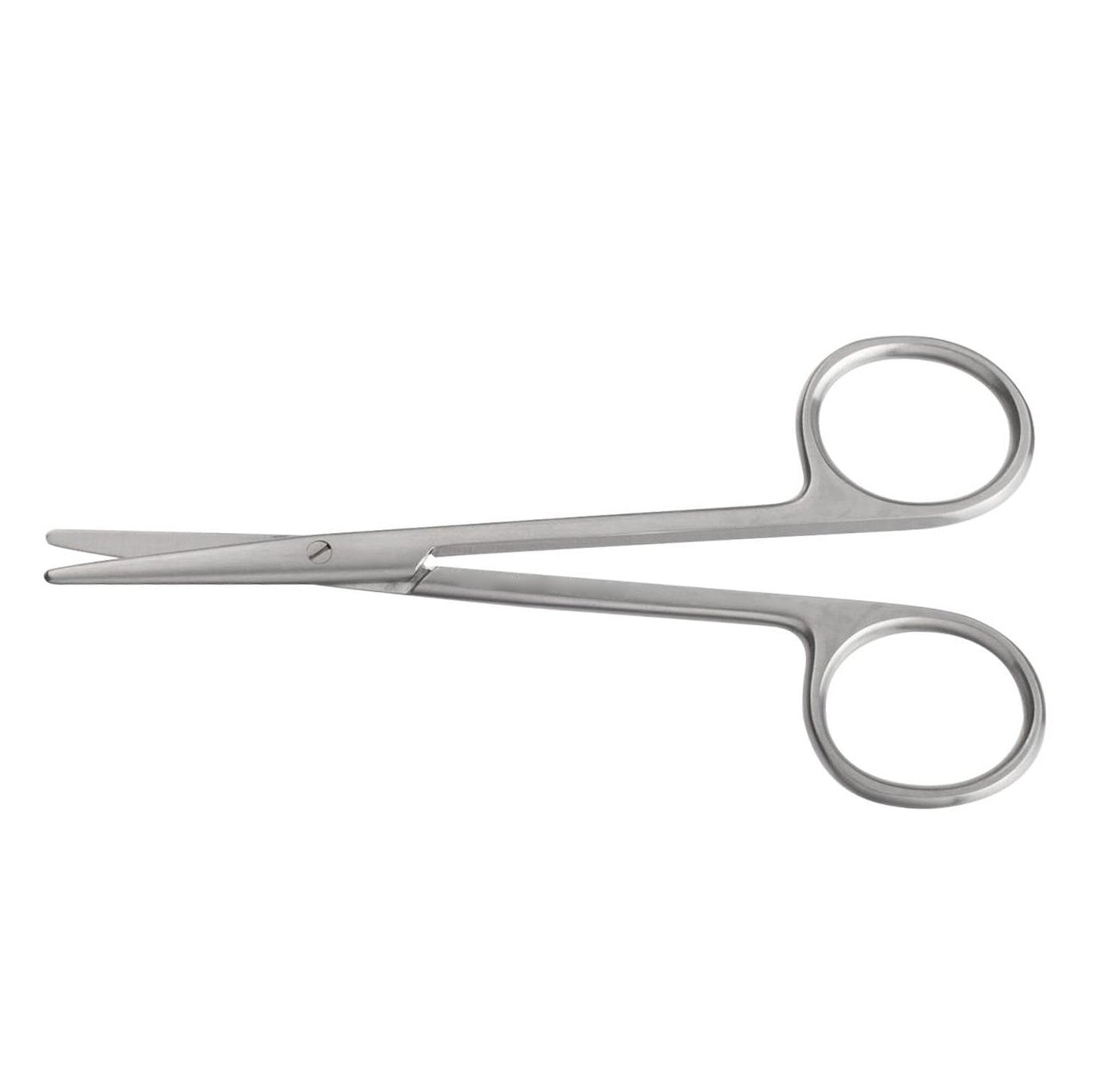
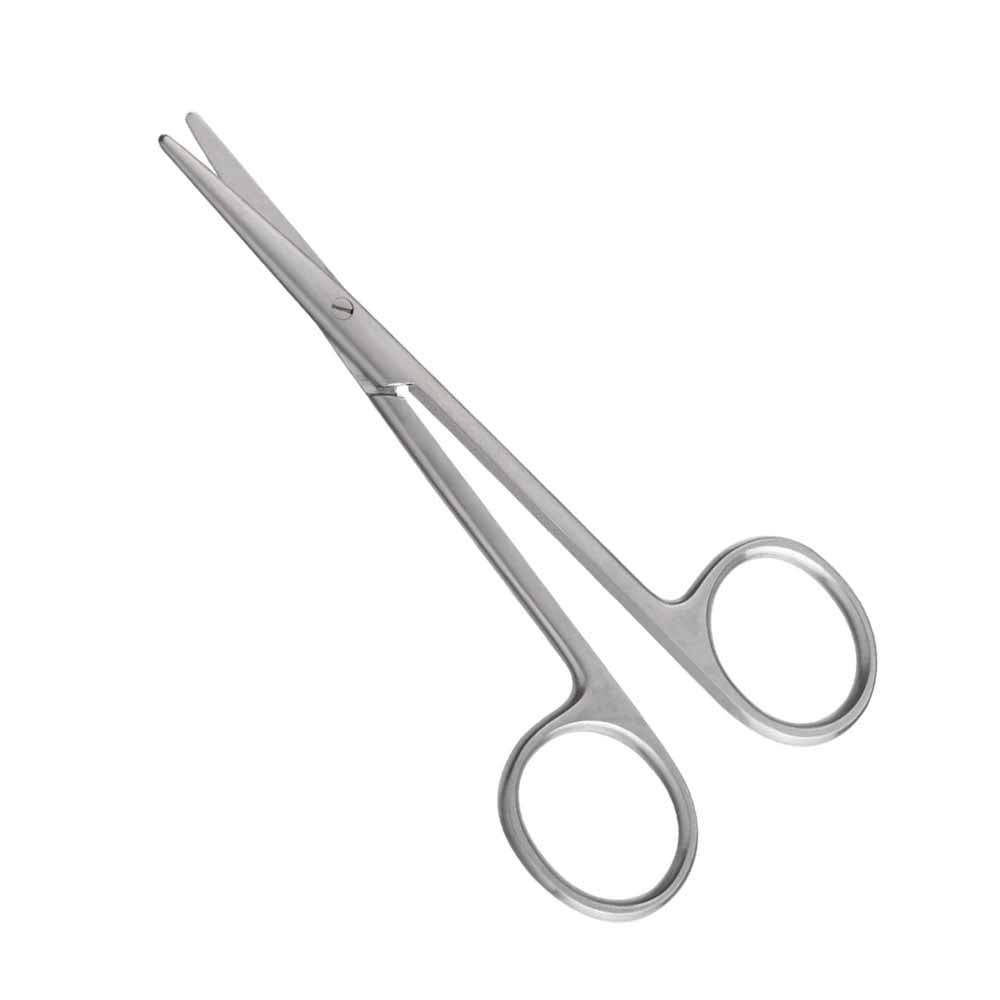
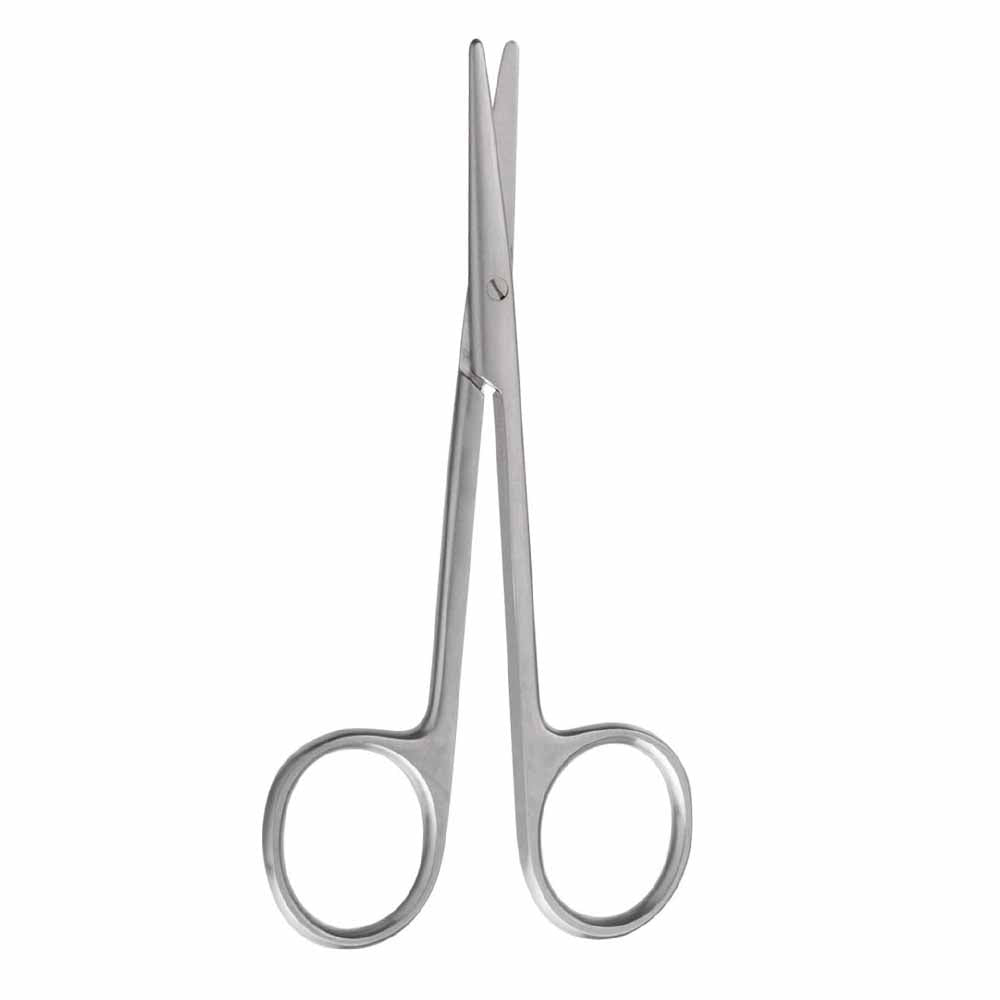
Knapp Strabismus scissors are instruments for ophthalmic surgery that are used principally in the field of strabismus (eye muscles) surgery. They are made to offer precise cuts and dissections of delicate muscles as well as the surrounding tissues. They are widely used by surgeons in ophthalmology; they play an essential role in making sure that they achieve accurate alignment and achieve successful surgical results.
Knapp strabismus scissors are generally made using high-quality surgical-grade stainless steel in order to guarantee durability, corrosion resistance and continuous performance. The scissors feature slim, long blades that have sharp, fine tips that permit precise cutting in restricted surgical areas. The ergonomically balanced handle provides superior control as well as tactile feedback, allowing surgeons to execute delicate movements without fear.
These scissors are typically used in strabismus correction procedures in which precise cuts and dissections of the eye muscles are necessary. Knapp Strabismus scissors can also be beneficial for dissecting delicate tissues of the ocular and trimming sutures in ophthalmic surgeries. Their design is precise and reduces the risk of injury to nearby structures.
One of the main benefits of Knapp Strabismus scissors is their precision. Fine blades permit precise, controlled cuts, which reduce the chance of injury to tissues. Their ergonomic design allows for better maneuverability and eases the burden on hands when performing long procedures. This degree of control can lead to increased surgical efficiency and improved patient outcomes.
In modern Ophthalmic Surgery, precision and tissue preservation are vital. Knapp Strabismus scissors are a great aid to minimally invasive techniques because they allow accurate dissection in areas that are sensitive. They are compatible with standard sterilization protocols, which assures safety and repeat usage in operating rooms for ophthalmologists.
Knapp strabismus scissors are vital tools for eye surgery. Their durable construction, high-quality cutting capability and ergonomic design will continue to aid in secure, efficient, and successful surgery for strabismus in contemporary Ophthalmology.