Featured Collection
Your cart
Featured Collection

PEAK SURGICAL
SKU:PS-O T-01115
Couldn't load pickup availability
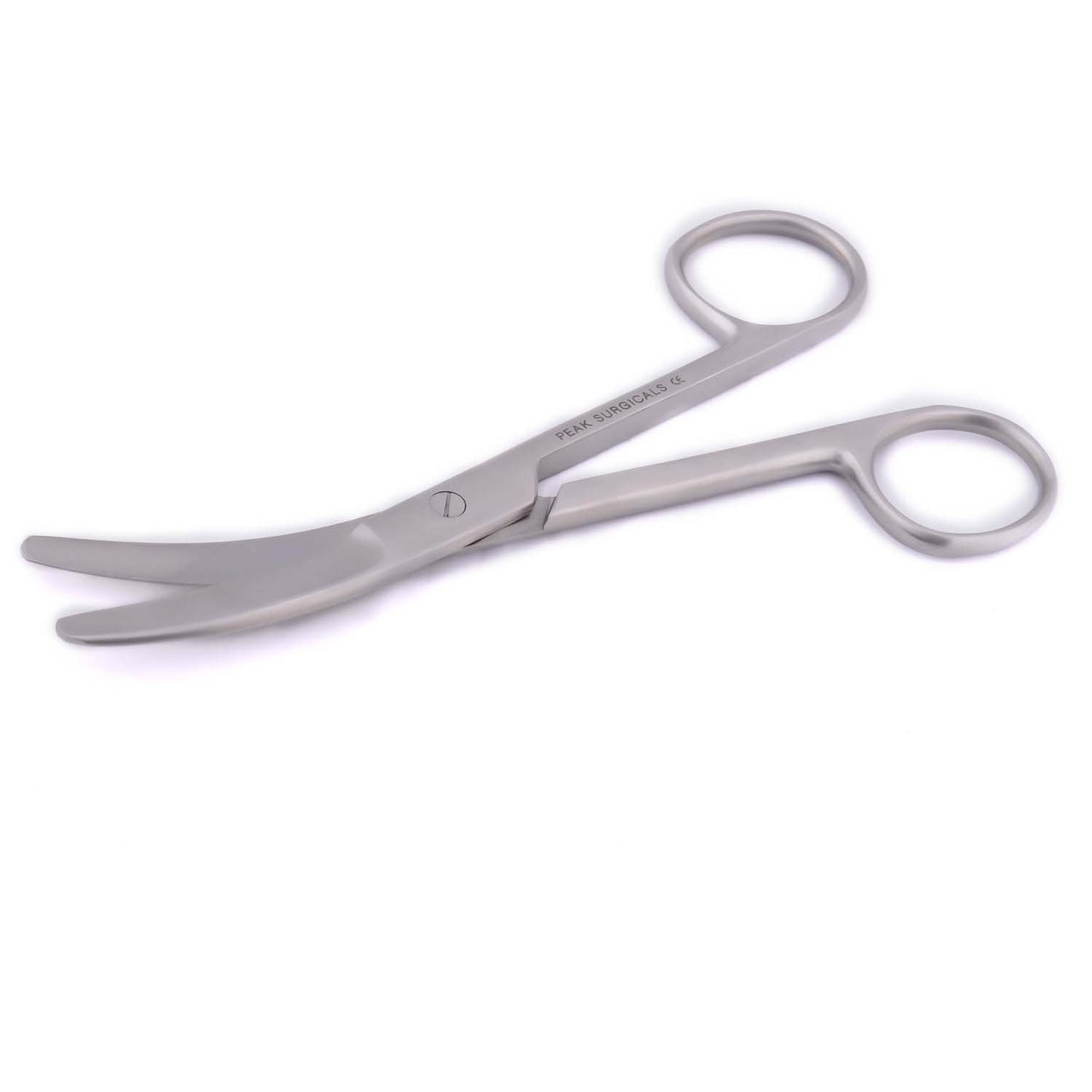
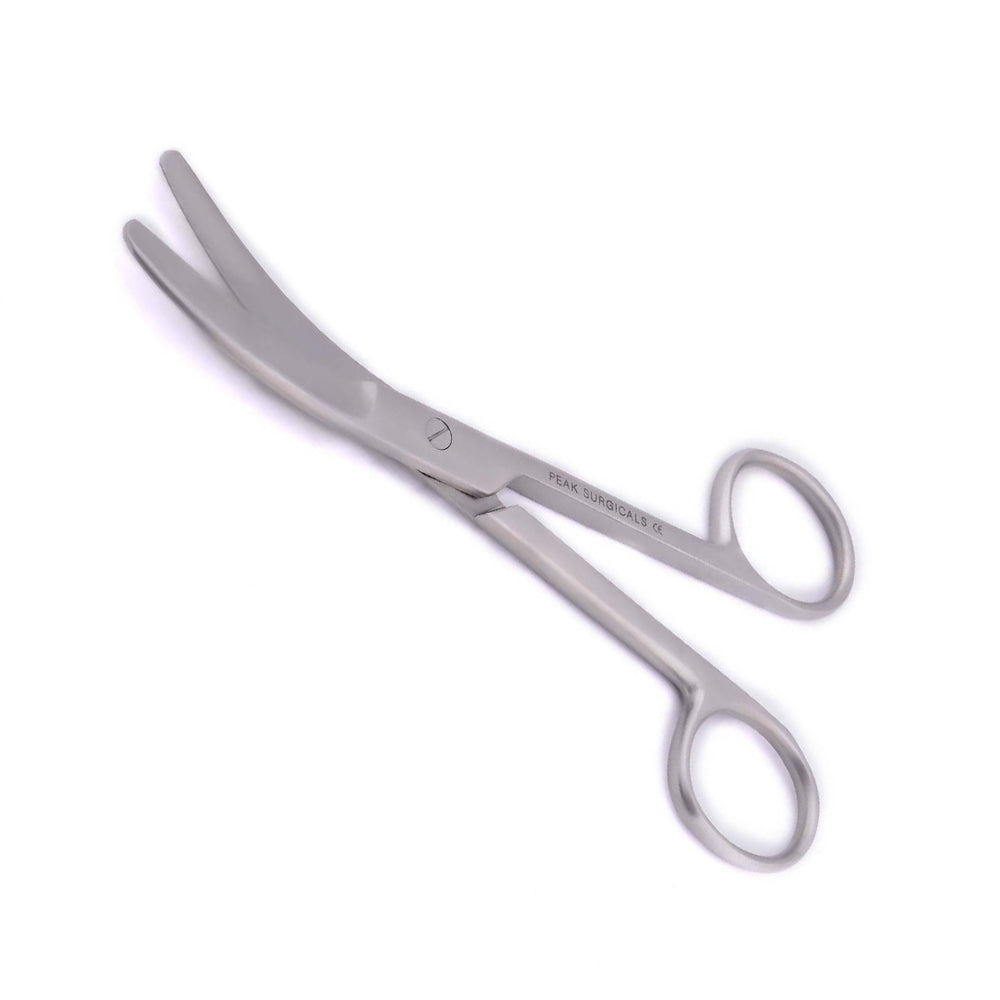
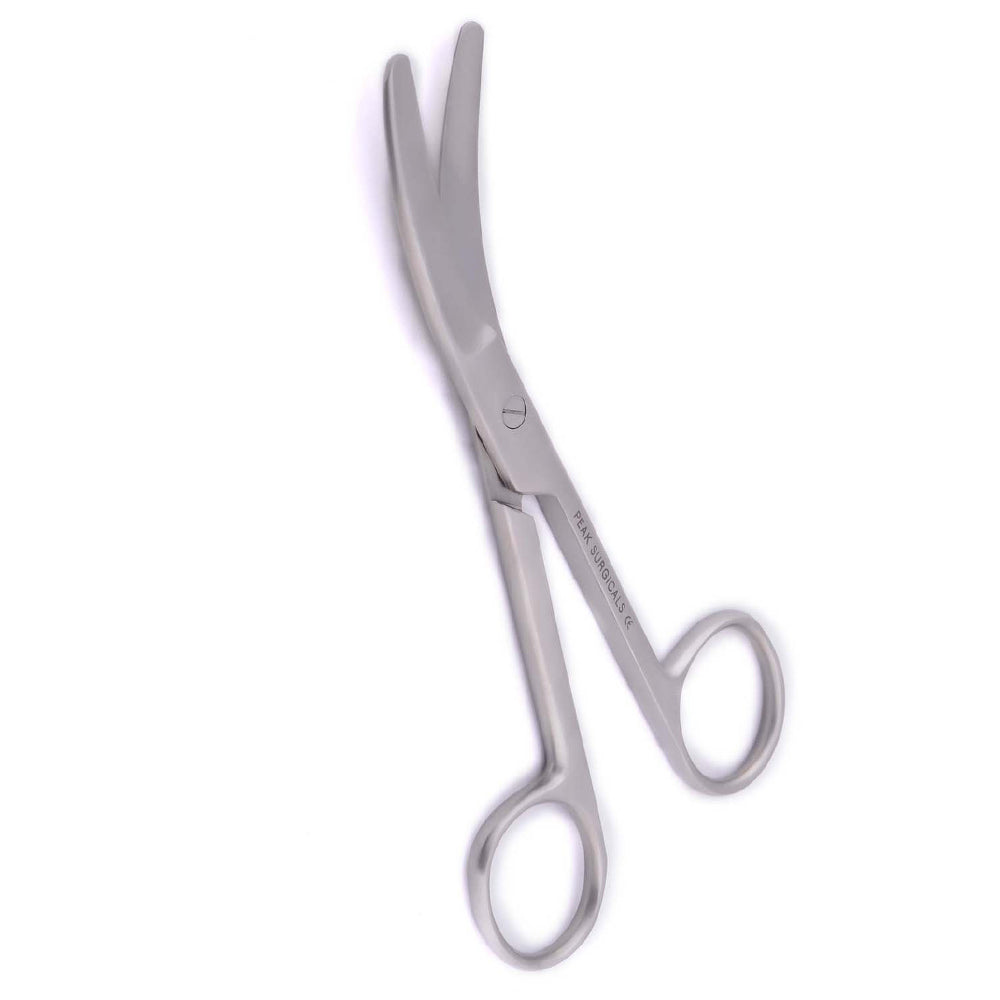
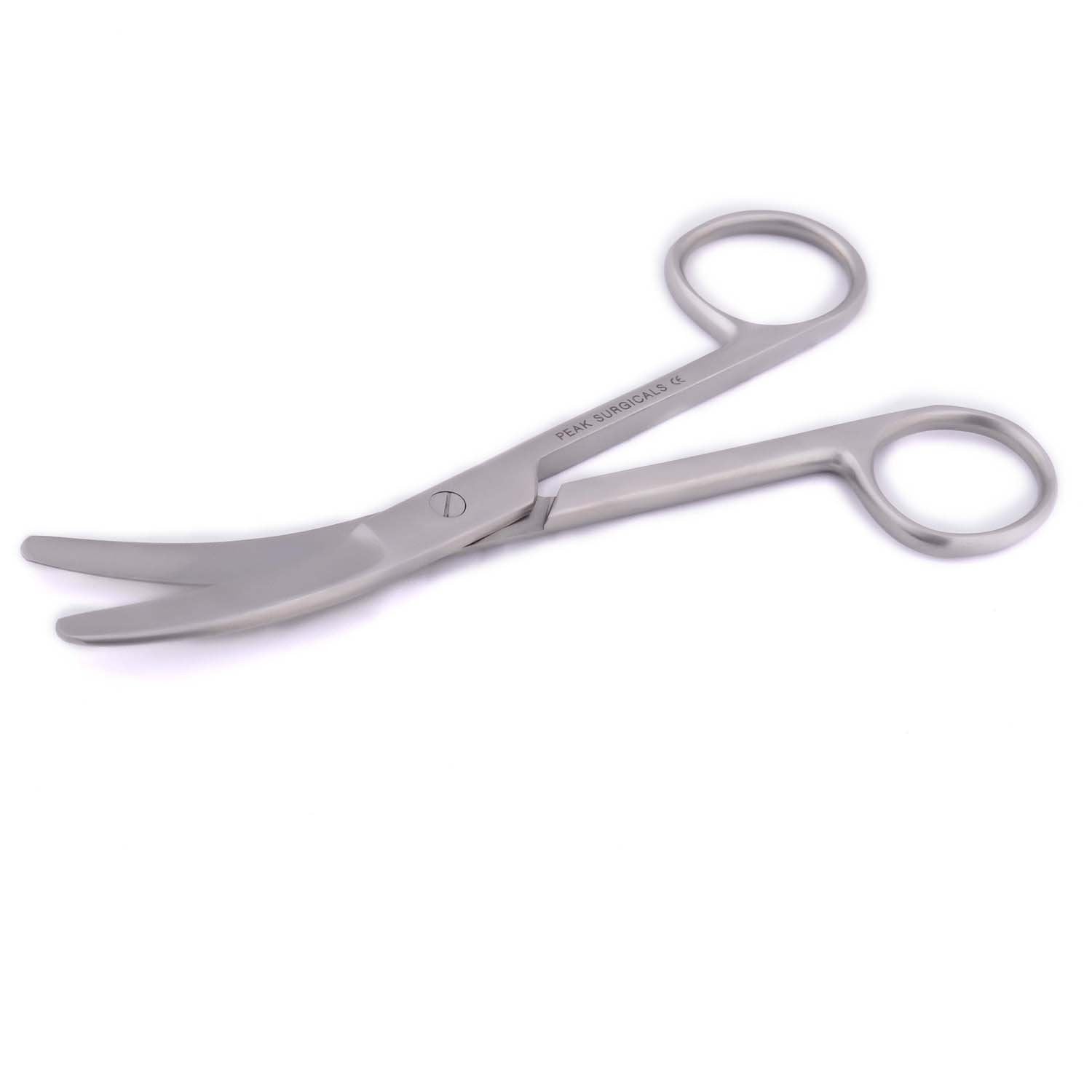
What are curved operating scissors?
Surgeons use curved operating scissors a lot because they are very important tools. Their curved blade design lets you cut and dissect tissues accurately in places where straight scissors can't reach. These scissors are often used in operating rooms, clinics, and surgical trays to help with a wide range of procedures by making them more accurate, safe, and efficient.
Design and Build
Most curved operating scissors are made of high-quality surgical-grade stainless steel, which makes them strong, resistant to rust, and able to work well for a long time. The curved blades are very sharp, which makes for clean, smooth cuts with less damage to the tissue. The curve also makes it easier to see by making the cutting area clearer to the surgeons. The handles are made to fit your hand well and have finger rings that make them comfortable, balanced, and easy to control for long periods of time.
Uses in the Clinic
Operating scissors with curves are used in many types of surgery, such as general surgery, gynecology, orthopedics, and cardiovascular surgery. People often use them to cut soft tissues, dissect delicate structures, and trim sutures. The curved shape makes them especially good for working around organs, blood vessels, and anatomical contours, where straight scissors might not work as well.
Benefits for Surgeons
One of the main benefits of curved operating scissors is that they are more accurate. The blade's curve makes it easier to move around and cut with precision, which lowers the risk of accidentally hurting nearby tissues. These scissors also help with workflow by making dissection easier and separating tissues more accurately. Their balanced weight and comfortable grip make it easier for surgeons to keep their hands from getting tired during long procedures.
What They Do in Modern Surgery
In today's operating rooms, being flexible and dependable is very important. Curved operating scissors meet these needs by working well in a wide range of surgical situations. They can be used over and over again in a clinical setting because they work with standard sterilization methods, which means they follow infection control rules.
Final Thoughts
Surgeons can't do without curved scissors. They help make surgeries safer, more efficient, and more successful in many medical fields because they are well-made, cut precisely, and are comfortable to use.