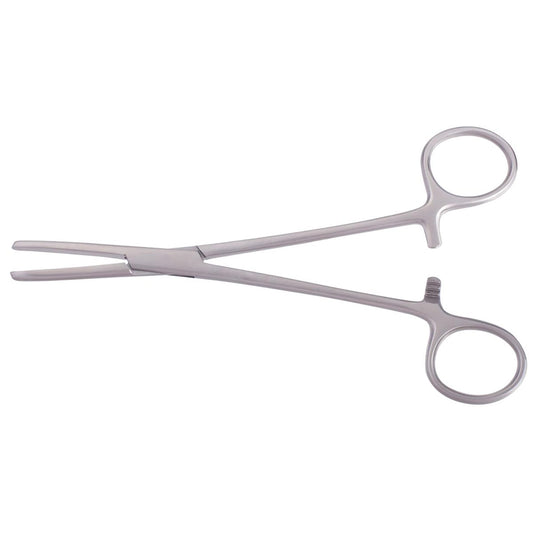
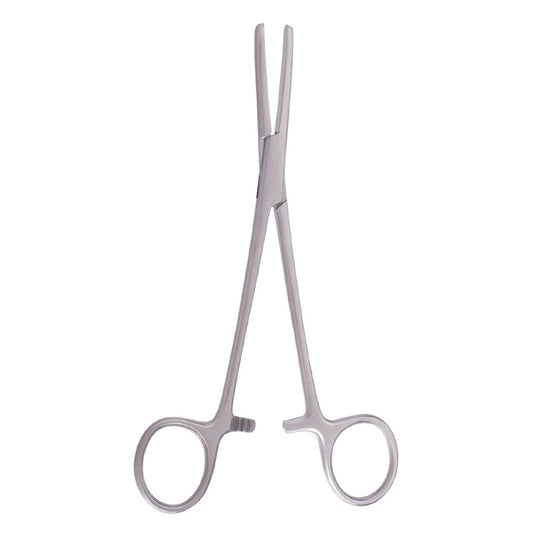
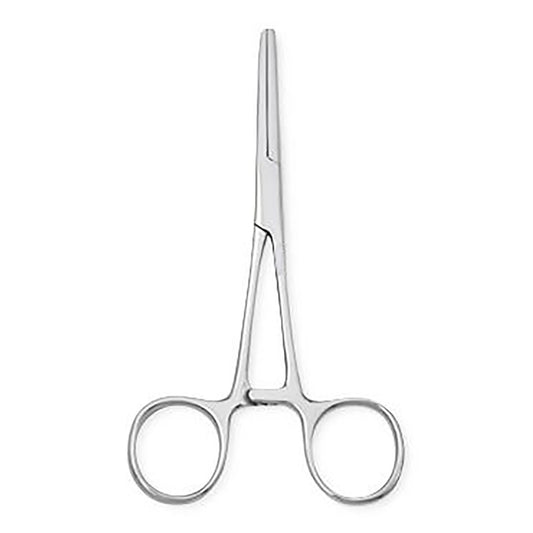
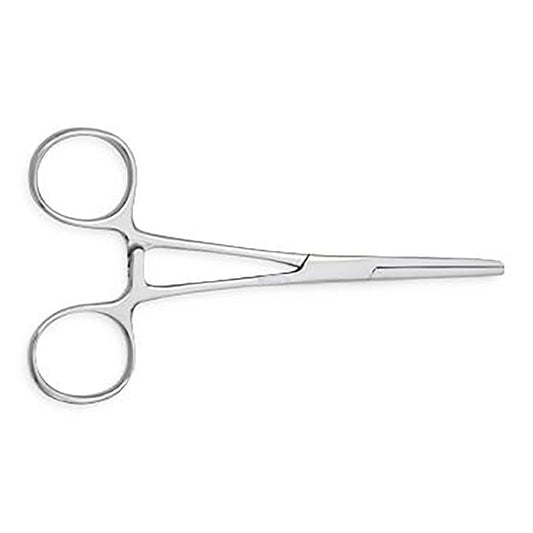
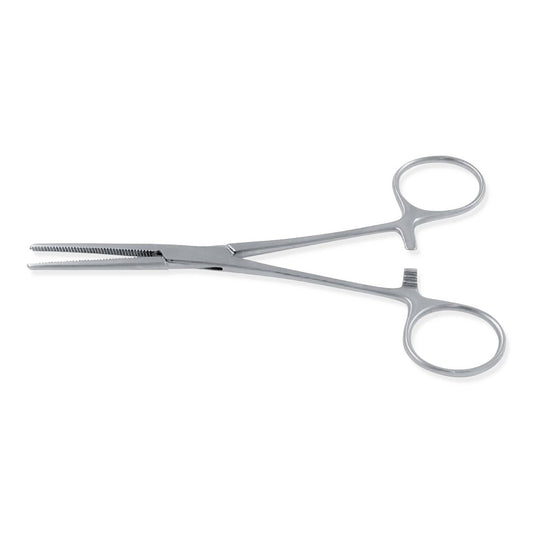
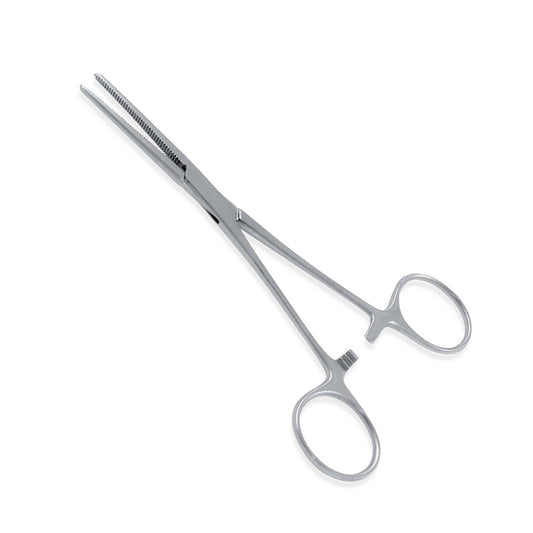
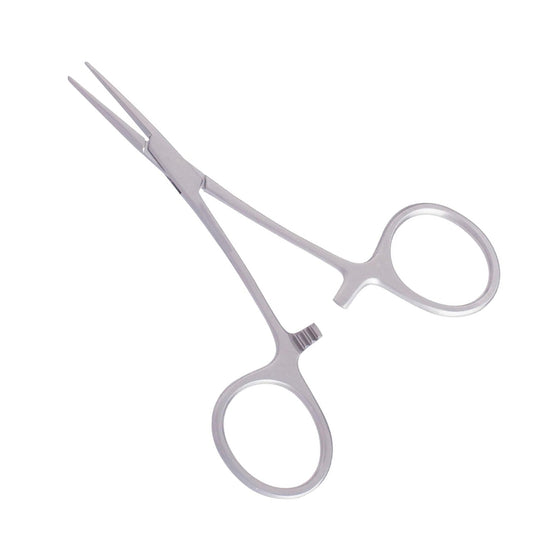
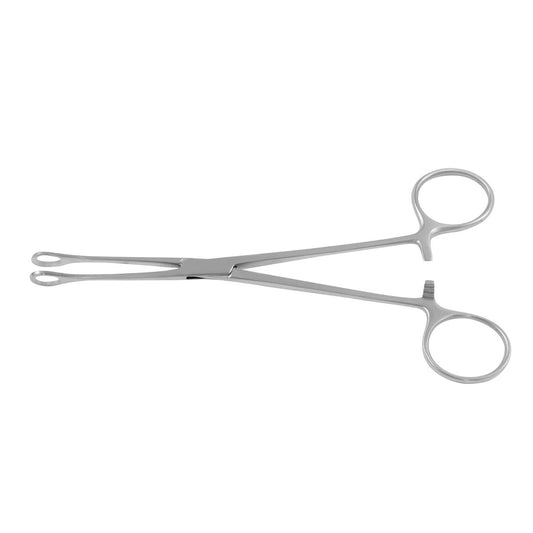
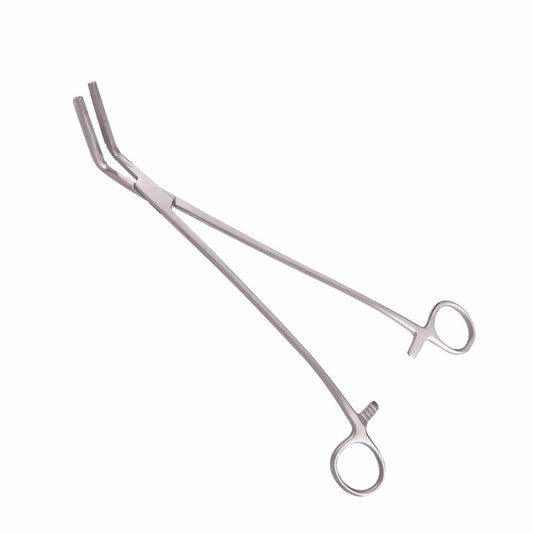
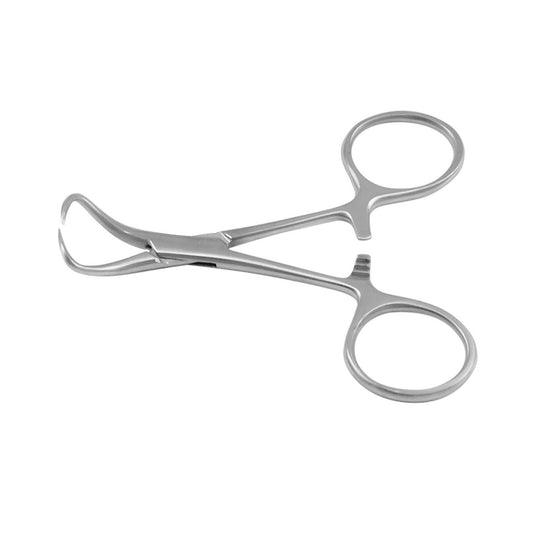
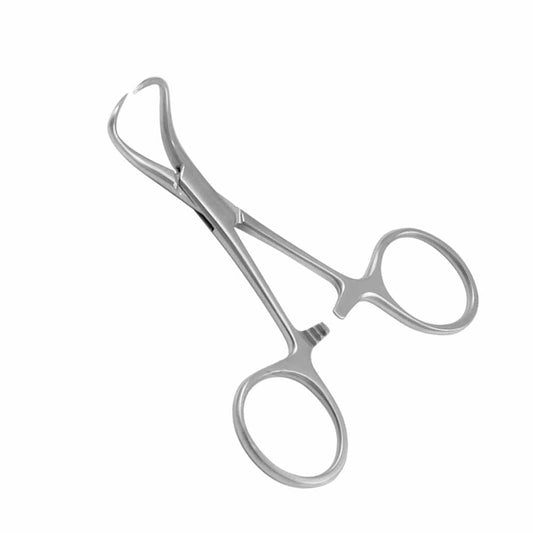
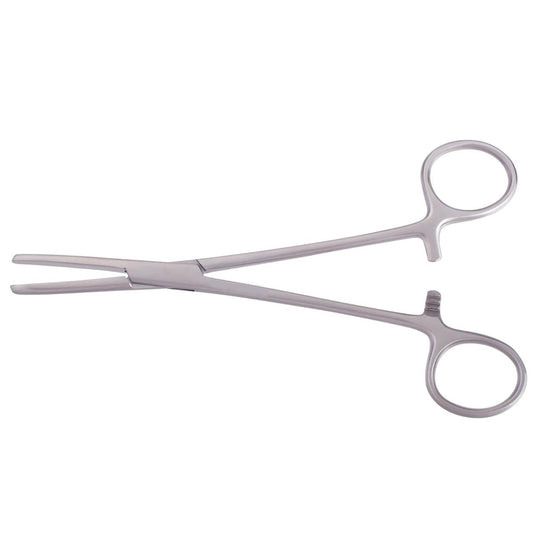
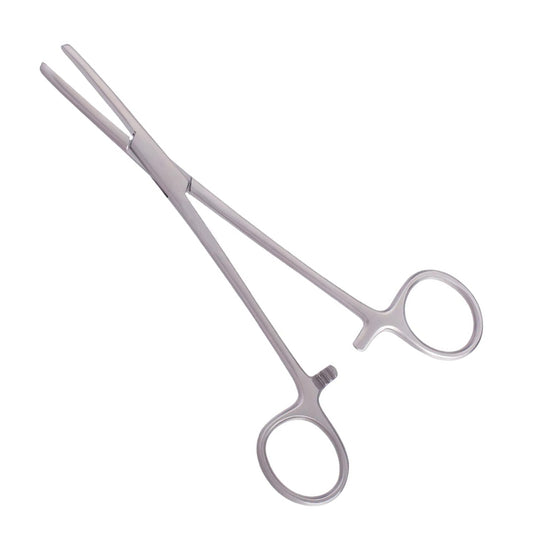
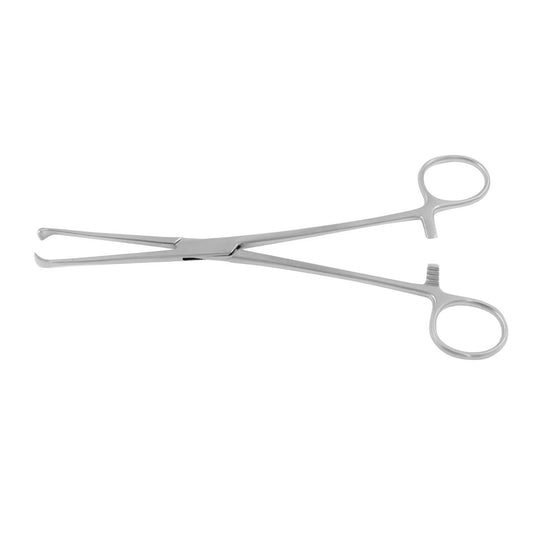
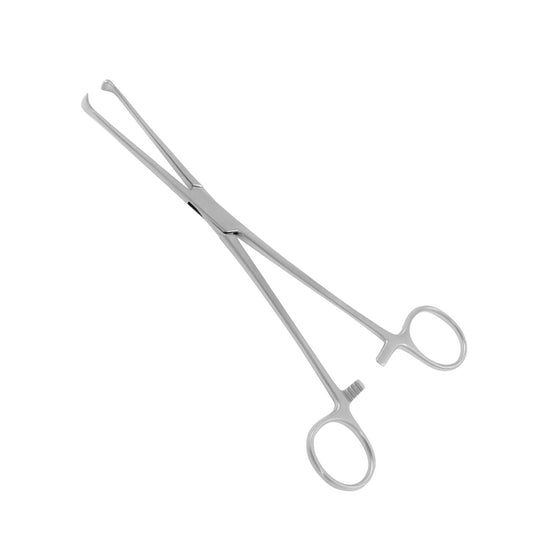
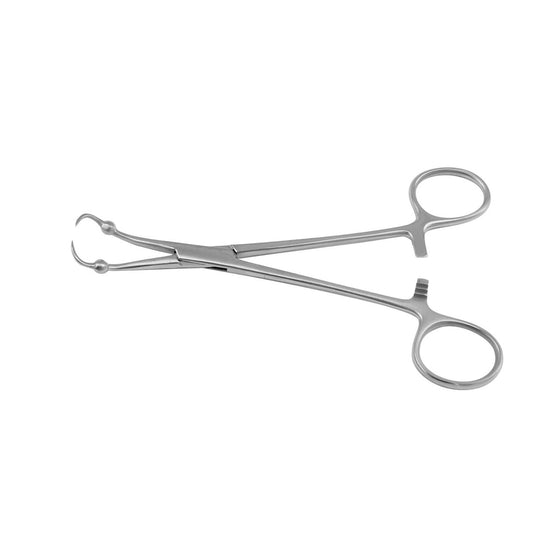
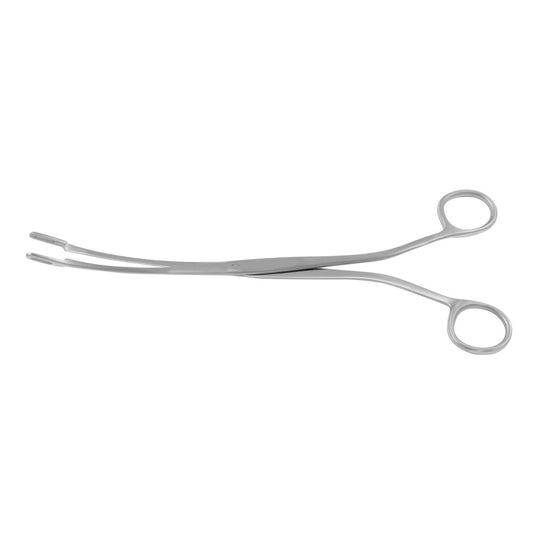
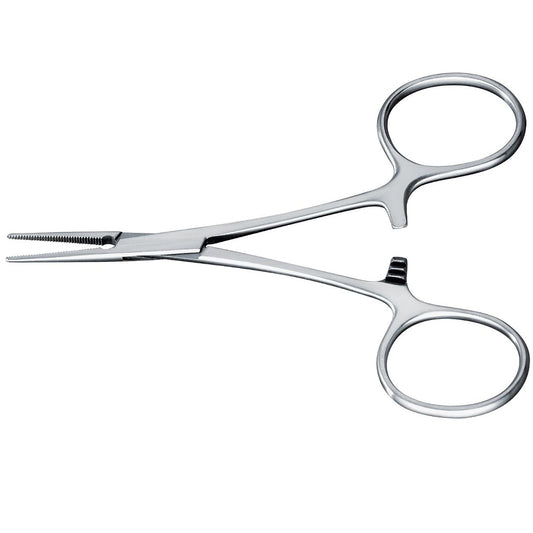
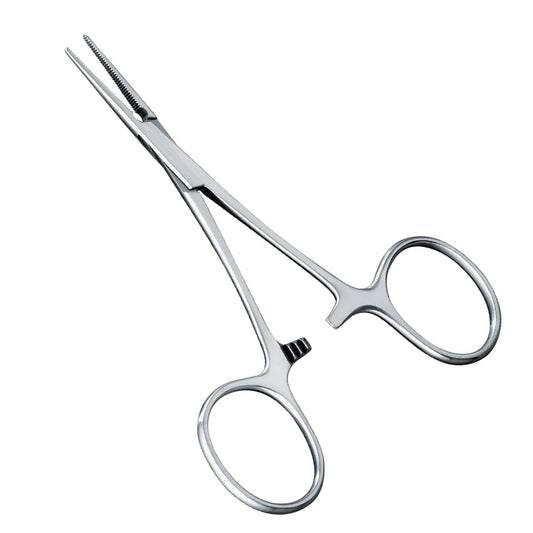
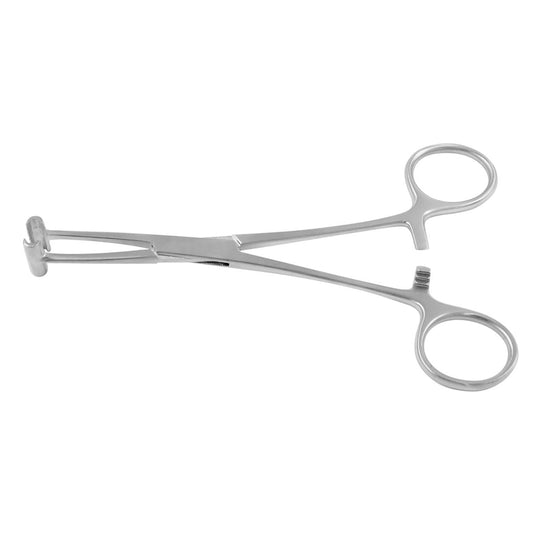
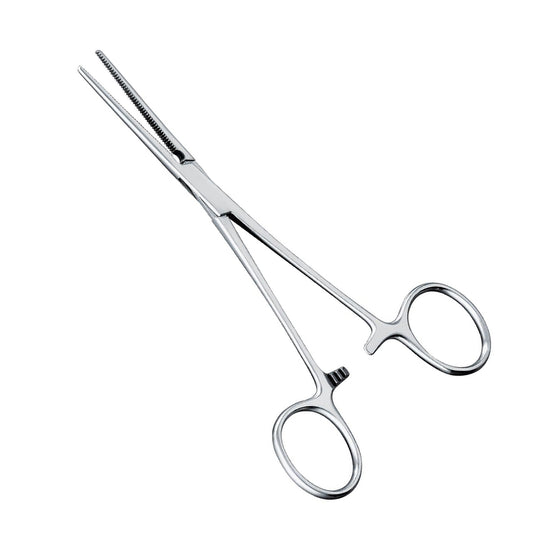
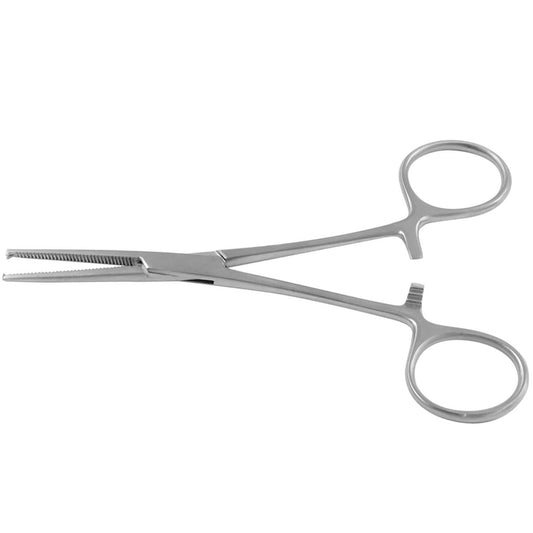
Peak Surgicals supplies reusable surgical forceps for tissue handling, clamping, grasping and specialty procedures. The range includes ring-handled, tissue, intestinal, vascular and procedure-specific patterns manufactured from German stainless steel for professional surgical use. Browse the collection by jaw design, locking mechanism, working length and intended application.
Thumb or Ringed? Understanding Surgical Forceps
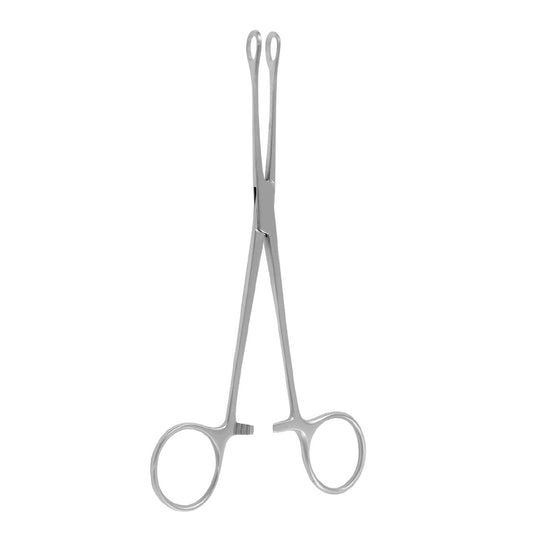
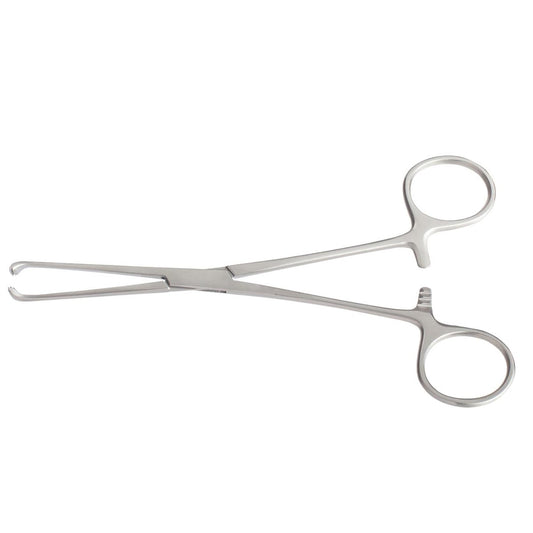
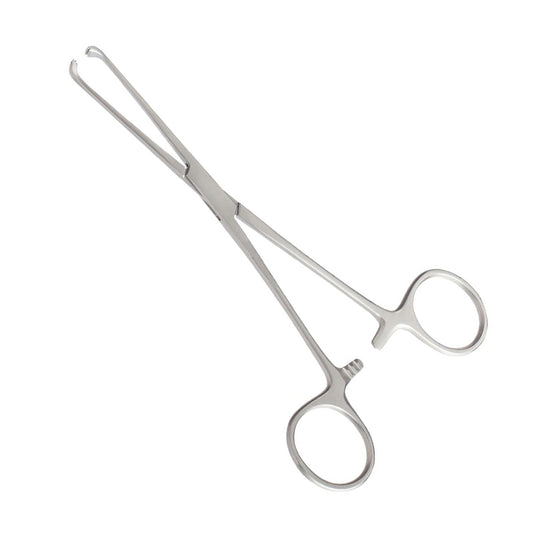
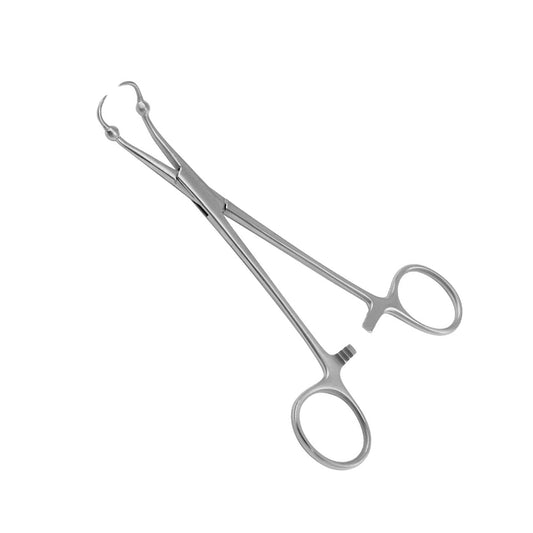
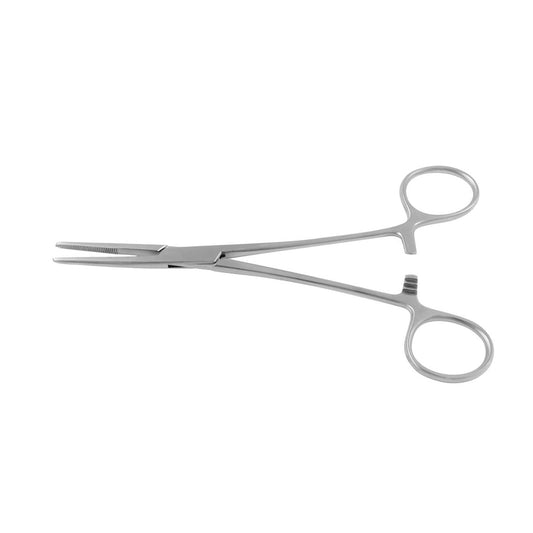
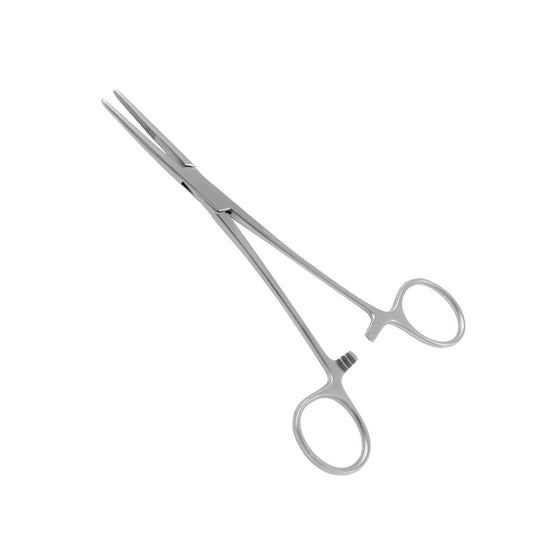
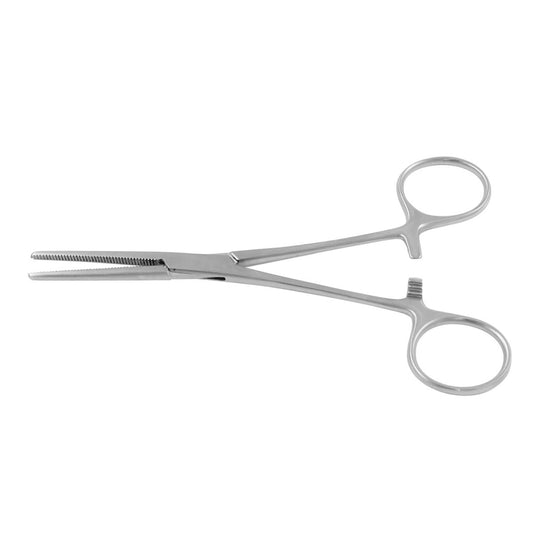
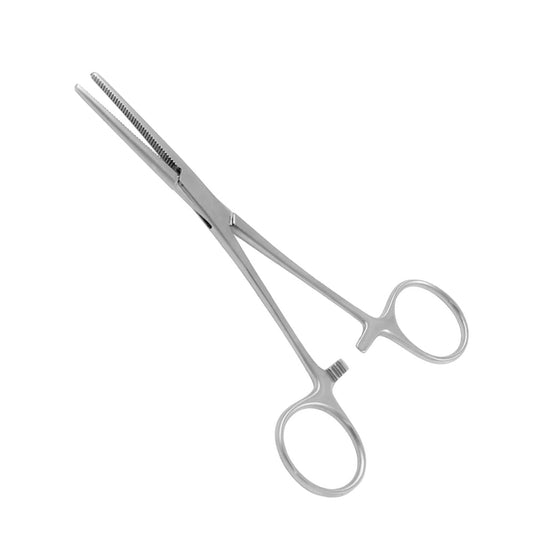
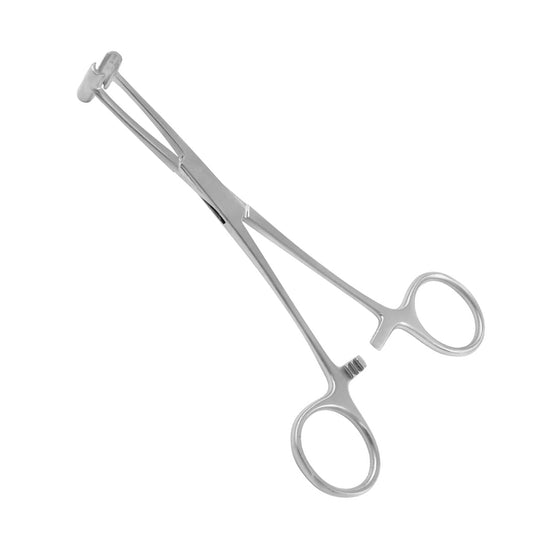
Surgical forceps are available in different handling designs depending on the task. Thumb forceps are spring-style instruments controlled continuously between the fingers, while ring-handled forceps use finger rings and may include a box lock and ratchet for controlled locking.
The correct pattern depends on the procedure, tissue type, access, jaw geometry and whether continuous hand pressure or a locking mechanism is required. This distinction is more useful than choosing an instrument by name alone because similar-looking forceps can be designed for very different functions.
Hemostatic Forceps
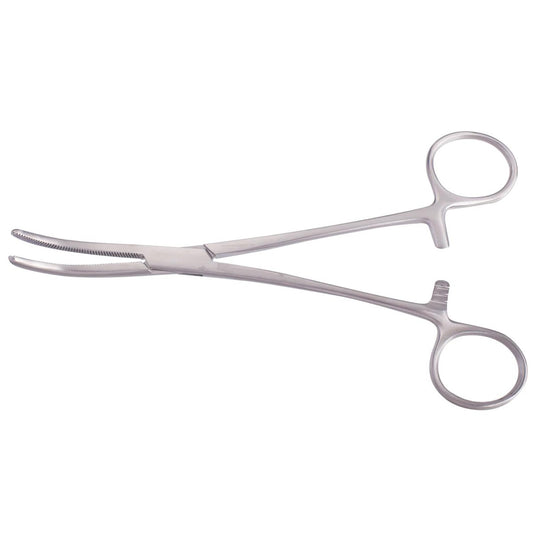
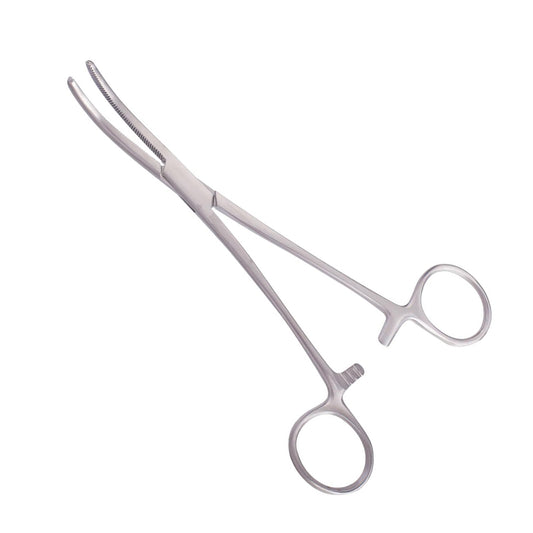
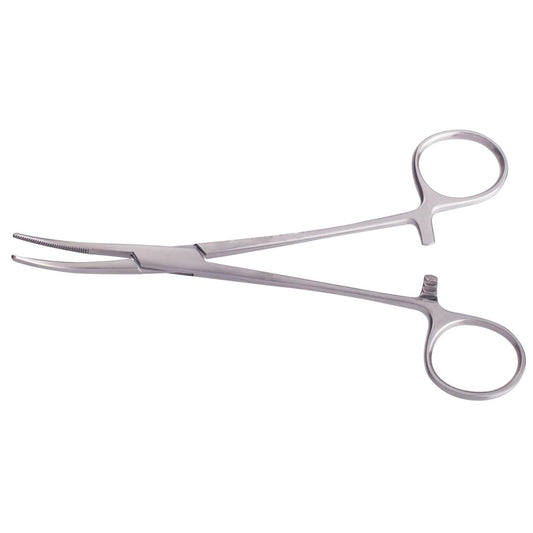
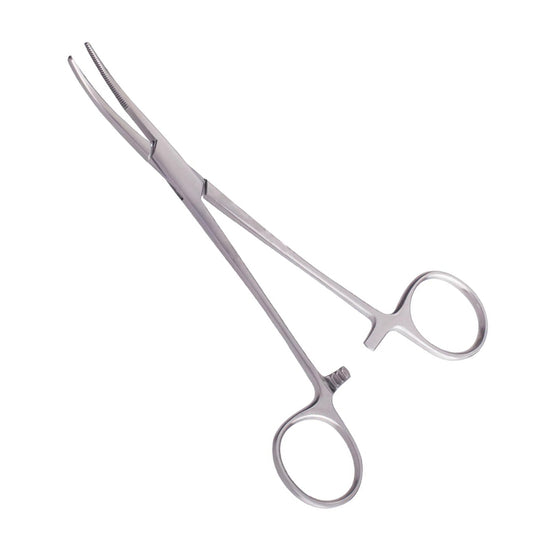
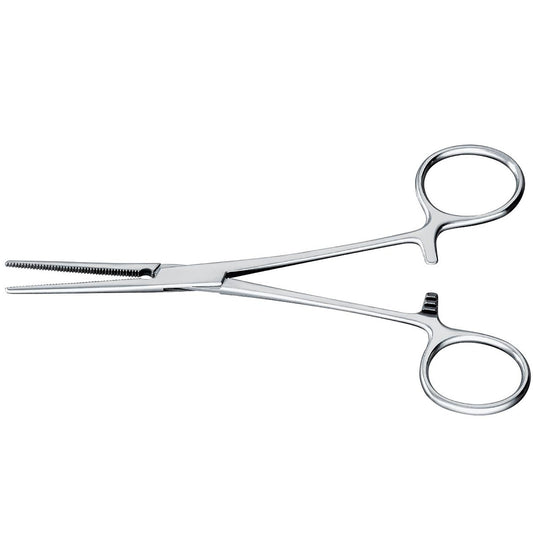
Locking hemostatic forceps form one important group within the wider surgical forceps category. Common patterns include Kelly, Crile, Halsted Mosquito, Pean, Carmalt and Kocher-style instruments, selected according to vessel size, jaw design and surgical access.
For dedicated vessel-clamping patterns and straight and curved configurations, browse our
Hemostats & Hemostatic Forceps
collection.
Tissue and Intestinal Forceps
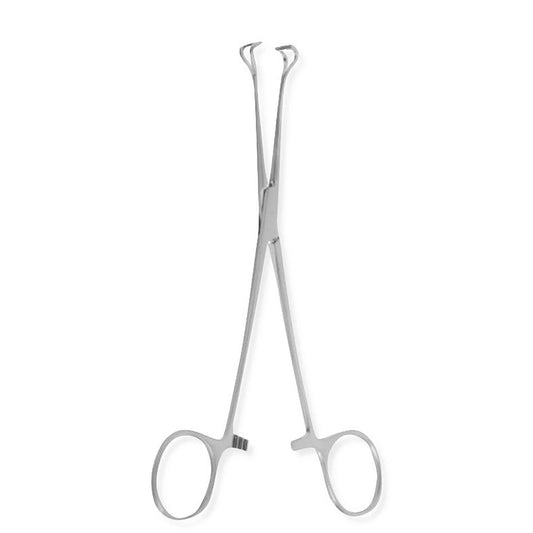
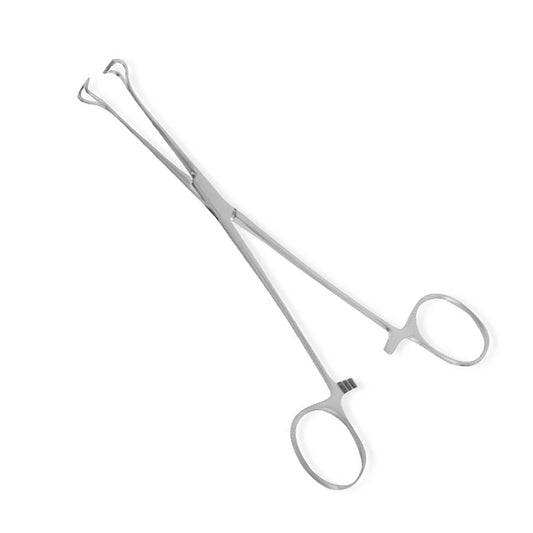
Tissue forceps are designed around the balance between grip and tissue handling. Allis-type forceps use toothed jaws for a secure hold where a firmer grasp is required, while Babcock-type forceps use smooth, fenestrated jaws for more delicate tissue handling.
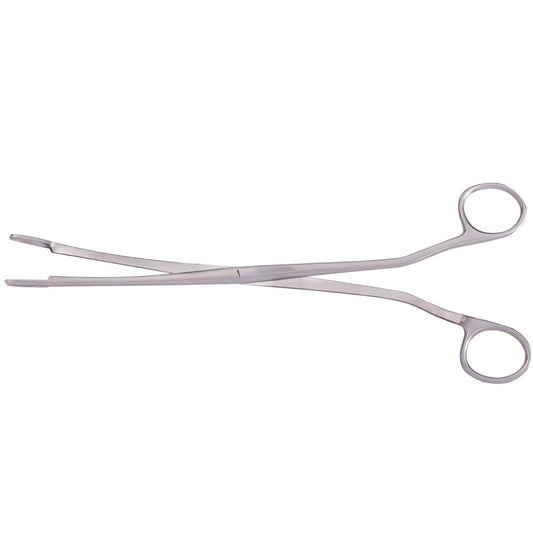
Intestinal forceps use elongated jaw designs intended for bowel and related surgical procedures. Patterns such as Doyen, Bainbridge, Lockwood and other non-crushing intestinal forceps differ in jaw profile, serration pattern, curvature and working length.
Instrument selection should be based on the intended tissue, procedure and required degree of grip rather than treating all tissue forceps as interchangeable.
Towel, Duct and Specialty Forceps
Specialty forceps extend the category beyond general tissue handling.
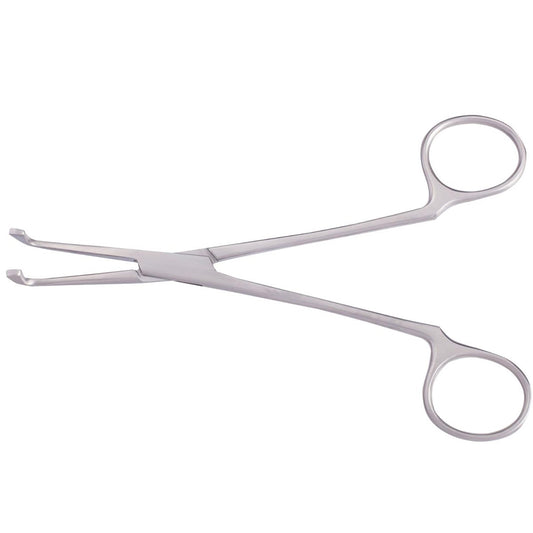
Towel forceps are designed to secure surgical drapes and may use penetrating or non-penetrating jaw patterns.
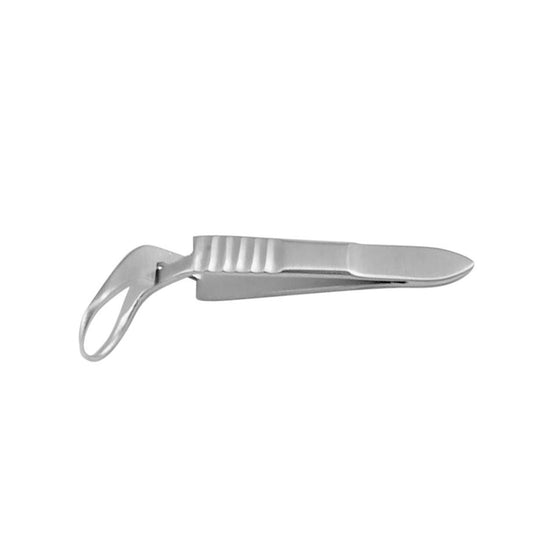
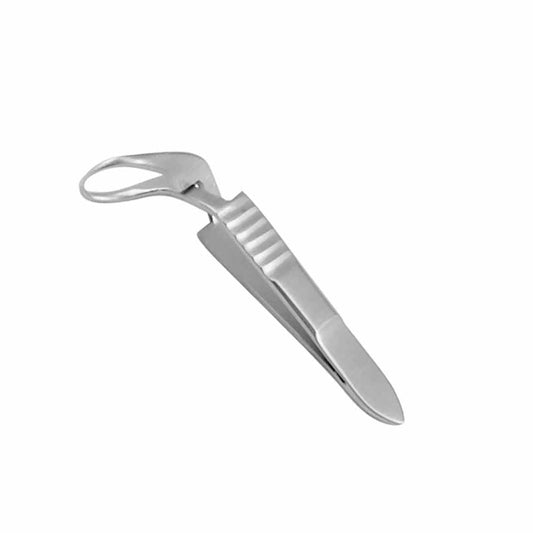
Gall duct and biliary forceps use angled, curved or fine working ends to provide access around ducts and related structures. Stone forceps use specialized jaw shapes for retrieval procedures.
Other specialty designs support thyroid, thoracic, vascular, proctological and other surgical applications. Where a named specialty pattern is specified for a procedure, the appropriate design should be selected rather than substituting a general-purpose forceps.
Jaw Design, Locking Mechanisms and Selection
Jaw design is one of the most important differences between surgical forceps. Depending on the pattern, jaws may be smooth, serrated, toothed, fenestrated, straight, curved or angled.
Locking ring-handled forceps use a ratchet to maintain a selected closing position. The box lock and ratchet should operate smoothly, and the jaws should remain properly aligned through opening and closing.
When selecting a surgical forceps, consider:
- Intended tissue or material
- Locking or non-locking design
- Straight, curved or angled jaws
- Toothed, smooth, serrated or fenestrated tips
- Instrument length
- Depth of the surgical field
- Specialty and procedure requirements
Reusable Stainless Steel Surgical Forceps
Peak Surgicals surgical forceps are manufactured from German stainless steel and are supplied across multiple surgical patterns, lengths and jaw configurations. Instruments should be inspected before use for jaw alignment, smooth joint action, ratchet engagement where applicable and visible surface damage.
Reusable instruments should be cleaned promptly after use and reprocessed according to the manufacturer's instructions for use and the healthcare facility's validated cleaning and sterilization protocol.
Peak Surgicals operates under an ISO 13485 quality management system, and applicable instruments are CE marked. Reusable instruments are supplied non-sterile unless otherwise specified and require appropriate reprocessing before clinical use.
For cutting instruments, browse our
Surgical Scissors
range. For dedicated vessel-clamping instruments, see
Hemostats & Hemostatic Forceps,
or browse all
Surgical Instruments.
Shop Surgical Forceps