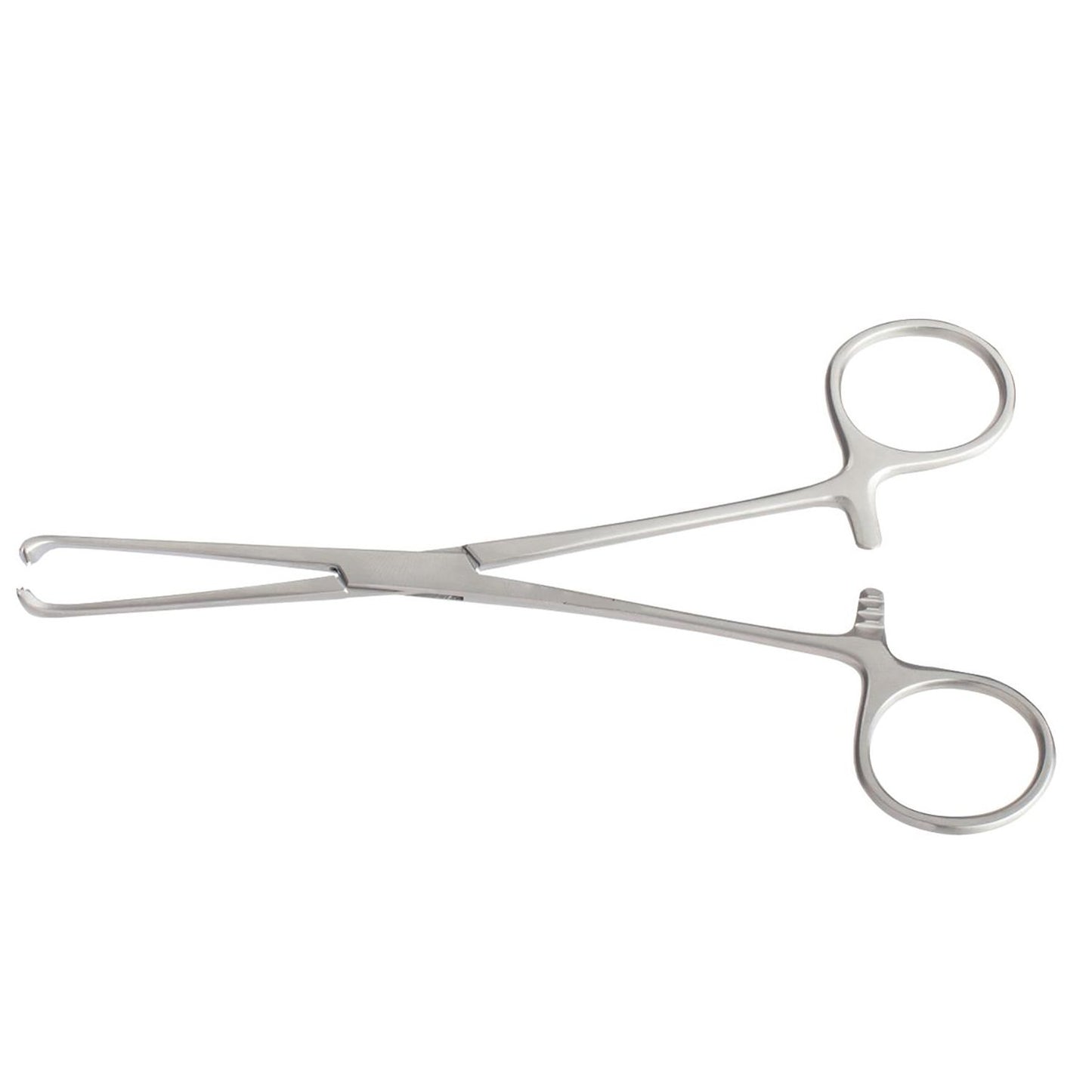
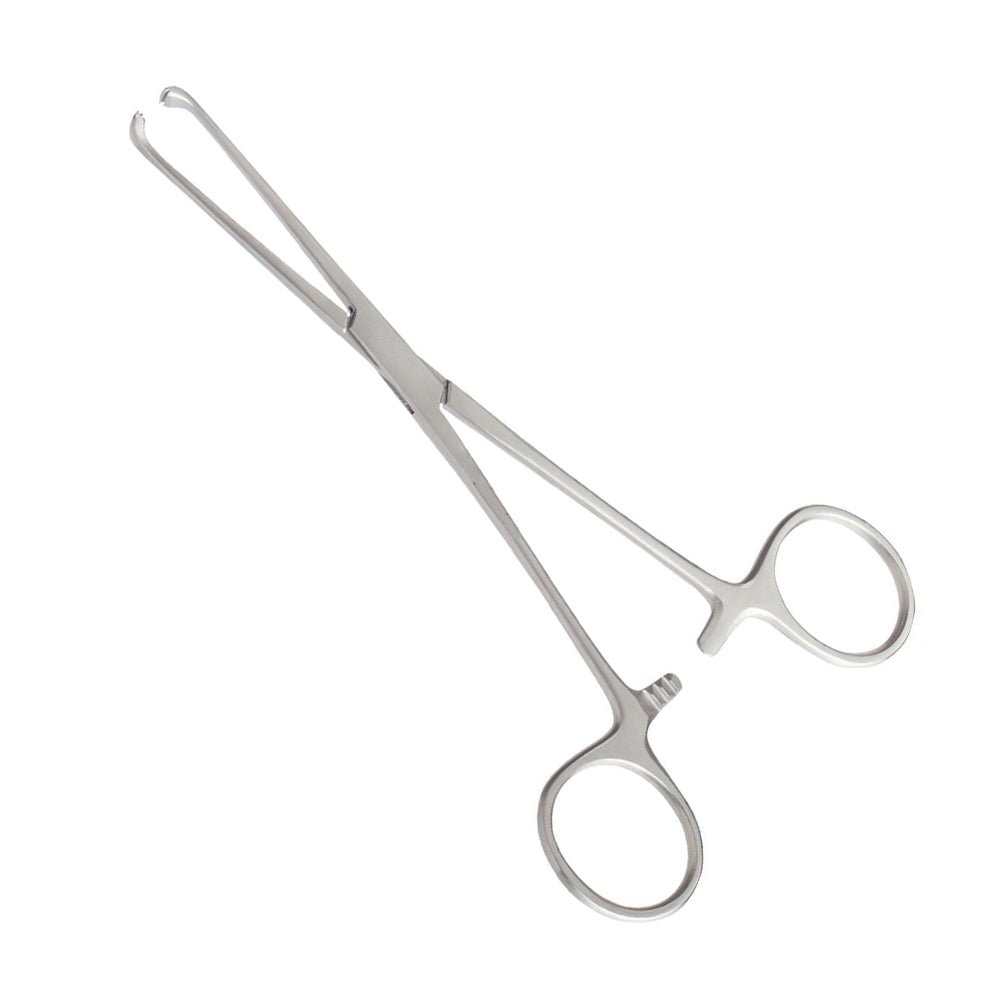
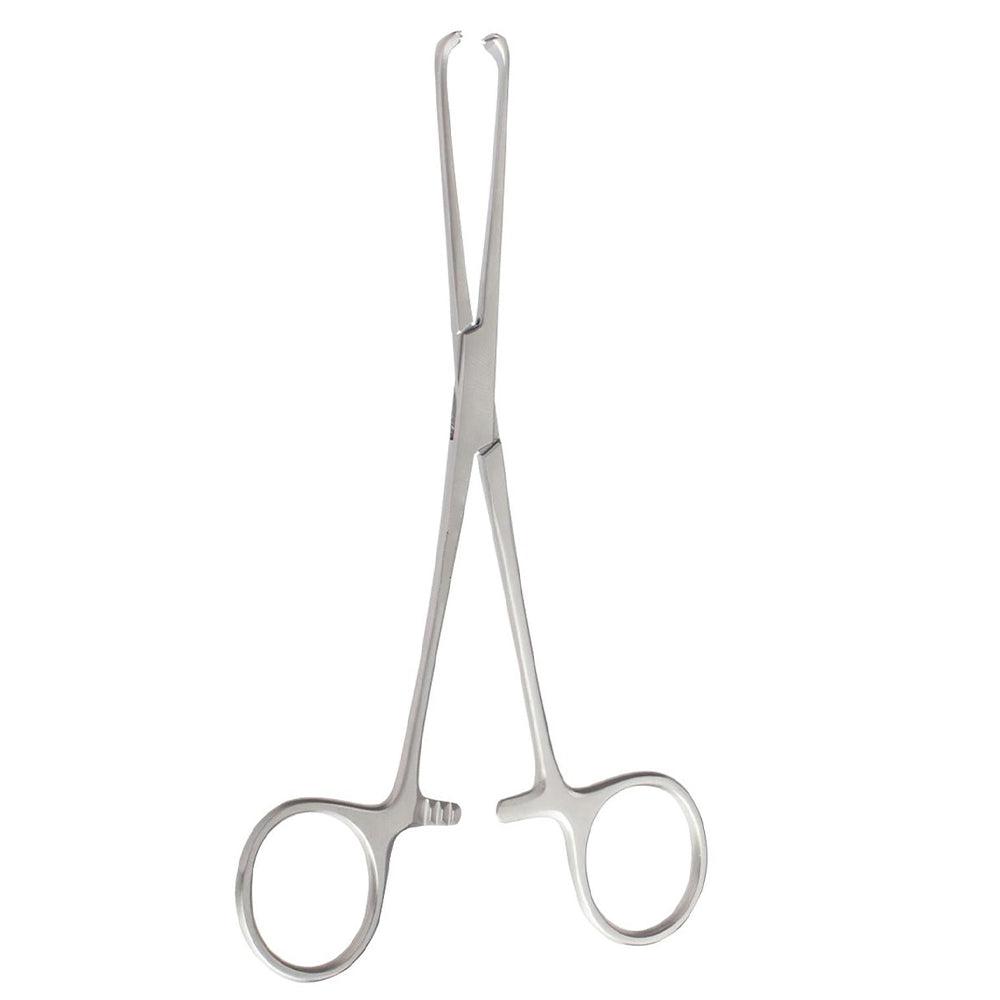
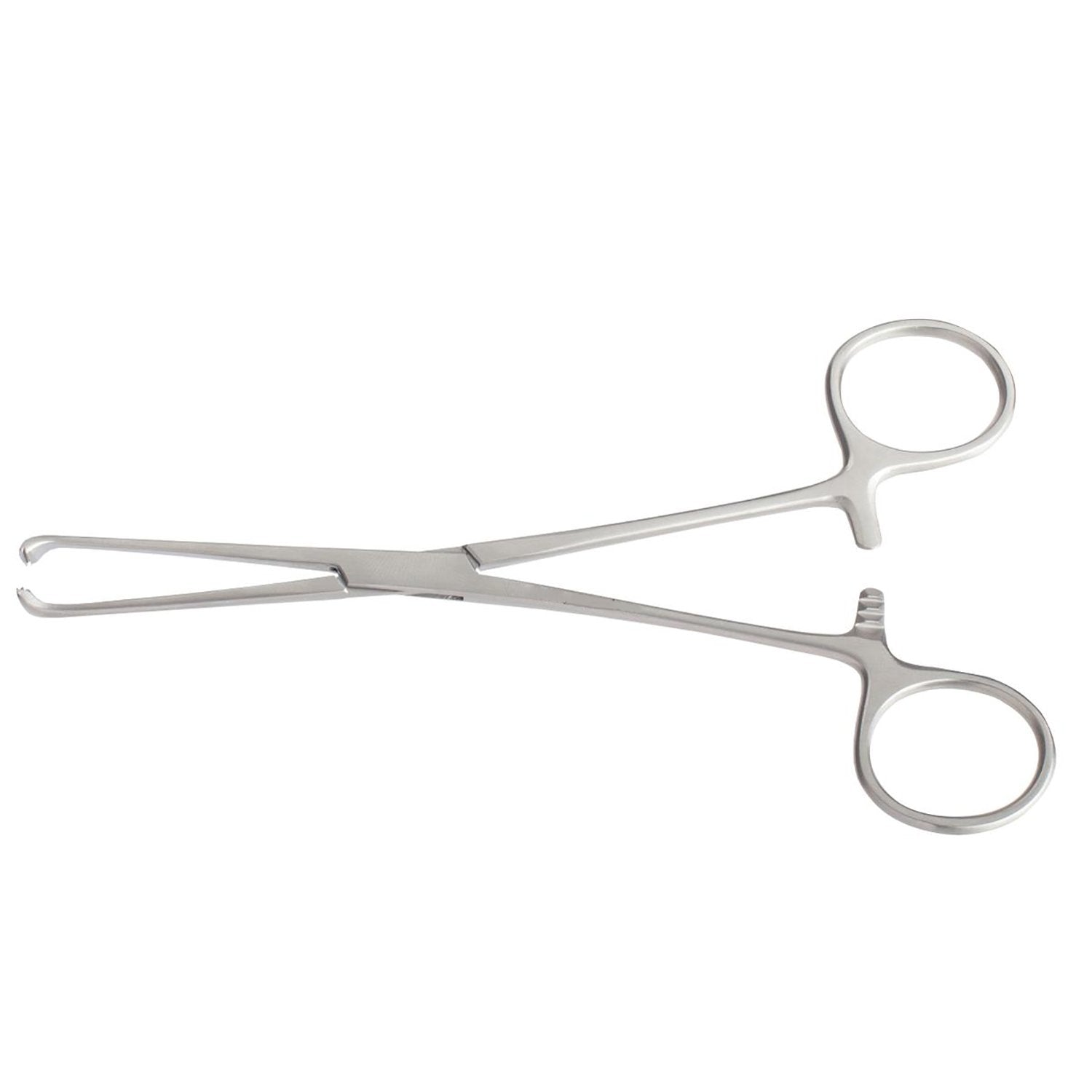
Gentle Precision in Abdominal Surgery: Glassman-Allis Non-Crushing Forceps
In hepatobiliary or gastrointestinal surgery, it is essential to grasp organs that are delicate without creating permanent injury, which is among the biggest challenges that surgeons face. Although standard Allis forceps have been well-known for their sharp interlocking teeth made for heavy-weight tissues The Glassman-Allis non-crushing intestinal forceps provide a crucial refinement with a safe grip that is safe for tissue.
What are Glassman-Allis Non-Crushing Forceps?
Glassman-Allis is a unique variant of the classic Allis forceps for tissue. In contrast to the standard model, which is known to cause "crushing" due to its sharp teeth The Glassman-Allis comes with sharp serrations as well as a more gentle jaw shape.
It was designed specifically for the handling of "hollow viscera"-organs such as stomach, intestines and gallbladder, where ensuring blood flow and stopping the risk of mural (wall) damage are essential for a successful post-operative healing.
Key Features and Surgical Advantages
-
Atraumatic serrated jaws. The jaws are constructed with serrations that are fine and non-penetrating. This enables the surgeon to exert sufficient pressure to ensure that there is no slippage and to make sure the serosa (outer layer) in the bowel stays intact.
-
Long Profile Most often, they are available with lengths of 6, 8 or 10 inches", 8", or 10 inches. These forceps offer excellent access to the deep abdominal cavity, which allows to mobilize the liver and the separation of digestive tracts.
-
The mechanism that is non-crushing: The tension of the ratcheted handle is set to ensure a secure hold that doesn't block micro-vascularity, thus reducing the chance of necrosis to the tissues.
-
Balanced Ergonomics Built from top-quality stainless steel. The forceps are light and balanced, helping to reduce hand fatigue when performing lengthy, complicated abdominal reconstructions.
Primary Clinical Applications
The Glassman-Allis forcep can be a common tool in general surgery as well as special abdominal procedures:
-
Bowel Resection and Anastomosis: Safely holding the ends of the intestines while they are stitched or stapled.
-
Hepatobiliary Operation: Manipulating the gallbladder or common bile passageway during the cholecystectomy procedure or during exploration.
-
Liver Mobilization: Gentle traction of the liver to reveal deeper structures, such as the diaphragm and vena cava.
-
Exploratory Laparotomy: The moving loops in the large and small intestinal tracts are used to examine the retroperitoneum.
Technical Specifications for Procurement
When preparing a tray for surgery, it is crucial to keep track of the particular specifications:
-
Jaw Form: Available in Straight for easy access, as well as Curved/Angled to help navigate through anatomical obstacles.
-
Material Most often, it is forged using 300-series stainless steel to provide maximum durability and resistance to corrosion through hundreds in autoclaves.
-
Ratchet Catch Multi-step locking system permits gradual pressure adjustments dependent on the fragility of the tissue.
Conclusion
The Glassman-Allis Intestinal Non-Crushing Forcep is a crucial instrument for today's abdominal surgeon. It bridges that gap between the abrasive grasp of the standard Allis and the severe ease required in the bowel; it makes sure that the manipulation of organs is efficient and non-traumatic.