Dental calipers and orthodontic gauges turn bracket placement from visual estimation into a measured, repeatable number a small margin the eye cannot judge reliably but a gauge measures every time the same way. Peak Surgicals supplies seven patterns bracket height gauges, positioning gauges and Jameson/Thorpe calipers from $7.70 to $20.35. Each is CE marked and built under ISO 13485. Compare all seven patterns in the grid below.
Bracket Height: Why 3.5mm to 5.0mm Isn't Arbitrary
Orthodontic bracket height gauges measure the distance from the incisal edge or occlusal surface to the bracket slot, and the standard reference points 3.5mm, 4.0mm, 4.5mm and 5.0mm exist because bonding height directly affects overbite, mandibular function and the vertical position of the incisors, which shows in the finished smile. A study of practising orthodontists found 78.3% prefer a 0.5mm height difference between central and lateral incisors specifically a margin fine enough that free-hand placement cannot reliably deliver it twice.
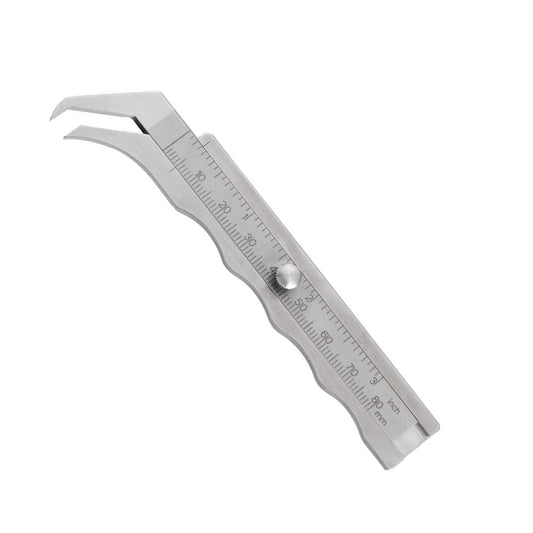
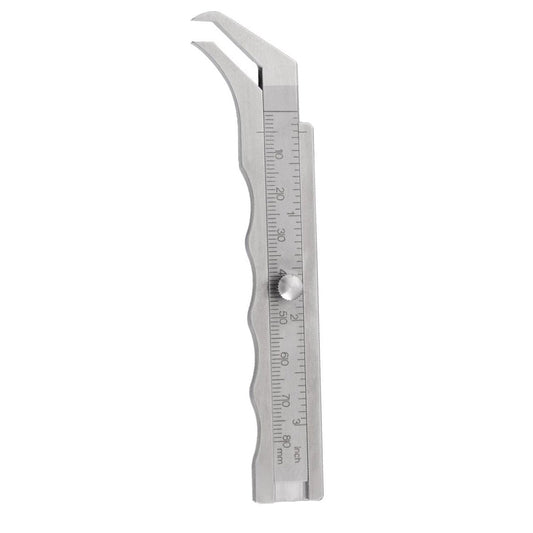
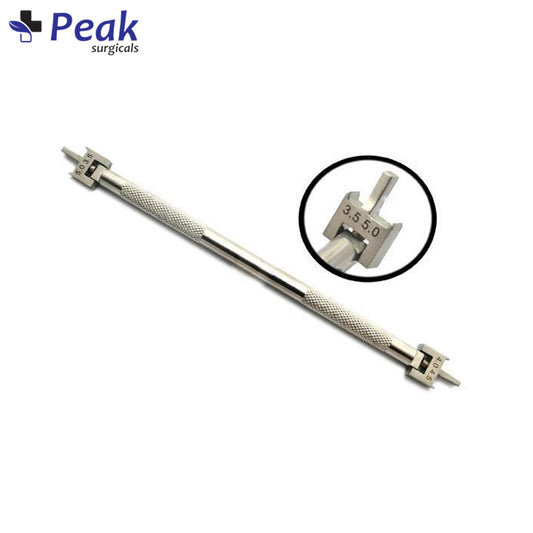
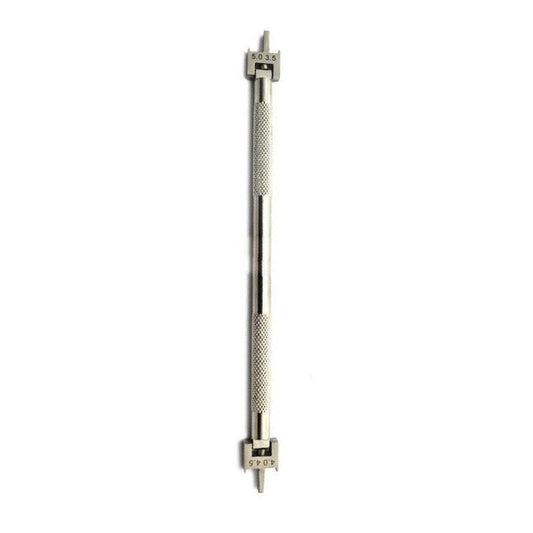
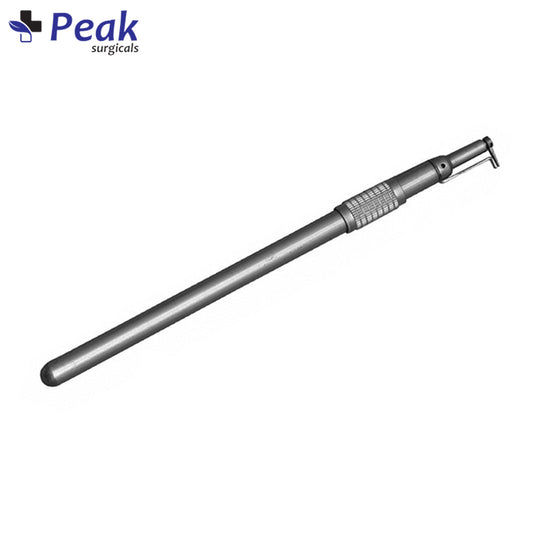
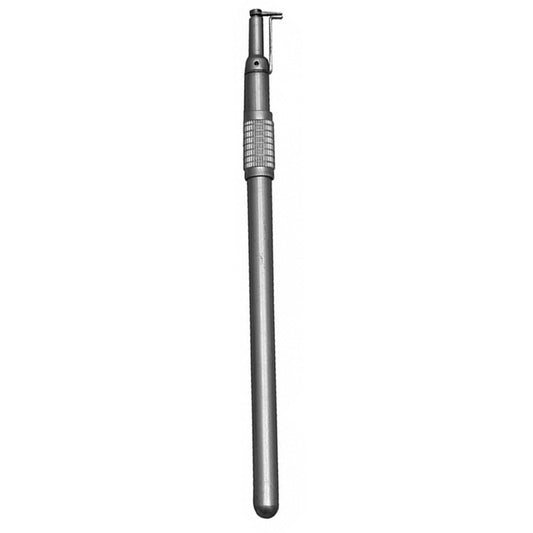
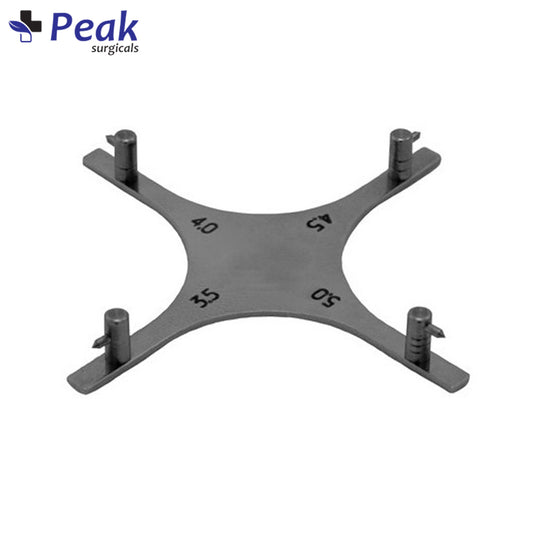
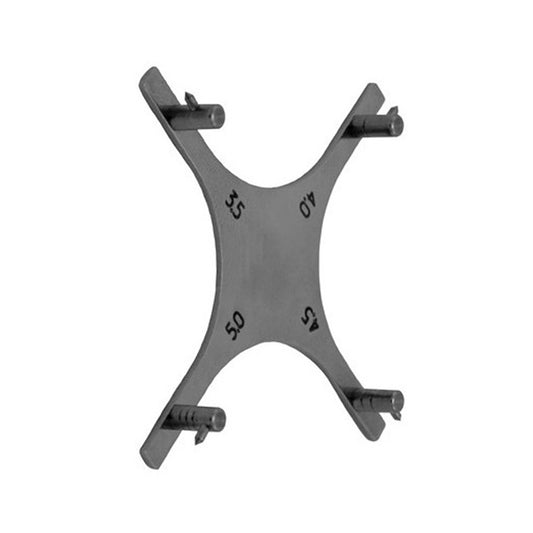
Orthodontic Bracket Height Gauge 4.0-8.0mm (PS-D-154, $17.60), Aluminum Height Gauge (PS-D-152, $16.50) and Height Gauge for Orthodontic Bracket Placement (PS-D-151, $16.50) measure that reference distance directly against the tooth. Bracket Positioning Gauge (PS-D-150, $16.50) confirms the bracket sits at the measured height before bonding cures it in place. Clinical accuracy work shows a 0.3mm threshold separates acceptable from unacceptable placement deviation — the margin these gauges exist to protect. We supply every pattern at MOQ 1.
Why the Gauge Has to Reach Around the Cheek
A rigid, straight height gauge runs into the same problem on every posterior tooth: the cheek blocks it from sitting perpendicular to the tooth surface, which is the only position that gives an accurate reading. That's the engineering problem behind gauges built with rotating heads — set at 0° for anterior teeth approached from the front, 45° along the side, and 90° for molars in back, each rotation keeping the gauge perpendicular to the tooth axis regardless of where in the mouth it's being used.
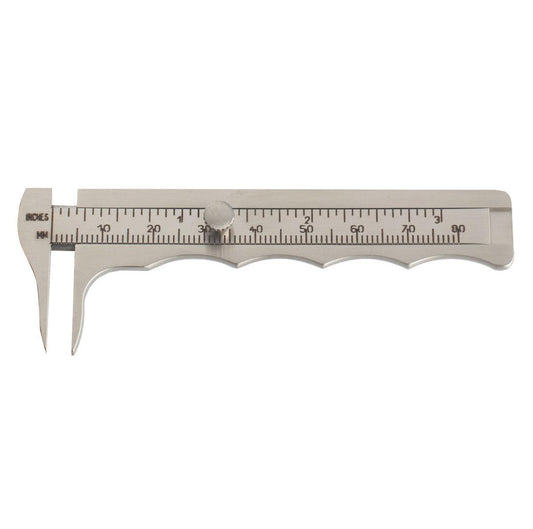
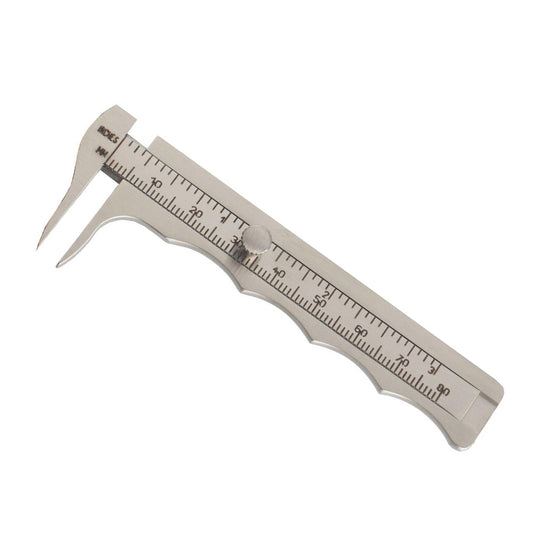
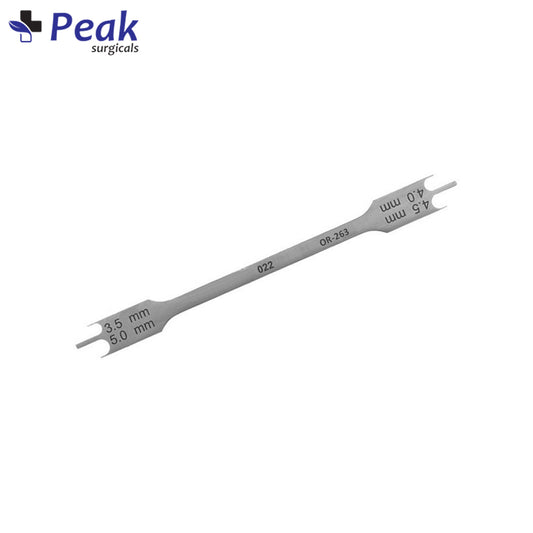
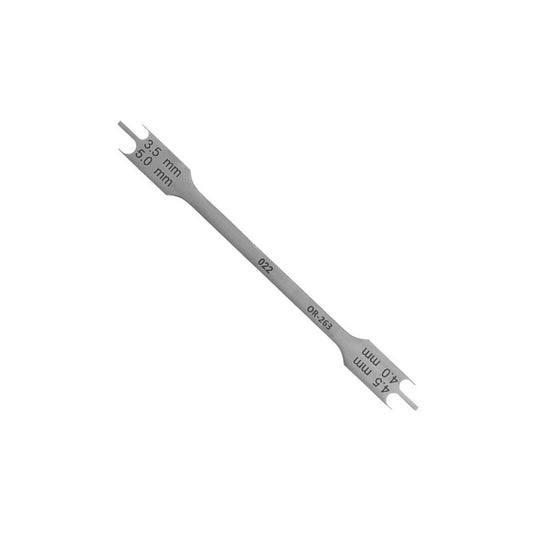
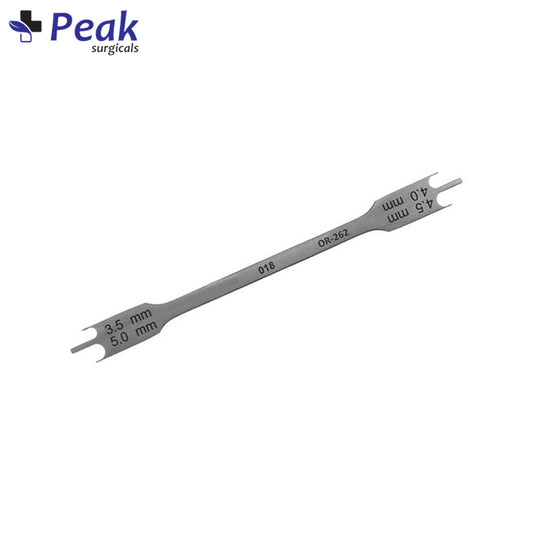
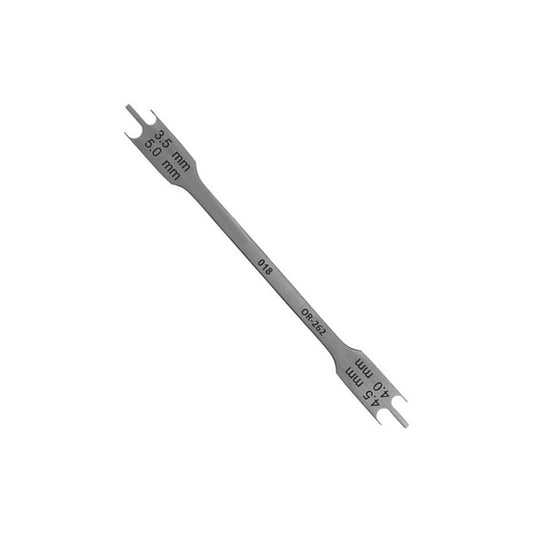
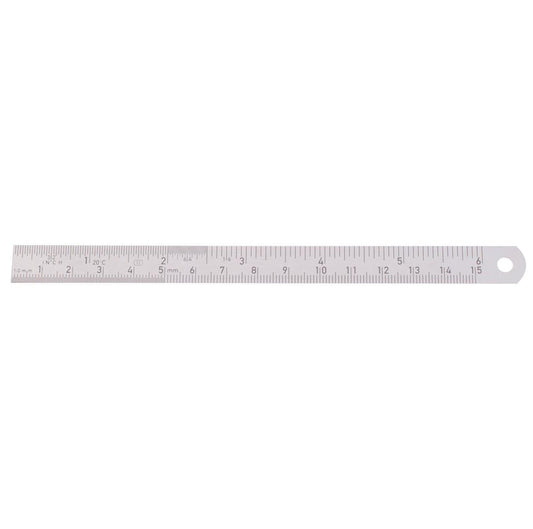
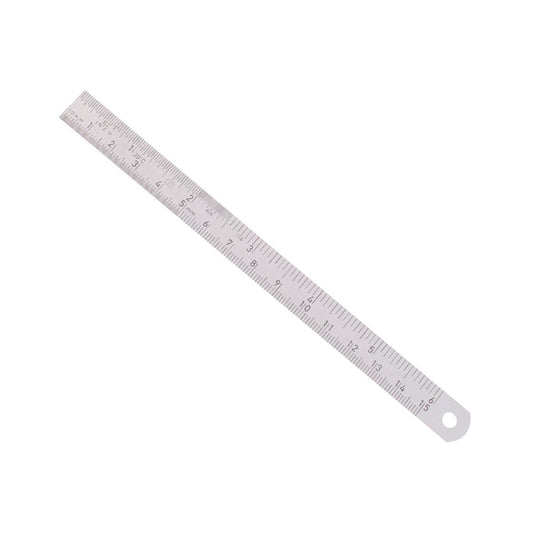
Double-ended construction compounds the value: one instrument carrying all four standard heights (3.5/4.0/4.5/5.0mm) at rotatable ends means a full arch is measured without swapping gauges between anterior and posterior placement. For general calipers beyond orthodontic-specific gauges, Jameson Caliper (PS-100001, $18.70), Thorpe Caliper (PS-10002, 11cm handle, 80mm gauge scale, $20.35) and Metric Ruler (PS-100005, 150mm/300mm/600mm, $7.70) cover broader dental and surgical measurement.
Reprocessing, Scale Legibility and Certification
The measuring scale is the feature these instruments exist for, and it's also the first thing degraded by rough handling — a worn or corroded scale gives a reading the practitioner can no longer trust, which defeats the purpose of measuring at all. Inspect graduations for legibility each cycle, and on rotating-head patterns, confirm each head still locks cleanly at its intended angle.
Every instrument is Class I, reusable, CE-marked, and built under ISO 13485 the documentation a dental supply team verifies before qualifying a vendor. Warranty is one year with return-and-replacement, MOQ is 1 piece, orders over $99 ship free in carton box packing, and OEM marking is available for distributors. For bracket placement instruments, see orthodontic bracket tweezers; browse all orthodontic instruments. Talk to us about OEM and volume terms.