
Featured Collection
Your cart
Featured Collection

PEAK SURGICAL
SKU:
Couldn't load pickup availability
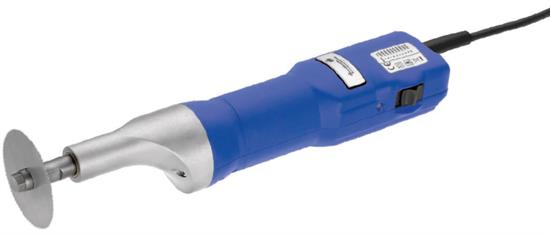
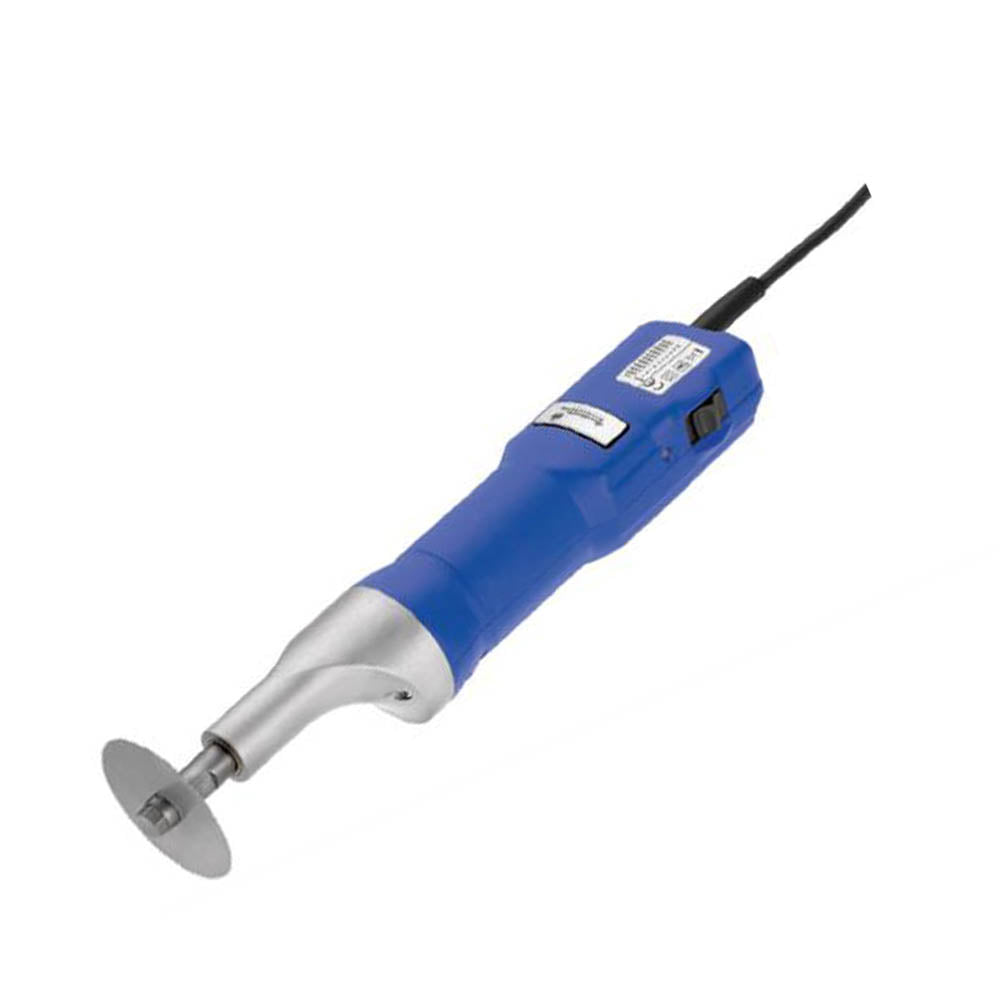
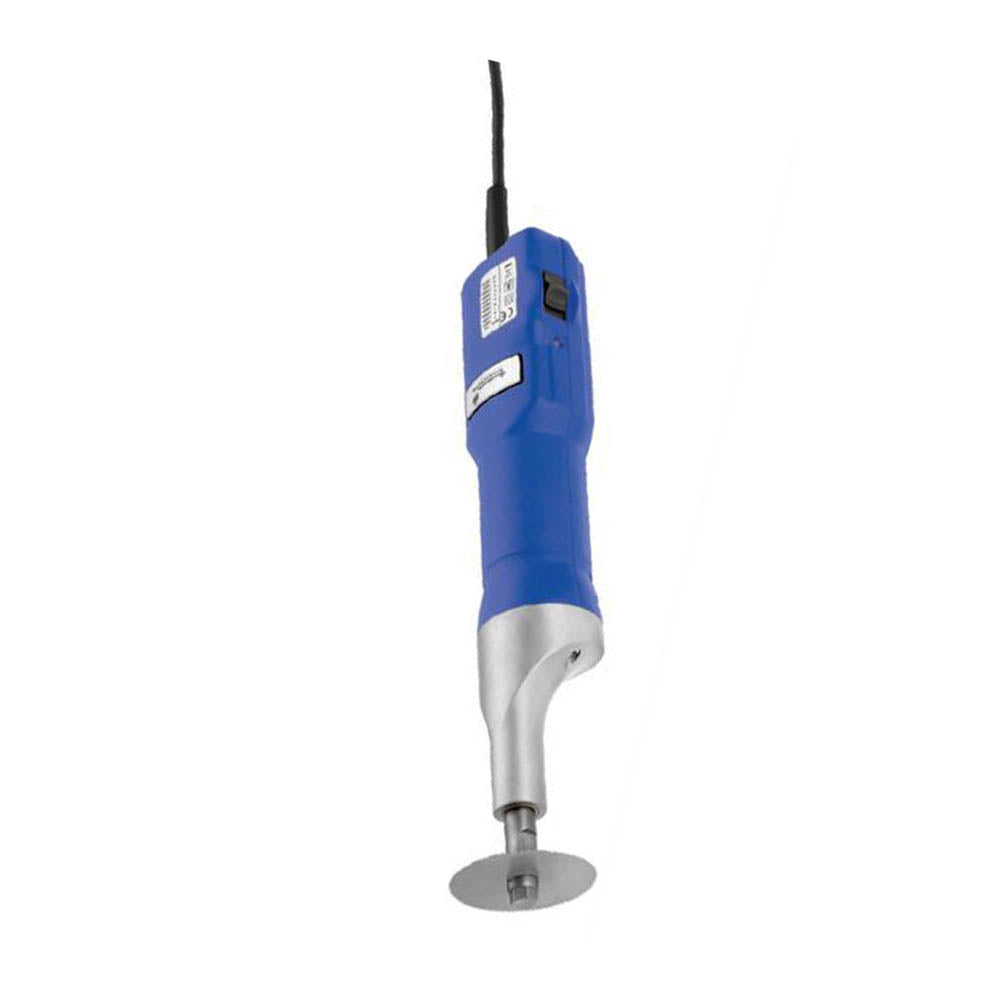
The definitive clinical powerhouse for the rapid, safe, and exact removal of both plaster-of-Paris and modern synthetic casting materials. The Tiger Electric Plaster Saw (120V) is an advanced orthopedic resection system engineered to solve the requirement for high-torque, vibration-controlled cutting in high-volume fracture clinics. Integrating a high-efficiency oscillation motor with a balanced, weight-optimized handpiece, this saw acts as a mechanical necessity for clinicians and orthopedic technologists who demand professional-grade reliability and absolute precision when removing immobilization devices from patients.
The Tiger Electric Plaster Saw is the core diagnostic and therapeutic tool for any modern orthopedic fracture clinic. In high-volume settings, the efficiency of cast removal is a mechanical necessity for maintaining patient throughput and clinical turnover; however, this efficiency must never compromise patient safety. The Tiger saw acts as a mechanical necessity, providing the cutting speed needed to remove complex, multilayer synthetic casts while delivering the tactile feedback required to avoid skin lacerations.
At its core, the device is designed for reliability. In the trauma and emergency space, medical hardware failure is not an option; the Tiger 120V drive system is a mechanical necessity, providing the endurance and consistency required for round-the-clock clinical utility. The handpiece is engineered specifically to “float” in the hand, reducing the strain on the clinician’s wrist and allowing for the fluid, curved motions required to navigate around protruding joints and bony prominences.
Built to exceed international benchmarks for orthopedic surgical hardware, the Tiger Electric Plaster Saw is an indispensable asset for ensuring that every cast removal is a seamless, safe, and professional experience. Its combination of robust power and ergonomic sensitivity makes it the trusted choice for hospitals and rehabilitation centers globally.
Feature Details
System Type Electric Orthopedic Oscillating Resection System
Power Input 120V AC Standard Clinical Supply
Action Mechanism High-Frequency Controlled Oscillation
Ergonomics Lightweight, Weight-Balanced One-Handed Grip
Durability Grade Professional Clinical / Hospital Grade
Blade Compatibility Universal Standard Orthopedic Hub Architecture
System Weight Optimized for Low-Fatigue Clinical Maneuverability
Certifications CE, ISO, Medical Device Compliance
Primary Clinical Applications:
Q: Does the vibration of this saw irritate the patient?
A: Because of the precision-tuned oscillation frequency, the Tiger saw is a mechanical necessity for minimizing patient discomfort; the vibrations are directed into the material rather than the limb, keeping the removal experience calm and controlled.
Q: How do I choose the right blade for this saw?
A: Material selection is a mechanical necessity. For fiberglass/synthetic casts, a PTFE-coated blade is a mechanical necessity to prevent resin clogging and heat buildup; for traditional plaster, standard hardened steel blades are the mechanical necessity.
Q: Is the 120V power supply appropriate for standard clinic outlets?
A: Yes. The 120V specification is a mechanical necessity for immediate integration into standard North American hospital and clinical electrical infrastructures.
Q: How do I clean the handpiece after a procedure?
A: Regular maintenance is a mechanical necessity. After removing the blade, the handpiece should be wiped down with a high-level hospital-grade disinfectant to remove plaster dust and biological particulate.
Q: Is the Tiger Saw suitable for pediatric patients?
A: Yes, the high-precision trigger control is a mechanical necessity for pediatric care, where the clinician must stop the saw instantly to avoid skin contact in small or sensitive anatomical areas.
