Skip to product information
1 of 3

PEAK SURGICAL

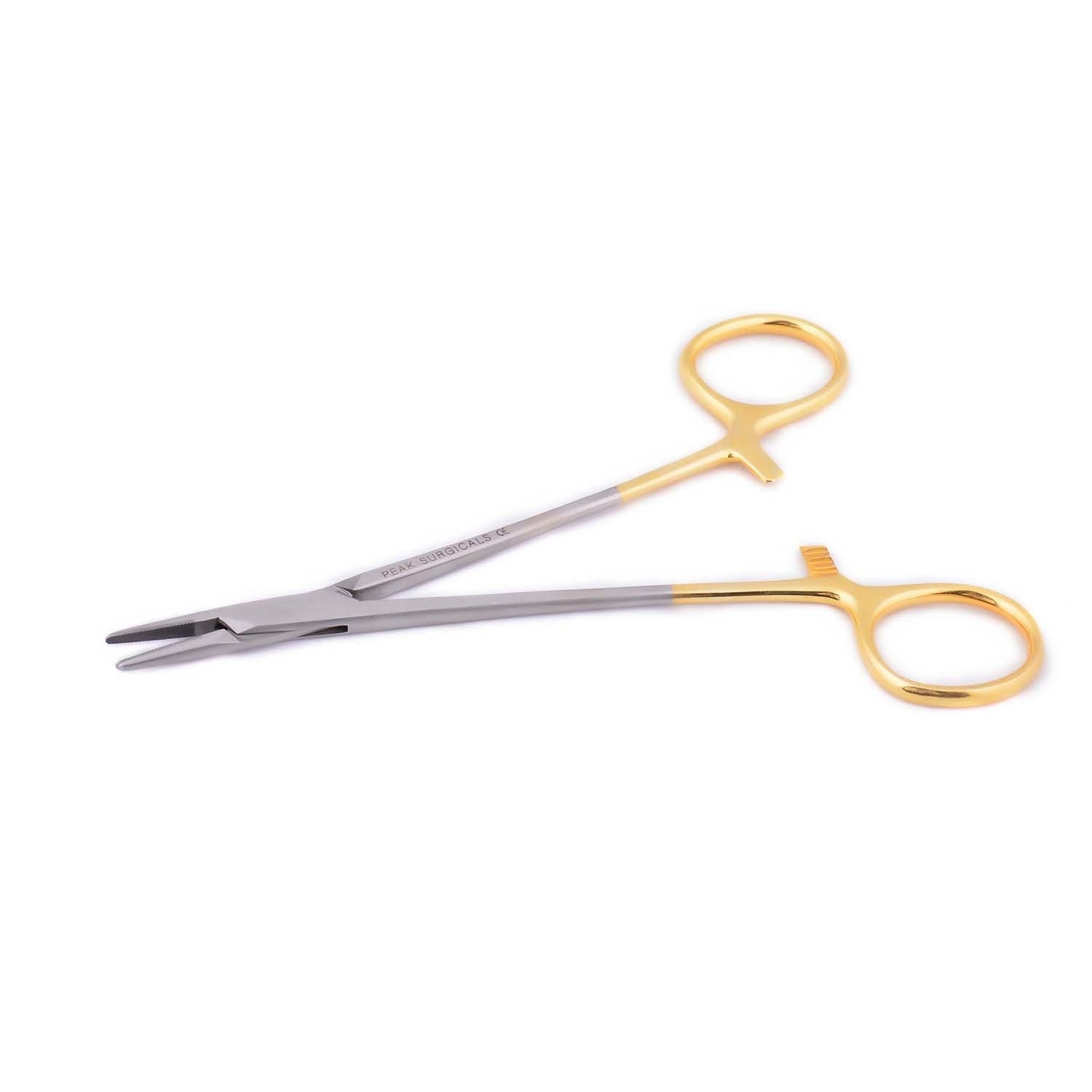
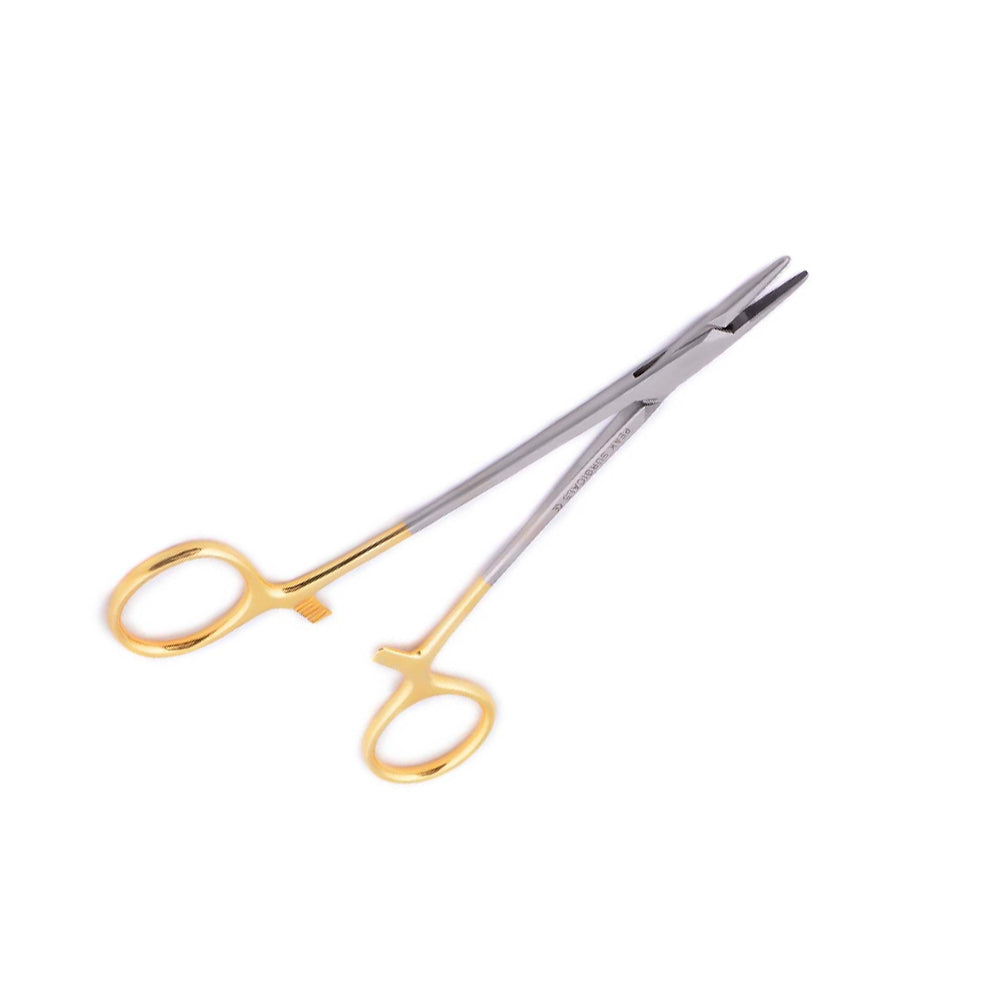
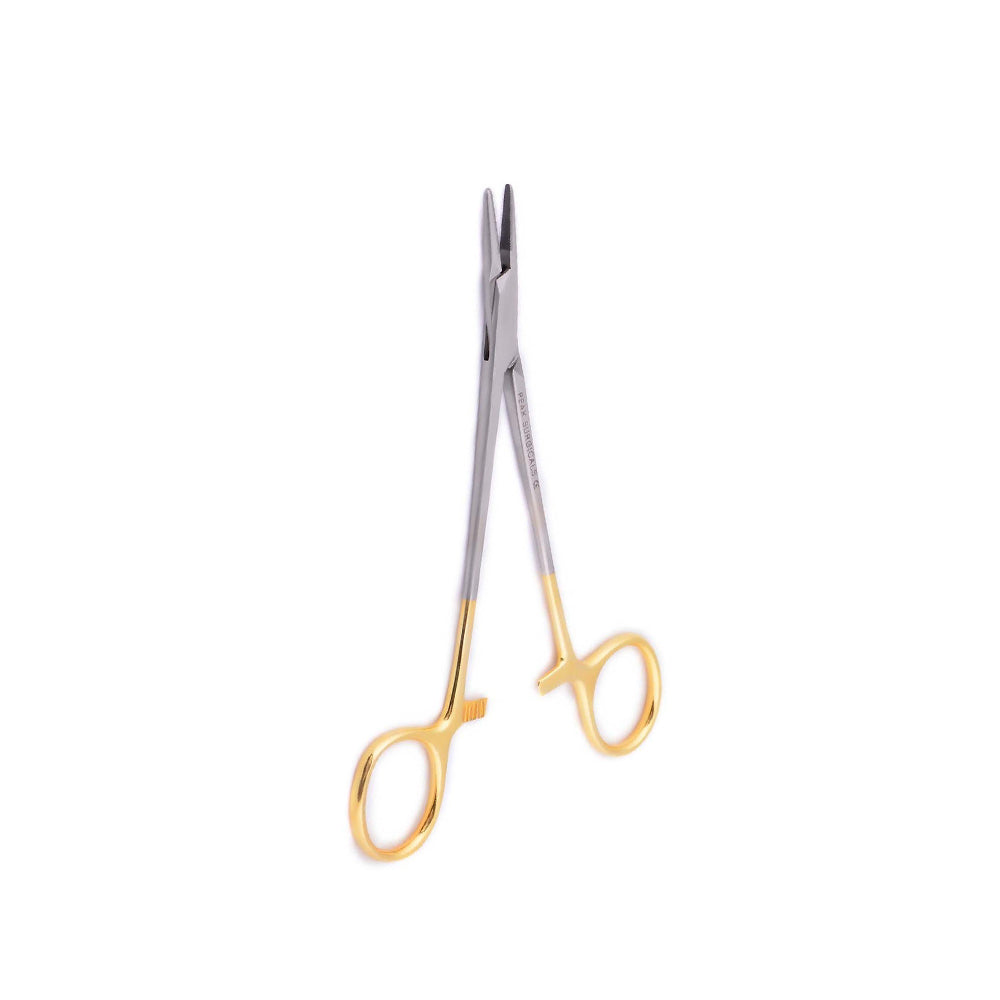
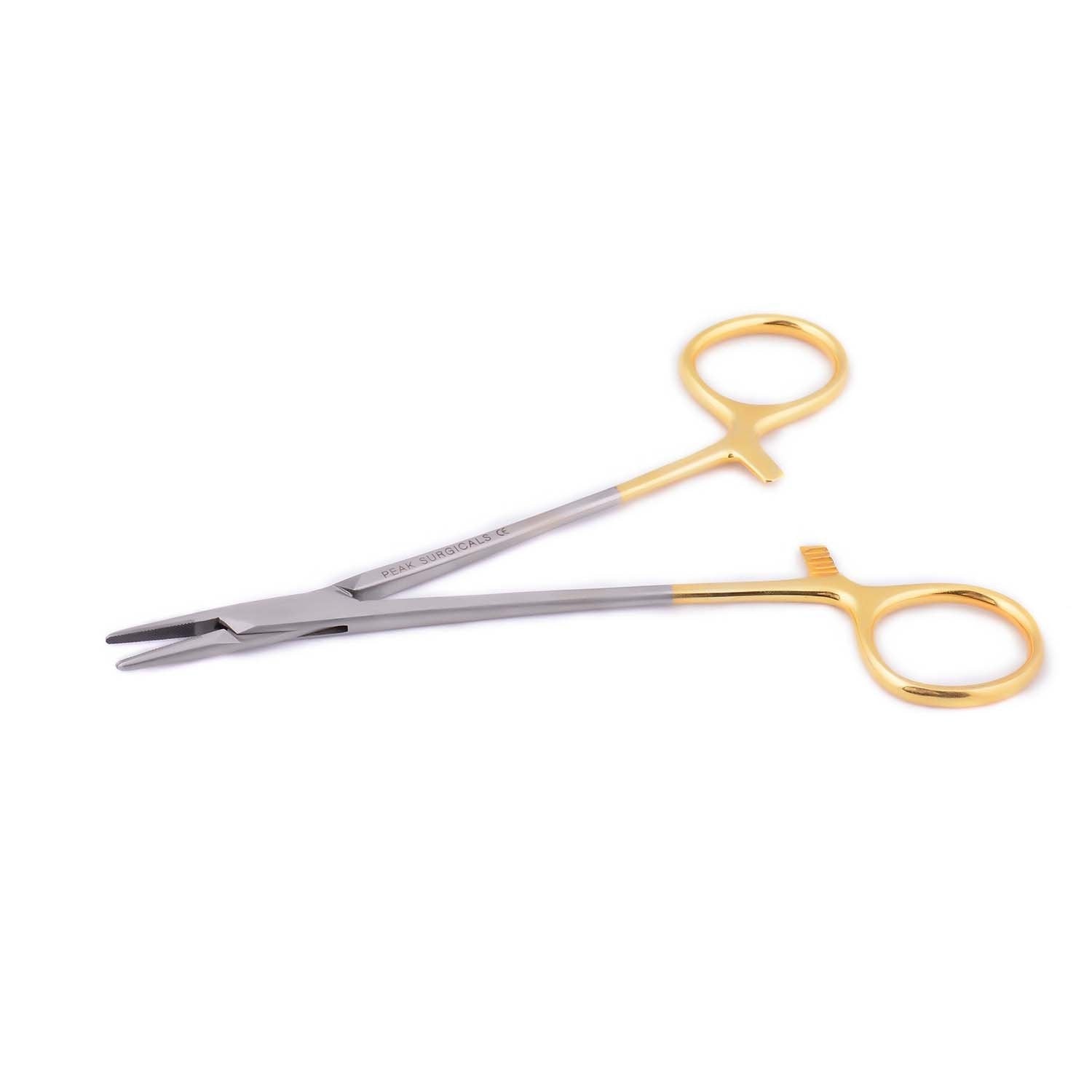
TC Ryder Needle Holders

TC Ryder Needle Holders

SKU:PS-O T-01313

Regular price $8.80 USD
Regular price Sale price $8.80 USD
Sale Sold out
Tax included. Shipping calculated at checkout.
  • 30 Days Money Back Guarantee.
  • 100% Quality Satisfaction.
  • Medical Grade Steel Reusable.
View full details

What is a TC Ryder Needle Holder?

It is the TC Ryder Needle Holder (also called the Ryder-French as well as the French Pattern). It is an instrument that is specifically that is designed to hold and drive small - to medium-sized surgical needles. It is distinguished by its slim jaws, which allow for greater visibility and accessibility in tight surgical locations.

Its " TC" designation signifies that Tungsten Carbide (TC) inserts strengthen the jaws. The inserts are then welded to frames made from stainless steel to create the "non-slip" surface that grips the needle with a firm grip without turning and significantly prolonging the useful life of the device.

Key Features & Design Specifications

It is the Ryder pattern is one of the most popular for microsurgery and cardiosurgery because of its "fine-tip" geometry.

  • Tungsten Carbide (TC) Jaws: It has an ultra-serrated (cross-hatched) surface of TC that offers an extremely diamond-hard grip for needles that prevent them from sliding or bending in deep tissue perforation.
  • Gold-Plated Handles. In accordance with industry norms Gold-colored ring handles enable surgical personnel to recognize the device as a high-end Tungsten carbide version swiftly.
  • Narrow tapered tips Jaws thinner than the standard Mayo-Hegar needle holders, which makes them perfect for utilizing delicate sutures (ranging from 5 to 10-0).
  • Box Lock Construction. It ensures that the shanks stay in alignment even after decades of continuous high-pressure usage, thus keeping them from "jaw play."
  • Ergonomic Ratchet: The multi-step lock mechanism allows different levels of clamping pressure, dependent on the size of the needle.

Technical Specifications

Feature Specification

Material German Stainless Steel with Tungsten Carbide Inserts

Grip Surface Cross-Hatched (Pyramidal) Serrations

Standard Lengths 5" (13 cm), 6" (15 cm), 7" (18 cm), 8" (20 cm), 9" (23 cm)

Handle Color Gold (Indicates TC)

Needle Compatibility 4-0, 5-1, 7-0, 6-0, and 8-0 (varies in fineness of tip)

Sterilization Fully Autoclavable / Reusable

Common Clinical Applications

It is the TC Ryder Needle Holder, vital in surgical specialty areas where space is limited, and precision is a must:

1. Vascular & Cardiothoracic Surgery

This slim-profile design is ideal to anastomose small vessels or applying sutures to the deeper thoracic cavity. Larger needle holders could block the surgeons' view.

2. Plastic & Reconstructive Surgery

For precise skin closures and micro-flap procedures, when little trauma to the tissue and high aesthetic precision are needed.

3. Neurosurgery

The variants with a long reach (8" and 9") are often employed to navigate narrow corridors inside the spinal cavity or cranial region.

4. Periodontal Surgery

Due to its narrow point, it is used by oral surgeons to make sutures that are fine in soft gingiva tissue.

Why Choose TC Over Standard Stainless Steel?

While traditional needle holders made of stainless steel can be used for practical purposes, TC Ryder Needle Holders provide a distinct advantage for professionals:

  • Long-term durability: Inserts made of TC stay sharp and functional for 10 % greater over stainless steel.
  • Needle's safety. Its hardness stops it from "scarring" the jaw surface, providing a smooth and solid grip each time.
  • High Precision This hardness permits finer striations (higher "pitch"), which are essential for the handling of modern high-quality surgical needles.

Maintenance and Longevity

To ensure that the inserts TC don't break or crack:
  1. Use Needle Size Match and Tip. Do not use a huge needle that is heavy in the very fine Ryder tip. This could "spring" the jaws or break the inserts for TC.
  2. Ultrasonic Cleansing: It is essential to remove particles from the micro-serrated surface.
  3. Avoid harmful chemicals: Do not use bleach or other high-acid cleaners because they cause damage to the bonding agent, which keeps the TC inserts in the correct position.
  4. Dry thoroughly: When you have finished autoclaving, make sure that the instrument is dry to keep the plating's gold from tarnishing.