Featured Collection
Your cart
Featured Collection

PEAK SURGICAL
SKU:PS-2221
Couldn't load pickup availability
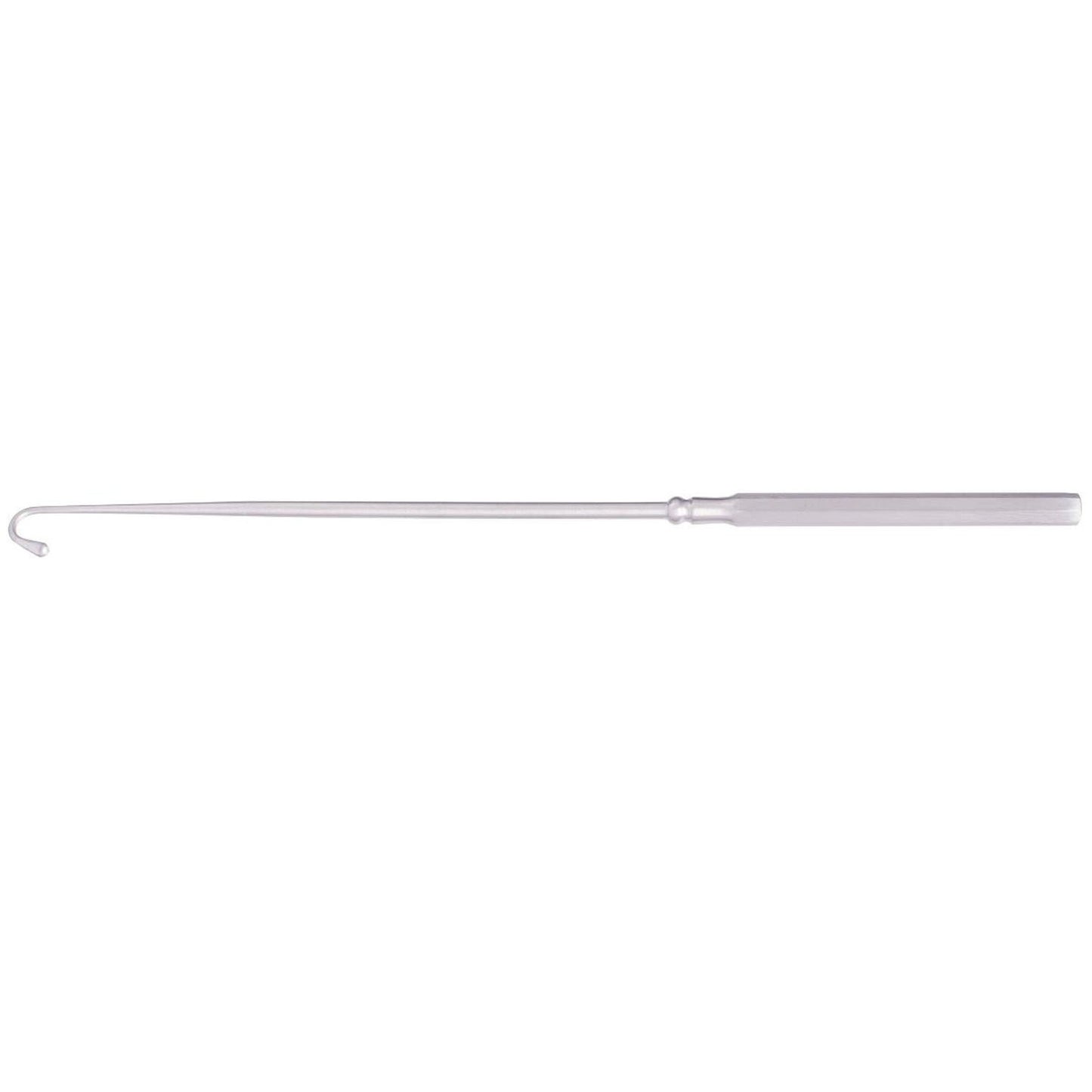
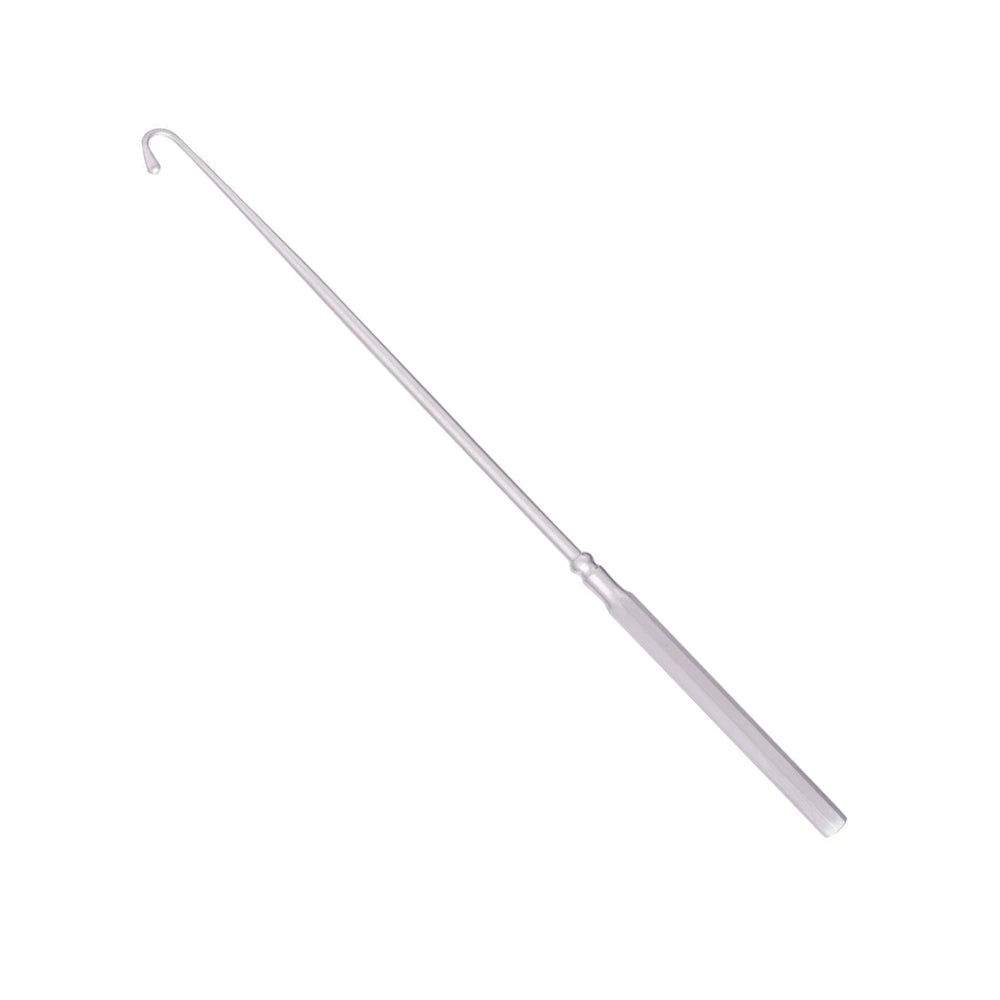
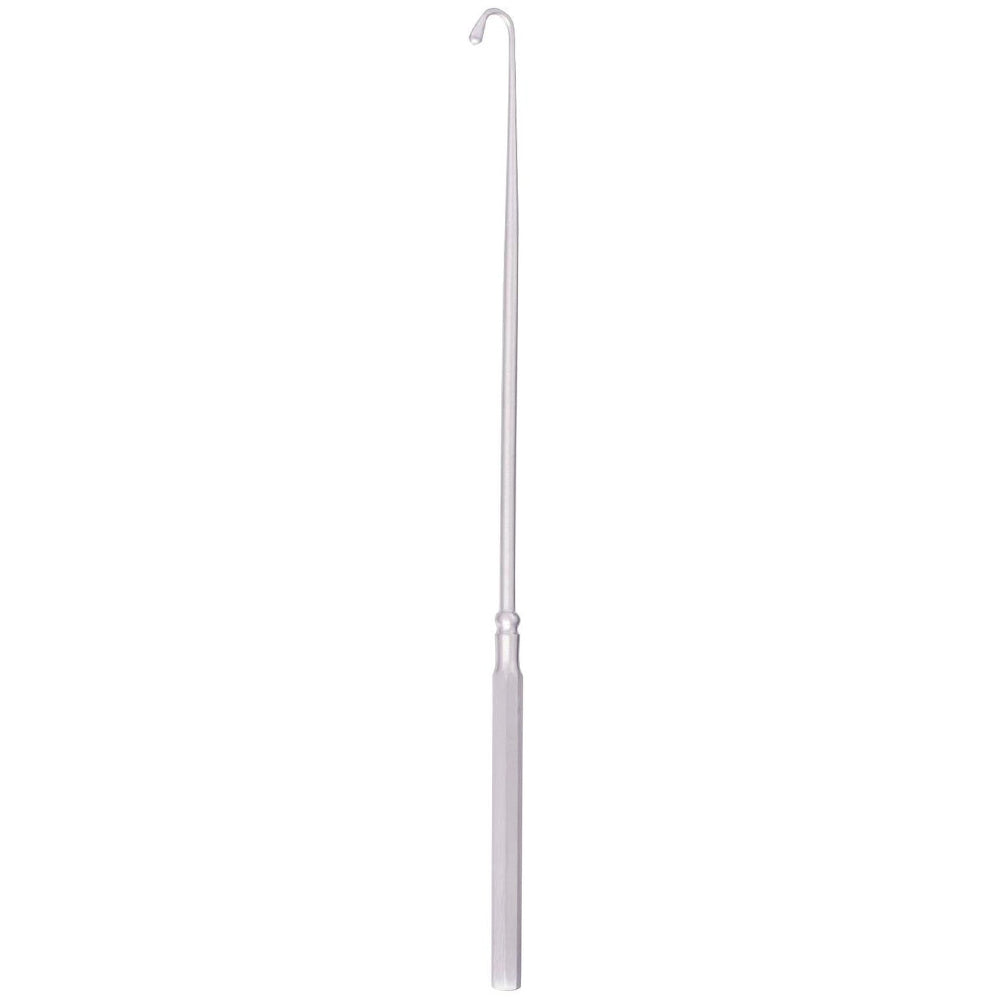
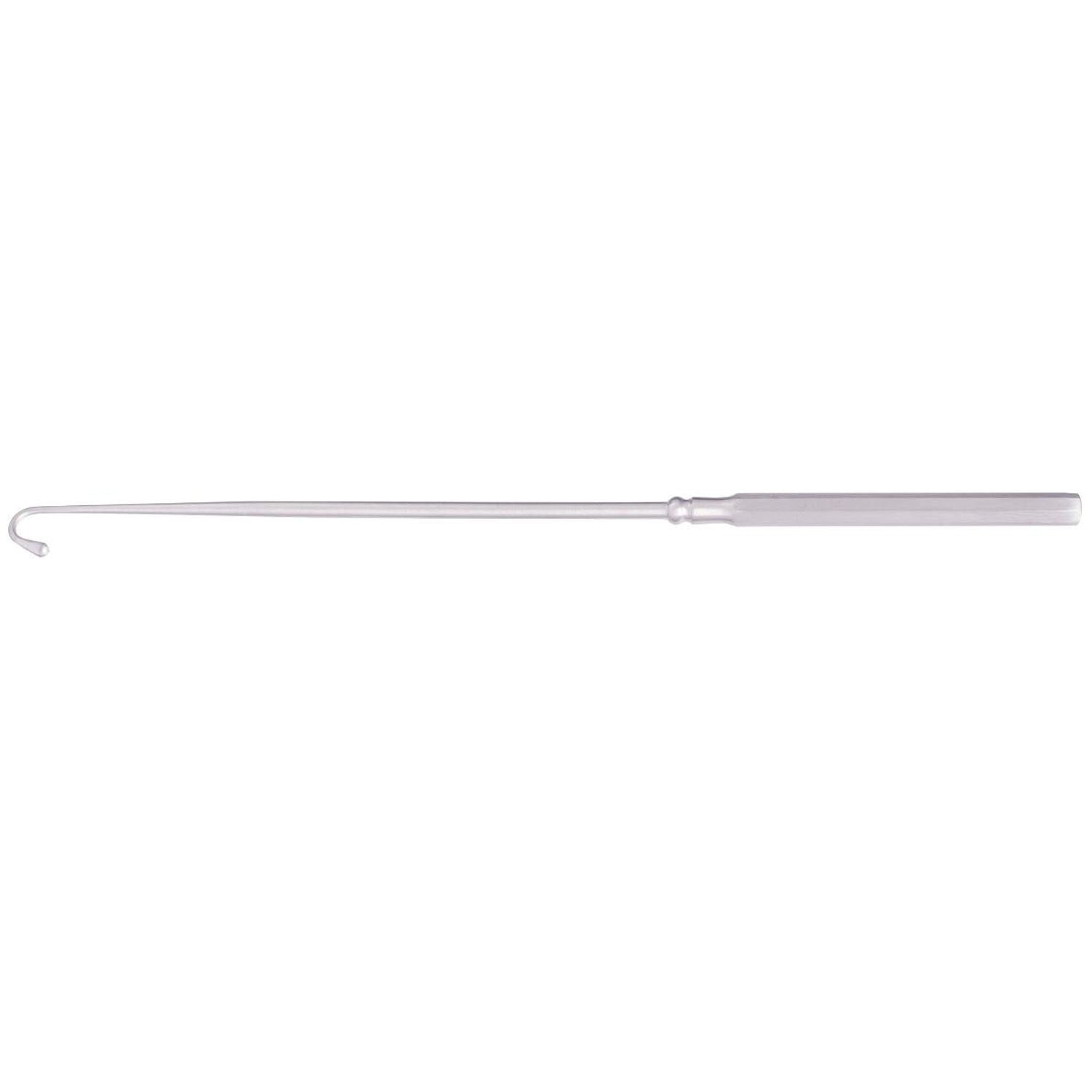
The Rosser Crypt Hook from Peak Surgicals (SKU: PS-2221) is a reusable 6.75 inch German Stainless Steel ENT hook designed for controlled engagement, exposure, and manipulation of tonsillar crypts during oropharyngeal procedures. Each instrument is priced at $7.48 and includes a long slender shaft, straight working profile, grooved cylindrical handle, narrow neck transition, curved distal hook, and blunt rounded terminal tip. ENT surgeons, otolaryngologists, oral surgeons, outpatient procedure teams, hospital operating rooms, and procurement departments use this hook during tonsillectomy, tonsillar crypt exploration, tonsillolith extraction, cryptolysis exposure, tonsillar fossa inspection, and minor oropharyngeal soft tissue work. The curved distal end is shaped to enter or retract crypt openings without the broad tissue contact of a dissector or elevator, while the slim shaft maintains visibility across the palatine tonsil, anterior pillar, posterior pillar, glossotonsillar sulcus, and superior pole region. The handle gives stable fingertip control for precise traction, probing, and tissue presentation during ENT workflow.
The functional geometry of the Rosser Crypt Hook centers on its small curved distal hook. The terminal curve allows the surgeon to catch the edge of a tonsillar crypt, expose retained debris, elevate a crypt opening, or present a narrow tissue fold without using broad compressive force. The blunt tip reduces focal trauma when the instrument is introduced along the tonsillar surface, anterior pillar margin, or crypt mouth. Its slender shaft keeps the working line narrow, preserving visibility when the surgeon works through the oral aperture under headlight, microscope, or endoscopic illumination. The shaft length places the hand outside the immediate oropharyngeal field, leaving space for suction, mouth gag blades, forceps, cautery, and dissecting instruments. The grooved cylindrical handle improves rotational control because the surgeon can roll the hook between the fingers to change the direction of traction. The neck transition between handle and shaft provides a stable junction, maintaining alignment as the hook is used for delicate crypt manipulation and tonsillar fossa inspection.
During tonsillar crypt exploration, the hook is used to open or retract a crypt mouth so retained keratin, caseous debris, or tonsillolith material can be exposed and removed with suction or forceps. In tonsillolith extraction, the curved tip engages the margin of the crypt and helps deliver the calculus without crushing adjacent mucosa. During cryptolysis exposure, the hook presents the crypt opening so the treated channel remains visible and accessible. In tonsillectomy, the instrument supports inspection of the palatine tonsil surface, superior pole, anterior pillar, posterior pillar, and tonsillar fossa after dissection. It can assist in presenting small mucosal folds while the surgeon evaluates residual tissue, bleeding points, or retained crypt contents. In minor oropharyngeal soft tissue procedures, the narrow profile allows controlled retraction in areas where larger tonsil instruments obscure the operative field. This makes the instrument useful in adult, adolescent, and selected pediatric ENT cases where precise tissue presentation is required around a confined tonsillar corridor.
The 6.75 inch length gives the Rosser Crypt Hook enough reach for the palatine tonsil and oropharyngeal working field while preserving fine hand control at the handle. A shorter hook can bring the surgeon’s fingers too close to the mouth gag, tongue depressor, suction tube, or cautery instrument, reducing visibility and crowding the working space. An excessively long handle decreases tactile feedback and makes small rotational movements less precise. This 6.75 inch size balances access and control for crypt manipulation, tonsillar surface inspection, and fossa evaluation. The curved distal tip differs from a probe because it can both enter a crypt opening and apply gentle traction to its edge. It also differs from a broad dissector because it focuses force at a small contact point rather than sweeping tissue in a wide plane. This hook-based presentation is valuable when the surgeon needs to expose a single crypt, remove a tonsillolith, or inspect a narrow tonsillar recess without unnecessary pressure on surrounding mucosa.
German Stainless Steel gives the Rosser Crypt Hook the rigidity, corrosion resistance, and surface durability required for repeated ENT instrument use. The curved terminal hook must retain its shape because a deformed tip changes how it engages tonsillar crypt edges and narrow mucosal folds. The listed satin, dull, and mirror finish options support different operating room and procedure-room preferences. Satin and dull finishes reduce glare under headlight or microscope illumination, while mirror finish provides a smooth surface for inspection after cleaning. After use, the instrument is decontaminated, brushed at the handle grooves, cleaned around the distal hook, dried, inspected for tip alignment, and steam sterilized in an autoclave cycle suitable for reusable stainless steel surgical instruments. The Class I classification, CE marking, ISO-13485 certification, and FDA compliance support hospital procurement files, distributor tenders, and international purchasing documentation. The listed 1-year warranty, MOQ of 1 piece, OEM availability, and return and replacement service make the instrument practical for ENT tray replacement and routine clinical sourcing.
| SKU | PS-2221 |
|---|---|
| Product Name | Rosser Crypt Hook |
| Price | $7.48 per piece |
| Size/Gauge Variants | 6.75 Inch |
| Instrument Category | ENT Instruments / Tonsillar Crypt Hook |
| Procedure | Tonsillectomy, Tonsillar Crypt Exploration, Tonsillolith Extraction, Cryptolysis Exposure, Tonsillar Fossa Inspection |
| Material | German Stainless Steel |
| Finish | Satin, Dull, Mirror |
| Sterilization | Steam sterilizable / Autoclave compatible |
| Instrument Classification | Class I |
| Reusable | Yes |
| Certifications | CE, ISO-13485, FDA |
| Warranty | 1 Year |
| MOQ | 1 Piece |
| OEM / Custom Orders | Available |
| After-Sale Service | Return and Replacement |
How does the Rosser Crypt Hook compare with a Hurd Tonsil Dissector?
The Rosser Crypt Hook is a focused tonsillar crypt instrument, while a Hurd Tonsil Dissector is a broader dissecting and elevating instrument used during tonsillectomy. The Hurd pattern works along tissue planes and supports blunt dissection around the tonsillar capsule. The Rosser design uses a smaller curved hook to engage a crypt opening, lift a mucosal edge, or expose retained tonsillar debris. This makes the hook more precise for tonsillolith extraction, crypt inspection, and small-point traction. A dissector covers more surface area and is better for sweeping tissue away from the capsule. The Rosser Crypt Hook gives finer control when the surgeon wants to isolate one crypt, one fold, or one recess without broad pressure on the tonsillar surface.
Why is the 6.75 inch length useful for tonsillar procedures?
The 6.75 inch working length provides reach into the oropharynx while keeping the surgeon’s hand outside the central operating field. During tonsillar crypt exploration, this length allows the curved tip to reach the superior pole, mid-tonsillar crypts, and inferior pole without crowding the mouth opening. During tonsillolith removal, the shaft gives a stable approach while suction and forceps remain available beside the instrument. During tonsillectomy inspection, the same length helps the surgeon present small mucosal folds or crypt remnants in the tonsillar fossa. The handle remains close enough for tactile feedback and controlled rotation. Rosser Crypt Hook length therefore supports access, visibility, and fingertip control during ENT procedures. It is sized for precise oropharyngeal work rather than broad retraction.
What do CE, ISO 13485, and FDA compliance mean for procurement?
CE marking supports conformity documentation for hospitals, clinics, and distributors that require recognized medical device compliance records. ISO 13485 indicates that manufacturing is managed under a medical device quality system with controlled production, inspection, and traceability. FDA compliance supports procurement files for buyers sourcing reusable stainless steel surgical instruments for regulated markets. Rosser Crypt Hook is listed as a Class I reusable instrument, which fits standard purchasing categories for non-powered ENT hooks. These credentials help procurement officers compare the item against tender requirements, internal sourcing policies, and distributor documentation needs. The German Stainless Steel material, 1-year warranty, MOQ of 1 piece, and OEM availability strengthen the product record for repeat ordering. This makes the instrument straightforward to evaluate for ENT procedure trays.
How is the curved hook controlled during intraoperative use?
The surgeon controls the curved hook through fine rotation and fingertip traction at the grooved handle. Rotating the handle changes the orientation of the terminal curve so the tip can enter a crypt mouth, lift an edge, or release tissue without changing hand position. Gentle backward traction presents the crypt opening for suction, forceps, cautery exposure, or direct inspection. The blunt distal end allows controlled contact with the tonsillar surface and pillar margins. The long slender shaft keeps the hook aligned with the working corridor and limits obstruction around mouth gags and suction tubes. Rosser Crypt Hook is therefore used as a precise presenting instrument rather than a broad dissector. This control is especially useful when the surgeon is working around retained crypt debris, tonsilloliths, or narrow mucosal recesses.
How should the Rosser Crypt Hook be cleaned and sterilized after use?
After use, the instrument is decontaminated promptly so blood, saliva, crypt debris, and tissue residue do not dry around the hook tip or handle grooves. The distal curve is cleaned carefully because retained material at the inner bend can affect inspection and reprocessing. The grooved handle is brushed so residue is removed from the grip surface. The shaft and neck transition are inspected for straightness, surface damage, and tip alignment before packaging. The German Stainless Steel construction supports steam sterilization by autoclave after complete cleaning and drying. The Rosser Crypt Hook should return to the ENT tray only after the curved tip is confirmed intact and smooth. Proper reprocessing preserves handling accuracy and keeps the instrument ready for tonsillar crypt and oropharyngeal procedures.