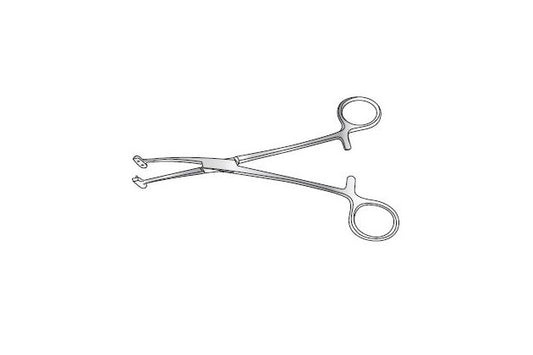
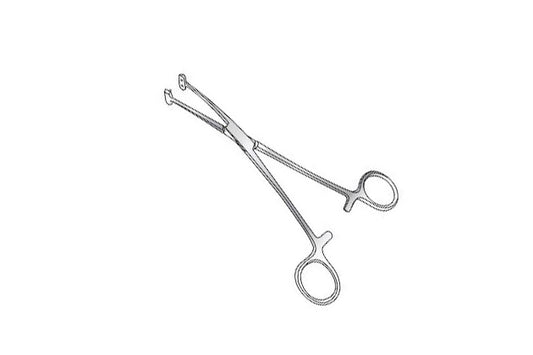
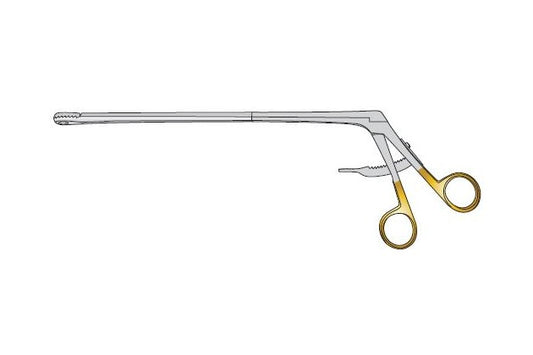
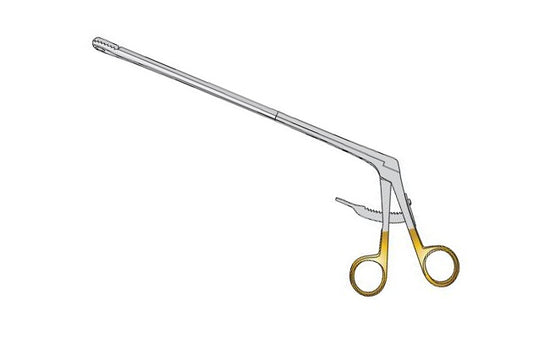
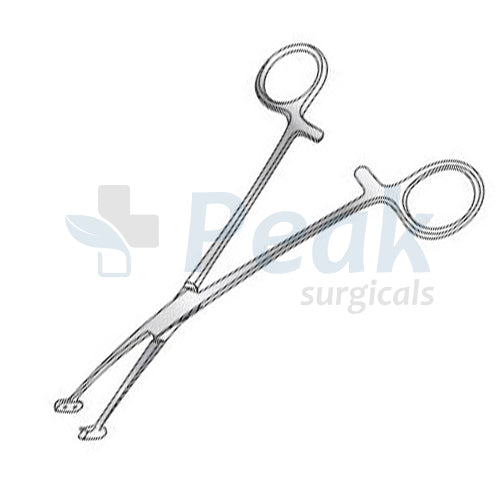
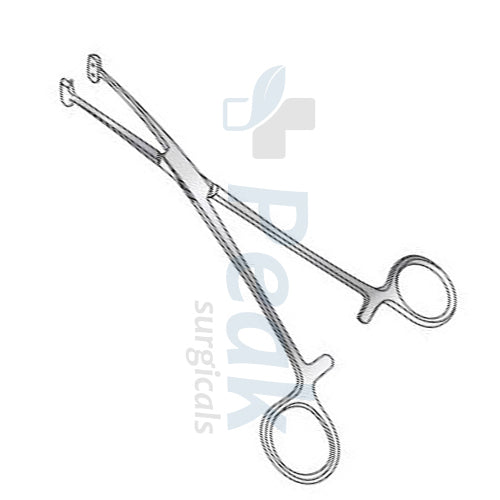
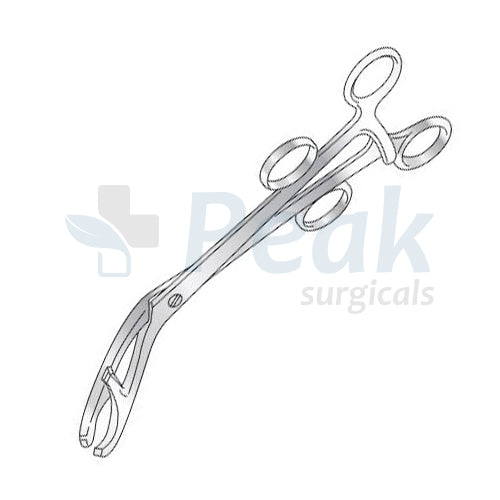
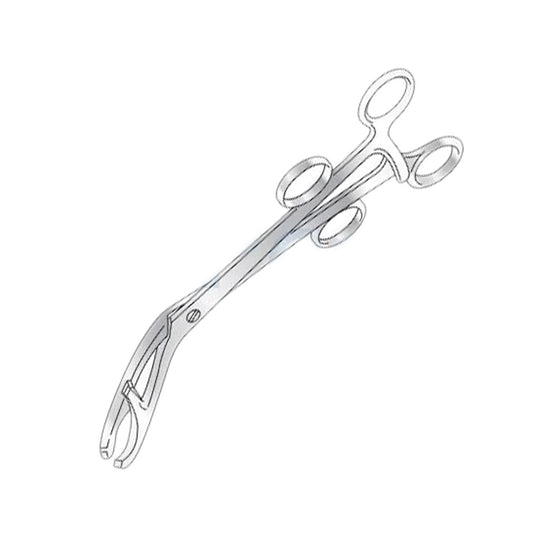
A gynecology clamp is chosen by how deep the pelvis is, not by how much grip it offers. Peak Surgicals stocks three clamp families for hysterectomy, myomectomy and parametrial work, in German stainless steel and CE marked and built under ISO 13485. Compare every pattern in the grid below.
Myomectomy or Parametrium? Vessel or Pedicle
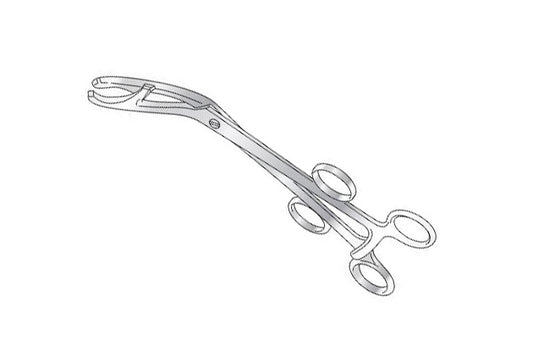
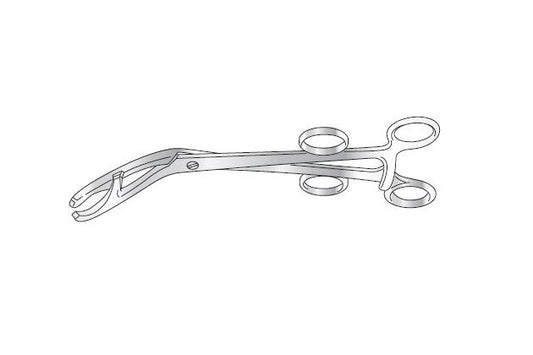
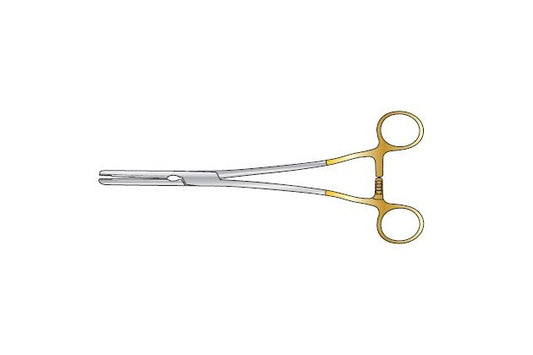
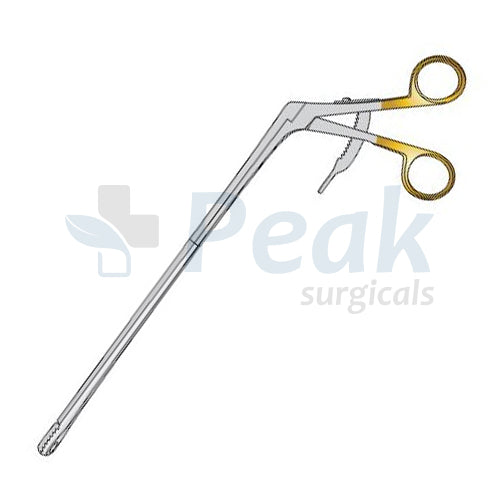
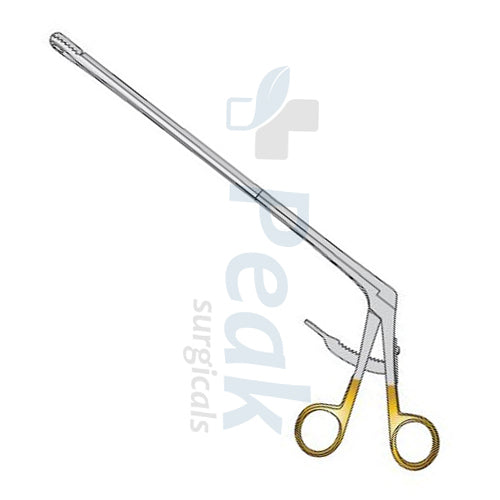
Myomectomy and hysterectomy clamps do different jobs and are not interchangeable. A myomectomy clamp is a vascular instrument: it is applied at the base of the uterus to occlude the uterine vessels temporarily while a fibroid is enucleated, so the field stays clear and the myometrium can be closed under vision. It is not holding the fibroid; it is controlling what supplies it. Bonney Myomectomy Clamp carries that pattern at 267mm with 51mm jaws and a screw joint that holds occlusion without the hand.
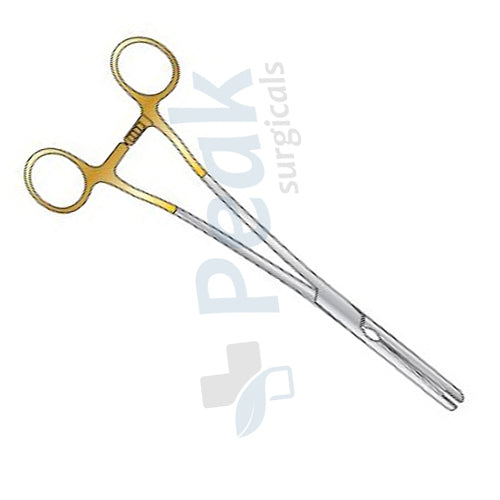
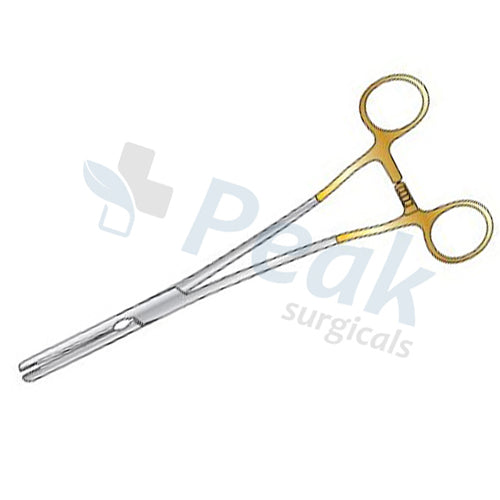
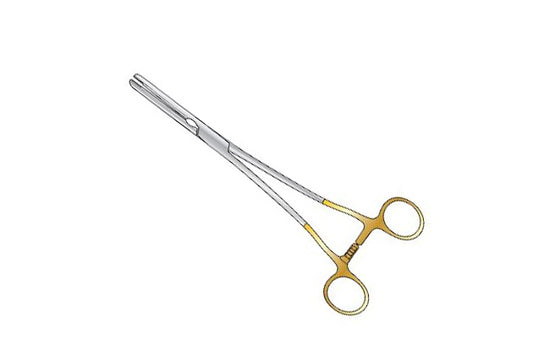
A parametrium clamp works on tissue rather than on a named vessel. The parametrium carries the uterine vasculature within connective tissue at the cervical margin, and the clamp takes the whole pedicle across the width of its jaw before it is divided and ligated. Parametrium Hysterectomy Clamp covers that role across straight, slightly curved and strongly curved jaws. We supply every pattern at MOQ 1.
Length and Curvature Follow Pelvic Depth
Length and curvature are set by the depth at which the pedicle sits, and this range spans an unusually wide span for a single pattern: 203mm to 360mm. A shorter clamp gives direct control where the tissue is accessible, typically higher in an abdominal approach. A longer one reaches the lateral cervical margin in a deep pelvis or a vaginal approach, where a short instrument would need the hand inside the field to seat it.
Curvature follows the same logic in the other axis. A straight jaw closes along the line of the shaft and suits a pedicle presented square to the operator. A slight curve lets the jaw tip drop below the line of the hand; a strong curve carries it further still, around a structure the shaft cannot pass. Spencer Robarts Clamp completes the range at 23cm with a wide jaw opening for bulkier tissue.
Material, Reprocessing and Certification
Every pattern is forged from German stainless steel and passivated for corrosion resistance across repeated cycles. The inspection point on a clamp intended to occlude vessels is the jaw closure and the ratchet, and both should be load-tested: hold the closed jaws to light and confirm they meet along their full length with no daylight, because a clamp that occludes at nine tenths of its jaw is a clamp that bleeds at the tenth. Close each ratchet to the first tooth and try to force the jaws apart, and on screw-joint patterns confirm the joint has no lateral play. Clean immediately with a neutral-pH enzymatic solution, brushing into the joint and along the serrations, then rinse with deionised water and dry fully, following the reprocessing instructions supplied.
These are Class I reusable devices, supplied non-sterile, CE marked and built under ISO 13485, with a one-year warranty. We ship at MOQ 1 with free shipping over $99. See Gynecology Forceps for tenaculum, vulsellum and pedicle forceps patterns, or browse all Gynecology Instruments. Talk to us about OEM terms.