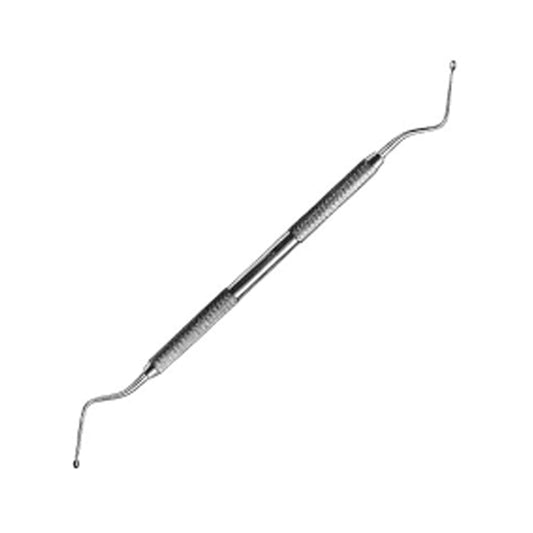
Orthopedic surgical instruments divide by what they do to bone: cut it, hold it, shape it, or hold something else out of the way while the surgeon works on it. Peak Surgicals manufactures 220 patterns across those groups, in German stainless steel and CE marked and built under ISO 13485. Compare the full range in the grid below.
Cutting: Why Bone Is Removed in Bites
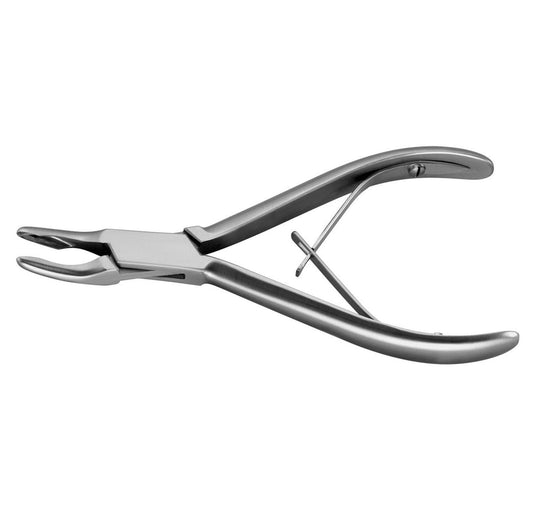
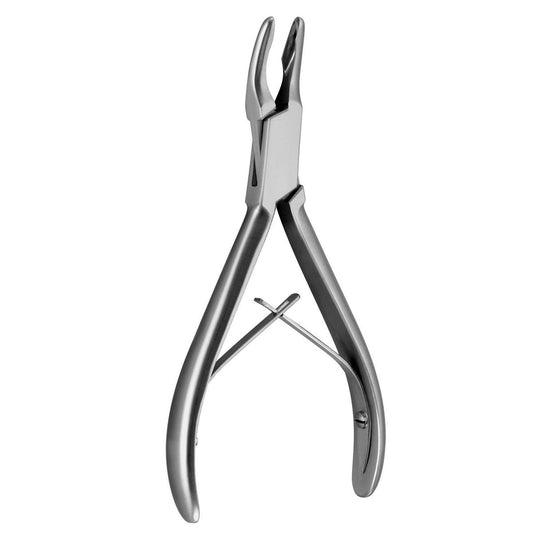
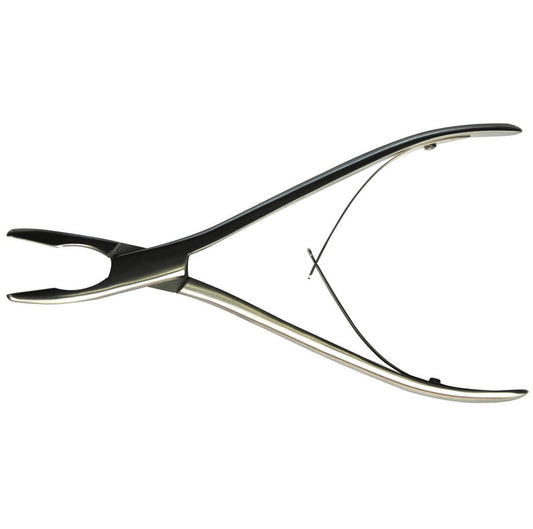
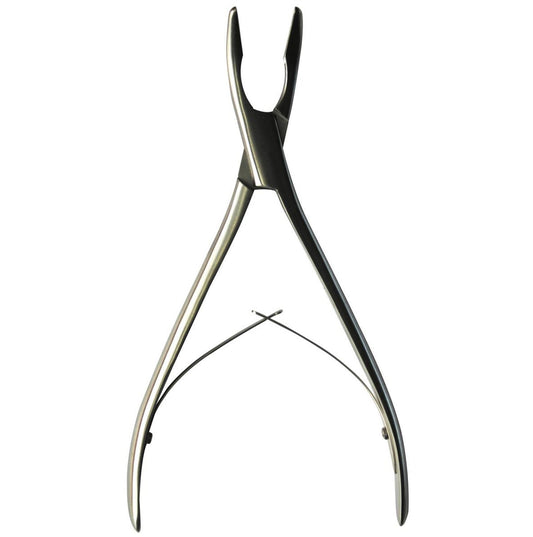
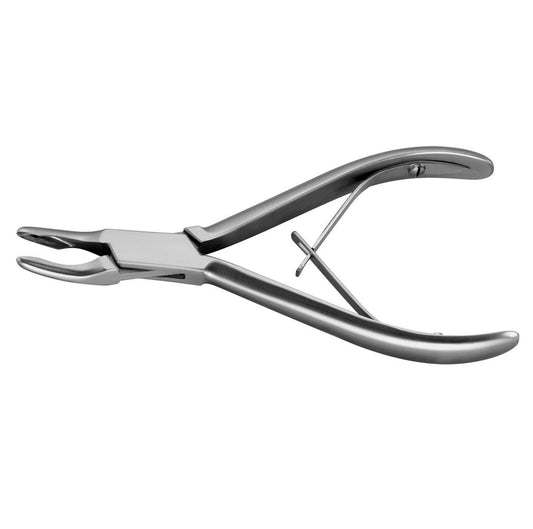
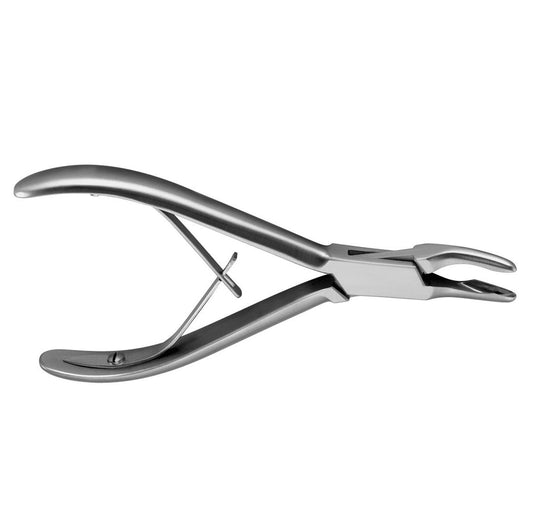
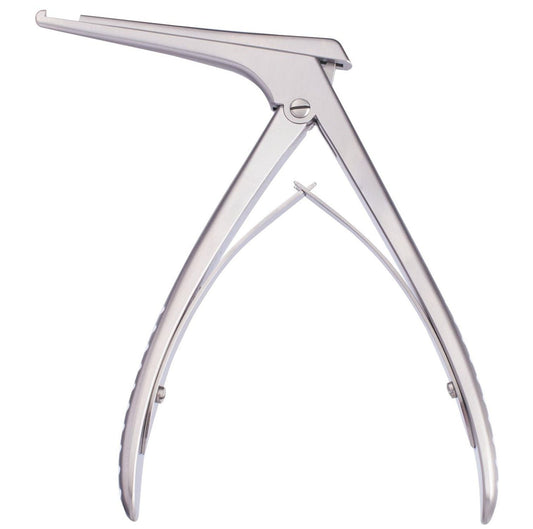
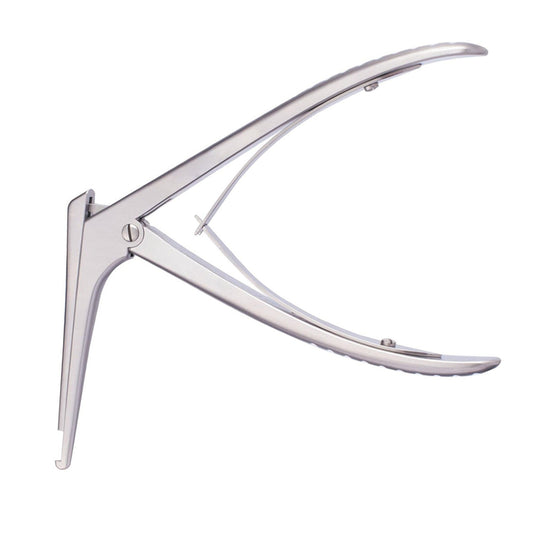
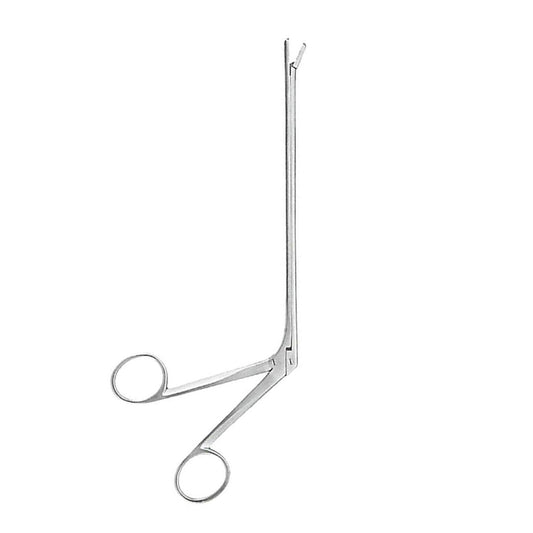
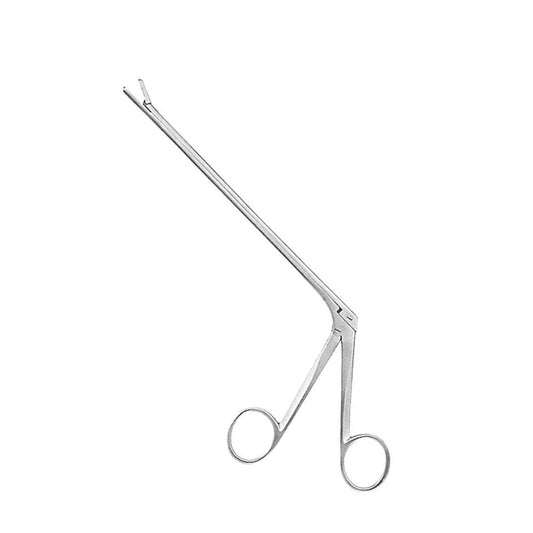
Bone is the only tissue in surgery that has to be removed in controlled pieces rather than cut through in one pass, and that is why the cutting group is the largest here. A rongeur takes bites: cupped jaws close on bone, remove a defined fragment and open again, so the surgeon advances a millimetre at a time and can stop the moment the margin is reached. Double action patterns add a second linkage that multiplies grip strength into cutting force for dense cortex, which is why they dominate spinal and heavy orthopedic work.
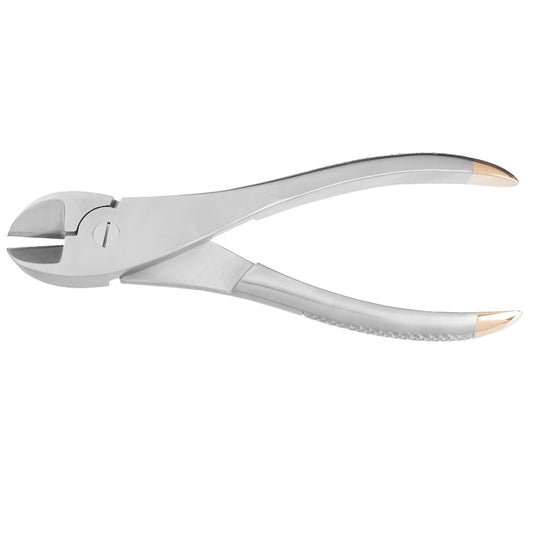
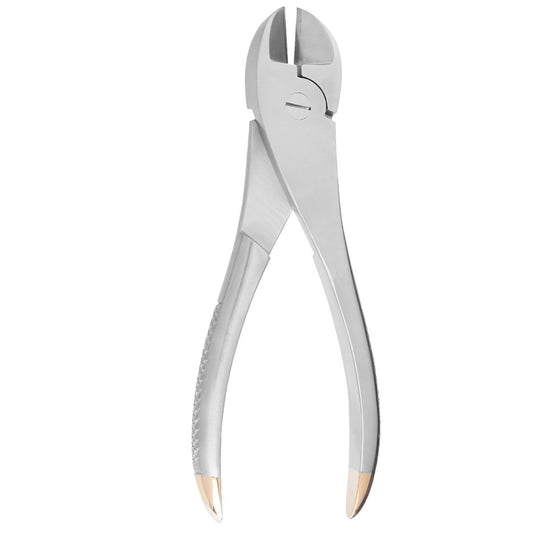
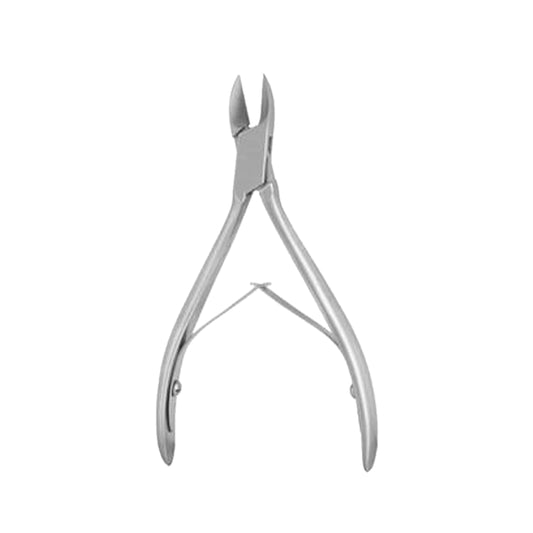
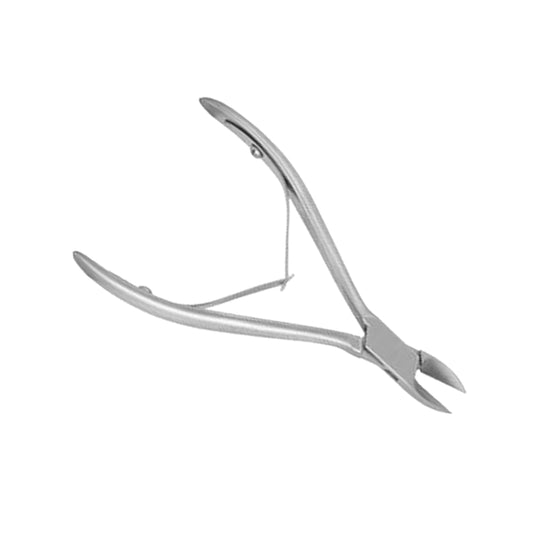
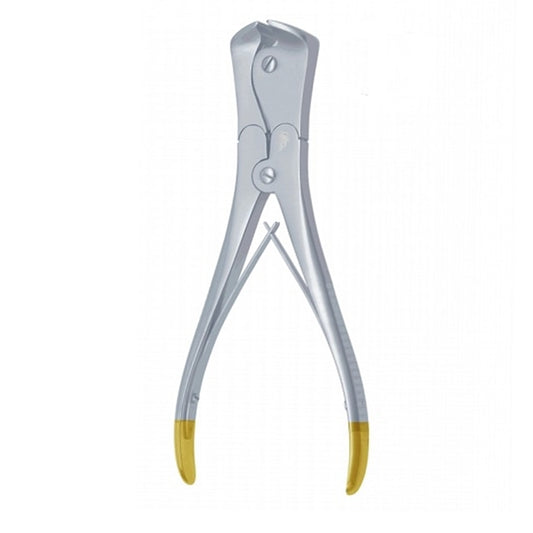
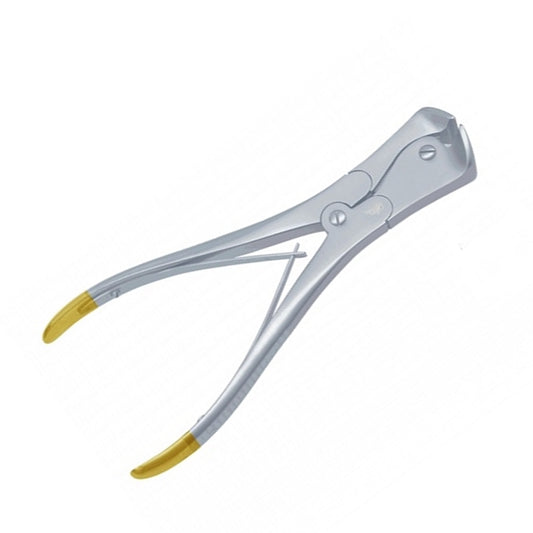
Bone cutting forceps work differently: two edges meet and shear straight through, which suits ribs, small bones and wire but gives none of the control a rongeur does. Osteotomes and chisels remove bone by splitting and planing rather than biting, driven by a mallet, and gouges scoop curved surfaces no straight blade can follow. We supply every pattern at MOQ.
Holding, Retracting and Reaming
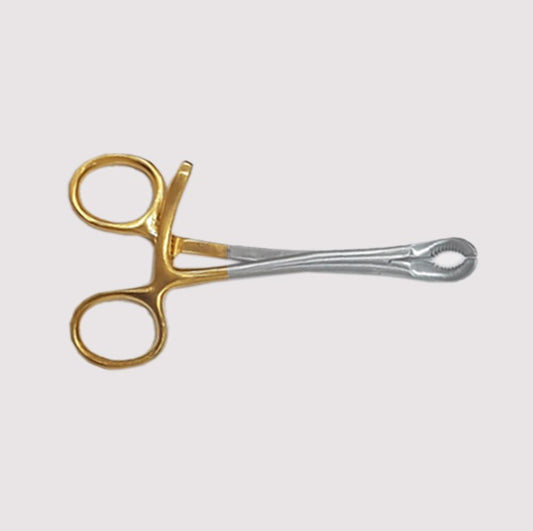
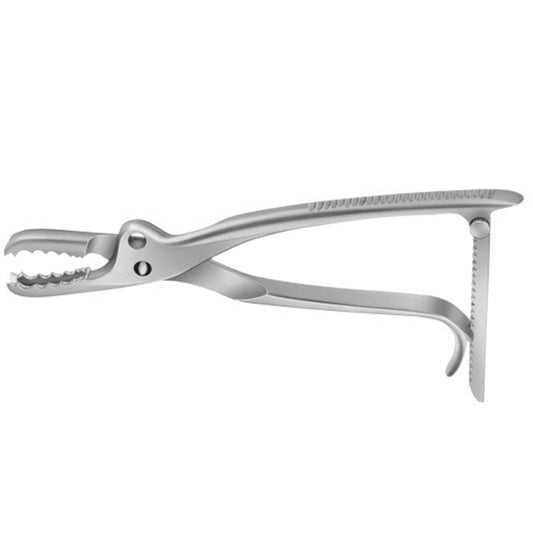
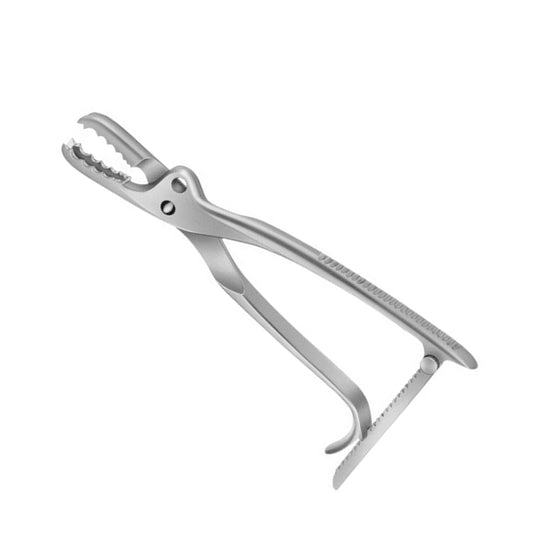
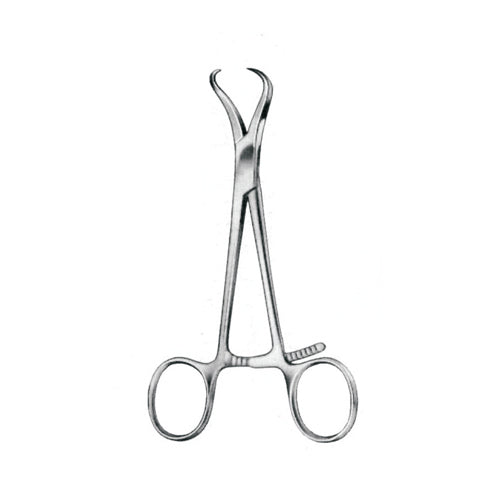
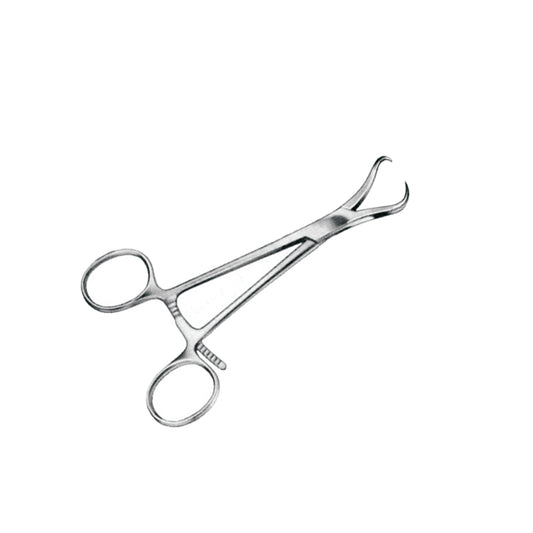
Holding instruments carry loads nothing else in a surgical tray has to. A bone holding forceps grips a fragment or a plate against the pull of muscle and the force of a drill, and it has to hold that position without the hand, which is why the ratchets on these patterns are heavier than on any soft tissue instrument. Bone plate holding forceps do the same job with jaws shaped to sit on a plate rather than on bone.
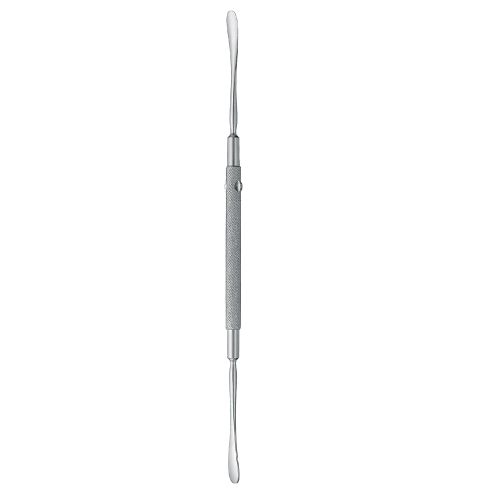
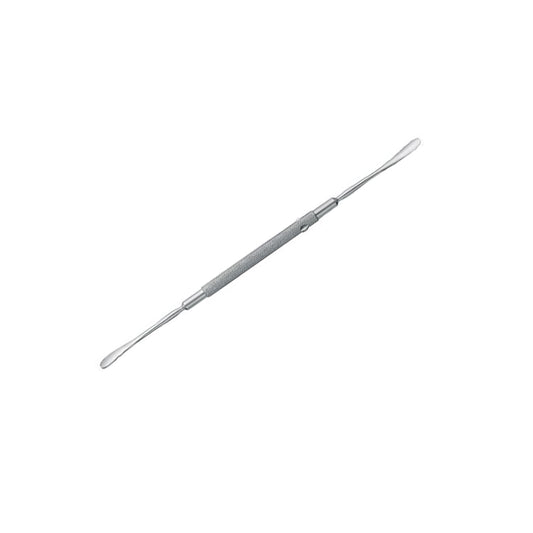
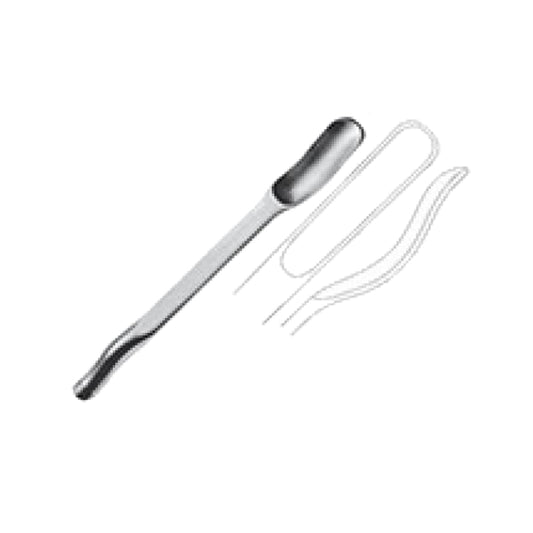
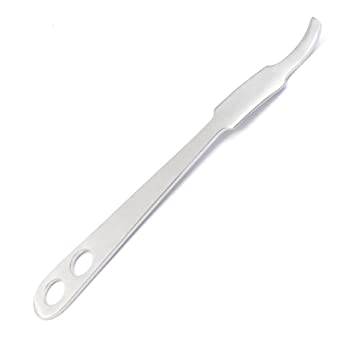
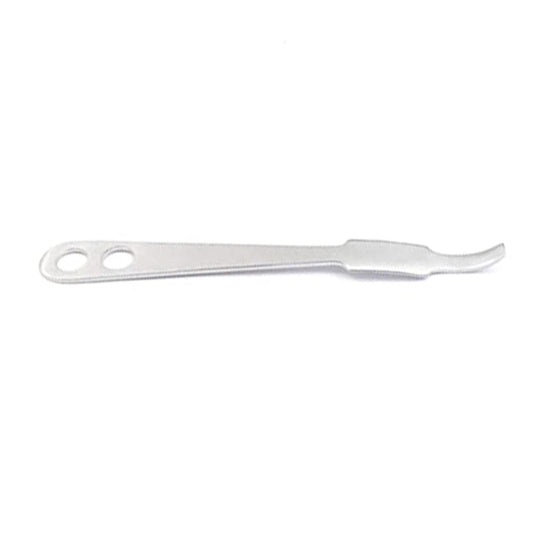
Retractors and levers work against the same forces from the other direction. Levers seat against cortex and hold soft tissue clear of a working surface, and unlike a self-retaining soft tissue retractor they are usually held, because the surgeon needs to change the angle as the exposure changes. Reamers prepare a canal or a socket to a defined diameter, and elevators and raspatories lift periosteum off cortex before any of it begins.
Wire, Pin, Mallet and Surface Instruments
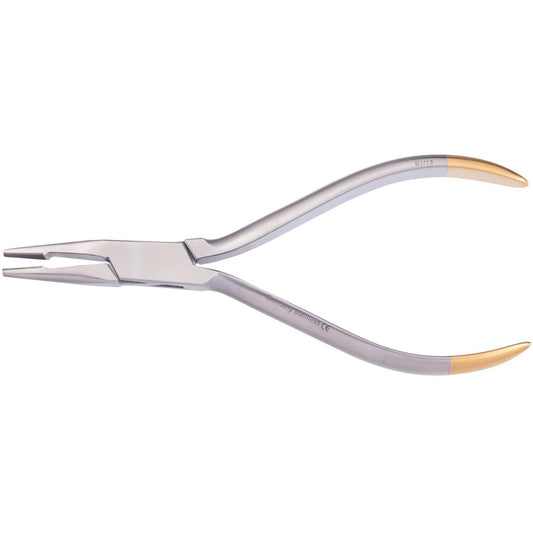
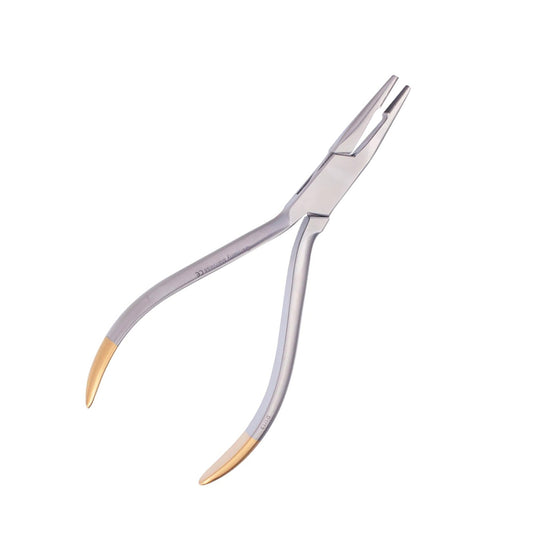
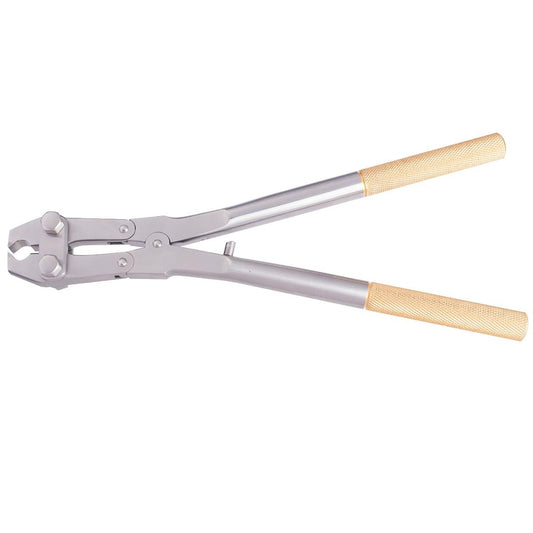
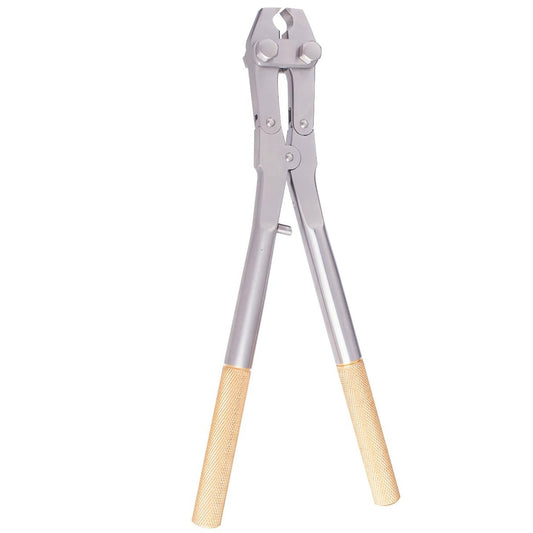
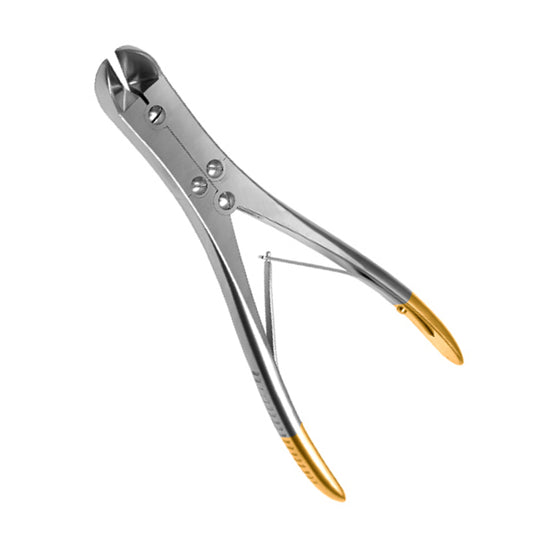
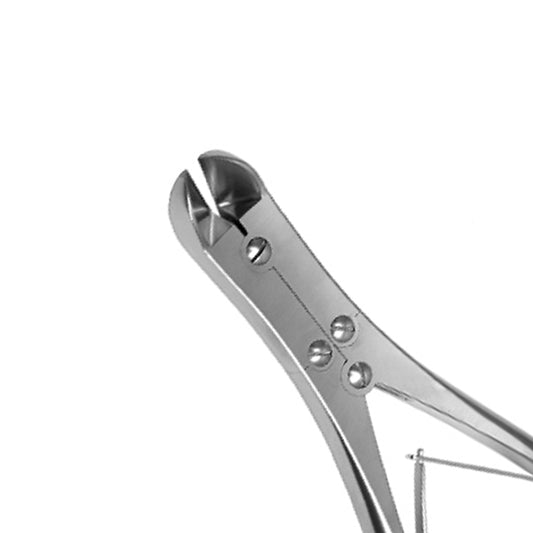
Wire and pin instruments form their own group because the material behaves differently from bone. Kirschner wire is hard, thin and springy, and cutting it needs edges hard enough not to deform against it: bone wire cutters and pin cutters carry heavier jaws and shorter working ends than any tissue instrument. Wire extraction pliers and pin pullers grip a smooth wire that is under tension and often buried, which is why their jaws are cross-serrated rather than smooth.
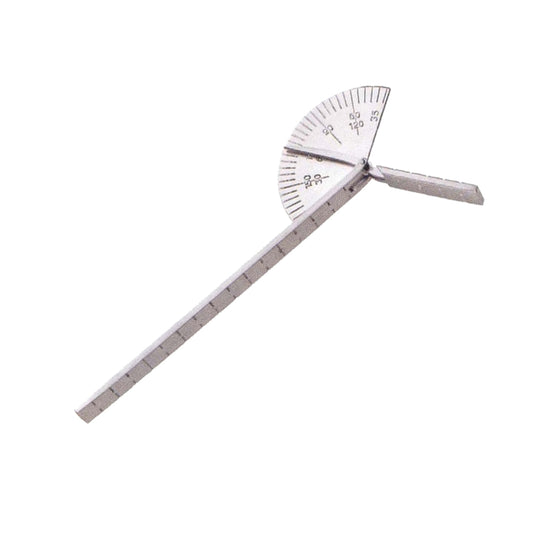
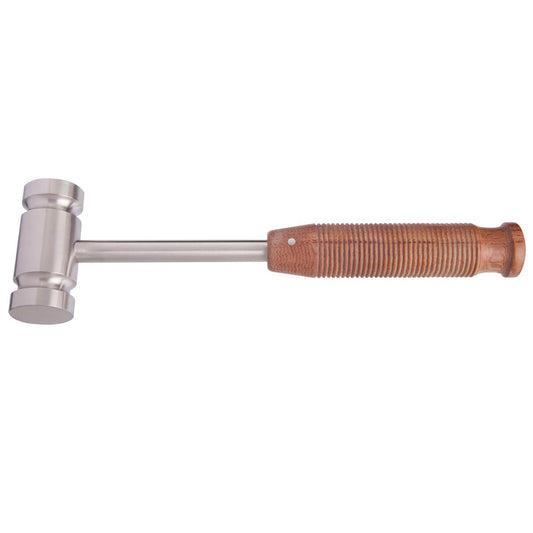
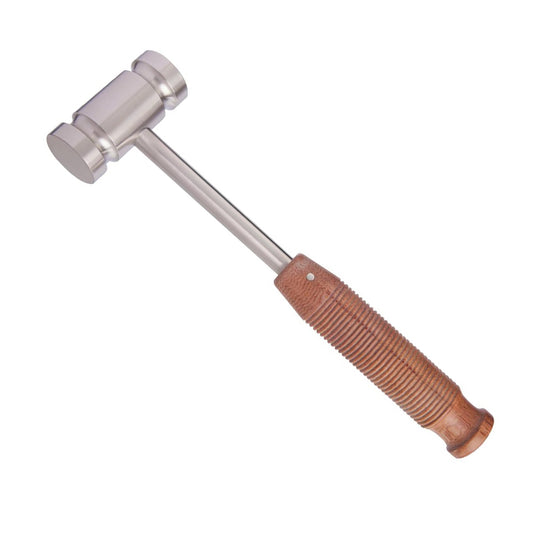
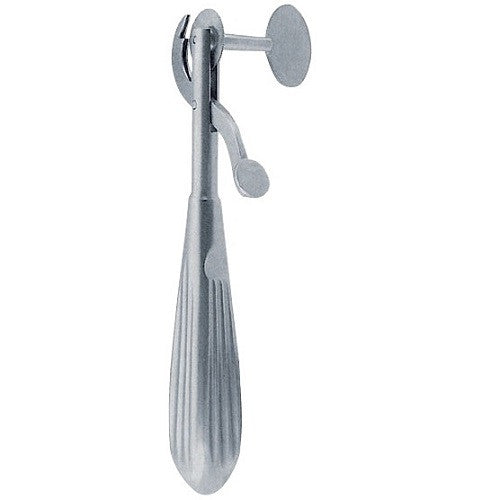
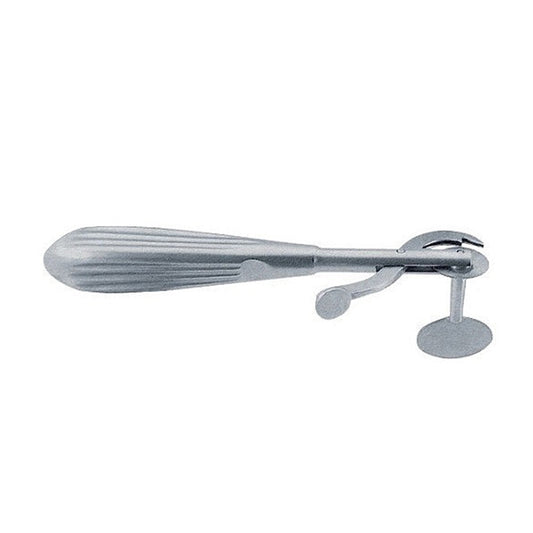
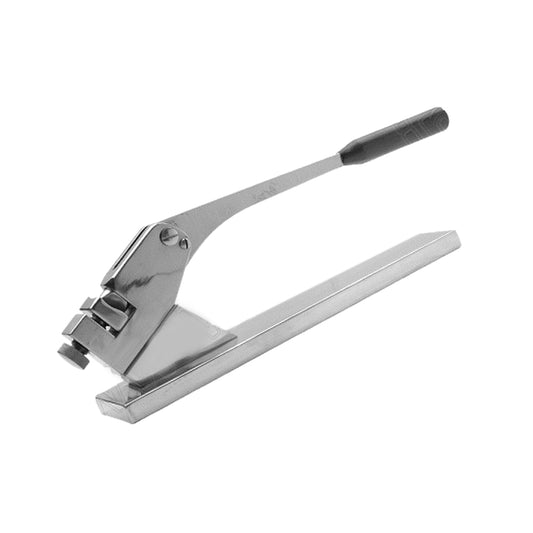
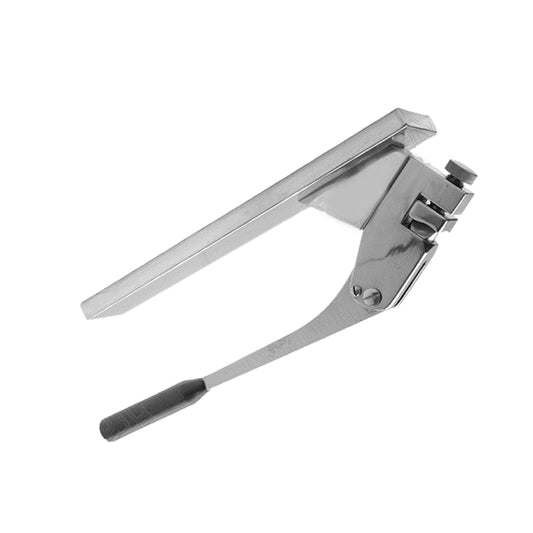
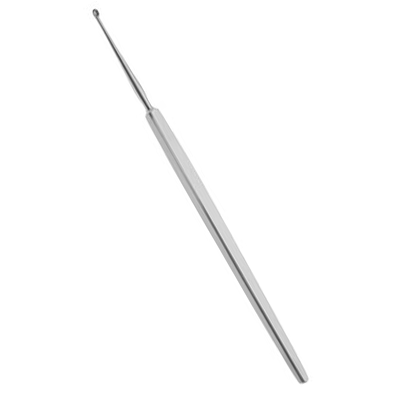
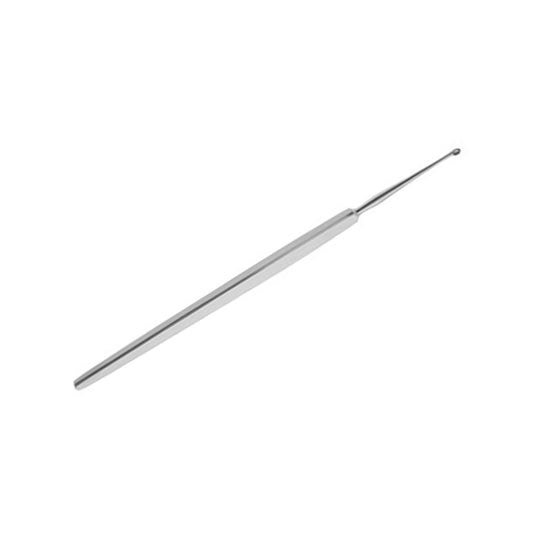
Mallets and measuring instruments complete the tray. A mallet drives an osteotome or a reamer with a controlled tap rather than a push, and head material changes the feel: metal transmits directly, nylon and phenolic soften the strike. Curettes and scoops clear cancellous bone and harvest graft, and files and rasps take a surface down after the cutting instruments have done their work.
Material, Reprocessing and Certification
Every pattern is forged from German stainless steel and passivated for corrosion resistance across repeated cycles. Orthopedic instruments carry higher loads than soft tissue instruments and their inspection reflects that: check every cutting edge under magnification for chipping or rolled metal, because bone is what dulls an edge fastest; on jointed instruments work the handles through full travel and confirm no lateral play has developed at the pivot, since a worn joint lets jaws pass rather than meet; and on ratcheted holding instruments close to the first tooth and try to force the jaws apart under load. Clean immediately with a neutral-pH enzymatic solution, brushing bone debris out of jaws, flutes and box locks before it dries, then rinse with deionised water and dry fully before autoclaving at 134°C.
These are Class I reusable devices, CE marked and built under ISO 13485, with a one-year manufacturing warranty. We ship at MOQ 1 with free shipping over $99, and OEM and private-label production is available for distributors. Browse the narrower ranges directly: Bone Rongeurs, Bone Holding Forceps, Bone Cutting Forceps, Bone Plate Holding Forceps, Orthopedic Reamers, Bone Wire Cutters, Bone Mallets and Osteotomes, Chisels and Gouges. Talk to us about OEM and volume terms.
Top search Results: | ORTHOPEDIC INSTRUMENTS | ALL INSTRUMENTS SET| HAND AND FOOT SURGERY INSTRUMENT SET | INTRAMEDULLARY NAIL INSTRUMENT SET | LOCKING PLATE INSTRUMENTS SET | SCREW REMOVAL INSTRUMENTS SET| SPINE SURGERY SET | ANTEATER RETRACTOR SYSTEM | ARTHROSCOPY INSTRUMENTS | ARTHROSCOPES | BIOPSY FORCEPS | FORCEPS GRASPING | HOOKS / EXPLORING AND SHARP | HOOKS EXPLORING AND SHARP | | TROCARS CANNULAS OBTURATORS | BANDAGE / PLASTER CAST INSTRUMENTS | PLASTER SHEARS | GENERAL ORTHOPEDIC INSTRUMENTS | AMPUTATION AND METACARPAL SAWS | BONE AND WIRE HOLDING FORCEPS | BONE CHISELS / OSTEOTOMES / GOUGES | BONE CHISELS OSTEOTOMES GOUGES | BONE CURETTES AND SCOOPS | BONE CUTTING FORCEPS | BONE ELEVATORS AND RASPATORIES | BONE FILES AND RASPS | BONE HOLDING FORCEPS | BONE MALLETS | BONE PLATE BENDERS | BONE PLATE HOLDING FORCEPS | BONE RETRACTORS AND LEVERS | BONE RONGEUR | BONE RONGEURS | BONE TAMPS AND PESTLES | BONE WIRE CUTTER | HAMMERS | HOOK-END INTRAMEDULLARY NAIL INSTRUMENTS | KIRSCHNER WIRES | KUENTSCHER INSTRUMENTS | MISCELLANEOUS | ORTHOPEDIC REAMERS | REAMERS | SCREW HOLDING FORCEPS TAPS COUNTERSINKS | WIRE AND BAND TIGHTENING INSTRUMENTS | WIRE CIRCLING NEEDLES | WIRE CUTTING AND EXTRACTING INSTRUMENTS | BONE DRILLS | BONE RETRACTORS AND SPREADER | BONE SAW | PAIN RELIEF PRODUCTS | CURRETES, LIGATORS AND SCOOPS | ELEVATORS & DISSECTORS KNIVES | HAND AND FOOT MALLET SET | HAND AND FOOT SURGERY INSTRUMENTS AND SETS | IMPLANT PLATES | INTRAMEDULLARY NAIL INSTRUMENTS SET | LOCKING INSTRUMENTS SET | MENISCUS SURGERY INSTRUMENTS | CARTILAGE SCISSORS | | KNEE RETRACTORS | MENISCUS KNIVES | ORTHOPEDIC IMPLANTS |