PEAK SURGICAL
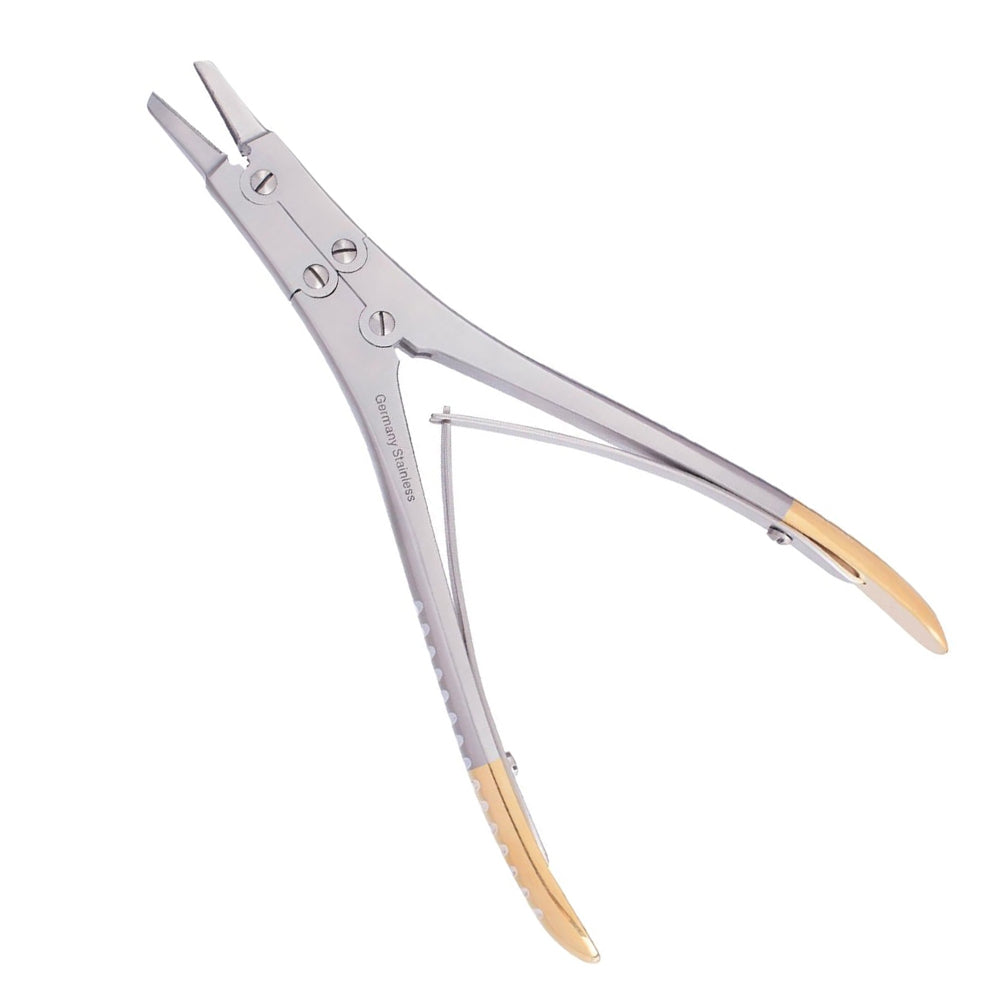
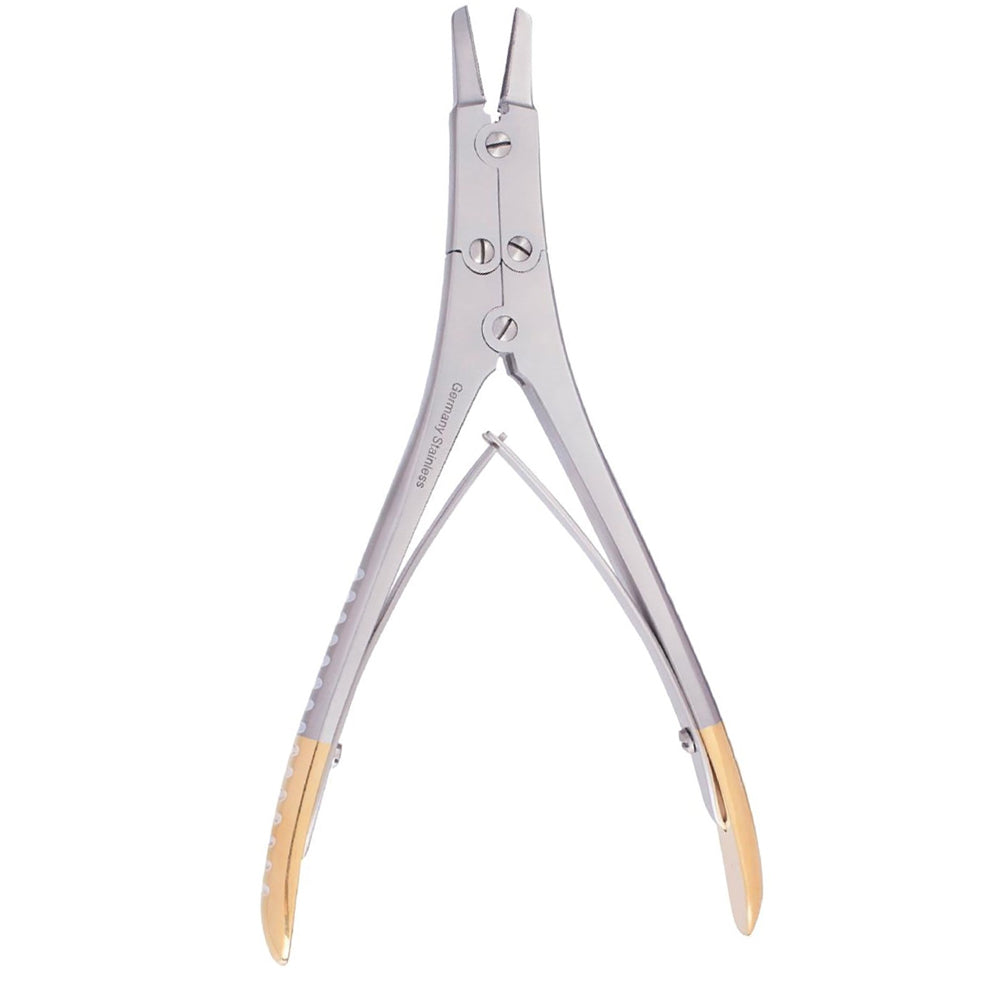
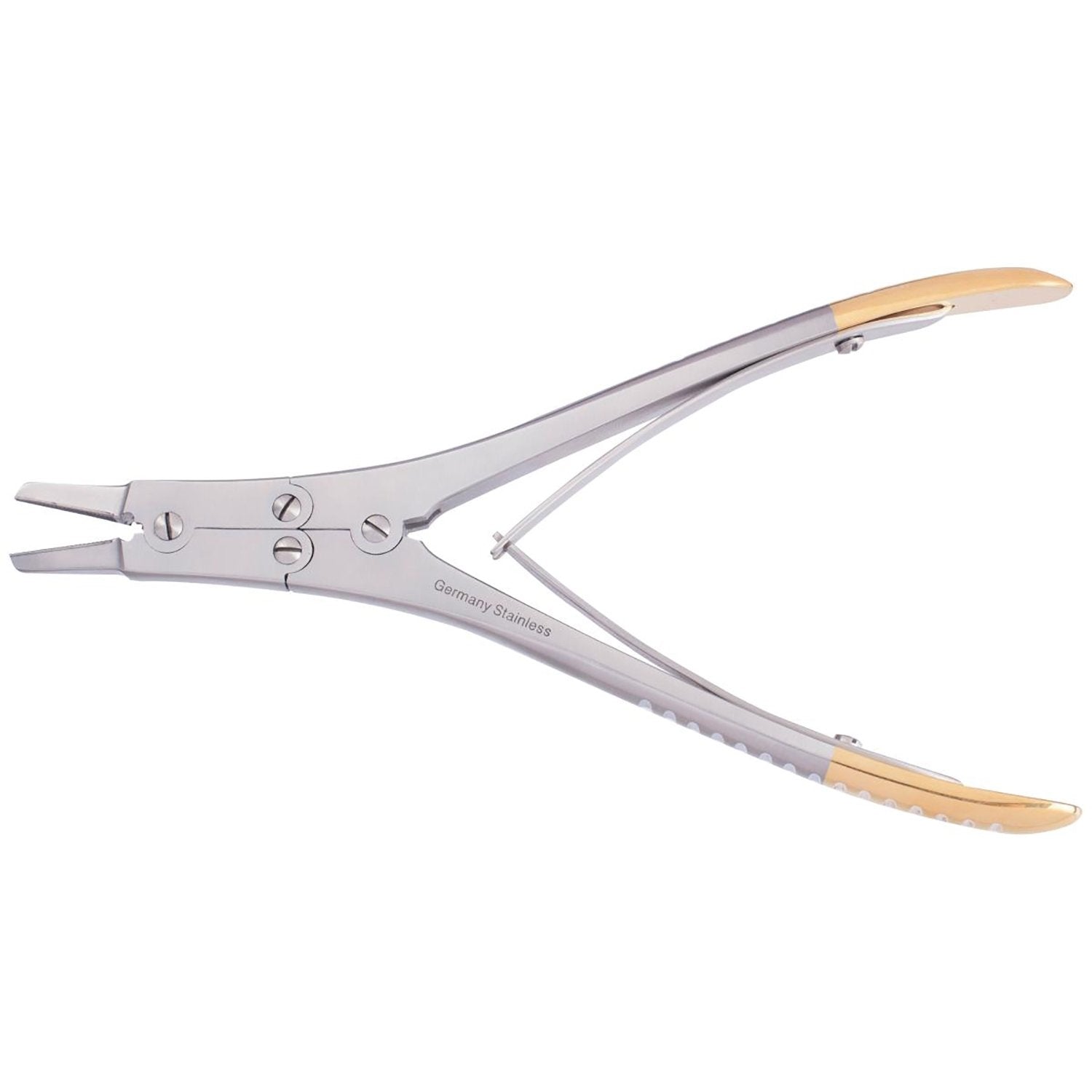
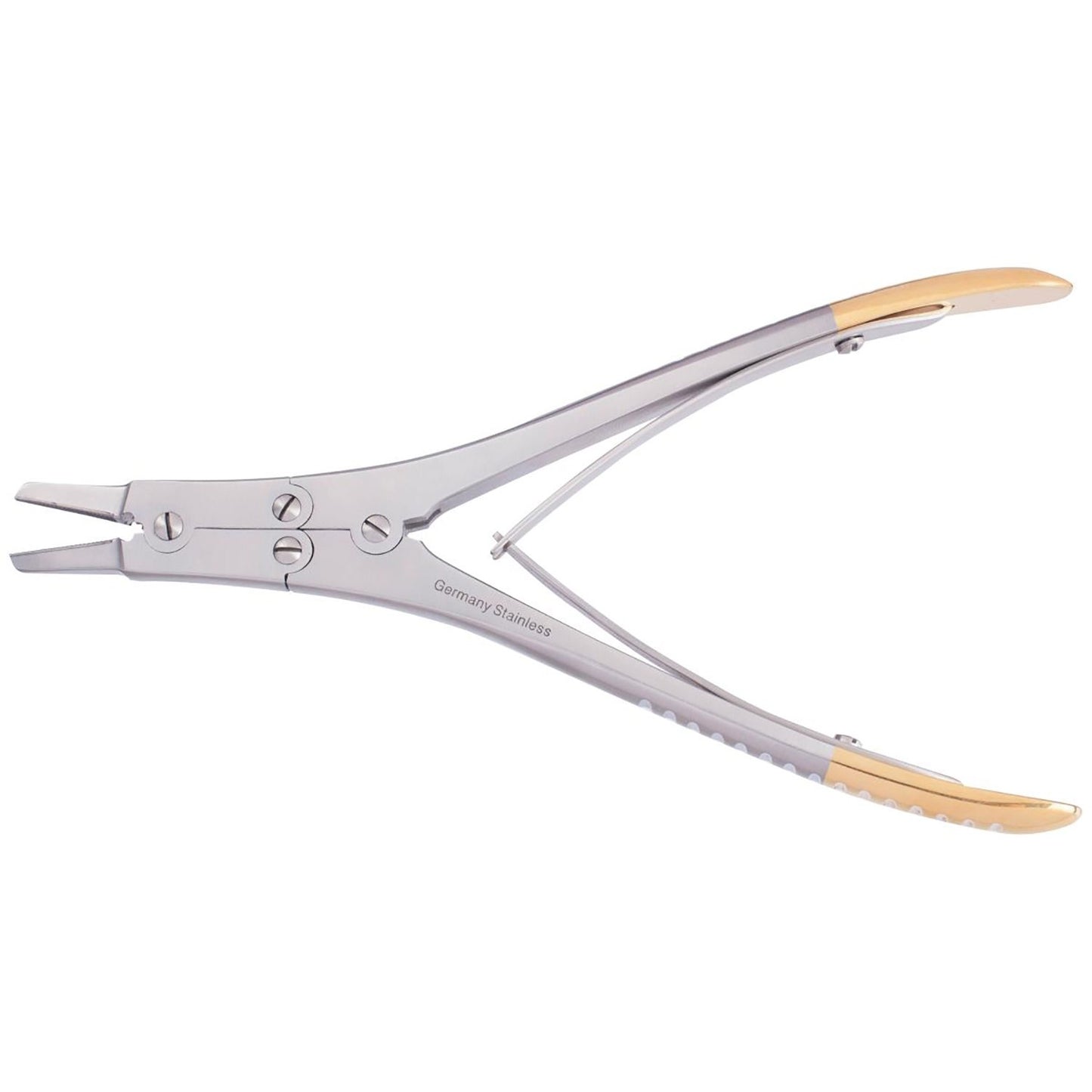
Wire Extraction Pliers
SKU:
Couldn't load pickup availability
- 30 Days Money Back Guarantee.
- 100% Quality Satisfaction.
- Medical Grade Steel Reusable.

Maximum Leverage: The Double-Action Wire Extraction Pliers
In orthopedic and trauma surgery, the removal of hardware--specifically Kirschner wires (K-wires), pins, and cerclage wires--is a task that requires both immense force and extreme stability. It is the wire extraction tools, especially those with the Double-Action" (18 centimeter) model, that are specifically designed to provide surgeons with the strength and stability required to remove deeply embedded hardware with the least effort and highest security.
The Double-Action Advantage
The most notable characteristic of these pliers is that they feature a dual-action hinge system. Differently from standard single-pivot models, double-action designs incorporate two joints, which increase the force that is applied to the handles.
This is the result:
- Superior Grip Power: It is a non-slip grip on slippery stainless steel wires or titanium pins, even when coated with biological fluids.
- Lowers Manual Fatigue Surgeons can exert significant twisting or pulling force without the strain on their hands that is caused by single-action tools.
- Controlled Extraction. The additional leverage allows for a slower and steadier pull. This is crucial to avoid fractures or damage to soft tissues when removing hardware.
Technical Specifications and Variants
Wire Extraction Pliers have been designed for use in surgical procedures that require a lot of force and are available in a variety of designs to fit particular clinical requirements:
- Tungsten Carbide (TC) Jaws: Many premium models have inserts made of TC. They are renowned for their high hardness, they prevent "metal-on-metal" slipping common with normal steel jaws, and also prolong the life of the device.
- Serrated Jaw Profiles. Faces on the inside of the jaws are typically crossed-serrated or shaped to pierce the round face of a pin or wire.
- Tip sizes: They are available in a variety of widths, but typically 2 millimeters (for fragile wires like K-wire), 4 millimeters and 6 millimeters (for rods and pins that weigh a lot).
- Materials: Made from premium German stainless steel, which ensures this instrument can be fully autoclavable and impervious to corrosion.
Clinical Applications
While they are primarily utilized to aid in the removal of hardware following the fracture has healed, they are important during the initial surgery to:
- The process of bending and contouring shaping K-wires to conform to the anatomic curvature of the bone.
- Twisting Cerclage Wire : Bone fragments are secured through twisting loops of wire to tighten them.
- Pin Adjustment : Adjusting the position or length of pins to fix internal issues.
Maintenance for Longevity
Due to the tremendous torque that is used by these instruments Regular inspection of double-action joints is vital. Sometimes, debris can get caught in the hinge that is secondary. So a thorough ultrasonic clean and lubrication of the pivot point and both is suggested to keep your "smooth-action" feel.