
Featured Collection
Your cart
Featured Collection

PEAK SURGICAL
SKU:DS-78496
Couldn't load pickup availability
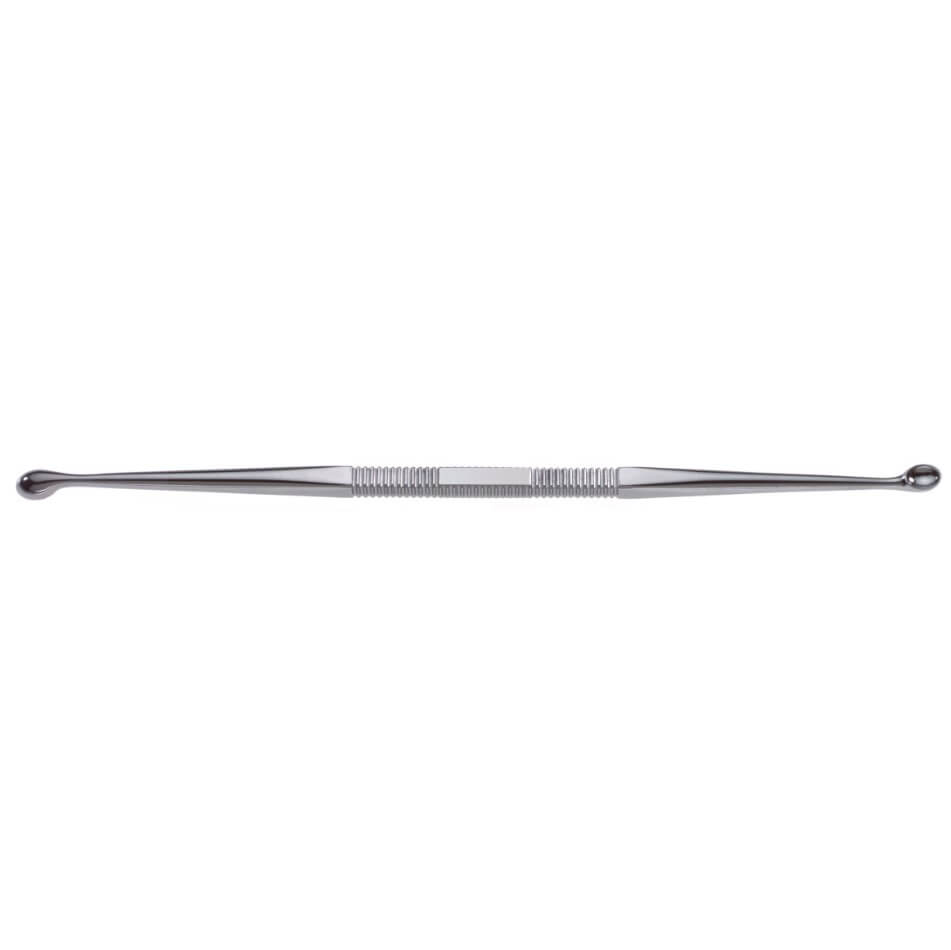
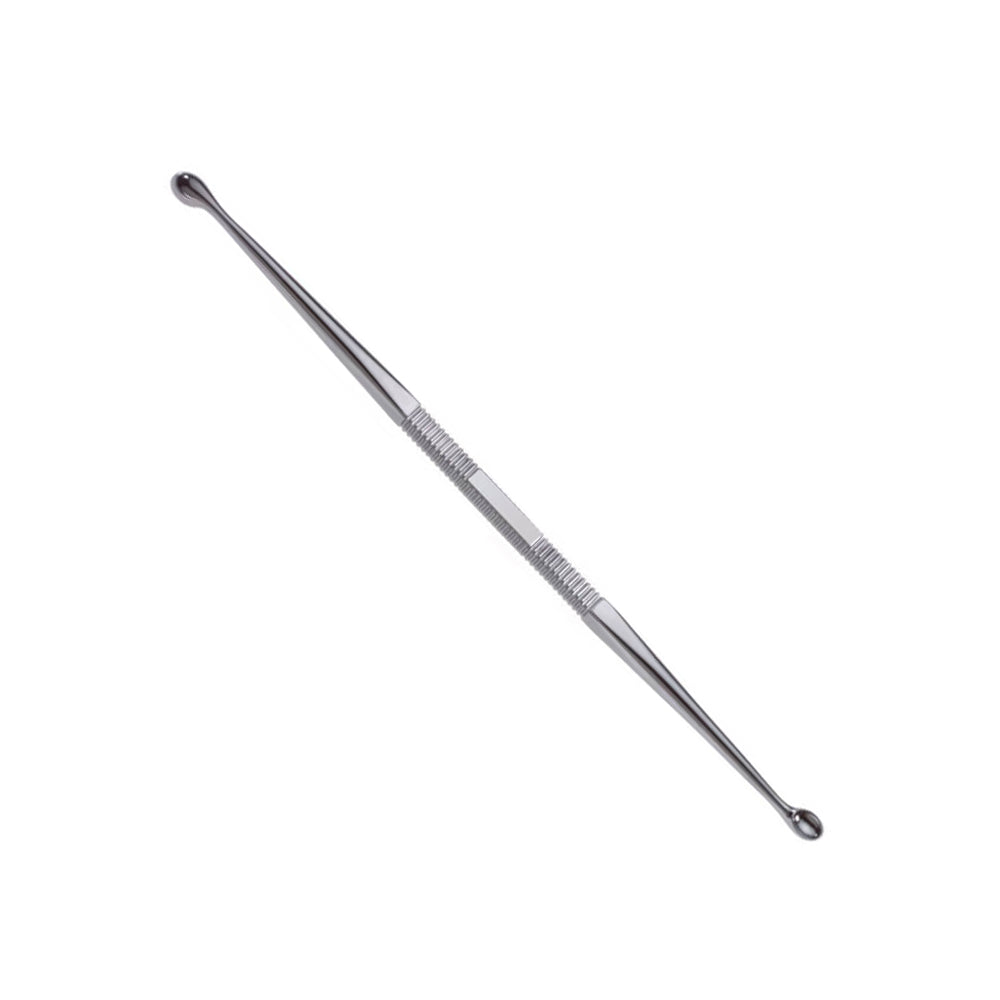
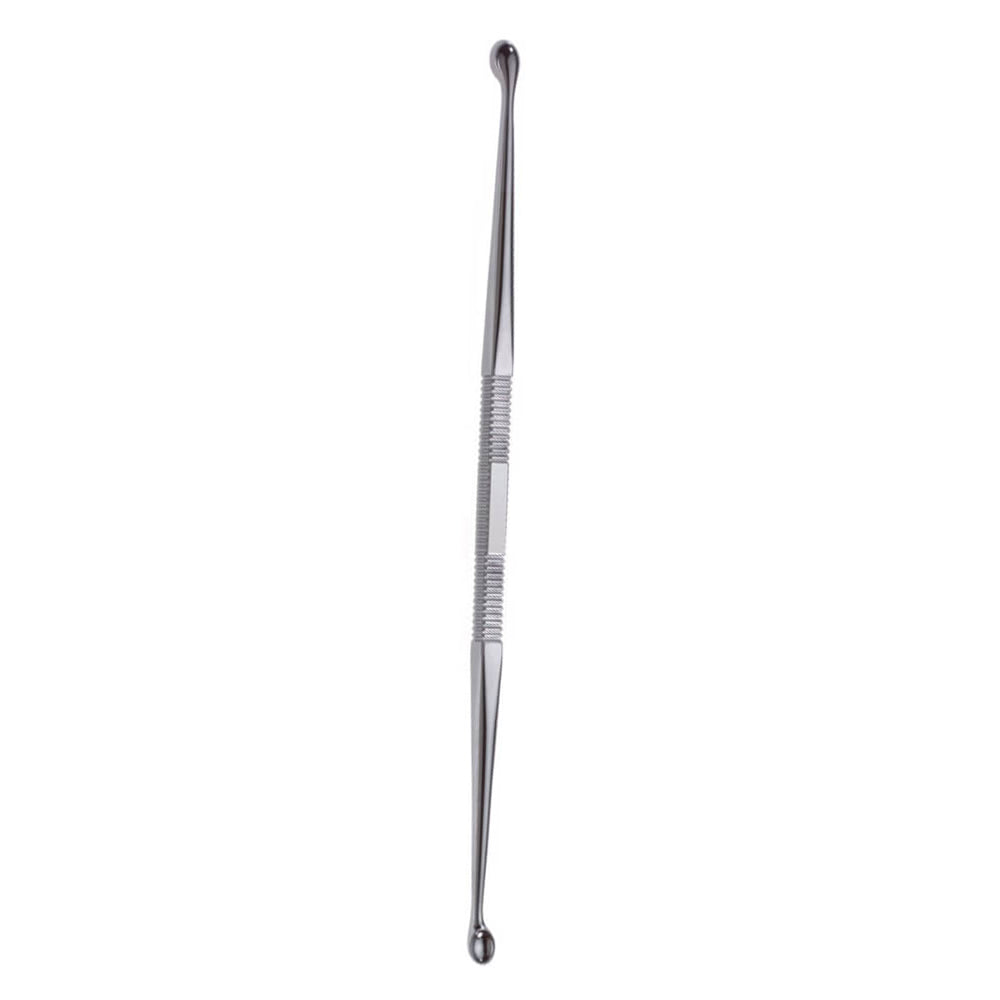
The definitive instrument for refined bone debridement, precise tissue harvesting, and micro-curettage in confined anatomical corridors. The Williger Bone Curette (No. 00/0, 14cm) is a high-precision orthopedic tool engineered to meet the need for precise, localized bone removal in delicate surgical fields. Featuring two distinct 2mm and 2.5mm sharp curette cups and a high-traction central knurled handle, this tool is a mechanical necessity for surgical teams transitioning between scraping and excavation tasks without the delay of instrument exchange. Its slim, lightweight chassis provides the essential tactile sensitivity needed to differentiate between healthy bone cortex and pathological tissue during intricate orthopedic reconstructions, foot/hand surgeries, and trauma debridement.
The Williger Bone Curette (No. 00/0, 14cm) represents the industry standard for micro-level bone management and pathology removal in orthopedics and traumatology. When preparing a surgical site for bone grafting, debriding a cyst, or cleaning out a fracture site, the precision of the curette is the deciding factor in the success of the bone-healing process. The Williger’s double-ended design is a mechanical necessity, providing the surgeon with an immediate “step-down” option—allowing the larger 2.5mm tip to handle primary excavation and the 2mm tip to reach into tight recesses, ensuring a truly clean, viable bone base.
At its core, the tool is engineered for structural safety and maximal clinical sensitivity. The 14cm length offers a perfect balance of leverage and feedback; the surgeon can feel the transition from soft pathology to dense, healthy bone through the handle, a mechanical necessity for avoiding excessive removal of sound tissue. By providing a sharp, “slicing” curettage action rather than a blunt, “scraping” action, this curette helps prepare an ideal, bleeding bone bed that is essential for optimal integration of graft materials or fixation hardware.
Built to exceed international quality standards for medical hardware, this curette is fully reusable and easy to maintain. Its resilient unibody construction, weld-free frame, and high-performance tips make it an indispensable asset for ensuring safe, predictable, and high-precision results in all specialized orthopedic and hand/foot trauma sets.
Feature Details
Instrument Style Williger Pattern Double-Ended Bone Curette
Tip Sizes No. 00/0 (2mm & 2.5mm Sharp Cups)
Overall Length 14cm (140mm / 5.5”)
Handle Geometry Central High-Traction Cross-Knurling
Surface Treatment Non-Reflective Glare-Reducing Aura-Satin
Material Base Premium Bio-Inert Surgical Stainless Steel
Reprocessing Limits Fully Autoclavable / High-Vacuum Steam-Safe
Certifications CE, ISO, Professional Surgical Grade
Primary Clinical Applications:
Q: Why choose the Williger pattern for orthopedic curettage?
A: The Williger’s specifically shaped cups are a mechanical necessity for effective excavation in narrow spaces; their edge-to-shank ratio is designed to provide maximum scooping power with minimal shaft intrusion.
Q: How do you sharpen these curettes?
A: They are precision-ground at the factory. It is a mechanical necessity to have them professionally serviced by a medical instrument repair specialist; attempts to sharpen them manually can alter the cup geometry and compromise clinical effectiveness.
Q: How do you ensure the curettes remain clean after scraping bone?
A: Bone debris accumulates inside the cup. An initial ultrasonic cleaner bath is a mechanical necessity for dislodging all trapped tissue from the curette cups before the standard hospital steam autoclave cycle.
Q: Is the 14cm length suitable for large-bone surgery?
A: It is designed for micro-surgical applications and precision tasks. For large-bone work, larger-scale curettes are a mechanical necessity to handle the volume of bone debridement required.
Q: What is the approved sterilization protocol for this instrument?
A: The premium surgical steel construction is a mechanical necessity built for rigorous hospital reuse. It is fully rated to undergo standard high-vacuum steam autoclave cycles at 134°C (273°F).
