
Featured Collection
Your cart
Featured Collection

PEAK SURGICAL
SKU:JH-48785
Couldn't load pickup availability
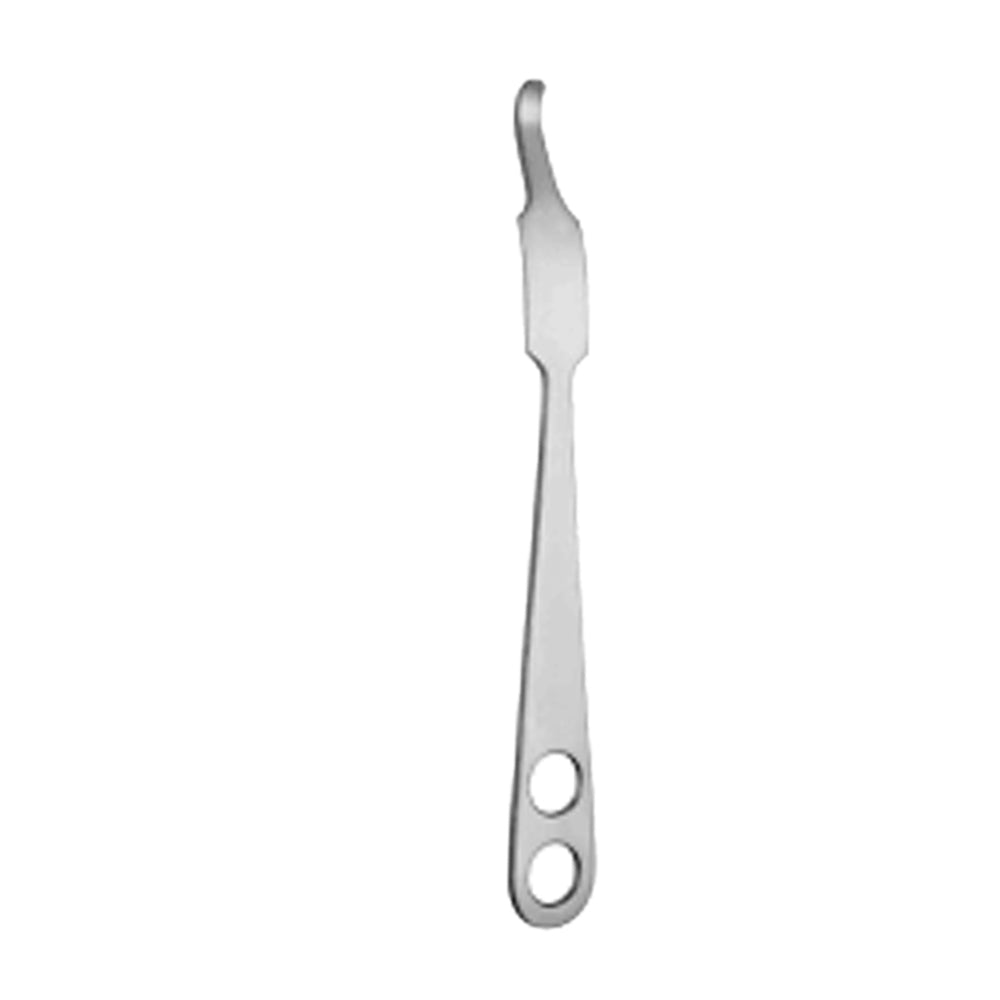
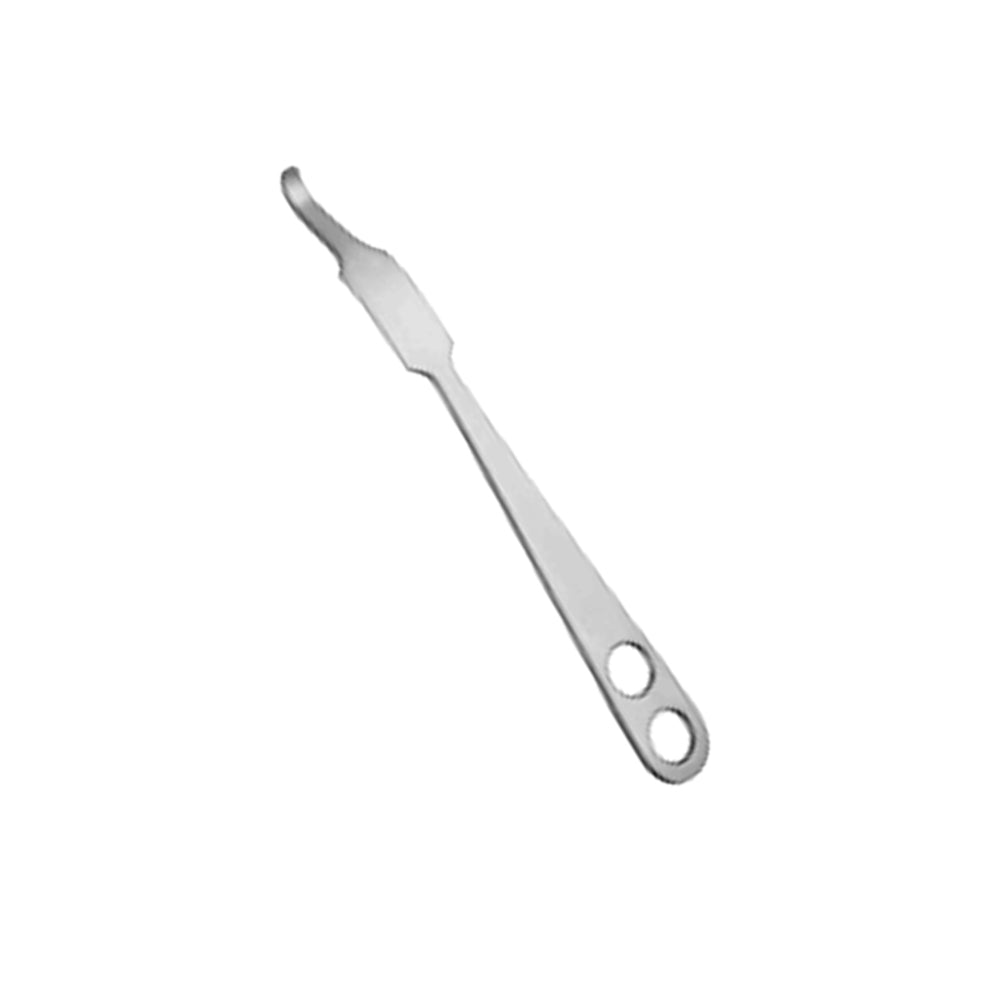
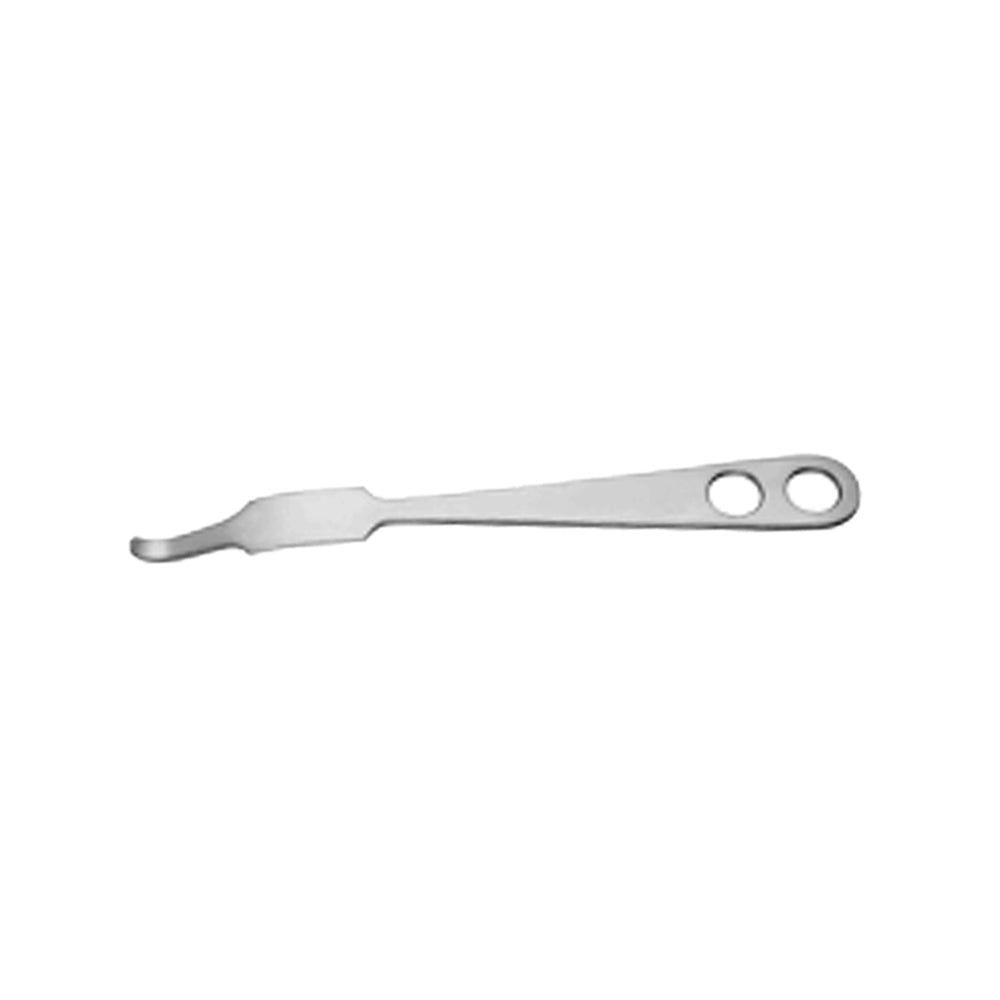
The definitive dual-purpose orthopedic instrument for high-leverage bone elevation, periosteal shifting, and broad muscle mass retraction in intermediate and large skeletal compartments. The Verbrugge Hohmann Bone Retractor / Elevator 24cm is a heavy-duty, high-capacity bone lever engineered to solve the mechanical challenge of shifting displaced fracture segments and prying dense fascial sleeves away from cortical walls without slipping. Featuring a broad 42mm-wide blade that curves into an anatomical bone-gripping tip, this instrument is a mechanical necessity for surgical teams performing open reduction and internal fixation (ORIF) of femur and tibia fractures, major osteotomies, and joint reconstructions. Its 24cm chassis combines the mechanical advantage of a rigid bone pry with the shielding capacity of an extra-wide tissue retractor.
The Verbrugge Hohmann Bone Retractor / Elevator (24cm with 42mm Wide Blade) represents the pinnacle of multi-role structural hardware for large-bone orthopedic surgery. During high-impact trauma plating or reconstruction, surgeons face two sequential hurdles: first, they must manually lever heavy, displaced bone fragments back into their true anatomical alignment; second, they must hold back massive muscle groups to secure their plates and screws. Utilizing separate, narrow handheld elevators and thin retractors constantly crowds the incision and risks dropping the bone alignment mid-step. This heavy-pattern Verbrugge lever serves as a single, highly durable mechanical tool that manages both demands simultaneously.
At its core, the tool is engineered for structural safety and steady tactile control. The broad 42mm blade distributes leverage forces across a much wider tissue footprint compared to narrow, pointed Hohmann patterns. This structural modification is a mechanical necessity for preventing focal bone bruising or muscle crushing during long procedures. By smoothly sliding behind the bone cortex and using the skeletal shaft as a solid pivot point, the Verbrugge retractor creates a steady, unobstructed working window, providing clear sightlines for precise drill tracking, plate positioning, and final hardware torqueing.
Built to exceed international quality standards for medical hardware, this unibody retractor is fully reusable and easy to decontaminate. Its robust frame and dual finger-ring handle make it an indispensable asset for ensuring safe, predictable, and high-precision results in all large-fragment trauma, hip and knee revision, and reconstructive surgery sets.
Feature Details
Total Overall Length 24cm (240mm / 9.4”)
Blade Width 42mm (4.2cm / 1.6”)
Blade Geometry Extra-Wide Flared / Verbrugge-Hohmann Hybrid
Tip Profile Smooth, Contoured Bone-Hook Lip
Handle Architecture Flat Leverage Handle with Dual Finger-Ring Ports
Material Base Premium Bio-Inert Surgical Stainless Steel
Reprocessing Limits Fully Autoclavable / High-Vacuum Steam-Safe
Certifications CE, ISO, Professional Surgical Grade
Primary Clinical Applications:
Q: What makes a Verbrugge Hohmann different from a standard Hohmann retractor?
A: The Verbrugge variation is structurally thicker and significantly wider ($42\text{mm}$), and it features a flat handle with integrated finger rings. Standard Hohmanns are typically narrower, have pointed tips, and have solid, straight handles, making the Verbrugge a mechanical necessity for heavy bone prying and broad muscle retraction.
Q: Can this instrument be held hands-free by hanging weights from the handle?
A: Yes. The dual finger-ring ports built into the flat handle are a mechanical necessity designed to accept standard surgical S-hooks, frame clamps, and traction weights. This setup allows for locked-in, hands-free muscle deflection once the tip is safely hooked behind the bone.
Q: Is there a risk of fracturing the bone tip when levering a heavy femur fracture?
A: No. The solid-state forged steel body is a mechanical necessity, engineered to withstand massive manual torque without bending or breaking, provided the tip is fully seated under the bone cortex rather than precariously tipped on a weak fracture line.
Q: How do you prevent periosteal stripping when using the tool as an elevator?
A: It is a professional standard to slide the curved tip closely against the bone plane, using smooth, continuous pressure to lift the tissue layers together. Maintaining flat, uniform contact is a mechanical necessity to prevent accidental scoring of the bone surface.
Q: What is the approved sterilization protocol for this tool?
A: The premium surgical steel construction is a mechanical necessity built for heavy hospital reuse. It is fully rated to undergo standard high-vacuum steam autoclave cycles at 134°C (273°F) with zero risk of structural breakdown, finish clouding, or corrosion.
