
Featured Collection
Your cart
Featured Collection

PEAK SURGICAL
SKU:DS-41963
Couldn't load pickup availability
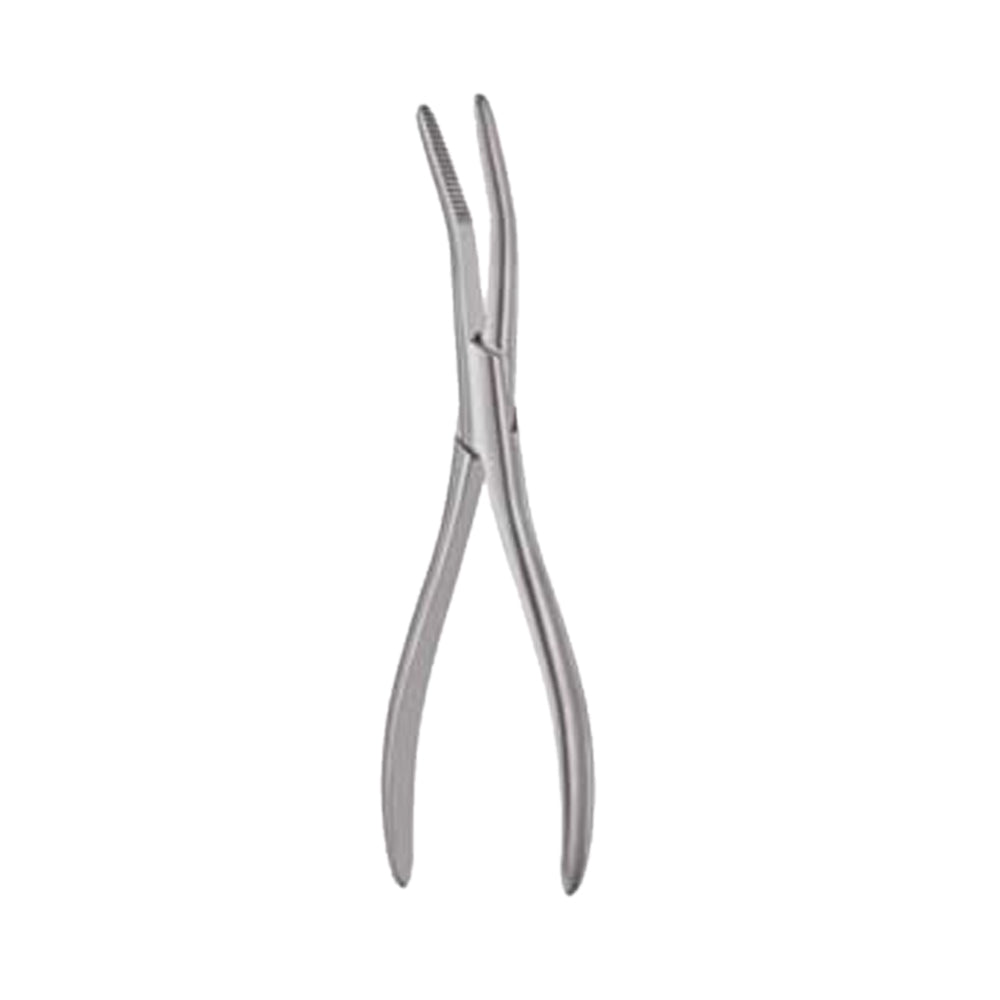
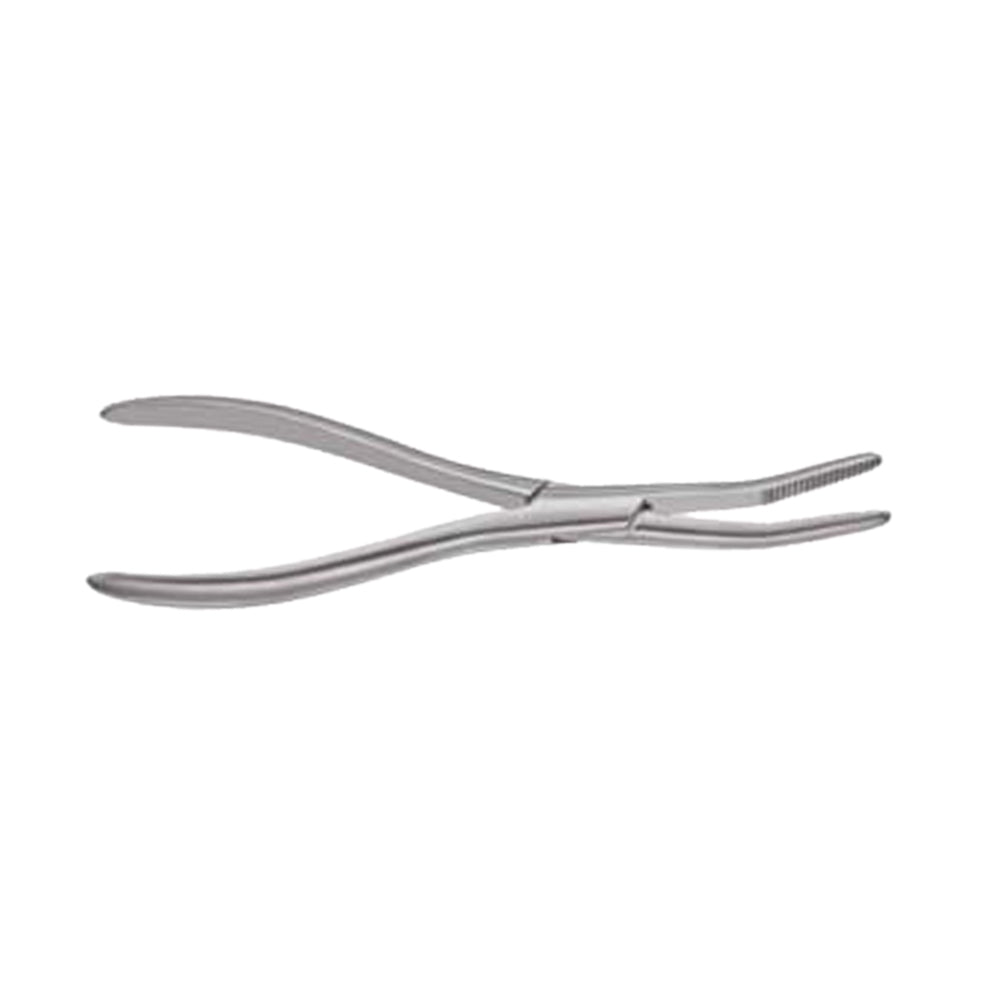
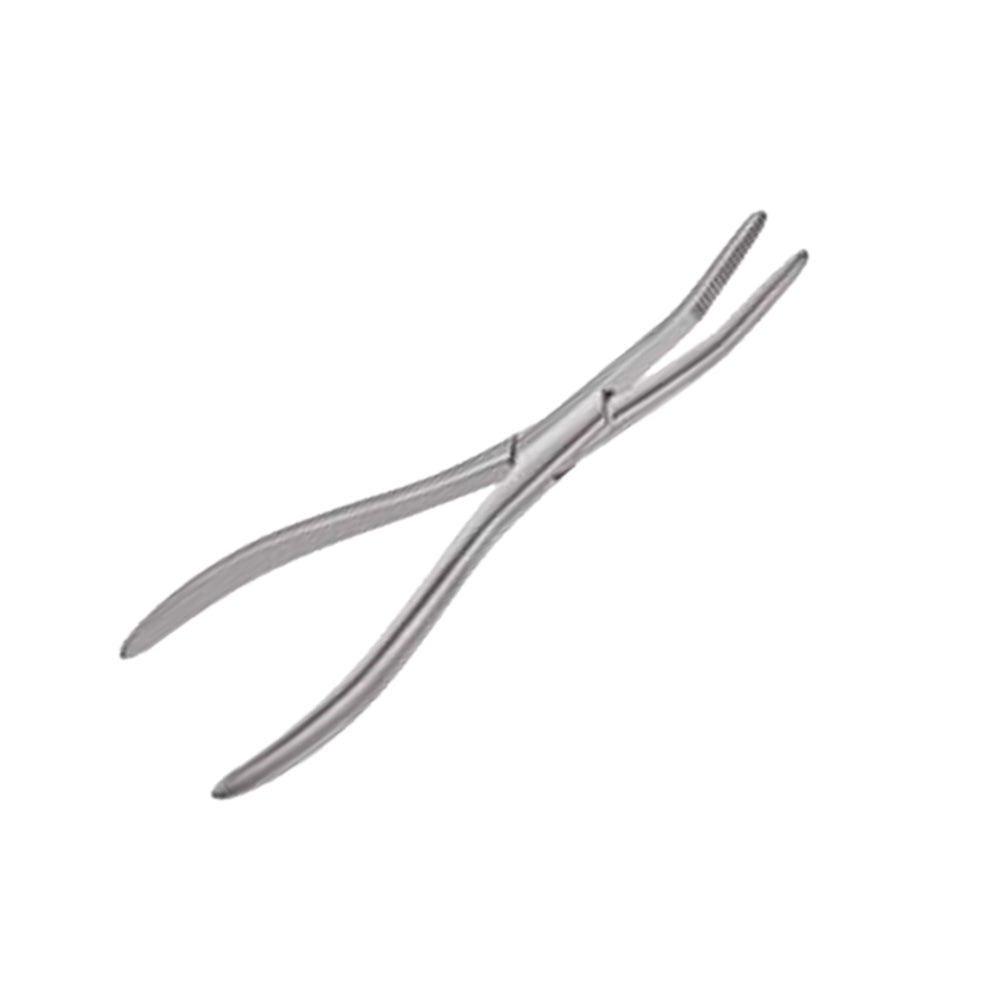
The definitive orthopedic instrument for deep-field bone debridement, sequestrum extraction, and the removal of loose cortical fragments. The Van Buren Sequestrum Forceps (23cm Angled-to-Side) is a specialized, long-reach grasping tool engineered to solve the difficult surgical problem of removing necrotic bone or foreign bodies from deep, narrow cavities or irregular osteomyelitis tracts. Featuring an offset, side-angled jaw profile and deep-biting serrated teeth, this tool is a mechanical necessity for trauma surgeons and orthopedic specialists performing complex debridement or fracture-site cleaning. Its 23cm length provides the essential reach required to work safely around complex anatomical structures without compromising the line of sight or requiring excessive tissue retraction.
The Van Buren Sequestrum Forceps (23cm Angled-to-Side) represent the gold standard for bone fragment management in trauma, infection control, and reconstructive surgery. During procedures such as osteomyelitis treatment, surgeons must identify and remove necrotic bone segments (sequestra) while preserving healthy tissue. These segments are often embedded in narrow, irregular voids, making them inaccessible to standard straight-jaw forceps. The side-angled design of the Van Buren pattern allows the surgeon to approach these sites from an indirect, optimized angle, providing both reach and surgical leverage for clean, efficient extraction.
At its core, the instrument is engineered for maximum surgical safety and dependable clinical control. The long shaft keeps the operative field uncluttered, while the serrated jaws act as a mechanical necessity for holding small, often slippery or jagged bone pieces with absolute stability. By providing a reliable “hook and grab” interface, the forceps enable the surgical team to perform delicate debridement tasks precisely, reducing the risk of accidental damage to adjacent nerves or vascular structures and ensuring that all pathological fragments are cleared.
Built to exceed international quality standards for medical hardware, these forceps are fully reusable and easy to maintain. Their robust unibody construction, weld-free joints, and high-tensile hinge pins make them an indispensable asset for ensuring safe, predictable, and high-precision results in all orthopedic infection control, fracture trauma, and bone reconstruction sets.
Feature Details
Instrument Style Van Buren Sequestrum & Bone Fragment Forceps
Overall Length 23cm (230mm / 9.1”)
Jaw Architecture Side-Angled Working End
Grip Surface Deeply Serrated Bone-Locking Teeth
Surface Treatment Non-Reflective Glare-Reducing Aura-Satin
Material Base Premium Bio-Inert Surgical Stainless Steel
Reprocessing Limits Fully Autoclavable / High-Vacuum Steam-Safe
Certifications CE, ISO, Professional Surgical Grade
Primary Clinical Applications:
Q: Why is the jaw “angled to the side” instead of just straight?
A: In deep, narrow operative fields, straight instruments often force the surgeon to block their own line of sight to reach the target fragment. The side-angle is a mechanical necessity that shifts the handle axis away from the visual path, allowing the surgeon to see the bone fragment clearly while the angled jaws engage it from the side.
Q: Will the serrated jaws crack fragile or osteoporotic bone?
A: These forceps are designed for grasping sequestra and cortical fragments, which are typically harder and denser. For very soft or osteoporotic bone, it is a professional standard to apply gentle, controlled pressure; the serrations provide grip through surface engagement rather than deep crushing force.
Q: Can these be used to remove foreign objects like broken drill bits or wires?
A: Yes. The serrated, secure-grip jaws are highly effective for extracting metallic foreign bodies lodged in tissue or bone, provided the object fits within the jaw opening.
Q: How do you maintain the precision of the serrated teeth over time?
A: It is a mechanical necessity to avoid striking these forceps against hard metal surfaces or using them as a pry bar. Regular, gentle cleaning with a soft surgical brush is also a mechanical necessity for removing bone debris from the serrations, ensuring the bite remains sharp and effective.
Q: What is the approved sterilization protocol for these forceps?
A: The premium surgical steel construction is a mechanical necessity built for rigorous hospital reuse. It is fully rated to undergo standard high-vacuum steam autoclave cycles at 134°C (273°F). Leaving the instrument in the “open” (unlocked) position during the cycle is a mechanical necessity for ensuring total steam penetration across the entire hinge.
