
Featured Collection
Your cart
Featured Collection

PEAK SURGICAL
SKU:
Couldn't load pickup availability
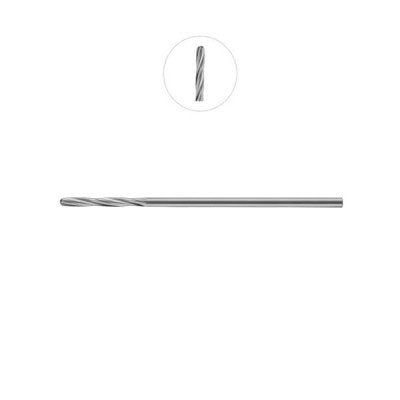
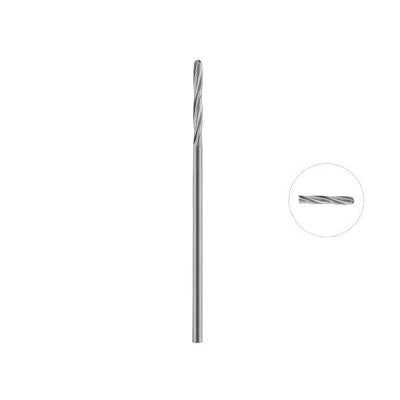
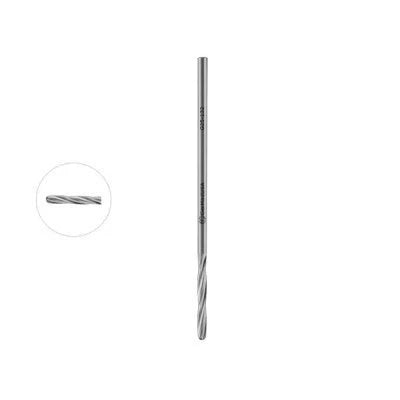
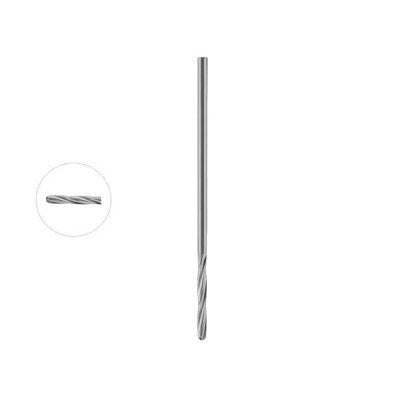
Overview of Twist Drill
It is the Twist Drill is a vital surgical instrument used extensively in trauma, orthopedic and reconstructive procedures to ensure exact bone drills. The twist drill is recognized by its spiral fluted design. It is designed to make precise pilot holes in the bone before implant insertion, screw placement or fixation device use. Its reliable cutting capability and simple design make it an essential part of any set of orthopedic surgery.
In the surgical setting, the precision and control of the surgeon are essential in preparing the bone for hardware placement. A twist drill allows for the smooth passage through cortical and cancellous bone, reducing unnecessary trauma. Through the creation of a clear and well-defined hole, it ensures the proper alignment and secure fixing of plates and screws.
Made from surgical-grade, high-quality stainless steel or alloys that have been hardened, the twist drills are designed to stand up to the needs of bone drills. Their corrosion-resistant construction guarantees the durability of the drill and its compatibility with repeated sterilization cycles.
Design and Structural Features
The Twist Drill has been carefully designed to offer efficient cutting as well as debris removal. The key structural characteristics include:
A spiral-fluted structure to facilitate the evacuation of bone chips
Sharp cutting edge to ensure exact entry into the bone
Numerous diameter options to be able to match screw sizes
Straight or shanks with quick-connect configurations
High-strength stainless steel with high-strength alloy construction
These spirals flutes constitute the most distinctive characteristic of a twist drill. As the drill spins, it channels bones away from the drill site, which prevents blocking and decreases heat production. This type of design increases the efficiency of cutting and improves the accuracy of surgical procedures.
The sharp tip allows for an encapsulated entry into the bone's surface, reducing the risk of slippage and ensuring alignment. The availability of different sizes permits surgeons to choose the right size of drill based on the type of fixation device being used.
Clinical Applications in Orthopedic Surgery
Twist Drills are frequently employed in:
Fracture fixation procedures
Plate osteosynthesis and screw osteosynthesis
Spinal instrumentation
Trauma surgeries
Joint procedures for reconstruction
In the course of repairing fractures using a twist drill, it creates pilot holes prior to drilling and screw inserting. In spinal surgery, it is utilized to create bone pathways that can be used to allow pedicle screws or any other instruments. Its consistency in drilling results in an accurate hole diameter and depth, which contributes to the secure fixation of implants.
The instrument's versatility allows it to be used for both cancellous and cortical bone drilling.
Advantages of Twist Drill
The Twist Drill has several key advantages:
Effective debris removal via spiral flutes
Controlled and precise drilling performance
Reduced heat generation during use
Available in various sizes for flexibility
Reusable and durable construction
These benefits improve surgical precision, decrease operative complications and ensure the best fixation results.
Sterilization and Maintenance
Being a reusable surgical instrument, Twist Drill is a reusable surgical instrument. The twist drill is required to be cleaned thoroughly and sterilized at the end of every operation. This instrument is compatible with the standard autoclave sterilization techniques. Care must be taken to scrub the spiral flutes in order to eliminate bone debris and to maintain the efficiency of cutting.
Regular inspections ensure that the cutting edges are kept clean and free of wear. Regular maintenance helps to preserve performance, prolongs the lifespan of the instrument, and guarantees reliable results for future surgical procedures.
