Featured Collection
Your cart
Featured Collection

PEAK SURGICALS
SKU:PS-5245
Couldn't load pickup availability
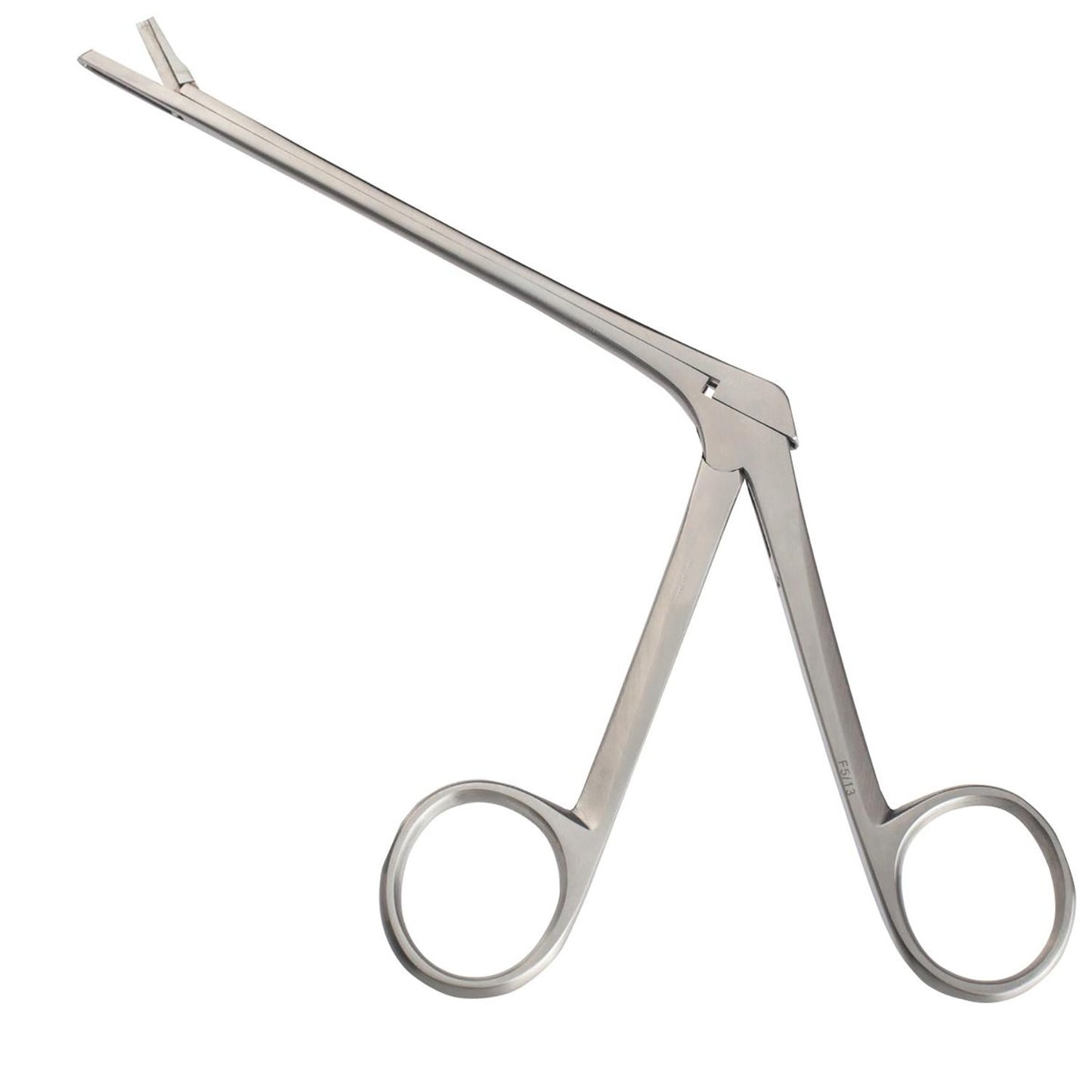
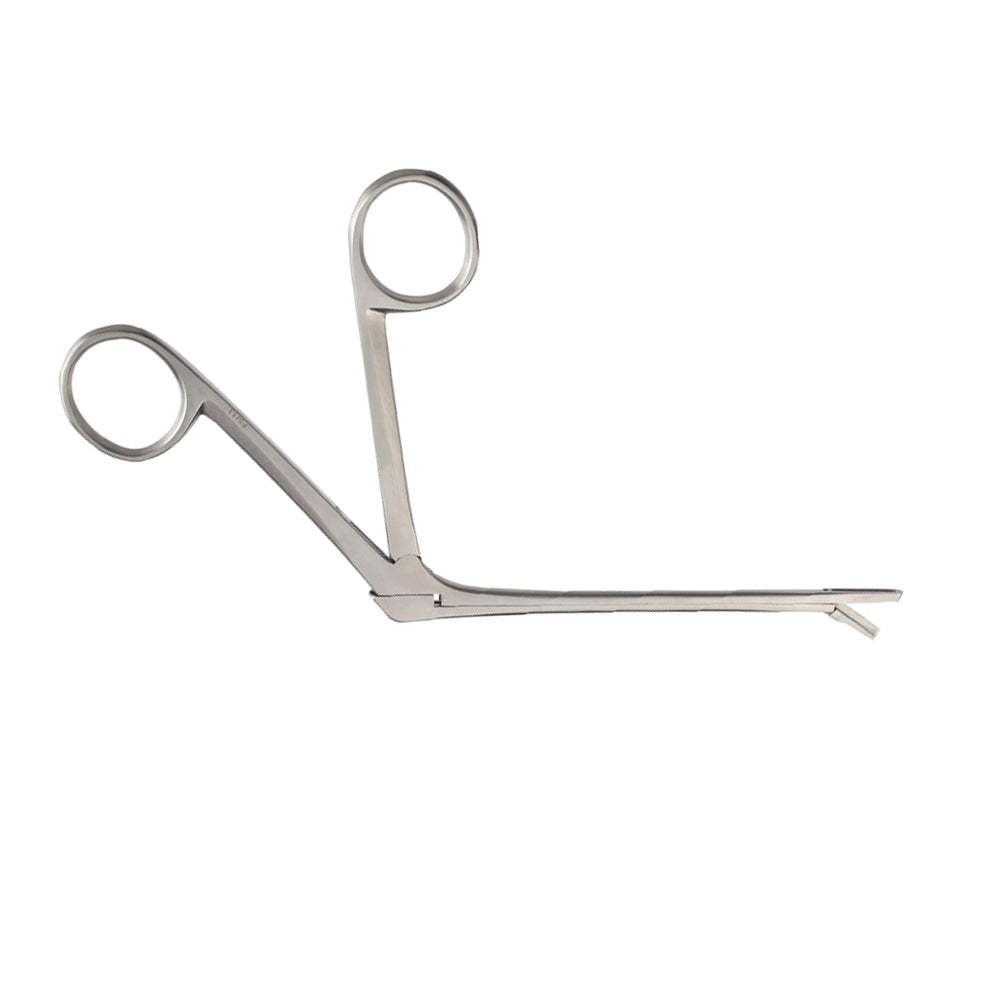
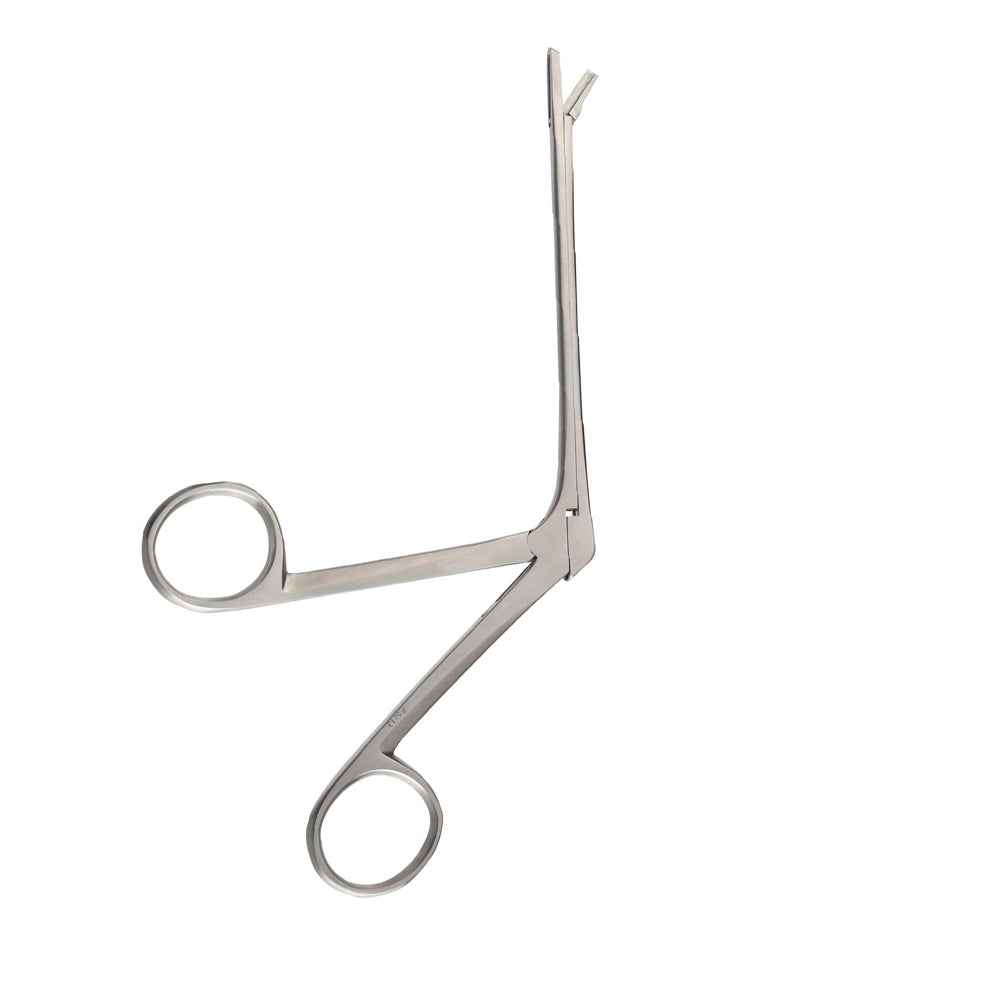
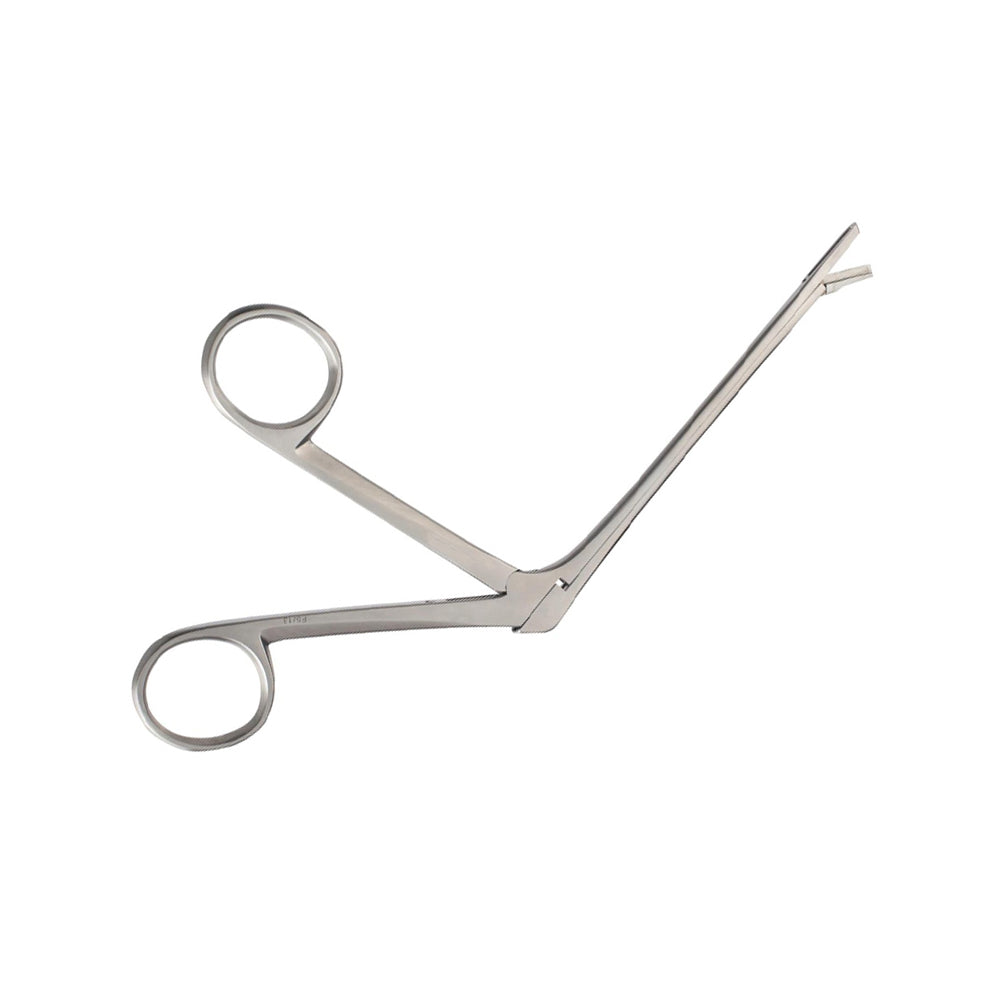
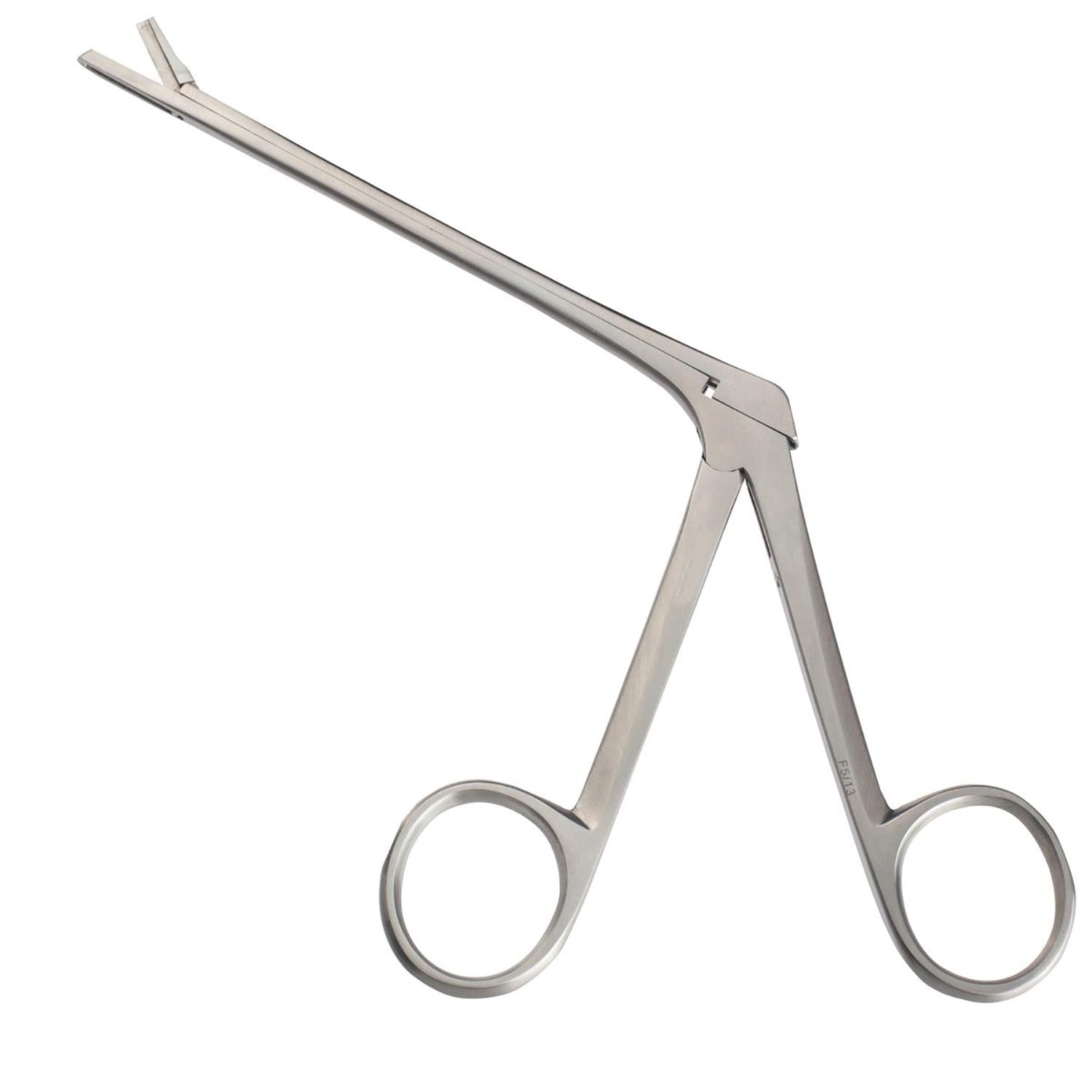
Stryucken Turbinate Forceps PS-5245 are reusable ENT biopsy forceps manufactured from German stainless steel for controlled tissue access, grasping, and biopsy work during nasal turbinate procedures. The listed size is PS-5245 6-3/4 inch (17.0cm), giving the surgeon a long working shaft for intranasal access while maintaining ring-handle control outside the nasal vestibule. This instrument is used in inferior turbinate biopsy, turbinate tissue sampling, partial turbinectomy support, nasal polyp margin handling, intranasal granulation tissue removal, and ENT procedures requiring a defined distal bite in a restricted nasal corridor. The long shaft, distal biopsy jaw, box joint, pivoted handle, and ring-handle mechanism allow controlled placement along the turbinate surface under direct visualization or endoscopic guidance. ENT surgeons, rhinologists, otolaryngology teams, hospital operating rooms, ambulatory surgery centers, and nasal surgery clinics select this Class I reusable forceps pattern for controlled tissue handling, stainless steel sterilization workflow, and regulated procurement documentation.
The Stryucken pattern uses a 17.0cm shaft to reach the inferior turbinate and adjacent intranasal tissue while keeping the handle outside the narrow operative field. The distal biopsy jaw provides the active working surface for grasping, sampling, or removing a selected tissue segment. Its long profile helps the surgeon approach the target along the nasal floor or lateral nasal wall without crowding the speculum, suction, endoscope, or headlight field. The box joint keeps the arms aligned during closure so the distal bite remains predictable. The pivot converts ring-handle compression into controlled jaw movement at the tip. Finger rings stabilize the hand during repeated opening, positioning, closure, and withdrawal. This mechanical arrangement is useful when the surgeon needs a focused bite on hypertrophic turbinate tissue, polypoid mucosa, granulation tissue, or a biopsy target while limiting unnecessary shaft movement inside the nasal cavity.
During inferior turbinate biopsy, the forceps are introduced after nasal preparation, visualization, and localization of the tissue target. The distal jaw is placed against the selected turbinate surface, closed to capture a defined segment, and withdrawn with the specimen or tissue fragment. In partial turbinectomy support, the instrument can assist with grasping selected tissue margins before excision or after staged trimming. During nasal polyp margin handling, the long jaw access supports controlled manipulation in the lateral nasal cavity. In postoperative or revision nasal procedures, the forceps may be used to remove localized granulation tissue that obstructs visualization or airflow assessment. The 17.0cm length supports intranasal reach while allowing the surgeon to keep the handle away from the nostril and optical axis. The instrument functions as a focused biopsy and tissue-handling forceps for ENT workflow rather than a hemostatic clamp or general dressing forceps.
PS-5245 is supplied in a 6-3/4 inch (17.0cm) pattern for nasal turbinate access. This length is selected when the target lies deeper than the anterior nasal vestibule and the surgeon needs a stable shaft for work along the inferior turbinate or lateral nasal wall. The distal jaw is the working component for controlled tissue capture, sampling, and removal. The shaft maintains alignment between the hand and the target, which helps reduce unwanted contact with the septum or nasal sidewall during placement. The ring handles provide precise opening and closing control during repetitive intranasal manipulation. The box joint supports jaw alignment as closing pressure is applied through the pivot. This single listed size is suitable for ENT clinic trays, rhinology sets, operating room nasal procedure instruments, and distributor-managed replacement stock where a reusable 17cm turbinate forceps pattern is required.
German stainless steel construction supports repeated clinical handling, mechanical closure, and autoclave sterilization in ENT operating rooms and clinic procedure areas. The material provides shaft rigidity for intranasal access while maintaining corrosion resistance during cleaning, drying, inspection, and heat sterilization cycles. Satin, dull, or mirror finish options support visual assessment after reprocessing and help staff inspect the jaw, box joint, pivot, and handle surfaces. The reusable Class I design allows integration into nasal surgery trays and facility-managed ENT inventories. CE marking, ISO 13485 alignment, and FDA procurement support help hospitals, clinics, and distributors maintain documentation for regulated purchasing. MOQ is 1 piece, allowing single-instrument replacement without ordering a complete set. OEM availability supports distributor programs and institutional sourcing. Return and replacement after-sale service with a 1-year warranty gives procurement teams clear commercial terms for instrument inventory control.
| SKU | PS-5245 |
|---|---|
| Product Name | Stryucken Turbinate Forceps |
| Price | $28.05 |
| Size/Gauge Variants | 6-3/4 inch (17.0cm) |
| Instrument Category | ENT turbinate biopsy forceps |
| Procedure | Inferior turbinate biopsy, turbinate tissue sampling, partial turbinectomy support, nasal polyp margin handling, intranasal granulation tissue removal |
| Material | German stainless steel |
| Finish | Satin, dull, or mirror finish |
| Sterilization | Reusable and autoclavable after standard surgical instrument cleaning |
| Instrument Classification | Class I surgical instrument |
| Reusable | Yes |
| Certifications | CE, ISO 13485, FDA procurement support |
| Warranty | 1 year |
| MOQ | 1 piece |
| OEM / Custom Orders | OEM available for distributor and institutional supply orders |
| After-Sale Service | Return and replacement service |
How are Stryucken Turbinate Forceps different from Blakesley nasal forceps?
Blakesley nasal forceps are commonly used for grasping and removing nasal tissue during endoscopic sinus work. Stryucken Turbinate Forceps are selected for controlled biopsy-style tissue access along the turbinate region. The Stryucken pattern uses a long shaft and distal jaw suited to intranasal placement near the inferior turbinate. Blakesley forceps are broader in sinus and nasal tissue removal roles, while this instrument is focused on turbinate tissue handling and sampling. Stryucken Turbinate Forceps provide ring-handle control for a defined distal bite. The selection depends on whether the surgeon needs general nasal grasping or focused turbinate access.
Why is the 17.0cm size selected for turbinate procedures?
The 17.0cm length gives Stryucken Turbinate Forceps enough reach for work along the inferior turbinate and lateral nasal wall. It allows the distal jaw to reach beyond the anterior nasal vestibule while the handle remains outside the operative field. This size is useful during turbinate biopsy, tissue sampling, and localized intranasal tissue removal. A shorter pattern can limit reach when the target lies deeper in the nasal cavity. A longer instrument can reduce tactile control in compact ENT access. The listed 6-3/4 inch pattern balances reach, visibility, and ring-handle control.
Does this product support CE, ISO 13485, and FDA procurement context?
Yes, Stryucken Turbinate Forceps are listed with CE, ISO 13485, and FDA procurement support. CE marking assists facilities that require conformity records for surgical instrument purchasing. ISO 13485 alignment supports medical device quality management expectations for manufacturing and supply. FDA procurement support helps hospitals, clinics, and distributors maintain regulated vendor documentation. The product is listed as a Class I reusable surgical instrument. These details support ENT tray approval, distributor onboarding, and institutional purchasing records.
How does the box joint and pivot support intraoperative control?
The box joint keeps the forceps arms aligned as the handle closes. The pivot converts ring-handle compression into controlled movement at the distal biopsy jaw. This allows the surgeon to position the jaw on the turbinate surface before taking a measured bite. Stryucken Turbinate Forceps use this mechanism to work in narrow nasal access with limited shaft movement. The ring handles stabilize finger position during repeated opening, closing, and withdrawal. This control is important when working under endoscopic or direct ENT visualization.
Are Stryucken Turbinate Forceps suitable for hospital sterilization and distributor supply?
Stryucken Turbinate Forceps are reusable and designed for standard surgical instrument reprocessing. Sterile processing teams can clean the distal jaw, shaft, box joint, pivot, and handles before autoclave sterilization. German stainless steel construction supports repeated use in ENT operating room and clinic trays. MOQ of 1 piece allows hospitals and clinics to replace a single turbinate forceps as needed. OEM availability supports distributor-managed sourcing and institutional supply programs. The 1-year warranty with return and replacement service provides clear procurement terms for surgical inventory teams.