
Featured Collection
Your cart
Featured Collection

PEAK SURGICAL
SKU:
Couldn't load pickup availability
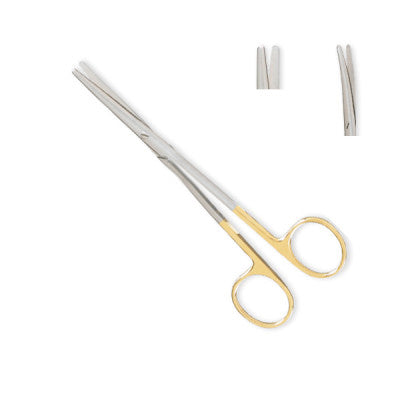
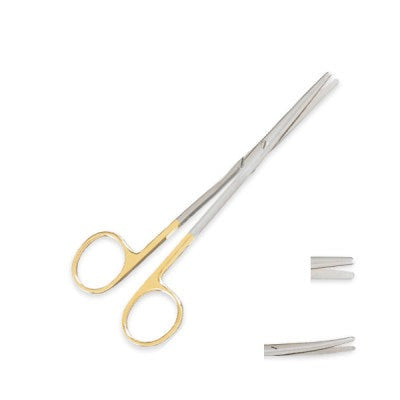
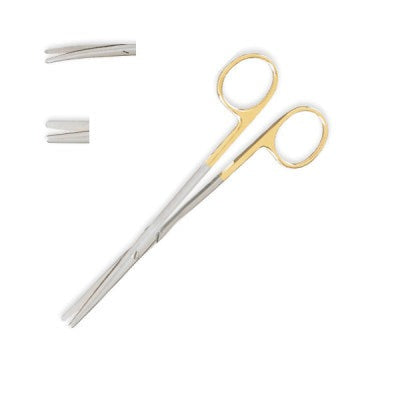
Mastering the art of fine-scale surgery. Our Strabismus Scissors are high-precision surgical instruments specifically engineered for procedures where space is at a premium and accuracy is paramount. By combining a compact, short-bladed design with industrial-grade tungsten carbide (TC) inserts, these scissors provide the ultimate mechanical advantage for ophthalmic, microsurgical, and specialized veterinary procedures.
[Add to Cart – Professional Surgical Grade]
The Strabismus Scissors (TC) are an indispensable asset for any surgical kit focused on microsurgery. While standard operating scissors are too bulky for eye-related procedures, the Strabismus pattern is a "finesse" tool. Its unique proportions allow the surgeon to work around the curvature of the globe or within the small, crowded fields of veterinary ophthalmic cases with unparalleled visibility.
The integration of Tungsten Carbide (TC) technology is a critical necessity for maintaining surgical precision. In procedures such as strabismus correction or fine tendon recession, even the slightest dulling of a blade can result in iatrogenic trauma. TC inserts ensure that the blades maintain a perfect, consistent "stay-sharp" edge, providing the surgeon with the predictable performance needed for successful clinical outcomes.
Manufactured to meet the most exacting international standards, these scissors are fully autoclavable. Their combination of a balanced, lightweight design and industrial-strength cutting edges makes them a dependable, long-term investment for ophthalmologists, microsurgeons, and veterinary specialists.
Feature Details
Material Surgical Stainless Steel with TC Inserts
Blade Style Short / Fine Strabismus Pattern
Common Length 4.5" (11.5 cm)
Identification Gold-Plated Handles (TC Standard)
Maintenance Fully Autoclavable / Reusable
Primary Use Cases:
Q: Why are these called "Strabismus" scissors?
A: They are named after strabismus surgery, which involves correcting the alignment of the eyes by shortening or moving the eye muscles. Because this work is so delicate and involves very small muscles, the scissors were designed with short blades for maximum control.
Q: Can these be used to cut sutures?
A: To preserve the ultra-fine Tungsten Carbide edge, it is strongly recommended to use these exclusively for soft tissue. Cutting synthetic sutures can lead to microscopic wear that might affect their performance during delicate ophthalmic work.
Q: What is the difference between these and Iris scissors?
A: While both are small, Strabismus scissors typically have slightly blunter tips and thicker blades compared to Iris scissors, making them better for dissecting eye muscles without accidental piercing.
Q: How should I maintain the fine tips during sterilization?
A: Due to their delicate nature, these scissors should be sterilized in a dedicated tray or with protective tip guards to prevent them from clashing with heavier instruments.


