
Featured Collection
Your cart
Featured Collection

PEAK SURGICAL
SKU:MJ-4758
Couldn't load pickup availability
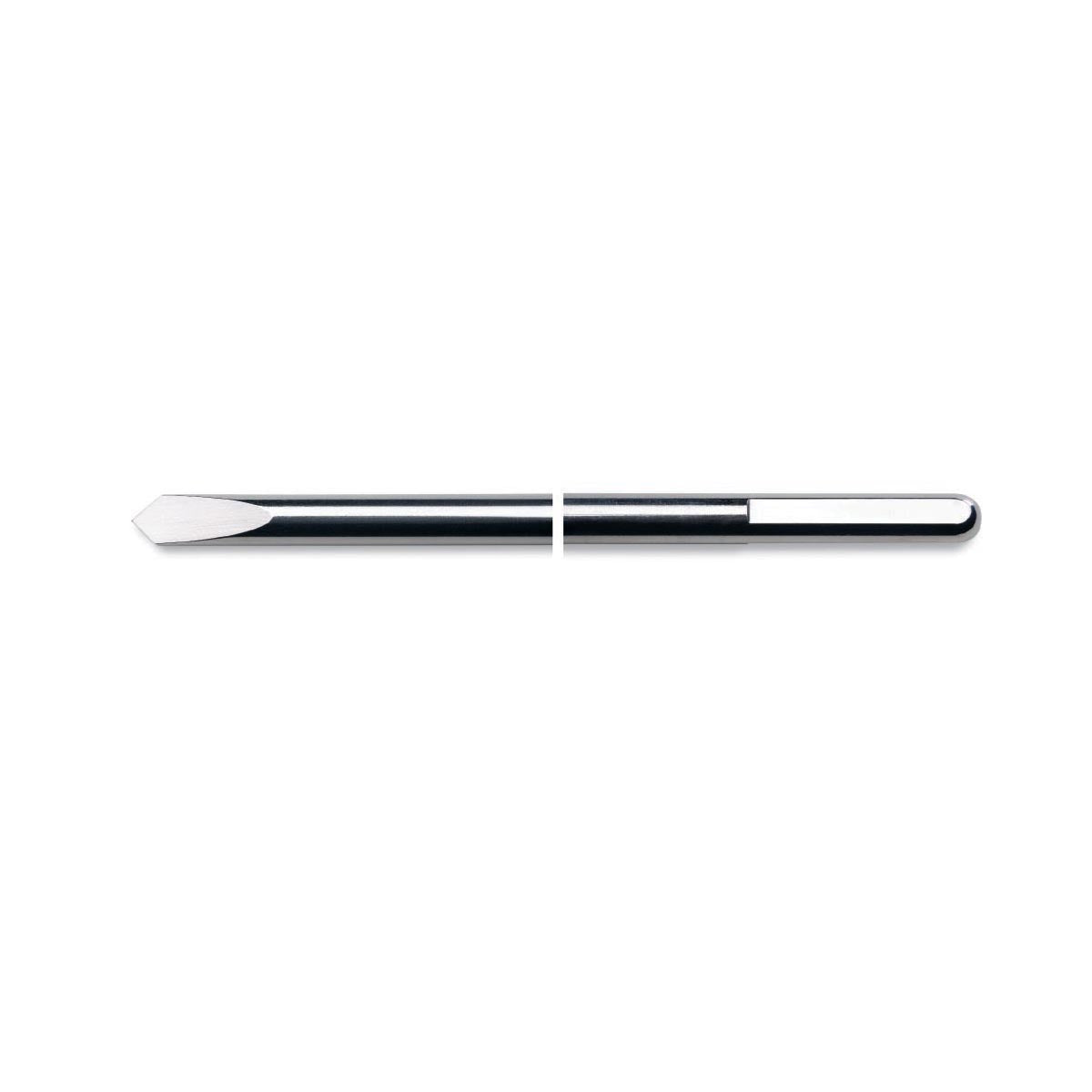
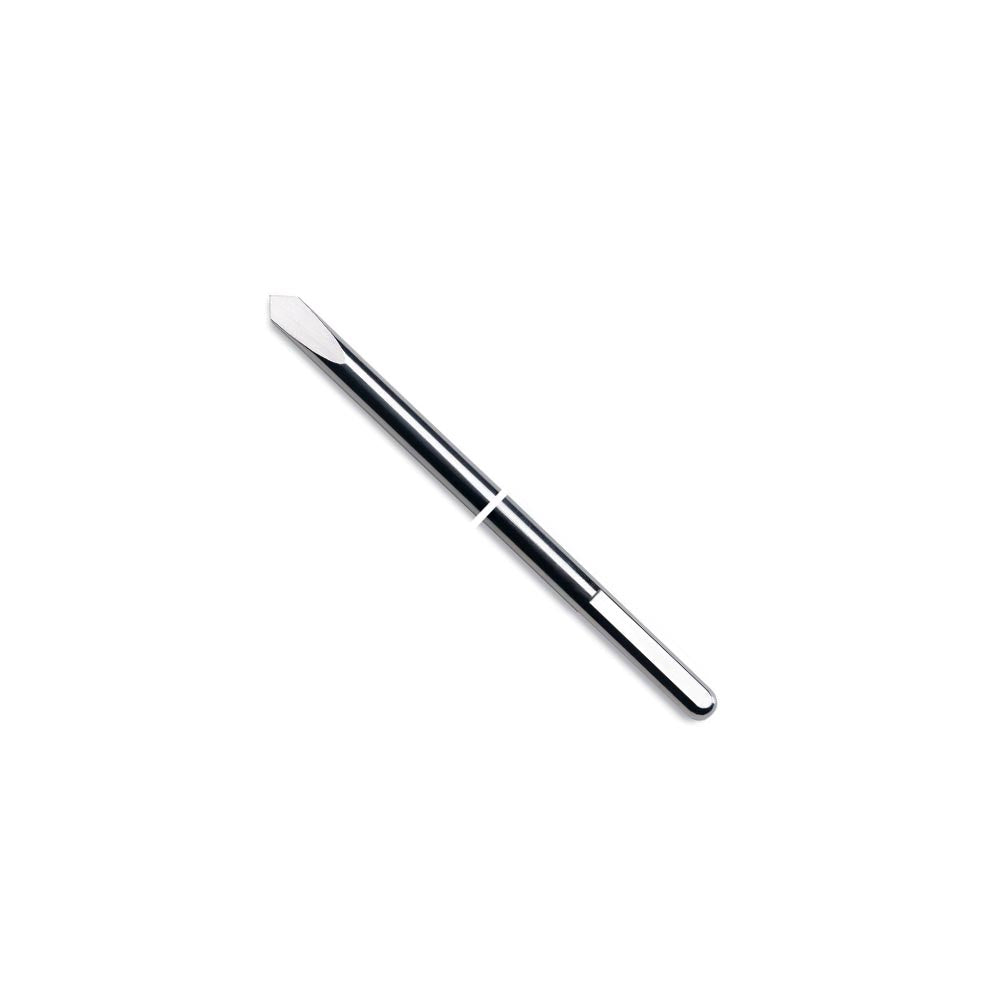
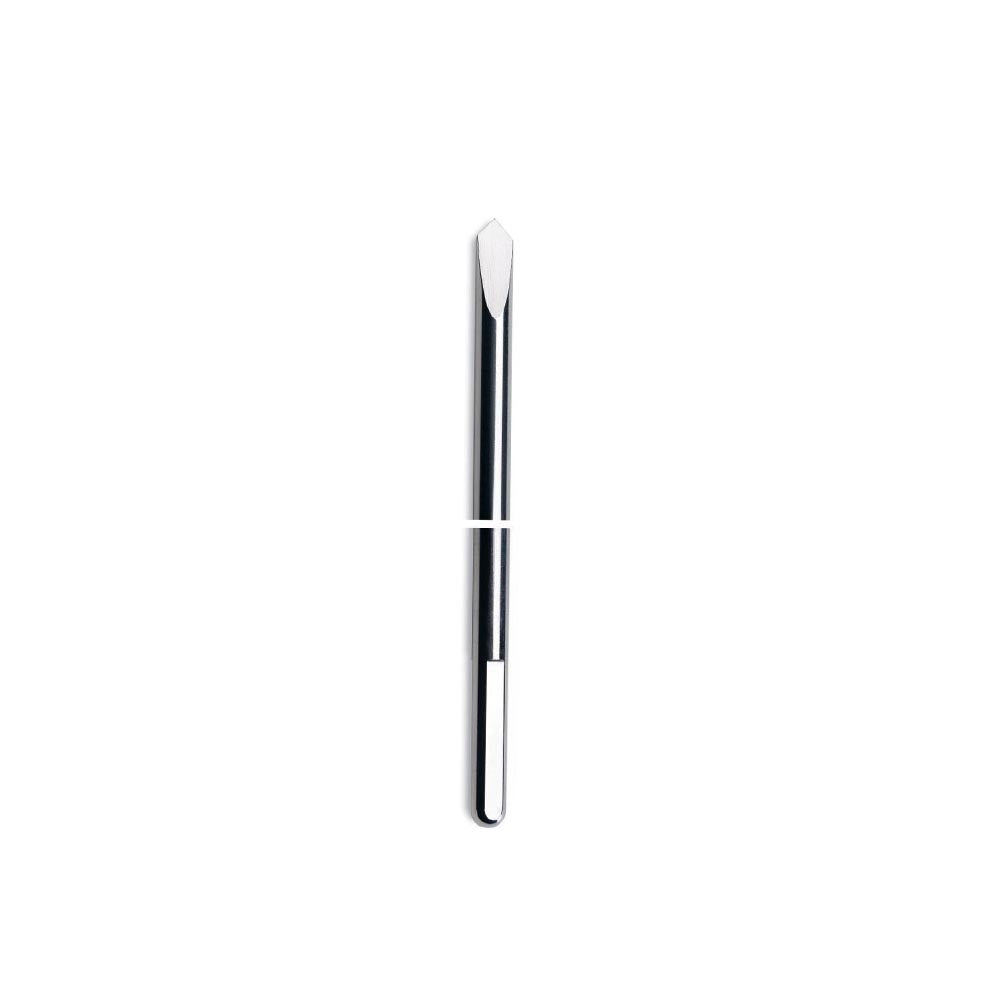
The professional orthopedic solution for high-load skeletal stabilization and fracture alignment. The Steinmann Pin is a high-tensile surgical implant engineered to solve the mechanical challenge of maintaining rigid fixation in large bones where standard wires lack the necessary structural diameter. Characterized by its thick cylindrical profile and precision-ground trochar or diamond tips, these pins act as a mechanical necessity for surgeons performing skeletal traction, temporary fracture reduction, or as a foundation for external fixation. Their design is specifically optimized to provide a "rigid-anchor" interface, ensuring that bone fragments are held with total axial stability and zero-flex reliability.
The Steinmann Pin represents the pinnacle of specialized orthopedic hardware and dependable skeletal management. In any professional environment—from emergency trauma bays to the orthopedic operating suite—the ability to establish a stable anchor point within the skeleton is a critical success factor in patient stabilization. These pins act as a high-durability mechanical extension of the surgical plan, offering a level of reliability and "tensile-authority" that smaller Kirschner wires cannot provide.
At its core, the instrument is built for professional-grade performance and structural integrity. The "Steinmann" pattern is a global benchmark for orthopedic care because it prioritizes rigid stability. Because the pins are designed to withstand high axial loads, they allow for the application of significant traction forces, which is a mechanical necessity for overcoming muscle spasms and restoring anatomical alignment in femoral shaft fractures.
Built to exceed international standards for medical hardware, Steinmann Pins are intended for single-patient use in professional surgical setups. Their robust construction and specialized "High-Load" profile make them an indispensable asset for ensuring safe, organized, and high-precision results in all specialized orthopedic environments.
Feature Details
Tip Style Trochar or Diamond Point
Diameter Range $3.2\text{mm}$ to $5.0\text{mm}$ (Typical)
Shaft Profile Smooth Cylindrical
Material Core 316L Medical-Grade Stainless Steel
Application Skeletal Traction / Fixation
Standard CE/ISO Professional Grade
Primary Use Cases:
Q: What is the difference between a Steinmann Pin and a Kirschner (K) Wire?
A: Diameter is the primary mechanical necessity. K-wires are typically thinner (under $2.5\text{mm}$) for small bones, whereas Steinmann pins are thicker ($3.2\text{mm}$ and above) for large bone loads and traction.
Q: Can Steinmann Pins be used with a hand drill?
A: Yes. The shank is a mechanical necessity designed to fit both manual T-handle drivers and high-speed orthopedic power drills.
Q: Are these pins threaded or smooth?
A: This specific model features a smooth shaft, which is a mechanical necessity for traction where periodic adjustment or easy removal is anticipated. For permanent fixation where pull-out resistance is required, threaded versions are typically selected.
Q: How do you choose between a trocar and a Diamond tip?
A: A Trochar tip is a mechanical necessity for aggressive bone cutting, while a Diamond tip is often preferred for more precise, less disruptive entry. Both are designed to minimize torque requirements.
Q: Is it safe to leave a Steinmann Pin in for several weeks?
A: Yes, when used for skeletal traction. It is a professional standard to maintain proper pin-site care to prevent infection, as the pin creates a percutaneous tract to the bone.
