
Featured Collection
Your cart
Featured Collection

PEAK SURGICAL
SKU:PS-Or_006
Couldn't load pickup availability
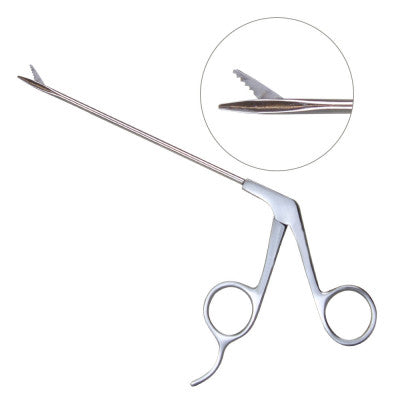
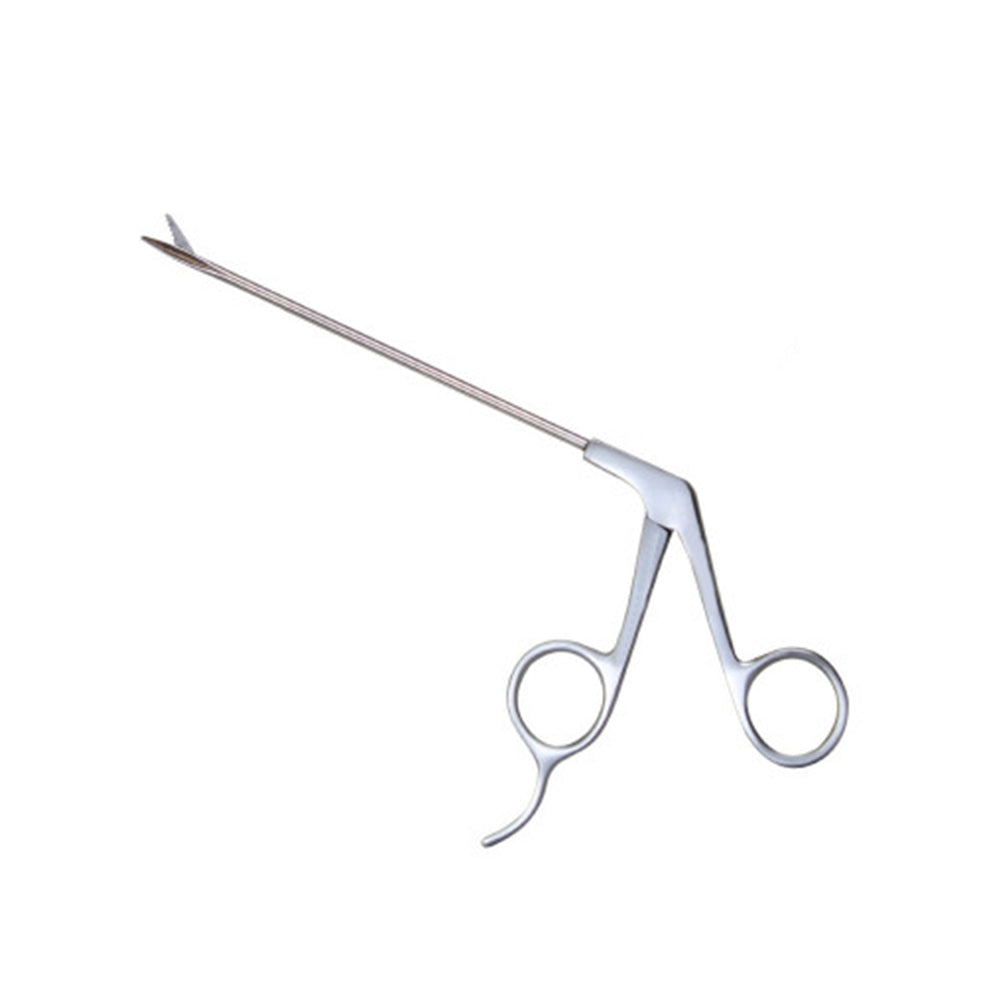
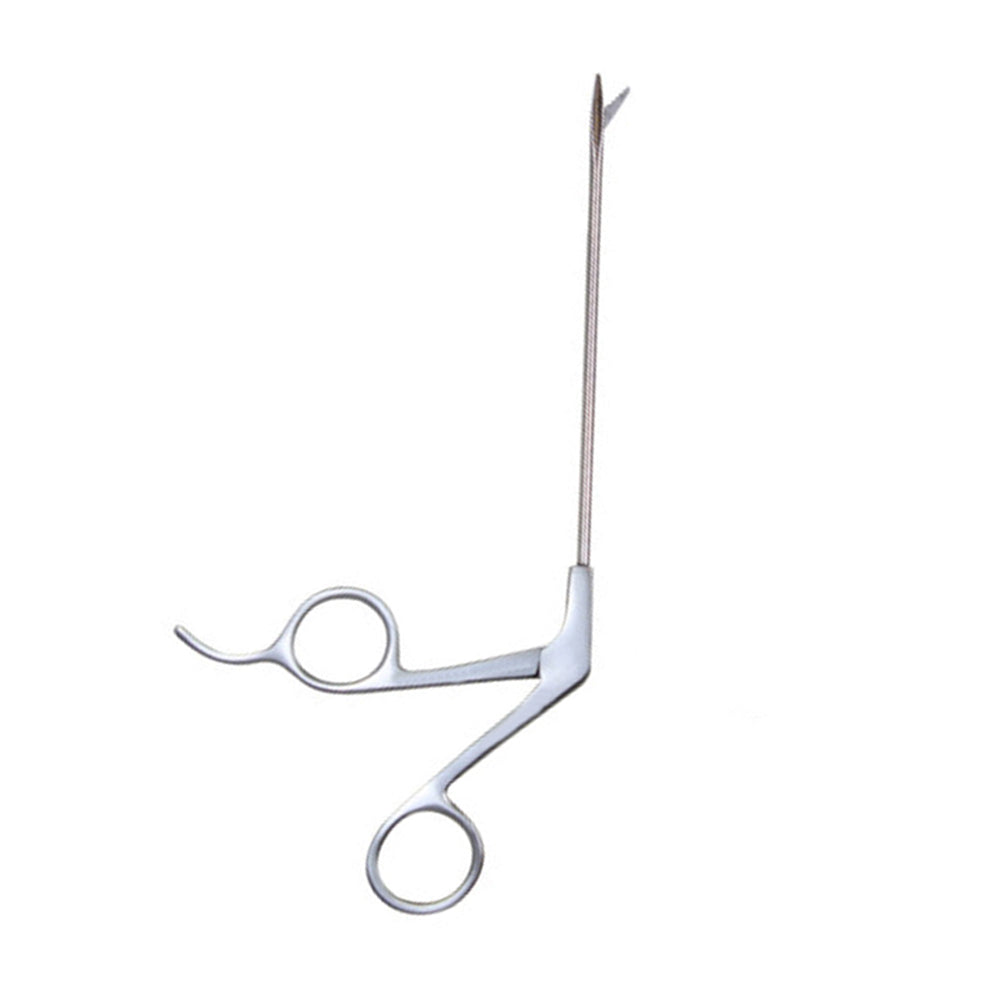
The Scissor Serrated Tooth Straight Tip 3.4mm Straight Shaft is a reusable orthopedic arthroscopy instrument designed for controlled cutting and trimming of soft tissue within confined joint spaces. The instrument combines a 3.4 mm straight shaft with a serrated tooth cutting tip and straight blade configuration, providing a clearly defined option for surgeons and procurement teams sourcing instruments for arthroscopic procedures.
The current product information associates this scissor with meniscal trimming, synovial tissue resection, soft-tissue and ligament debridement, and cartilage contouring. Its narrow straight-shaft configuration is intended for minimally invasive orthopedic procedures where instruments are introduced through arthroscopic access portals.
The instrument features a 3.4 mm straight shaft. The narrow shaft profile is designed for arthroscopic use, allowing the working end to reach tissue within a restricted operative field while the surgeon controls the instrument externally.
A straight shaft provides a direct working orientation and can be useful when the intended cutting site can be approached along a relatively linear path. The current product page does not specify the overall shaft length or exact compatible cannula diameter, so those measurements should be confirmed when required for an existing arthroscopy system.
The working end incorporates a serrated tooth tip. The serrated surface is designed to engage tissue before and during cutting, providing a different working profile from a completely smooth-edged arthroscopy scissor.
The blades are listed in a straight configuration. This combination of a straight blade profile and serrated cutting surface is intended for controlled tissue cutting during arthroscopic procedures. Final instrument selection should depend on the tissue being treated, access angle, surgeon preference, and procedure being performed.
The live product information lists several arthroscopic applications for this instrument, including meniscal trimming, synovial tissue resection, soft-tissue and ligament debridement, and cartilage contouring. These applications make the scissor relevant to orthopedic instrument sets used for minimally invasive joint procedures.
Arthroscopy instruments may be used in different joints depending on the procedure and surgical technique. The Scissor Serrated Tooth Straight Tip should therefore be selected and positioned according to the operating surgeon's requirements rather than treated as a universal cutting instrument for every arthroscopic procedure.
The current product description identifies the instrument as manufactured from stainless steel. This provides the rigid construction required for a reusable manual cutting instrument while supporting routine surgical instrument reprocessing.
The exact stainless-steel grade is not stated on the current page, so no specific alloy designation is claimed. Buyers requiring a defined material grade or material certification should confirm that specification before ordering.
The Scissor Serrated Tooth Straight Tip is listed as a reusable arthroscopic instrument and is stated to be compatible with standard autoclave sterilization techniques. The instrument should be thoroughly cleaned, inspected, and sterilized according to the healthcare facility's validated reprocessing procedures and applicable manufacturer instructions.
Particular attention should be given to the serrated working area and cutting surfaces during cleaning and inspection. The blades should also be checked for alignment, visible damage, wear, or other changes that could affect function before the instrument is returned to service.
| Product Name | Scissor Serrated Tooth Straight Tip |
|---|---|
| SKU | PS-Or_006 |
| Instrument Type | Arthroscopy Scissor |
| Shaft Diameter | 3.4 mm |
| Shaft Configuration | Straight |
| Tip Design | Serrated Tooth, Straight Tip |
| Blade Configuration | Straight |
| Material | Stainless Steel |
| Specialty | Orthopedic Arthroscopy |
| Listed Applications | Meniscal Trimming, Synovial Tissue Resection, Soft-Tissue/Ligament Debridement and Cartilage Contouring |
| Reusable | Yes |
| Sterilization | Autoclave Compatible |
This 3.4 mm arthroscopy scissor is suitable for orthopedic hospitals, arthroscopy centers, sports-medicine departments, surgical facilities, medical distributors, and procurement teams sourcing reusable joint-surgery instruments. SKU PS-Or_006 provides a specific reference for ordering and inventory identification.
Before purchasing, buyers should confirm the required shaft diameter, tip configuration, overall instrument dimensions, and compatibility with their existing arthroscopy access system. The current product page does not provide the overall instrument length or a specific compatible cannula diameter.
What is the Scissor Serrated Tooth Straight Tip used for?
The product is designed for arthroscopic soft-tissue cutting and is listed for applications including meniscal trimming, synovial tissue resection, debridement, and cartilage contouring.
What is the shaft diameter?
The listed straight shaft diameter is 3.4 mm.
Does the scissor have a serrated tip?
Yes. The working end is identified as a serrated tooth straight tip.
What material is the instrument made from?
The current product information identifies stainless-steel construction.
Is the arthroscopy scissor reusable?
Yes. The product description identifies it as a reusable arthroscopic instrument.
Can the instrument be autoclaved?
Yes. The live product information states that it is compatible with standard autoclave sterilization techniques.


