
Featured Collection
Your cart
Featured Collection

PEAK SURGICAL
SKU:
Couldn't load pickup availability
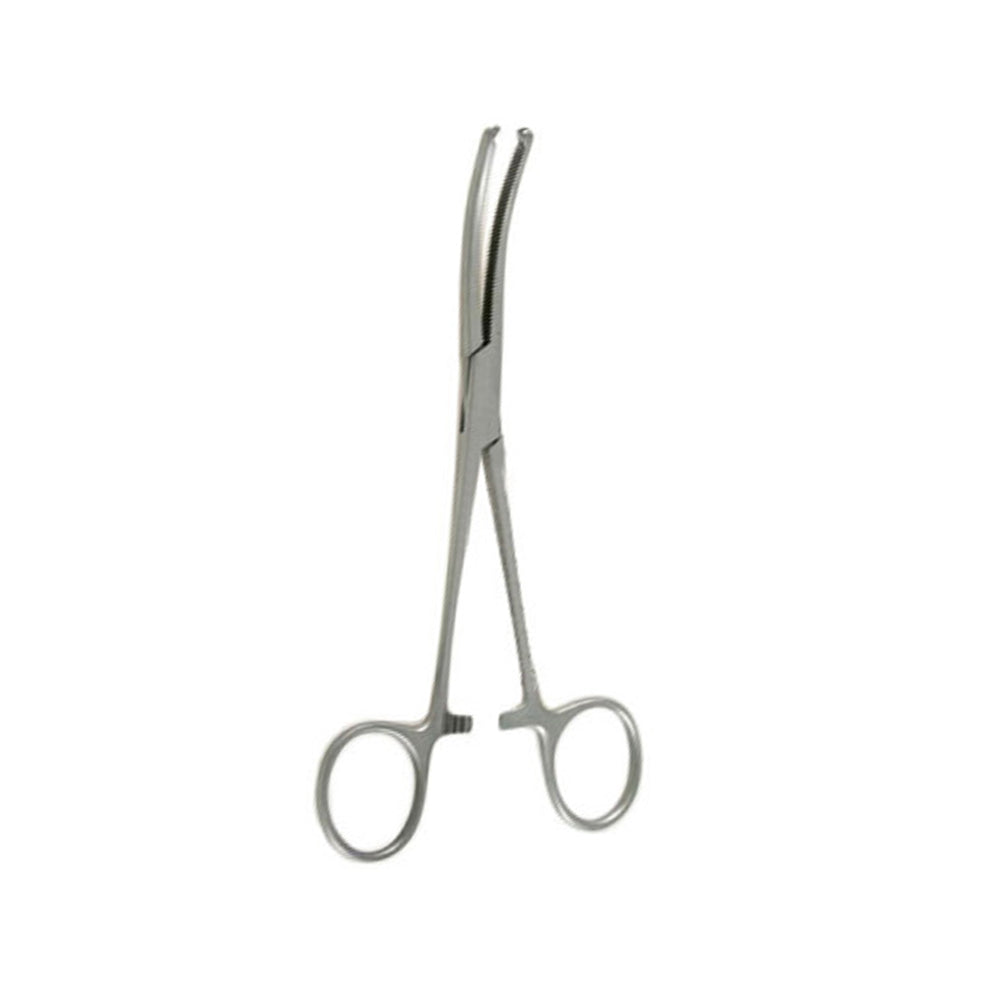
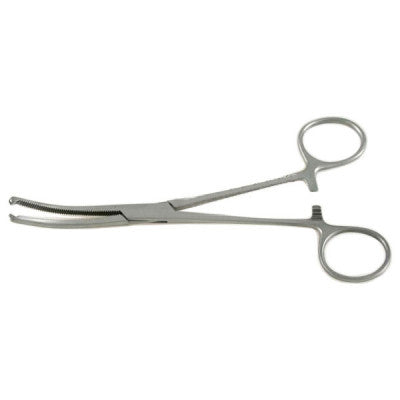
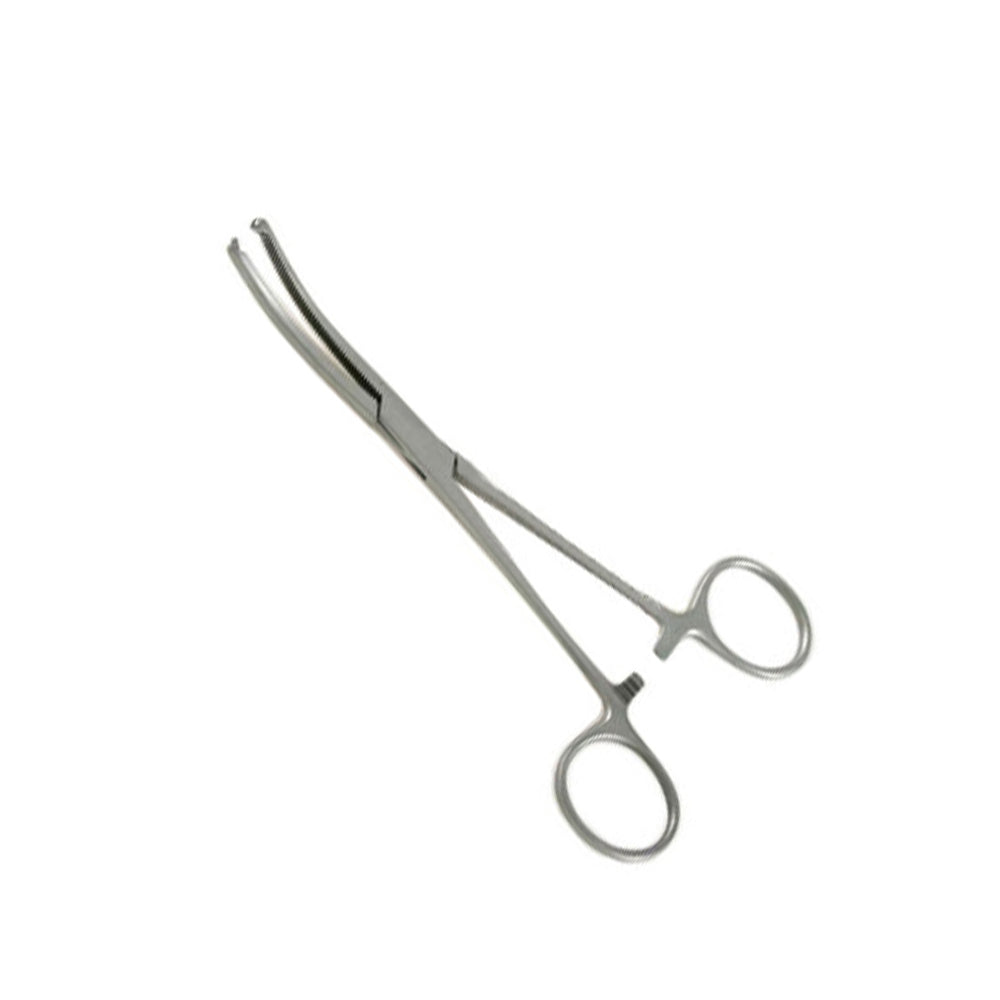
The professional clinical solution for high-torque vascular occlusion and secure management of dense anatomical structures. The Rochester Ochsner Forceps Curved (also known as Ochsner-Kocher forceps) are heavy-duty hemostatic instruments engineered to solve the problem of grasping slippery or "heavy" tissues in deep surgical cavities. Characterized by their robust curved jaws, longitudinal serrations, and 1x2 interlocking distal teeth, these forceps act as a mechanical necessity for surgeons who require an aggressive, non-slip grip. Its design is specifically optimized to provide maximum leverage and stability, ensuring that dense tissues are managed with mathematical accuracy during orthopedic, abdominal, and general surgical procedures.
The Rochester Ochsner Forceps Curved represent the pinnacle of robust surgical ergonomics and dependable tissue stabilization. In any professional environment—from abdominal trauma units to orthopedic surgical theaters—the ability to definitively secure "heavy" tissue while maintaining a clear line of sight is a critical success factor. These forceps act as a high-durability mechanical extension of the surgical team’s strength, offering a level of reliability and "locking-security" that is essential for complex operative environments.
At its core, the instrument is built for professional-grade longevity. The "Ochsner" pattern is universally favored for procedures involving tissues that are difficult to manage, such as the rectus sheath, uterine ligaments, or large animal muscle groups. The combination of the serrated jaws and the "tooth" at the tip ensures that once the clamp is engaged, it will not slide off, even on bloody or slippery surfaces.
Built to exceed international standards for medical hardware, Rochester Ochsner Forceps are fully reusable and intended for high-frequency professional use. Their robust construction and specialized "Aggressive-Grip" profile make them an indispensable asset for ensuring safe, organized, and high-precision results in comprehensive patient care.
Rochester Ochsner Forceps Curved
Rochester Ochsner Forceps Curved a heavy instrument designed to aggressively grasp medium to heavy
| Product Name | Rochester Ochsner Forceps Curved |
| Properties | Veterinary Surgical Instruments |
| Model Number | PS-VS-0057 |
| Type | Veterinary Surgical Instruments |
| Brand Name | Peak Surgicals |
| Instrument classification | Class I |
| Warranty | 1 YEAR |
| After-sale Service | Return and Replacement |
| Material | Medical Stainless Steel |
| Feature | Reusable |
| Certificate | CE, ISO-13485, FDA |
| Usage | Operating Room, etc |
| OEM | Available |
| Finish | Satin. Dull. MIRROR |
| Quality | Reusable |
| Packing | Carton Box, Others |
| Rust Free | Yes |
| MOQ | 1 Piece |
Feature Details
Tip Pattern 1x2 Interlocking Teeth (Mouse-Tooth)
Jaw Pattern Curved / Fully Serrated
Closure Type High-Torque Ratchet Lock
Joint Type Reinforced Box Joint
Material Core Premium Surgical-Grade Stainless Steel
Maintenance Fully Autoclavable / Reusable
Primary Use Cases:
Q: What is the main difference between an Ochsner and a Kocher forceps?
A: In most modern surgical catalogs, the terms are used interchangeably. Both refer to a heavy-duty hemostat with 1x2 teeth at the tip for aggressive grasping.
Q: Can these be used on delicate bowel or vessels?
A: No. These are "traumatic" forceps. The sharp 1x2 teeth will puncture tissue. They should only be used on structures that are being excised or on tough, non-fragile tissues like fascia and skin.
Q: Why use the curved version over the straight version?
A: The curved version is superior for procedures in deep cavities where the surgeon needs to reach around an organ or anatomical landmark to secure tissue at an angle.
Q: Are these suitable for grasping surgical needles?
A: No. Grasping hard metal needles with these forceps will damage the serrations and may misalign the 1x2 teeth. Always use a dedicated needle holder for suturing.
Q: How should the teeth be inspected?
A: During the cleaning process, ensure the 1x2 teeth are sharp and meet perfectly. If the "mouse tooth" becomes bent or dull, the instrument's safety is compromised, and it should be replaced.
