
Featured Collection
Your cart
Featured Collection

PEAK SURGICAL
SKU:SS-7852
Couldn't load pickup availability
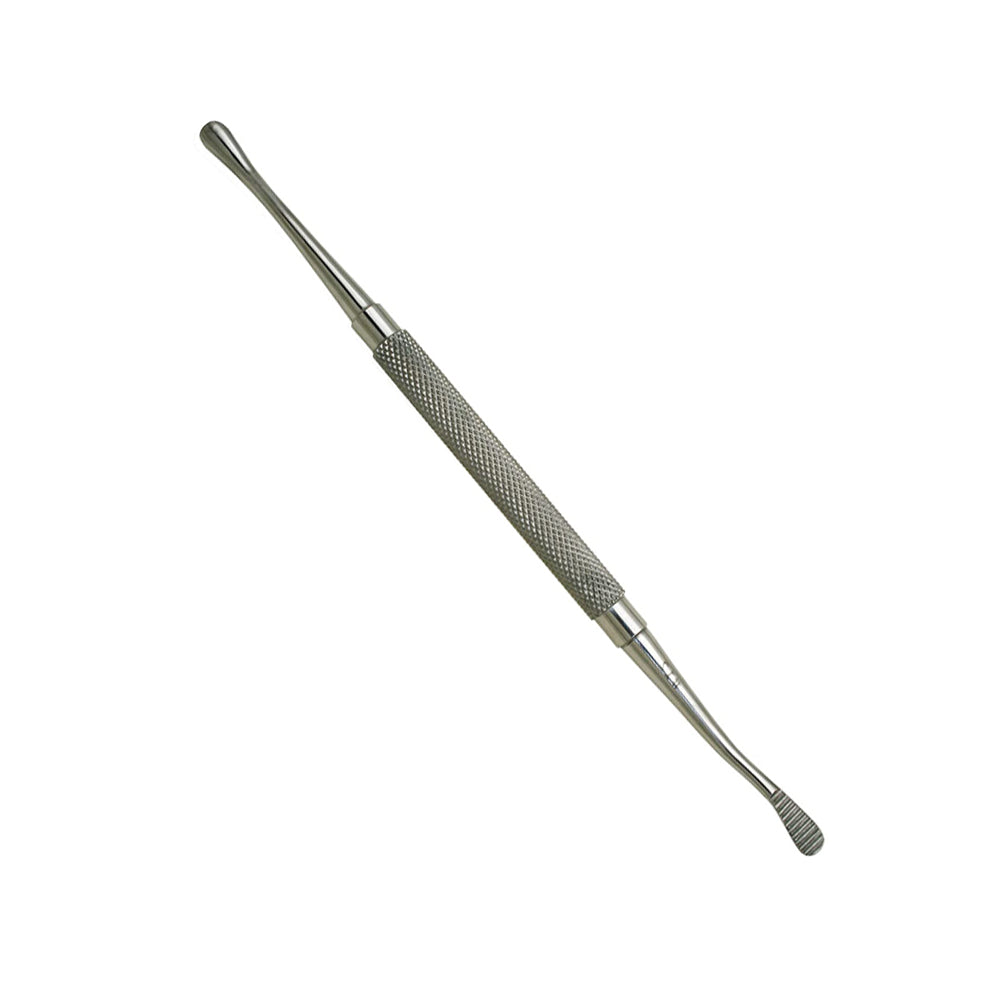
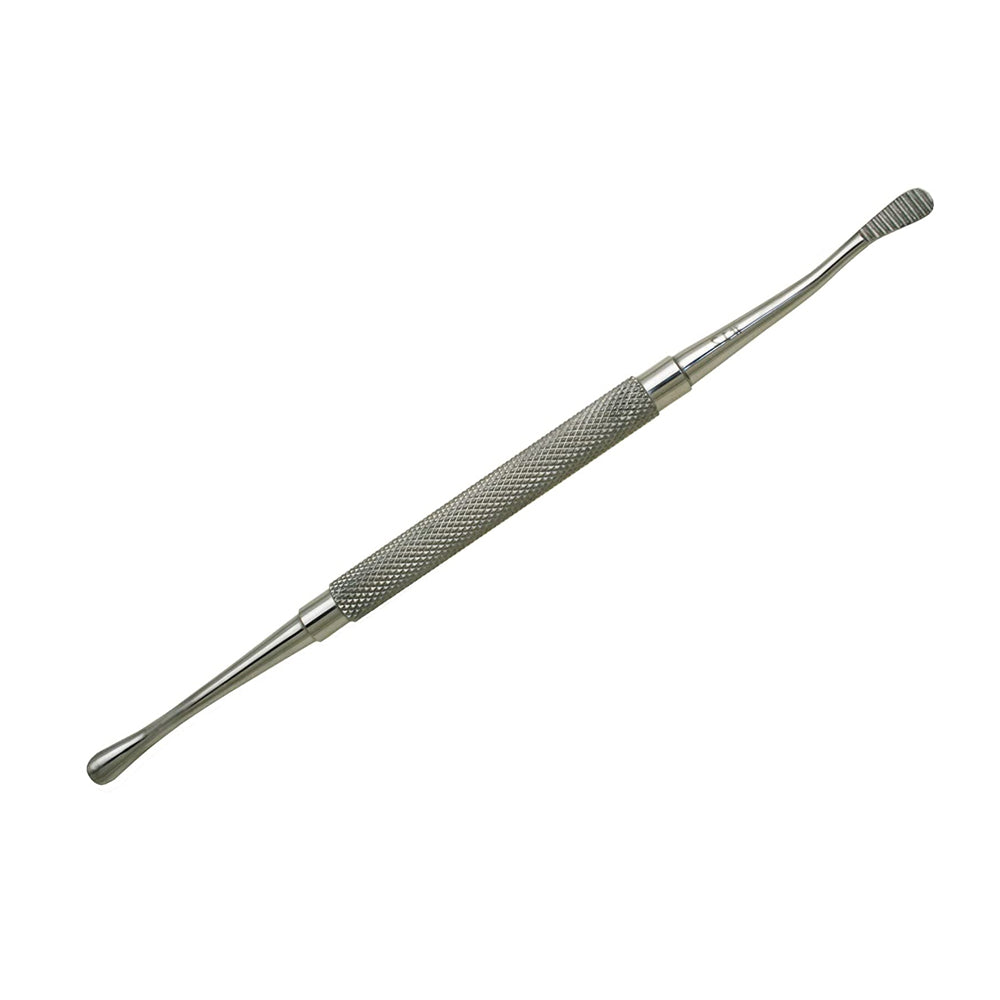
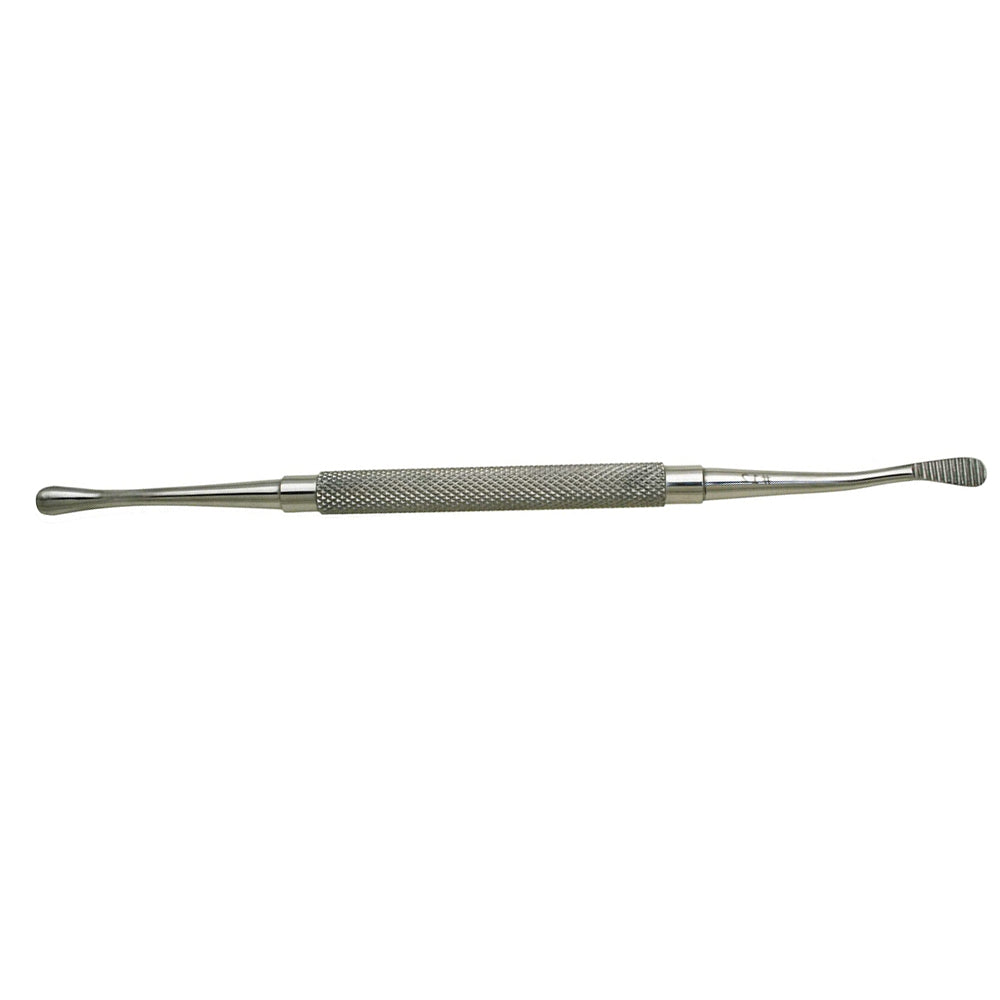
The definitive orthopedic instrument for high-precision smoothing, leveling, and finishing of cortical bone surfaces. The Polokoff Bone File (7 1/4”) is a specialized, dual-working-end orthopedic rasp engineered to solve the critical clinical requirement of creating perfectly smooth, trauma-free bone surfaces after osteotomies or fracture reductions. Featuring dual-ended cross-cutting surfaces and a high-friction knurled handle, this tool is a mechanical necessity for surgical teams preparing bone edges for plating, smoothing rough bone grafts, or removing jagged edges that could irritate surrounding soft tissue. Its precision-engineered 18.4cm (7 1/4”) chassis allows surgeons to apply controlled, light-pressure filing in tight surgical fields where heavier, power-driven rasping is too aggressive or risky.
The Polokoff Bone File (7 1/4” Double-Ended) represents the gold standard for tactile bone preparation and refinement in orthopedic trauma and reconstruction. After a bone is cut during an osteotomy or after a fracture is reduced, the resulting surface is often jagged, sharp, or irregular. If left untreated, these rough edges can create pressure points that lead to hardware failure or chronic soft-tissue irritation. This file acts as a surgical plane, allowing the surgeon to gently and predictably shave away high spots until the bone is perfectly uniform. The dual-ended design is a mechanical necessity that provides the flexibility needed to smooth both concave and convex surfaces without switching instruments.
At its core, the tool is engineered for structural safety and maximal clinical maneuverability. The knurled handle ensures the surgeon maintains a secure, grounded grip, providing immediate tactile feedback to sense exactly how much bone is being removed. By eliminating the high-vibration, “noisy” experience of power-driven surgical drills and burrs, this file helps create a focused, low-stress environment for the surgical team while ensuring the bone surface is perfectly prepared for flush-fitting plates, screws, or grafts.
Built to exceed international quality standards for medical hardware, this bone file is fully reusable and easy to maintain. Its resilient unibody construction, weld-free frame, and high-performance rasping surfaces make it an indispensable asset for ensuring safe, predictable, and high-precision results in all orthopedic trauma, maxillofacial, and reconstructive surgery sets.
Feature Details
Instrument Style Polokoff Pattern Double-Ended Bone Rasp
Overall Length 18.4cm (7 1/4 inches)
Working Ends Double-Ended Precision Rasping Surfaces
Handle Geometry Full-Length High-Traction Cross-Knurling
Surface Treatment Non-Reflective Glare-Reducing Aura-Satin
Material Base Premium Bio-Inert Surgical Stainless Steel
Reprocessing Limits Fully Autoclavable / High-Vacuum Steam-Safe
Certifications CE, ISO, Professional Surgical Grade
Primary Clinical Applications:
Q: Why use a manual bone file instead of a powered burr?
A: Powered burrs are fast, but they are often too aggressive for delicate bone edges and generate significant heat, which can lead to localized bone necrosis. The Polokoff Bone File provides a controlled, heat-free mechanical necessity for manual refinement, ensuring maximal bone viability and precise edge finishing.
Q: Can this file be used to smooth very hard titanium implants?
A: No. This file is engineered specifically for shaping and smoothing cortical bone. Attempting to file hard-metal surgical implants will rapidly dull or fracture the fine teeth of the rasp.
Q: How do you prevent bone chips and dust from clogging the file teeth?
A: Regular, brief scrubbing with a dedicated surgical-grade nylon or brass brush throughout the procedure is a mechanical necessity for keeping the filing surfaces clean and effective.
Q: What is the best way to clean the deep knurling on the handle after surgery?
A: The cross-knurled pattern can harbor debris. A mechanical necessity for effective reprocessing is an initial ultrasonic cleaner bath, which reaches into the knurling grooves to dislodge all biological residue before the standard steam autoclave cycle.
Q: What is the approved sterilization protocol for this double-ended file?
A: The premium surgical steel construction is a mechanical necessity built for rigorous hospital reuse. It is fully rated to undergo standard high-vacuum steam autoclave cycles at 134°C (273°F) with no risk of structural degradation or surface corrosion.
