
Featured Collection
Your cart
Featured Collection

PEAK SURGICALS
SKU:
Couldn't load pickup availability
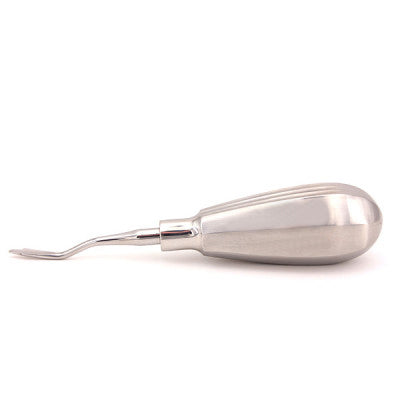
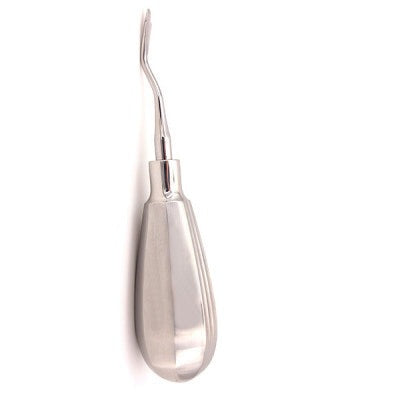
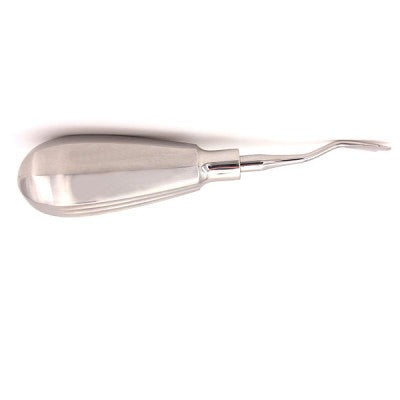
Introduction to Offset Luxating Elevators
In both veterinary and dental procedures, precise instruments are crucial for executing efficient and safe extractions of teeth. One of these instruments includes the offset elevator that luxates (T form). It is designed to improve the control of and access to this device, which is used extensively for procedures that require the careful treatment of sensitive tissues. The unique structure of the instrument allows surgeons to function efficiently and minimize injuries to soft tissue and bone.
Design and Structural Features
The elevator with an offset luxating (T form) can be distinguished by its ergonomic T-shaped hand along with its offset blade. Its handle was designed so as to give an even, solid grip, allowing the user to apply force easily and control it. The T-shaped design helps improve hand positioning, reducing fatigue over long procedures and ensuring stability.
The offset blade is small, sharp, and tilted, making it more convenient to reach tight or difficult regions. This allows the device to be precisely inserted into the ligament of the periodontal area, which allows it to gently remove the tooth from the supporting structures. The offset alignment makes sure that the hand of the operator is kept clear of the workspace, which improves visibility and control throughout the process.
Clinical Applications and Uses
The primary purpose of the offset elevator is to cut the ligament of the periodontal to loosen the teeth before the extraction. This is crucial when the preservation of surrounding bone is crucial, like in implant preparation or more complex surgical extractions.
The handle is shaped like a T and provides great leverage, which allows for efficient force distribution without overpressure. This makes it ideal for both standard and sophisticated procedures at dental offices as well as vet settings. It is particularly useful for working in small places where traditional straight elevators might not provide adequate access.
Advantages in Practice
One of the major advantages of a tilt luxating lift (T form) is its capacity to allow minimally invasive procedures. The thin blade allows for the precise separation of ligaments, reducing the chance of causing tissue damage. This results in quicker healing and improved outcomes.
The ergonomic design also improves the comfort of the user. It allows the hand to be more naturally placed. The T-shaped handle decreases stress on the wrist and hands, which can be particularly useful during long or complicated processes. In addition, the offset blade increases visibility, allowing for more precise actions.
Conclusion
The offset elevating luxating elevator (T design) is an extremely efficient device that blends ergonomic design and surgical precision. Its unique design allows for greater control, better access and fewer injuries during the extraction. It can be used in human dental or veterinary practice. It is an integral part of the modern practice of dentistry and helps professionals obtain safe and efficient outcomes.
