Notched Elevator Backward (2mm to 3mm): Precision for Canine Dentistry
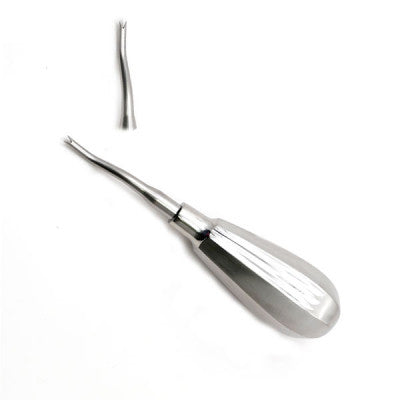
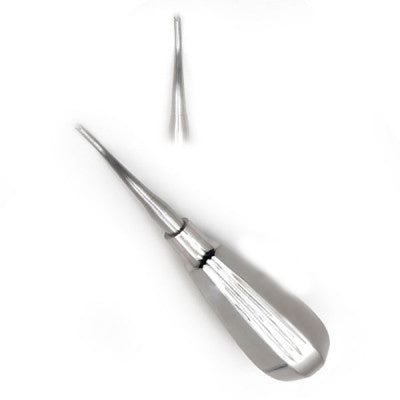
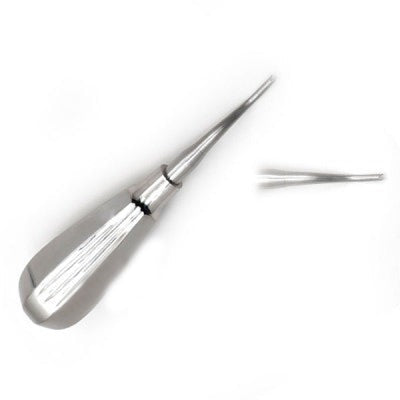
In the field of veterinary dentistry, specifically when dealing with canine patients, the aim of every extraction should be as minimally painful as it is. It is the notched elevator (Backward) is a special small animal dental instrument that is designed to handle the specific anatomy of the dog's teeth.
With a tip width that ranges from 2mm to 3 millimeters, the elevator can be perfectly sized for medium to small canines. It allows for an exact severing of the periodontal ligament, without causing harm to the alveolar bone.
The Engineering Behind the "Notched" Design
What differentiates this elevator from other dental equipment is the distinctive cut-out at the tip of the work.
-
Enhanced grip: The notch allows the instrument to "cradle" the curvature of the tooth root. This stops the elevator from sliding during the luxation phase, which is vital to avoid soft tissue trauma.
-
Dual-edge cutting: The notched edges offer multiple points of contact against the ligament of the periodontal that allow the doctor to exert pressure controlled efficiently.
-
Size: 2mm to 3mm. The narrow shape is specially designed for the confined interproximal spaces in the canine dentition, specifically close to the incisors and premolars.
Why the "Backward" Angle Matters
Its "Backward" (or retro-angled) direction of the shank is an important change for veterinary surgeons.
-
Superior Access. This angle allows the vet to access the posterior teeth and root surfaces at the distal end more quickly than an elevator that is straight.
-
Ergonomic Leverage offers a better mechanical advantage when working in the rear of the dog's mouth. It also reduces the strain on the hands of the dentist during lengthy dental suites.
-
Enhances Visibility. The angle guarantees that the hand of the surgeon and the instrument's handle won't hinder the view when performing work on the palatal or lingual aspects of the teeth.
Key Features at a Glance
-
Medical-Grade Stainless Steel High-carbon steel construction guarantees the tip stays sharp and durable to the force of high-torque that is required during extractions.
-
Ergonomic Handle Most often, they are made with the "Stubby" or "Palm" grips to give maximum touch feedback and to provide control.
-
Satin finish: Reduces the reflections of high-intensity surgical headlamps or the overhead lights for dental, which allows for the clearest view of the gingival sulcus.
Clinical Applications in Small Animal Practice
It is ideal for: Notched Elevator Backward works perfectly for:
-
Intense Canine Teeth. The periodontal ligament is broken down before the use of forceps.
-
Root Fragment Recovery: The pointed tip that is notched is great for lifting and catching small, broken tips of the root.
-
Atraumatic Extractions Lowering the risk of fractures in the alveolar bone, which can lead to quicker healing and a better outcome for patients.
Conclusion
Its Notched Elevator backward (2mm from 2mm to 3mm) is an indispensable resource for any veterinary clinic that focuses on top-quality dental treatment. Its unique backward angle and notch provide the rigor and accessibility needed to perform complex extractions without fear.