Featured Collection
Your cart
Featured Collection

PEAK SURGICAL
SKU:PS-DMM-003
Couldn't load pickup availability
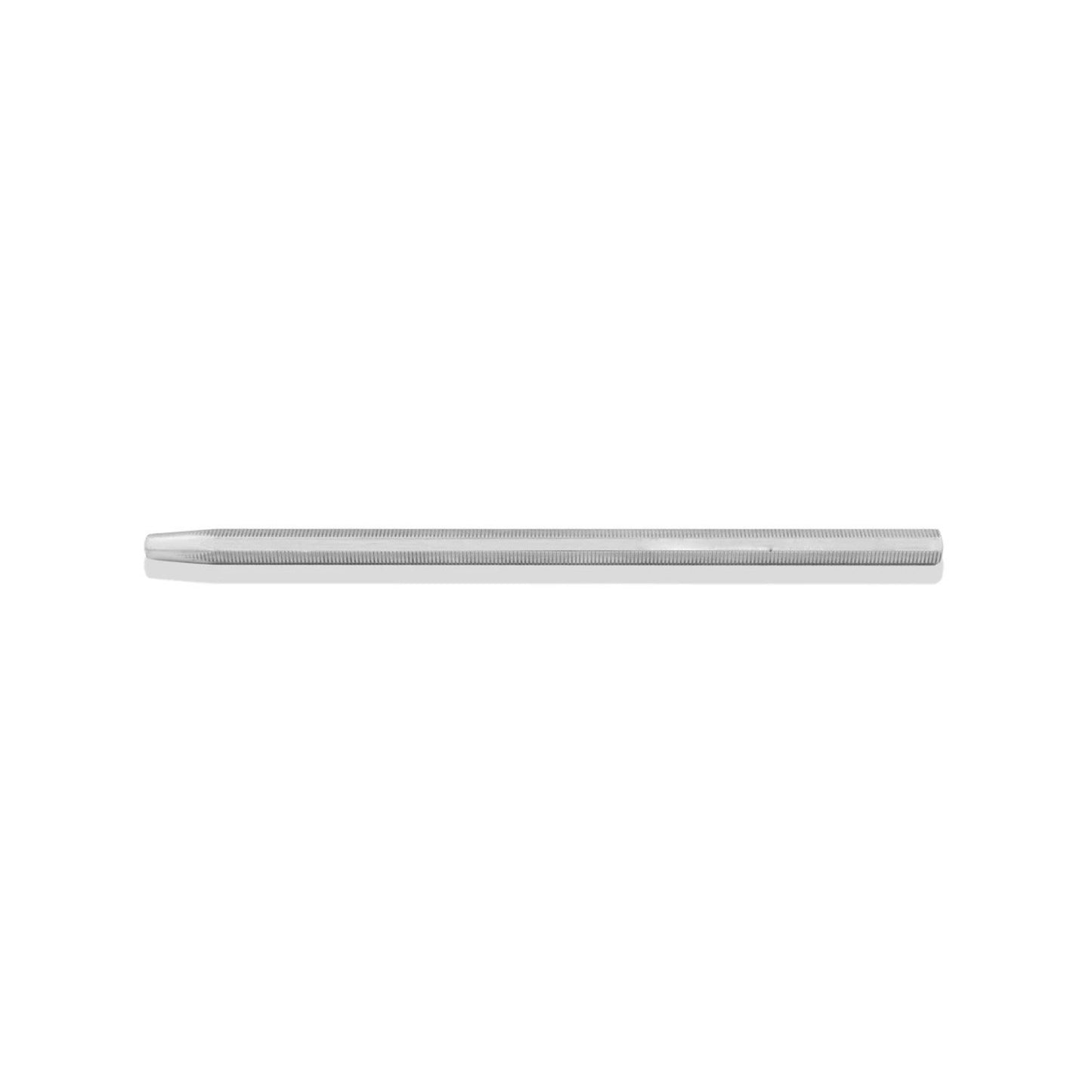
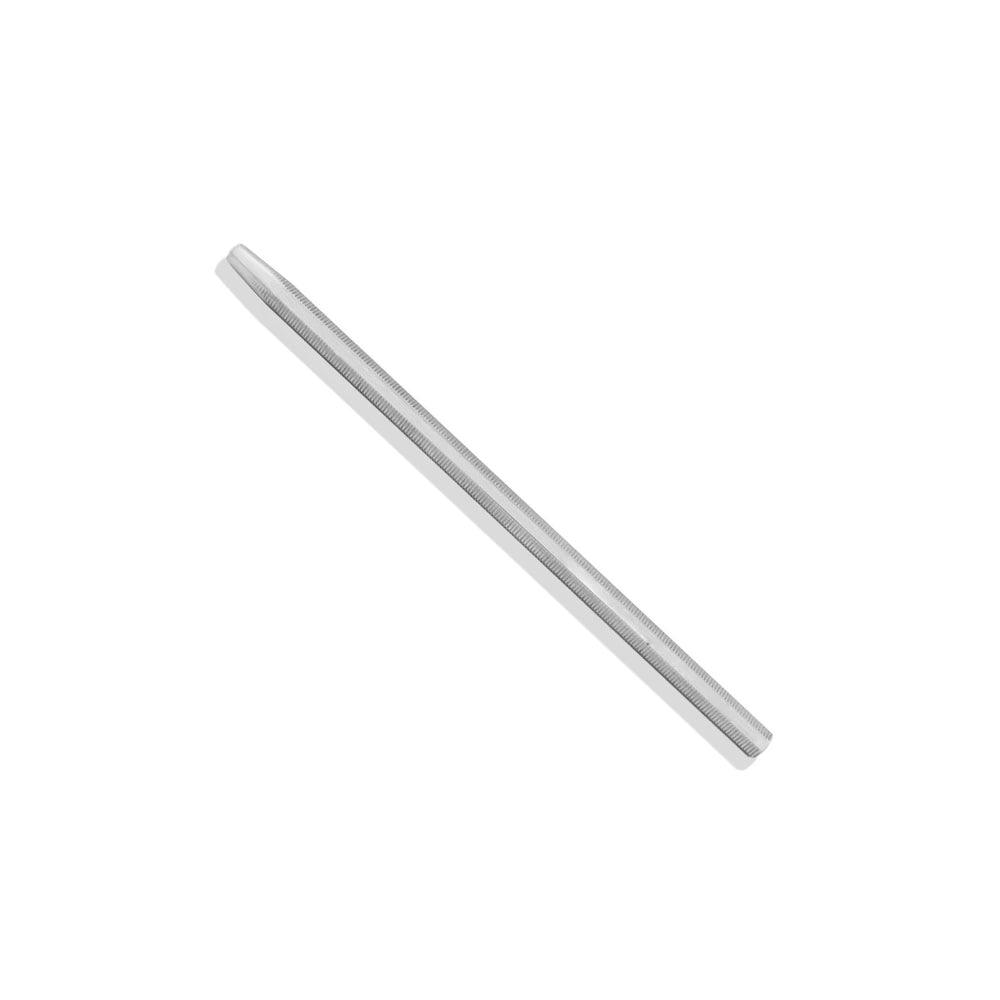
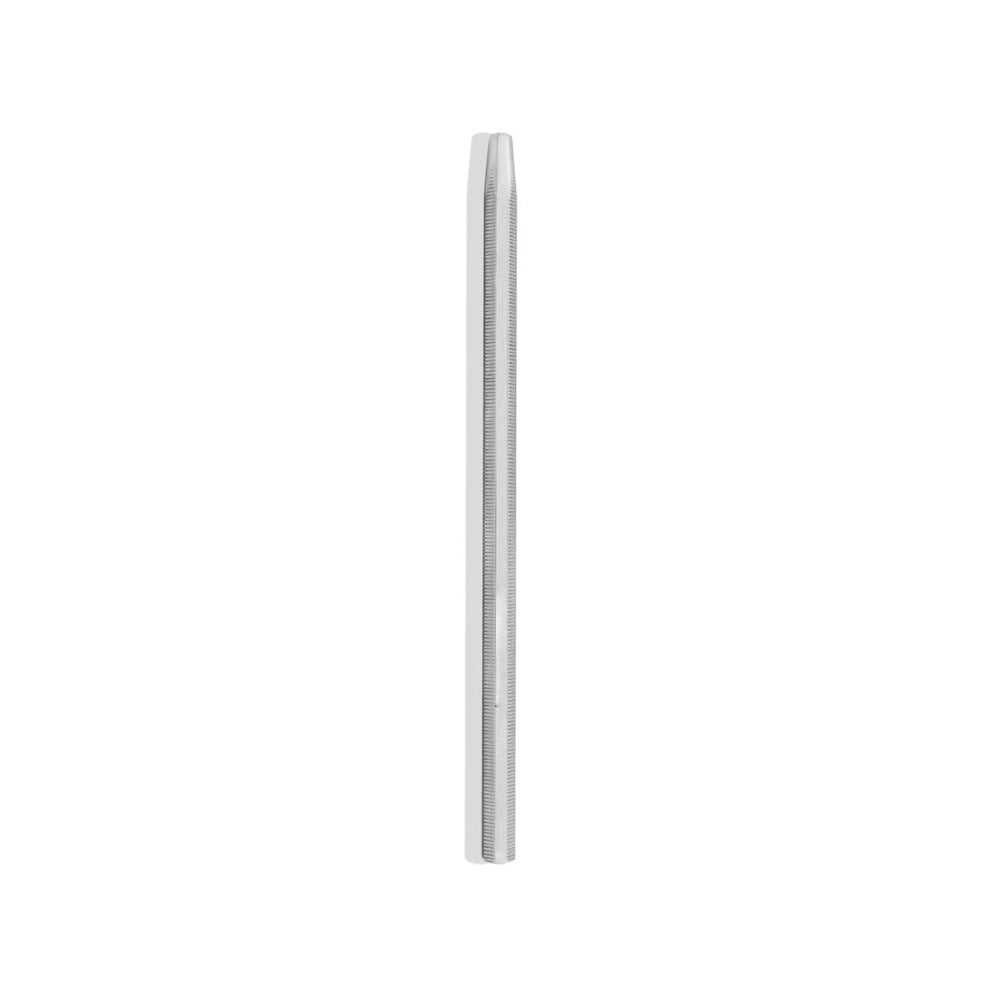
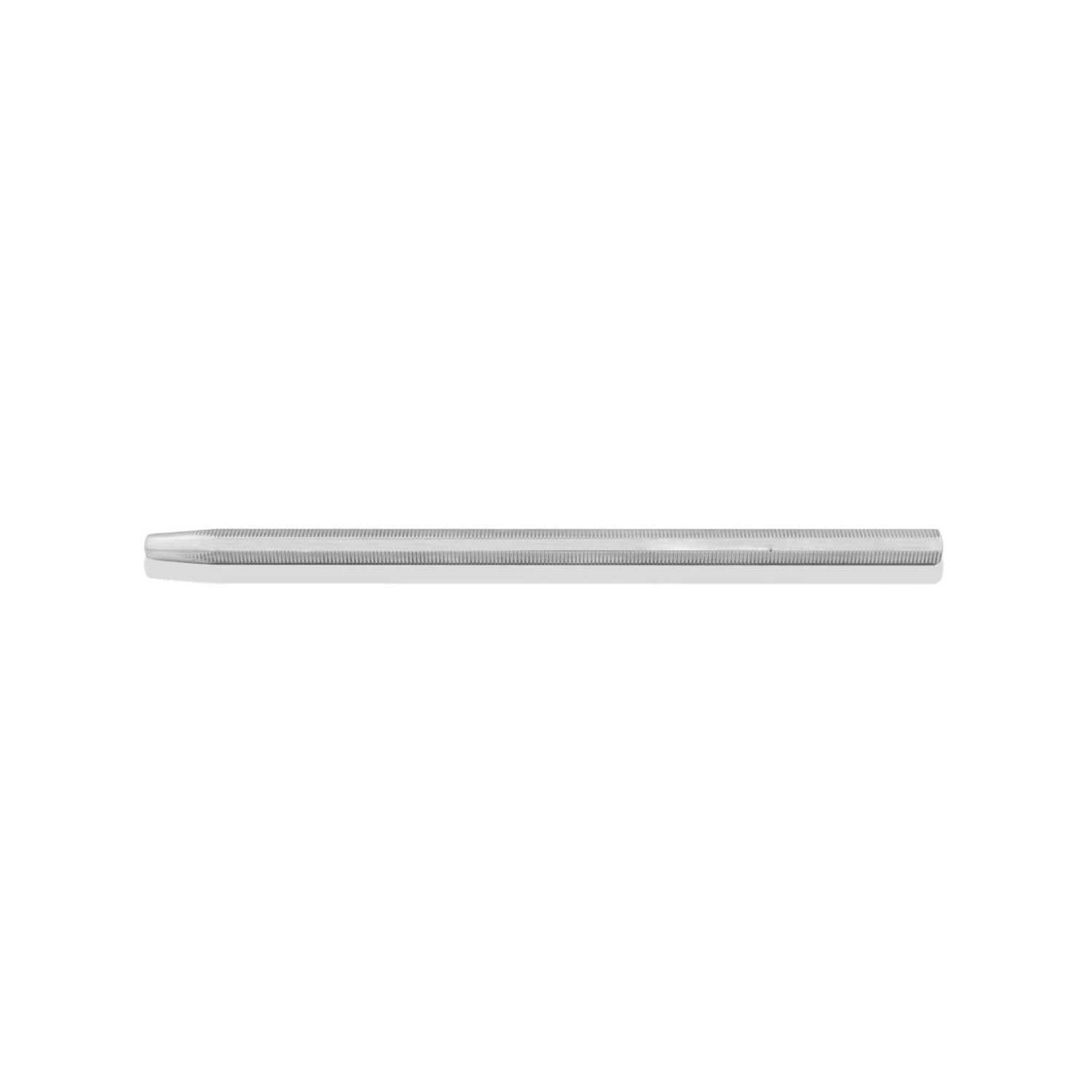
The Mirror Handle Simple Plain Stem (PS-DMM-003) is a reusable German stainless steel dental mouth mirror handle designed to accept a 24mm diameter screw-on mirror head for intraoral examination, operative dentistry, endodontic access, and orthodontic and periodontal assessment procedures. The simple plain stem design presents a straight, unmodified connecting stem between the handle barrel and the mirror head thread — the standard configuration for the majority of dental diagnostic trays worldwide, providing direct visual and tactile feedback without the complexity of swivel-joint or optical attachment systems. The handle barrel is precision-machined from German stainless steel and finished in satin, dull, or mirror surface profiles for corrosion resistance, slip-resistant grip under gloved conditions, and sterilization compatibility. The threaded stem accepts the standard 24mm dental mirror head — the most widely used intraoral mirror diameter in general dentistry, endodontics, orthodontics, and periodontics — allowing the mirror head to be replaced independently of the handle between patients or when the reflective surface degrades, without replacing the entire assembled instrument. Used by general dentists, endodontists, orthodontists, periodontists, dental hygienists, oral surgeons, dental students, and dental nurses in dental offices, specialist dental practices, dental schools, hospital dental units, and mobile dental clinics. Sold as 1 piece.
The "simple plain stem" designation specifies the configuration of the connecting stem between the handle body and the mirror head attachment point — a specification that matters clinically because dental mirror handles are manufactured in several stem designs that each produce a different working angle and access geometry inside the oral cavity. The simple plain stem is a straight, cylindrical extension of the handle axis that holds the mirror head at a fixed angle relative to the handle — typically in the same axis or at a fixed offset — with no articulating joint, no angled neck, and no optical or illumination component. This configuration is the universal standard in dental examination instruments because it provides maximum rigidity between the handle and the mirror head, transmitting tactile feedback directly from the mirror surface to the clinician's fingers, and because the fixed geometry is predictable across all intraoral positions and clinical applications. The straight stem allows the clinician to rotate the entire handle to change the mirror reflection angle rather than adjusting an articulating joint, which provides more precise positional control in confined intraoral spaces. In contrast, swivel-stem and contra-angle designs alter the mirror head angle to access specific intraoral zones — posterior lingual surfaces, distal molar surfaces, the palatal aspect — but sacrifice the direct tactile feedback and positional predictability of the plain stem. The plain stem handle is consequently the baseline instrument in every dental examination tray, dental student kit, and clinical diagnostic set, complemented by specialty-angle handles in specialist practices as required by the specific procedures performed.
The dental mouth mirror fulfils four distinct clinical functions simultaneously in every intraoral examination and operative procedure: indirect vision, direct illumination, tissue retraction, and transillumination. Indirect vision — using the mirror's reflective surface to visualise areas of the mouth that are not directly accessible to the clinician's line of sight — is the primary application, enabling examination of the lingual and palatal surfaces of all teeth, the distal surfaces of posterior teeth, the floor of the mouth, the soft palate, and the retromolar areas that direct forward vision cannot reach without extreme and uncomfortable patient head positioning. Direct illumination involves directing the overhead light beam from the dental unit lamp toward the mirror surface and reflecting it into shadowed intraoral areas — under the tongue, into the posterior sulcus, and onto the palatal surfaces of the upper arch — that the overhead lamp cannot illuminate directly. Tissue retraction uses the mirror's face and edge to gently displace the cheek, tongue, and lip away from the working field during operative procedures, providing the exposure needed for cavity preparation, scaling and root planing, composite placement, and orthodontic bonding without requiring a separate retractor. Transillumination uses the mirror's handle or stem to direct light through tooth structure from the lingual or proximal surface, revealing interproximal caries, enamel fractures, and pulpal shadows that are invisible under reflected light alone. The PS-DMM-003 handle's plain stem configuration supports all four functions equally, and its 24mm mirror head diameter is optimised for the balance between broad reflective surface area and adequate intraoral maneuverability that general dental practice requires.
The PS-DMM-003 mirror handle is manufactured from German stainless steel — the material specification that differentiates it from lower-grade stainless steel instruments and establishes the corrosion resistance and dimensional stability required for a reusable dental instrument that undergoes autoclaving throughout a clinical service life measured in years. German stainless steel refers to instrument-grade chromium-nickel stainless steel produced under the quality specifications of the German precision instrument manufacturing tradition, providing a consistent alloy composition that resists surface pitting, oxidation, and chromium depletion under repeated steam autoclave sterilization at 134°C — the primary failure mode of lower-grade stainless steel dental instruments that develop rust spots, surface roughness, or handle discoloration after moderate use. The handle barrel surface is available in satin, dull, or mirror finish profiles. The satin and dull finishes provide a non-reflective surface that eliminates handle glare under the dental unit light — a practical ergonomic benefit during long operative procedures where light reflection from instrument handles contributes to operator eye fatigue. The mirror finish option provides the polished surface aesthetic of premium instrument manufacturing while maintaining the same alloy corrosion resistance. The threaded stem interface is machined to the standard dental mirror head thread specification, ensuring compatibility with the 24mm mirror heads from the Peak Surgicals Mirrors & Handles collection and with the standard ISO-compatible mirror heads supplied by other manufacturers globally.
The Mirror Handle Simple Plain Stem is fully compatible with steam autoclave sterilization at standard dental practice parameters — 134°C pre-vacuum cycle — which is the recommended routine reprocessing method for all reusable dental hand instruments. The German stainless steel construction and the solid unibody handle design have no heat-sensitive components, articulating joints, sealed cavities, or optical elements that would be damaged by steam under pressure or thermal cycling, making this handle among the most straightforward reusable instruments to reprocess in a dental practice sterilization workflow. Before autoclaving, the mirror head should be removed from the handle stem and processed separately to ensure steam penetration to the threaded interface on both components. The handle barrel should be inspected at each reprocessing cycle for surface pitting, rust spotting, or thread deformation; any handle showing corrosion spotting or thread damage that prevents secure mirror head attachment should be replaced. The satin or dull finish surface variants are preferable from a reprocessing inspection standpoint as surface defects are more readily visible on non-reflective surfaces than on mirror-polished handles. The instrument is also compatible with ultrasonic cleaning prior to sterilization — the solid construction allows ultrasonic bath immersion for effective pre-cleaning of the threaded stem and handle surface without risk of liquid ingress into sealed components. Chemical disinfection with glutaraldehyde, alcohol, or quaternary ammonium solutions is compatible for situations where heat sterilization is unavailable.
The Mirror Handle Simple Plain Stem PS-DMM-003 is manufactured under a quality management system certified to ISO 13485, governing all production stages including German stainless steel material sourcing, precision turning and threading of the handle barrel and stem, surface finish processing, dimensional inspection to the 24mm mirror head thread standard, and packaging. CE Mark certification confirms conformity with European Medical Device Regulation requirements for Class I reusable dental hand instruments distributed within EU and associated regulatory territories. FDA compliance documentation is maintained for United States distribution, meeting the regulatory requirements applicable to reusable dental diagnostic instruments procured by US dental practices, dental schools, hospital dental units, and dental instrument distributors. These certifications satisfy procurement and tender documentation requirements in the USA, India, Pakistan, Vietnam, and across international dental supply frameworks. Certificates of conformity and quality management system documentation are available on request. OEM manufacturing with custom handle length, barrel diameter, finish, or branding is available within the same certified manufacturing framework.
| SKU | PS-DMM-003 |
|---|---|
| Product Name | Mirror Handle Simple Plain Stem |
| Price | $1.65 USD |
| Mirror Head Size | 24mm diameter |
| Stem Type | Simple Plain Stem (straight, fixed-angle, unmodified) |
| Handle Classification | Class I Reusable Dental Hand Instrument |
| Material | German Stainless Steel |
| Surface Finish | Satin / Dull / Mirror |
| Mirror Head Compatibility | 24mm standard dental mirror head (screw-on thread) |
| Clinical Applications | Intraoral examination, indirect vision, tissue retraction, transillumination, operative dentistry, endodontics, orthodontics, periodontics |
| Certifications | CE Mark, ISO 13485, FDA |
| Reusability | Reusable |
| Quantity | 1 Piece |
| Rust Resistance | Yes |
| Warranty | 1 Year |
| MOQ | 1 Piece |
| OEM / Custom Orders | Available |
| Packing | Carton Box |
| Place of Origin | Pakistan |
| Brand | Peak Surgicals |
| Primary Use | Dental intraoral examination and operative dentistry requiring a reusable 24mm mirror handle with simple plain stem geometry and German stainless steel construction |
| After-Sale Service | Return and Replacement |
What is a dental mirror handle and what does "simple plain stem" mean?
A dental mirror handle is the hand-held component of the dental mouth mirror assembly — the barrel that the clinician holds, with a threaded stem at one end that accepts a screw-on mirror head (the reflective disc). The mirror head and the handle are sold and stocked as separate components because mirror heads degrade over time through scratching and loss of reflective coating, requiring periodic replacement, while a high-quality stainless steel handle lasts for many years through hundreds of sterilization cycles. "Simple plain stem" specifies the geometry of the connecting stem between the handle body and the mirror head thread. A plain stem is straight, cylindrical, and holds the mirror head at a fixed angle relative to the handle axis with no articulating joint, angled neck, or swivel mechanism. This is the standard dental mirror handle configuration, used in the overwhelming majority of dental examination trays and clinical instrument kits worldwide, because it provides the most direct tactile feedback from the mirror head to the clinician's hand, the most predictable positional geometry across all intraoral sites, and the maximum mechanical rigidity for tissue retraction. The 24mm specification indicates the mirror head diameter this handle is designed for — 24mm is the most widely used mirror head size in general dentistry, balancing reflective surface area against intraoral maneuverability for routine examination and operative work in adults.
What are the four clinical functions of the dental mouth mirror during examination and treatment?
Every dental mouth mirror — regardless of the handle design or mirror head type — serves four simultaneous clinical functions that together make it the most universally used instrument in dentistry. Indirect vision is the primary function: the reflective mirror surface allows the clinician to see tooth surfaces, soft tissues, and restorations that are inaccessible to the direct line of sight — the lingual surfaces of mandibular posterior teeth, the palatal surfaces of all maxillary teeth, the distal aspects of posterior teeth, the floor of the mouth, and the oropharynx. Without a dental mirror, comprehensive intraoral examination is impossible regardless of patient cooperation or chair angulation. Illumination reflection directs the dental unit overhead lamp onto shadowed intraoral areas by positioning the mirror to catch and redirect the beam — essential for examining posterior palatal surfaces, the retromolar region, and under the tongue where the overhead lamp casts shadows rather than illuminating directly. Tissue retraction uses the mirror body, face, and edge to gently displace the tongue, cheek, and lip to improve access to the working field during operative procedures, scaling, and impression taking — the rigid stainless steel mirror handle performing this function more reliably than a gloved finger that reduces tactile feedback from the working instrument in the opposite hand. Transillumination uses light transmitted through the mirror stem or handle to illuminate tooth structure from the proximal or lingual surface, revealing early interproximal carious lesions and enamel fracture lines as darker shadows against the illuminated tooth background.
Why does the mirror head diameter (24mm) matter for clinical selection?
The mirror head diameter determines the size of the reflective viewing surface available during intraoral examination and operative work, and the balance between viewing area and intraoral maneuverability. Dental mirror heads are available in a size series from approximately 16mm (Size 0 or Size 1) through 30mm (Size 6 or Size 7), with each size increment providing a larger viewing surface but requiring greater intraoral clearance to rotate and position without contacting the opposing arch or buccal tissue. The 24mm diameter (Size 4 or 5 depending on the manufacturer's numbering convention) is the most widely used size in adult general dental practice because it provides a reflective surface large enough to visualize most clinical areas without excessive repositioning of the mirror during examination — a 24mm mirror can visualize the full lingual surface of a mandibular molar in a single position in most adult patients — while remaining maneuverable enough to reach the posterior maxillary regions without requiring extreme patient mouth opening or chin-down head positioning. Smaller mirror heads (16–20mm) are preferred in pediatric patients, patients with limited mouth opening, and in endodontic access procedures where working within a narrow rubber dam isolation field requires a compact mirror profile. Larger heads (28–30mm) are sometimes preferred by clinicians who want maximum visibility per mirror position during full-mouth periodontal or implant assessment, accepting the reduced maneuverability in posterior regions. The 24mm PS-DMM-003 handle is the correct baseline stocking choice for a general dental practice or dental school clinic where a single mirror head size must serve the broadest range of patients and procedures.
What sterilization methods are compatible with this mirror handle?
The PS-DMM-003 Mirror Handle Simple Plain Stem is fully compatible with steam autoclave sterilization at 134°C pre-vacuum parameters — the standard dental practice sterilization cycle — and with all other common dental instrument sterilization methods including dry heat sterilization at 160–180°C, chemical vapor sterilization, and ethylene oxide sterilization. The German stainless steel solid construction has no heat-sensitive components, sealed cavities, or optical elements that limit sterilization method selection. Before terminal sterilization, remove the mirror head from the threaded stem and process both components separately to ensure steam penetration to the thread surfaces. Pre-clean the handle and stem in an ultrasonic bath with enzymatic solution to remove organic debris and biofilm from the threaded interface before pouch packaging for autoclaving. The handle should be inspected at each sterilization cycle for thread integrity — a handle whose thread will not securely engage a mirror head should be replaced to prevent the mirror head from becoming loose and falling into the patient's mouth during clinical use.
What certifications does this instrument carry?
The Mirror Handle Simple Plain Stem PS-DMM-003 is manufactured under an ISO 13485-certified quality management system covering German stainless steel material procurement, handle and stem machining, thread specification compliance, surface finish processing, and packaging. CE Mark certification confirms conformity with European Medical Device Regulation requirements for Class I reusable dental hand instruments. FDA compliance documentation supports United States distribution. These certifications satisfy institutional procurement documentation requirements in the USA, India, Pakistan, Vietnam, and internationally. Certificates of conformity and quality management documentation are available on request.
Are bulk or OEM orders available?
Yes. Peak Surgicals accepts bulk orders with a minimum of 1 piece and volume pricing for dental practices, dental schools, hospital dental departments, dental instrument distributors, and procurement organizations. OEM manufacturing is available for custom handle lengths, barrel diameters, surface finishes, or private-label branding within the ISO 13485-certified framework with CE Mark and FDA documentation. The PS-DMM-003 handle is also available as part of complete dental examination kit and mirror handle set configurations — contact Peak Surgicals for kit pricing and configuration options. Free shipping on orders of $99 or more.