Skip to product information
1 of 3

PEAK SURGICAL

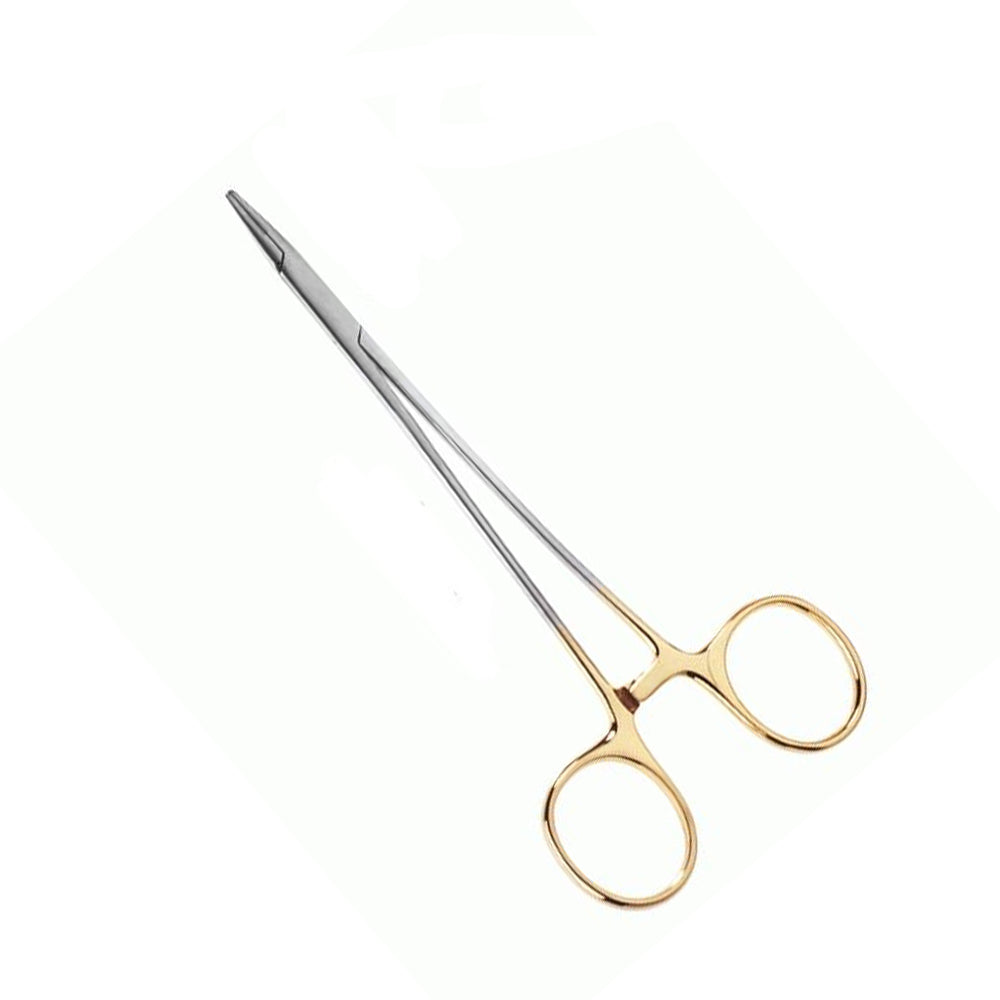
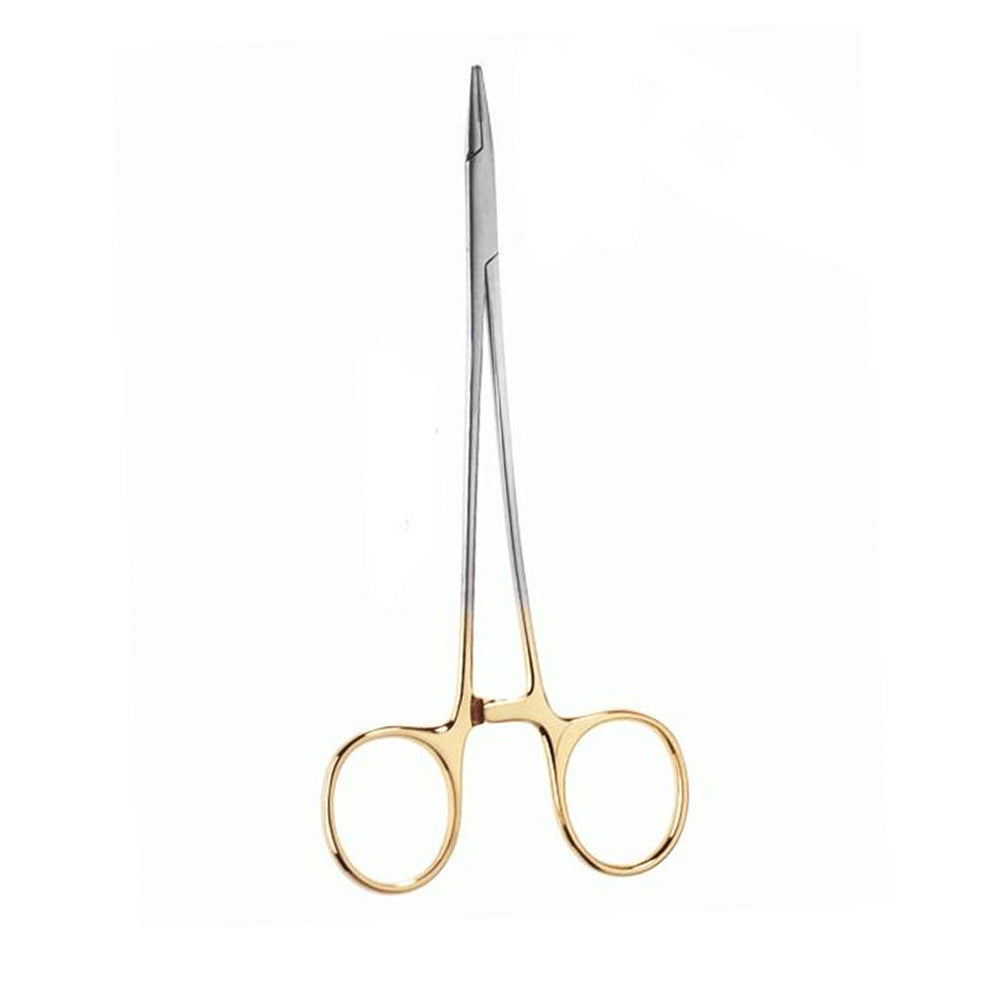
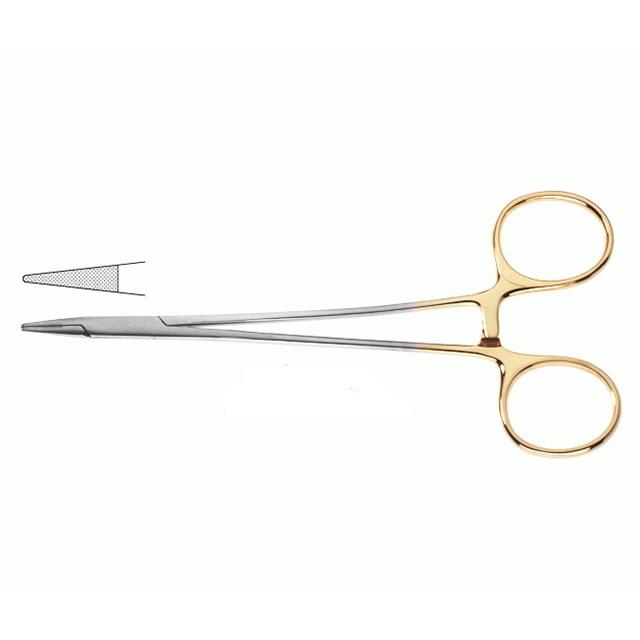
Microvascular Needle Holders

Microvascular Needle Holders

SKU:PS-2959-1

Regular price $14.30 USD
Regular price Sale price $14.30 USD
Sale Sold out
Tax included. Shipping calculated at checkout.
  • 30 Days Money Back Guarantee.
  • 100% Quality Satisfaction.
  • Medical Grade Steel Reusable.
View full details

What are Microvascular Needle Holders?

Microvascular Needle Holders (often called microsurgical Needle Holders, or Castroviejo Needle Holders) are instruments with high-precision that are made to operate ultra-fine needles as well as sutures, usually ranging between 8 to 11-1.

Contrary to conventional needle holders, microvascular models have spring-handle designs (Castroviejo type) or incredibly slim ring handles. This permits microscopic movements and rotations between fingers, supplying the surgeon with the ability to use the "micro-control" necessary to repair vessels that are as small as 0.5 millimeters in diameter.

Key Features & Design Specifications

To function under operating microscopes, the needle holders must comply with strict standards:

  • Diamond-Dusted or Tungsten Carbide Jaws: Premium micro-needle holders typically have the Diamond-Dust coat as well as Tungsten Carbide (TC) inserts. This creates the user with a "velvet grip" that prevents ultra-fine needles from sliding and turning without affecting the needle's structural quality.
  • Spring-Handle Mechanism The majority of models employ an elongated leaf spring handle that sits on the palm, which allows the surgeon to close and open the jaws using gentle pressure instead of the larger-scale movement of the finger rings.
  • Locking in contrast to. Non-Locking Locking: Locksmithing. It has a fine lock that catches the needle securely.
    • Non-Locking: A preferred choice by many microsurgeons due to its speed and more fluid suturing in continuous anastomoses.
  • Titanium, or Stainless Steel: * Titanium: Preferred for being non-magnetic (essential around neurological monitoring) plus 40% lighter, which reduces hand fatigue.
    • Stainless Steel: The industry standard for strength and balanced weight.

Technical Specifications

Feature Specification

Material Premium German Stainless Steel or Titanium

Tip Width Ultra-Fine (as tiny as 0.3 millimeters)

Grip Surface Diamond-Dusted or Micro-Serrated TC

Standard Lengths 14 cm (5.5"), 18 cm (7"), up to 21 cm (8.25")

Needle Compatibility 8-0, 9-0, 10-0, 11-0, and 12-0

Handle Style Castroviejo (Spring) or Slim Ring-Handle

Common Clinical Applications

These needle holders for microvascular are vital for any surgical procedure that requires the use of micro-suturing and magnification:

1. Vascular & Cardiac Surgery

It is used for coronary bypass grafting (CABG) and peripheral anastomosis to the vascular system. The fine tips enable precision "bite" placement in the vessel wall.

2. Plastic & Reconstructive Surgery

Vital, crucial free flap transfers in which surgeons need to join tiny veins and arteries to ensure blood flow is restored to the tissues.

3. Neurosurgery

It is used to treat intracranial bypass procedures as well as the repair of the delicate dural layers, peripheral nerves or the like.

4. Ophthalmic Surgery

Commonly used for cornea transplants as well as other intraocular procedures in which the surgical area and needle size are severely limited.

Maintenance and "Micro-Tool" Care

Micro-instruments are extremely delicate. To prevent "crossing" of jaws or loss of grip
  1. Tight Needle To Match: Never use these holders with needles bigger than 6-0. The force of a needle that is large enough for micro-jaws can permanently "spring" the tips.
  2. Manual Cleaning is recommended: While autoclavable, micro-instruments must be cleaned manually using gentle brushes or other cleaning tools to prevent injury in an ultrasonic cleaner.
  3. Use tip protectors: Always keep your tips protected using silicone tip protectors. The 0.3 millimeter tips could be bent or blunted by even the tiniest touch with other instruments.
  4. Magnification Inspection: Regularly examine the jaws under a microscope to make sure that the diamond coating remains intact and the teeth are in alignment.